Information
Landmark: Fort SantiagoCity: Manila
Country: Philippines
Continent: Asia
Fort Santiago, Manila, Philippines, Asia
Fort Santiago is a historic 16th-century citadel located within the walled city of Intramuros in Manila, Philippines. It is a key national landmark serving as a memorial to the country's colonial history and its path to independence.
Visual Characteristics
The fort is defined by its massive stone walls, bastions, and a iconic ornate gate featuring a wood relief of St. James (Santiago), the patron saint of Spain. The interior consists of expansive manicured gardens, open plazas, and the ruins of Spanish-era barracks and storage vaults. The Pasig River borders the northern edge, providing a natural defensive barrier and scenic views from the ramparts.
Location & Access Logistics
Address: Intramuros, Manila, 1002 Metro Manila.
Access: The main entrance is located at the northwestern end of Intramuros. Visitors enter through the Plaza Moriones.
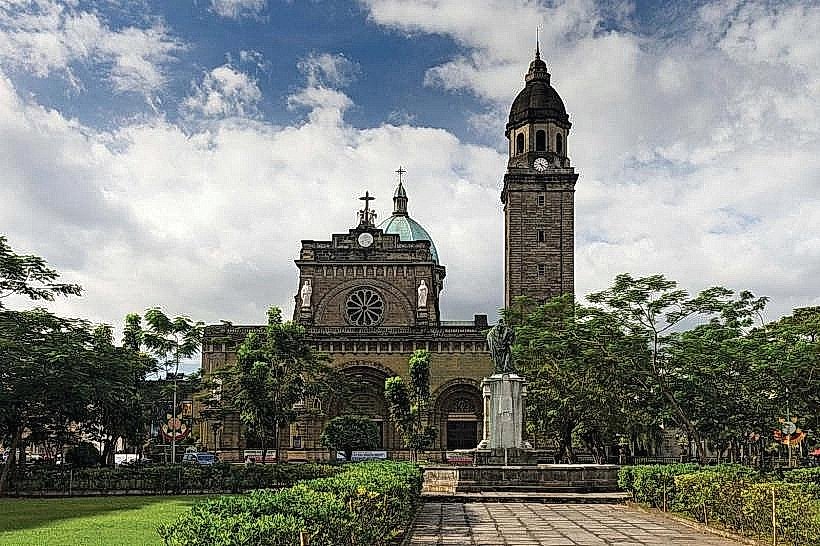
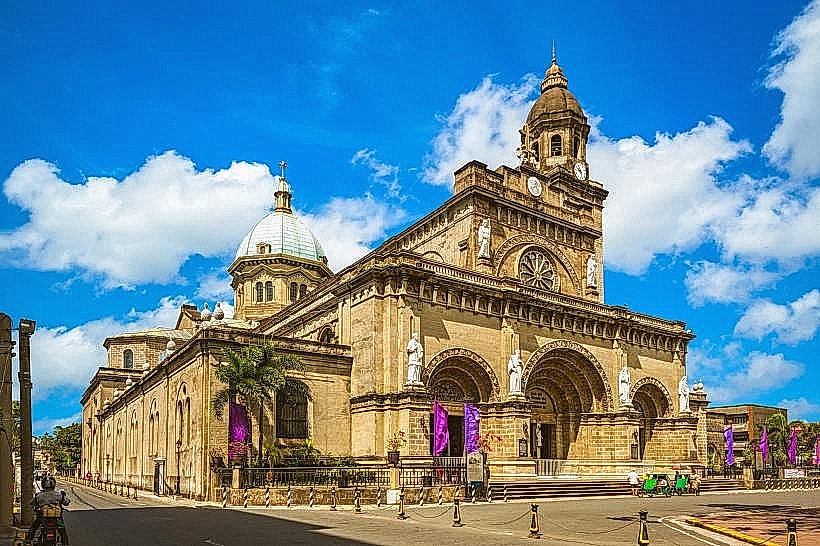
Transport: Accessible via the LRT-1 (Central Terminal Station) followed by a short walk or pedicab ride. It is within walking distance of the Manila Cathedral.
Entry: A nominal entrance fee is required for adults and students.
Historical & Ecological Origin
Built by Spanish conquistador Miguel López de Legazpi in 1571, the fort replaced a wooden palisade belonging to Rajah Sulayman. It served as the military headquarters for Spanish, British, American, and Japanese colonial powers. Historically, it is most significant as the site where national hero Dr. José Rizal was imprisoned before his execution in 1896. Ecologically, it functions as a primary green space in Manila, featuring century-old trees and meticulously maintained lawns.
Key Highlights & Activities
Rizal Shrine: A museum housed in the restored barracks where Rizal was held, containing original manuscripts, personal effects, and a replica of his prison cell.
The Gate (Puerta de Santiago): The most photographed landmark of the fort, reconstructed after its destruction in WWII.
Plaza de Armas: The central open square within the fort used for military drills and now public gatherings.
Dungeons: Dark, underground chambers near the river used as prisons during the Spanish and Japanese occupations.
Rizal's Footsteps: Bronze footprints embedded in the ground marking the final path taken by Rizal from his cell to his execution site in Luneta.
Infrastructure & Amenities
The site features well-maintained paved paths, public restrooms, and a small visitor center. A café and souvenir shops are located near the entrance. The fort is illuminated at night, allowing for evening tours. 5G cellular signal is excellent throughout the premises.
Best Time to Visit
The fort is open daily from 08:00 to 23:00. The best time for photography is during the "golden hour" shortly before sunset. To avoid the midday tropical heat, early morning visits are recommended. Weekdays are significantly quieter than weekends.
Facts & Legends
During the Battle of Manila in 1945, the fort was the site of a tragic massacre where hundreds of civilians and prisoners were killed in the dungeons by retreating forces. Local lore often cites the area as being haunted, particularly the underground chambers.
Nearby Landmarks
Manila Cathedral: 0.3 km South
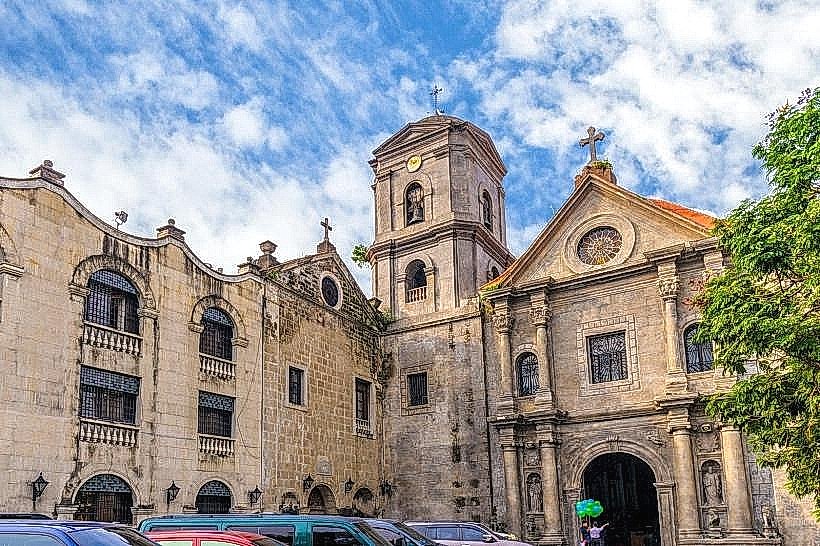
San Agustin Church: 0.6 km South
Palacio del Gobernador: 0.3 km South
Plaza Roma: 0.3 km South