Information
Landmark: BinondoCity: Manila
Country: Philippines
Continent: Asia
Binondo, Manila, Philippines, Asia
Binondo is a historic district in Manila, Philippines, established in 1594. It is recognized as the world's oldest Chinatown.
Visual Characteristics
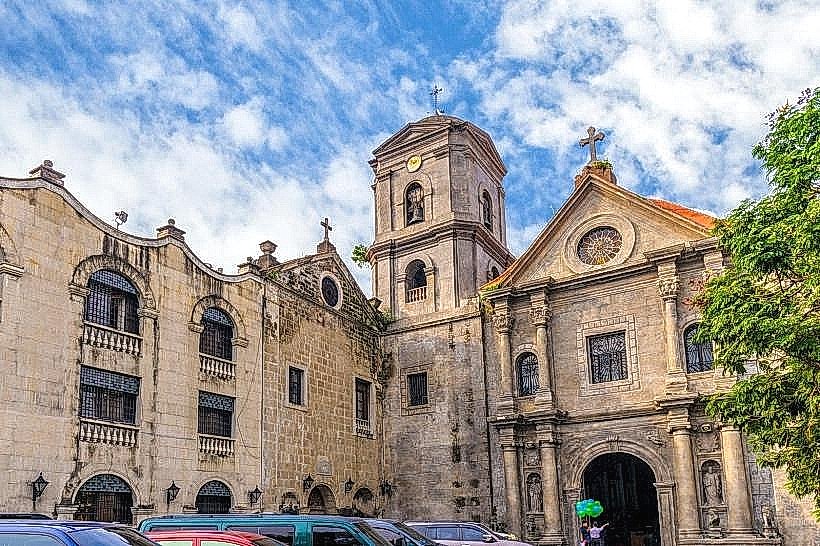
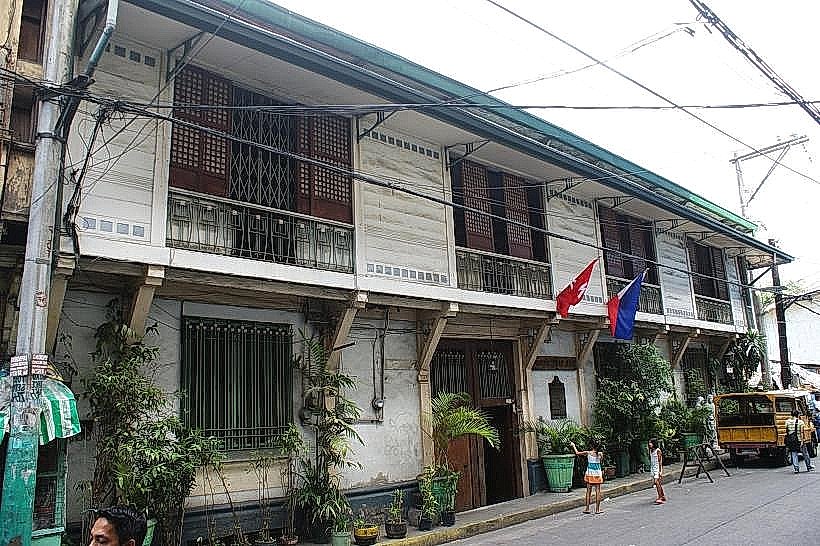
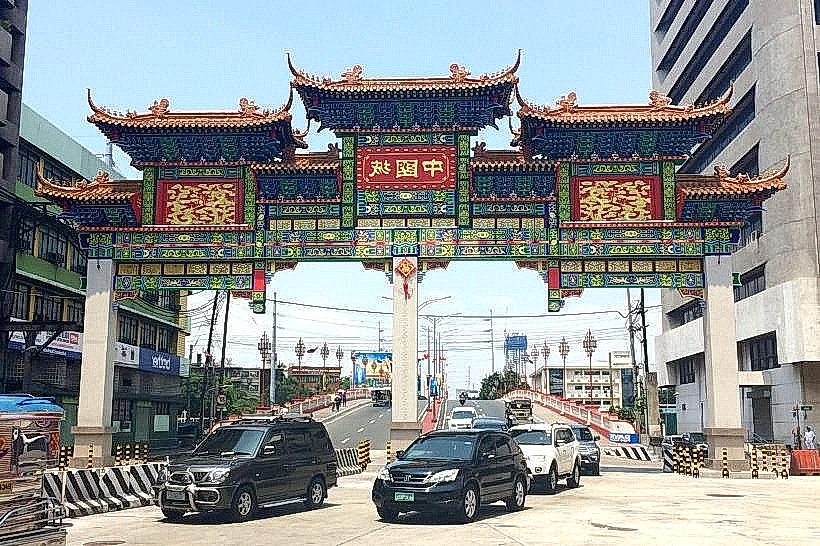
The district is characterized by a dense network of narrow streets, vibrant red and gold signage, and a blend of Spanish colonial and traditional Chinese architecture. Prominent visual elements include ornate stone archways (Chinatown arches), bustling street markets, and the historic Binondo Church. The area is intersected by the Estero de Binondo, a canal lined with multi-story commercial and residential buildings.
Location & Access Logistics
Binondo is located across the Pasig River from Intramuros.
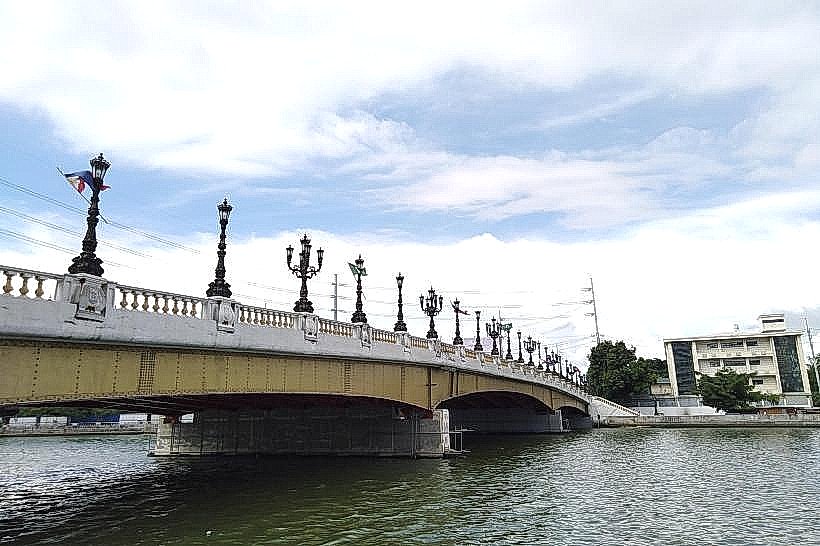
Access: Primary entry points are via the Jones Bridge or McArthur Bridge from the south.
Transport: The nearest train station is Carriedo Station (LRT-1). It is also accessible via numerous jeepney routes and ferry service at the Escolta Station.
Internal Navigation: Due to heavy traffic and narrow alleys, the district is most effectively explored on foot or via tricycle.
Historical & Ecological Origin
It was founded by Spanish Governor-General Luis Pérez Dasmariñas as a settlement for Catholic Chinese (Sangleys). Historically, it became the financial center of Manila during the American occupation, housing the headquarters of major banks and the stock exchange. Ecologically, it sits on the northern bank of the Pasig River, originally consisting of marshy islands that were eventually filled and urbanized.
Key Highlights & Activities
Food Tours: Binondo is a premier destination for "Binondo Food Crawls," focusing on Hokkien-Filipino cuisine such as kiampong, fried siopao, and oyster cakes.
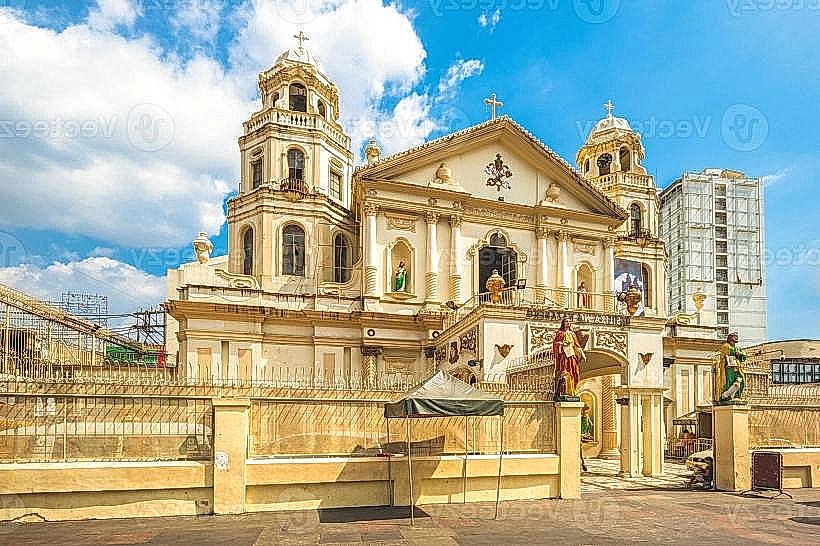
Binondo Church (Minor Basilica of St. Lorenzo Ruiz): A historic church featuring a distinct octagonal bell tower and a blend of Baroque and Chinese styles.
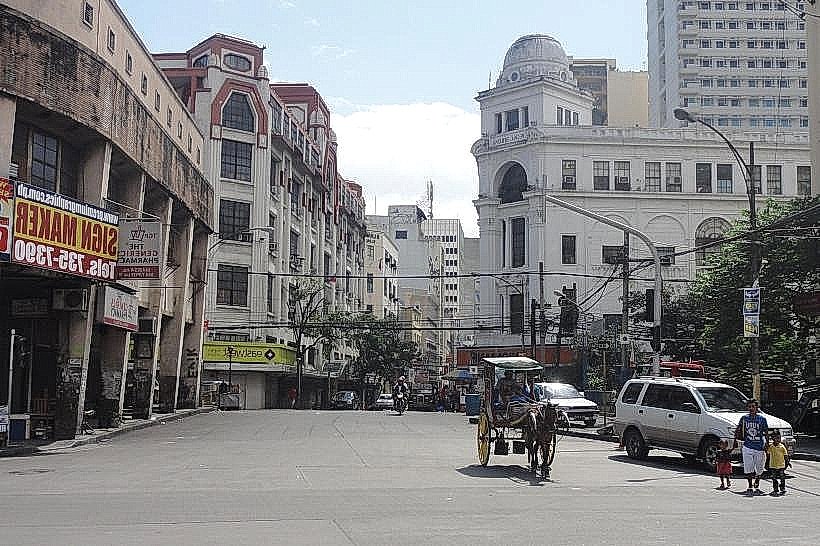
Escolta Street: Once the "Wall Street of Manila," it retains several Art Deco and Beaux-Arts buildings.
Lucky Chinatown Mall: A modern commercial hub that integrates traditional street market concepts with high-end retail.
Seng Guan Temple: A major Buddhist temple known for its intricate gold leaf woodcarvings and serene atmosphere.
Infrastructure & Amenities
The district is a highly developed commercial zone. It features numerous established Chinese restaurants, tea houses, and traditional Chinese medicine shops. Public restrooms are available in malls like Lucky Chinatown. Parking is extremely limited and congested; utilizing public transport or off-site parking is recommended. 5G cellular coverage is excellent.
Best Time to Visit
The most vibrant time to visit is during the Chinese New Year (January/February), though it becomes exceptionally crowded. For general tourism, weekday mornings (09:00–11:00) are optimal to avoid peak lunch crowds and afternoon traffic.
Facts & Legends
Binondo is the birthplace of St. Lorenzo Ruiz, the first Filipino saint. A common local legend suggests that the layout of certain streets was designed according to Feng Shui principles to ensure the continuous flow of wealth from the Pasig River into the district's businesses.
Nearby Landmarks
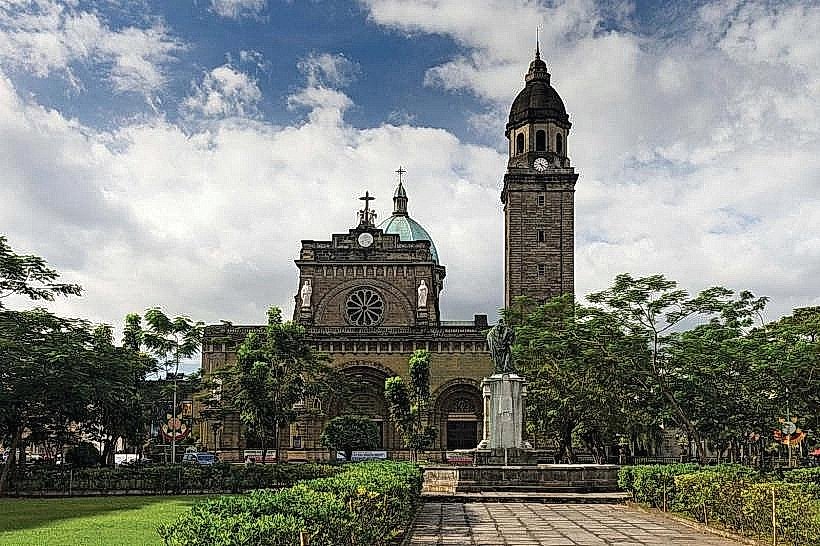
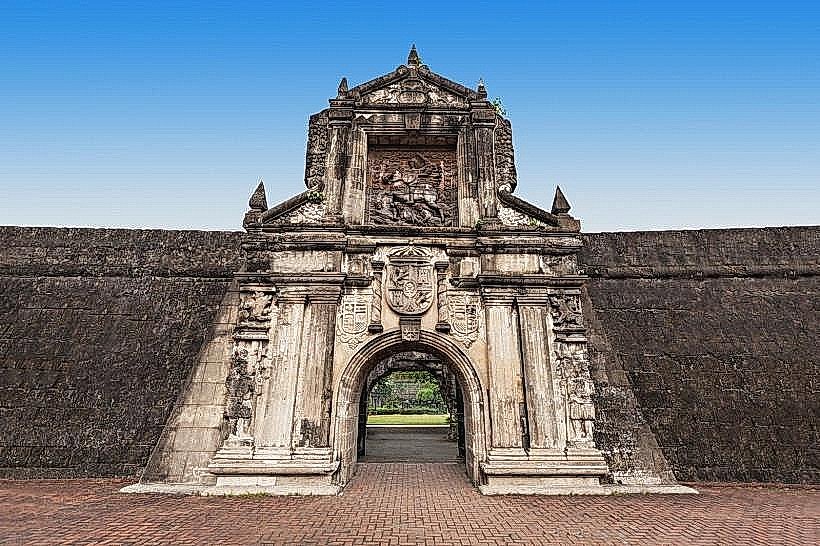
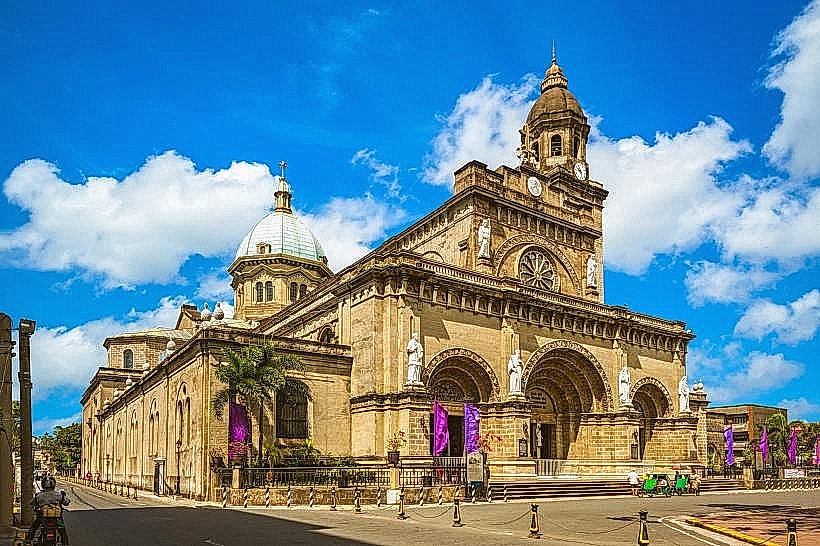
Intramuros: 0.8 km South (across Jones Bridge)
Divisoria Market: 0.5 km Northwest
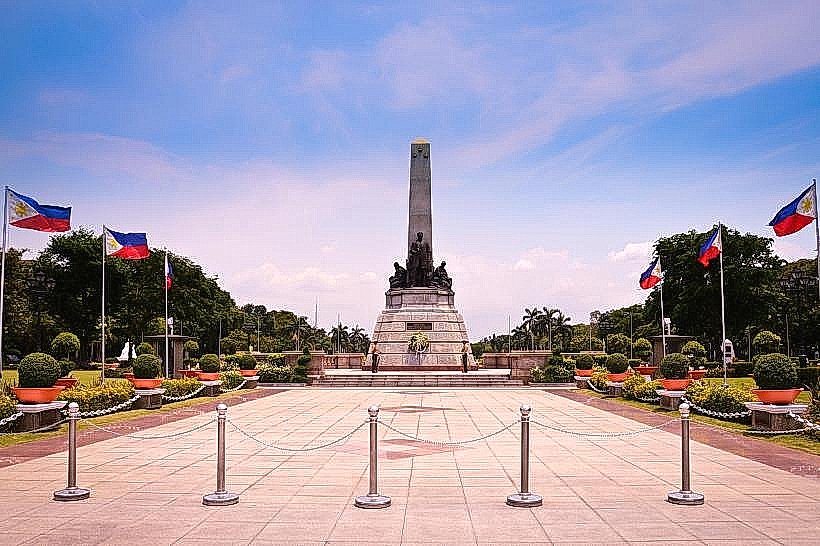
Rizal Park: 1.5 km South
Escolta Ferry Station: 0.3 km South