Information
City: Davao CityCountry: Philippines
Continent: Asia
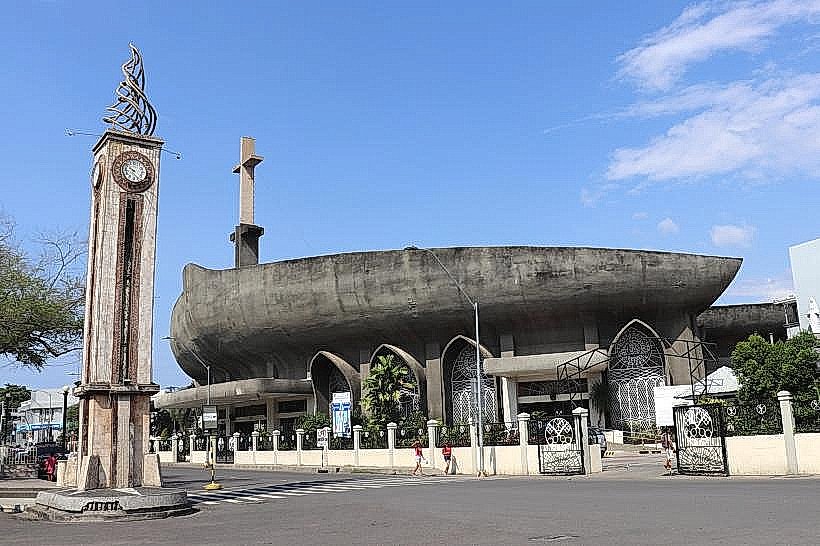
Davao City, Philippines, Asia
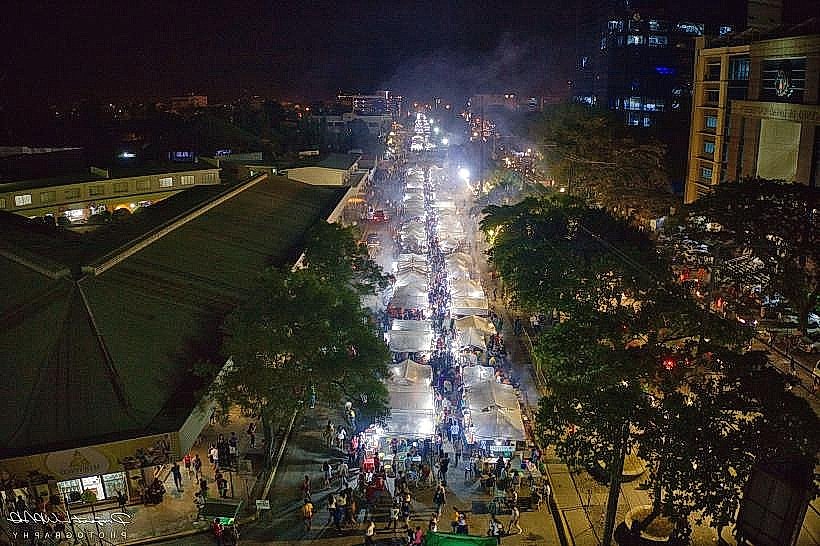
Davao City serves as the primary economic and administrative center of Mindanao and is the largest city in the Philippines by land area. It functions as a critical logistical hub for agriculture and trade in the southern Philippines and serves as the seat of the Davao Region.
Historical Timeline
The area was a cluster of indigenous settlements until Spanish colonization in 1848. It experienced significant growth during the American period through Japanese-led abaca (Manila hemp) plantations. The primary event shaping its current urban form was its 1936 incorporation as a city to counter foreign economic dominance, followed by rapid post-WWII expansion into a highly regulated metropolitan center known for strict local ordinances.
Demographics & Population
The population is approximately 1.83 million (2020 Census). The demographic is a mix of Cebuano-speaking settlers (Davaoeño Bisaya) and indigenous groups (Lumad), with a significant Chinese-Filipino community. The median age is 24 years.
Urban Layout & Key Districts
The city features a vast, sprawling layout. Key districts include Poblacion, the historical and administrative core; Lanang/Bajada, the modern commercial and upscale residential strip; Toril, a secondary industrial and residential center to the south; and Marilog, the high-altitude agricultural and eco-tourism highland.
Top City Landmarks
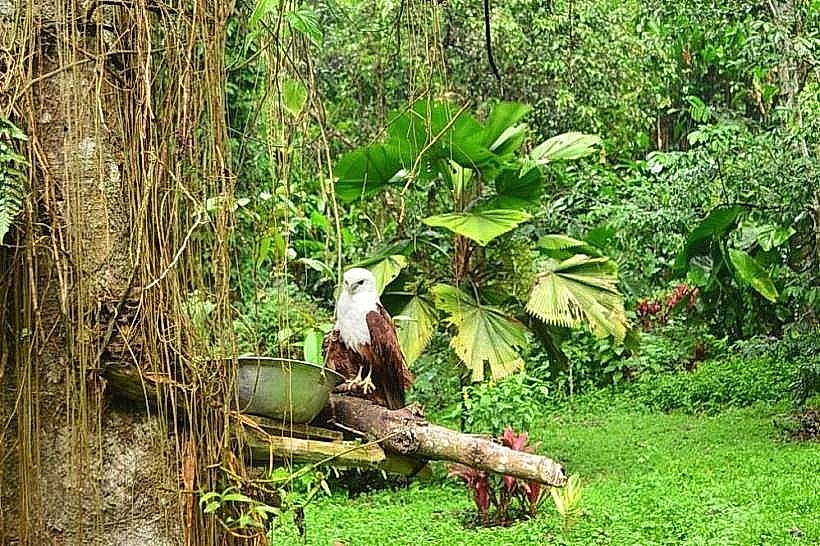
Philippine Eagle Center (Malagos)
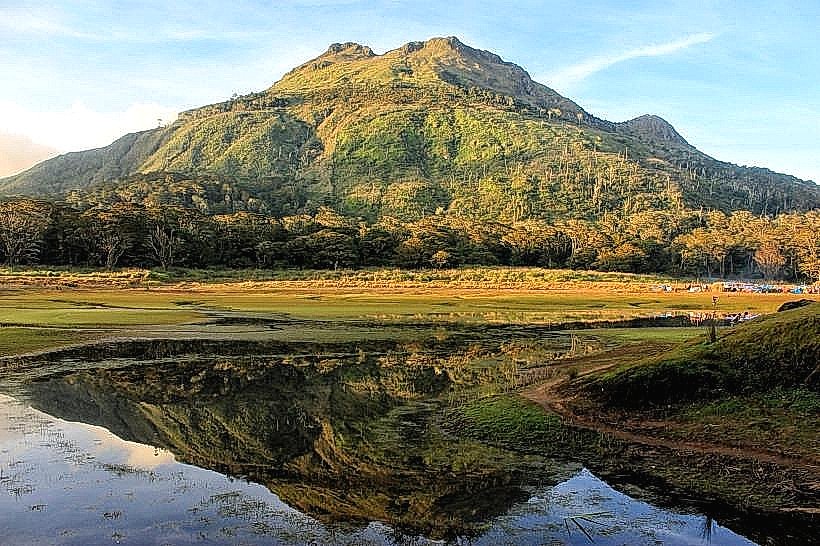
Mount Apo (Highest peak in the Philippines)
Davao Crocodile Park
Jack's Ridge (Historical lookout point)
Transportation Network
Movement is facilitated by Jeepneys and white metered taxis. Unlike other major cities, Davao taxis are strictly regulated and known for using meters without solicitation. There is no rail transit. The Davao City Coastal Road was recently opened to bypass city center congestion. Ride-sharing via Grab is universal. Traffic density is high at the Pan-Philippine Highway junctions during peak hours.
Safety & "Red Zones"
Davao City is consistently ranked as one of the safest cities in the Philippines due to highly visible local policing (911 emergency system). There are no specific "red zones" within the city proper, though vigilance is required in crowded markets like Bangkerohan. Movement toward the remote borders of Davao del Norte or Cotabato should be monitored for regional security advisories.
Digital & Financial Infrastructure
Average internet speed is 30–60 Mbps; 5G is pervasive in the Lanang and Poblacion districts. Main carriers are Globe and Smart. Card acceptance is high in malls (Abreeza, SM Lanang); GCash is the dominant mobile wallet. ATMs are densely clustered in the downtown area and major commercial blocks.
Climate & Air Quality
Temperatures range from 24°C to 33°C. Davao is located outside the traditional typhoon belt, resulting in stable weather year-round with frequent evening rain. Air quality is generally better than Manila or Cebu due to the city’s vast greenery and strict "No Smoking" ordinances.
Culture & Social Norms
Tipping of 10% is standard. The Kadayawan Festival in August is the premier cultural event celebrating indigenous harvests. Davaoeños are protective of local order; strict laws on speed limits (30–60 km/h), firecrackers, and a 01:00 liquor ban are strictly enforced. Public smoking is prohibited in almost all public spaces.
Accommodation Zones
Stay in Lanang or Bajada for proximity to high-end malls, modern hotels, and the airport.
Stay in Poblacion for central access to government offices, heritage sites, and the 911 emergency hub.
Local Cost Index
1 Espresso: 150 PHP ($2.60 USD)
1 Standard Lunch (Durian/Grilled Tuna): 250–500 PHP ($4.40 – $8.75 USD)
1 Jeepney Ride: 13–15 PHP ($0.25 USD)
Nearby Day Trips
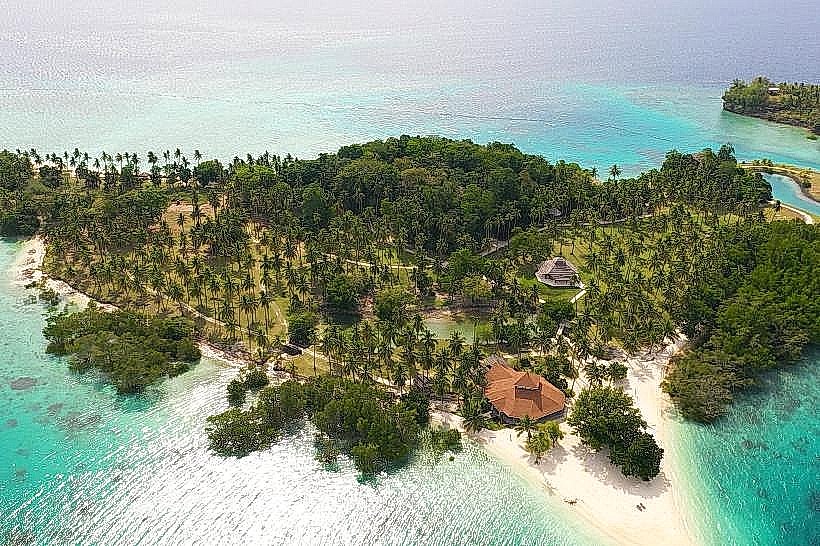
Samal Island: 2 km (15-minute ferry)
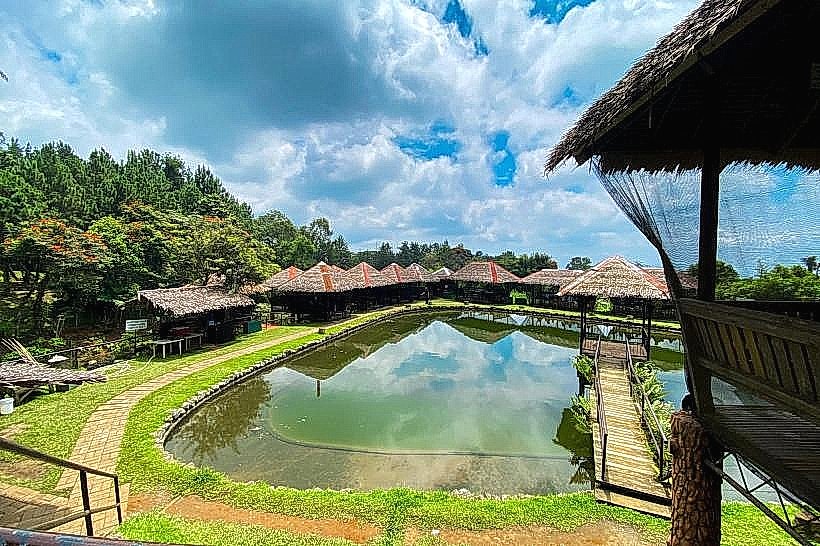
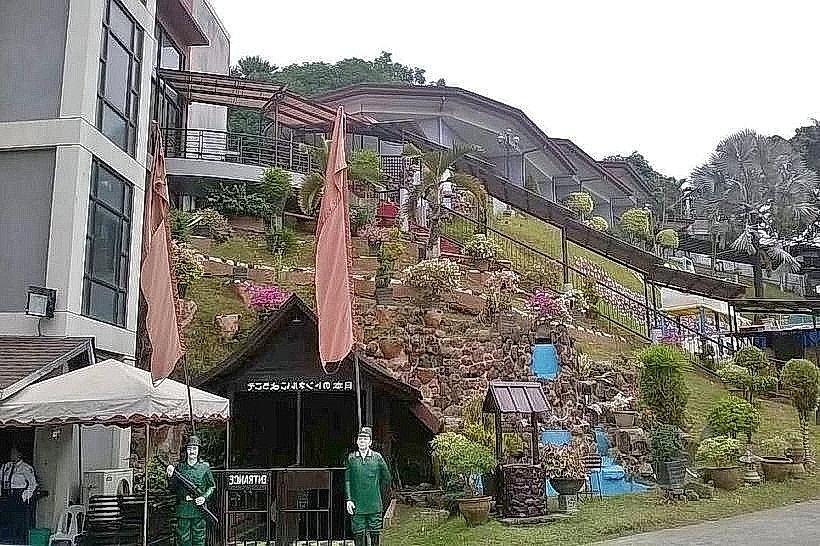
Eden Nature Park: 30 km (1 hour)
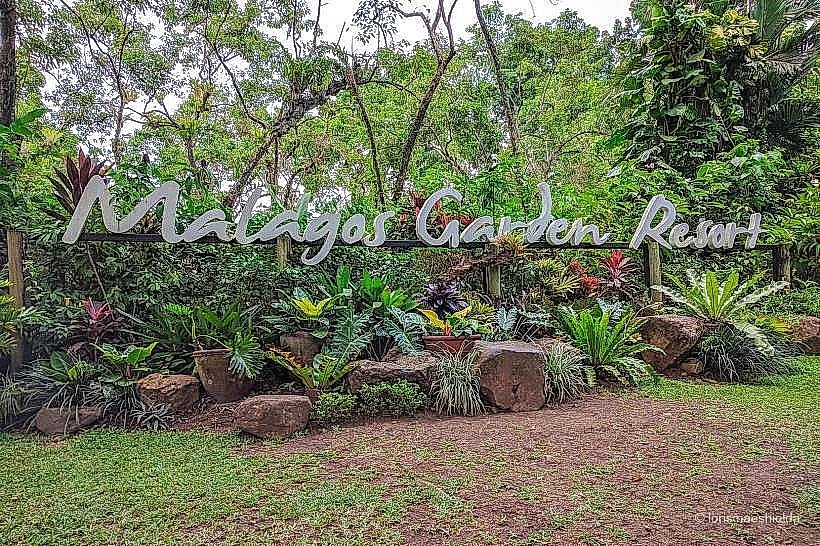
Malagos Garden Resort: 32 km (1 hour)
Mount Apo Trailhead: 40 km (1.5 hours)
Facts & Legends
Davao is the "Durian Capital of the Philippines," and the fruit's scent is a staple of local markets. Local legend attributes the city’s name to the Bagobo word Daba-daba, meaning "fire," while a verified historical fact is that Davao is the first city in Southeast Asia to implement a centralized 911 emergency response system modeled after the United States.