Information
City: Puerto PrincesaCountry: Philippines
Continent: Asia
Puerto Princesa, Philippines, Asia
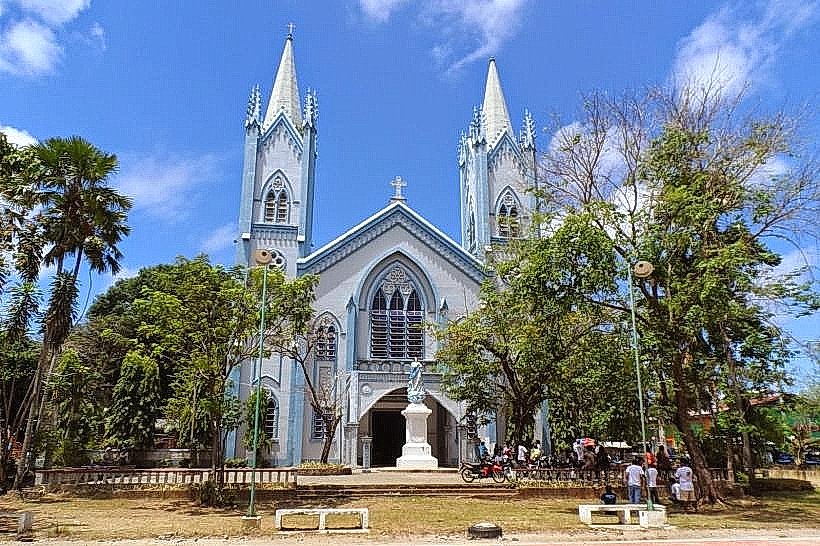
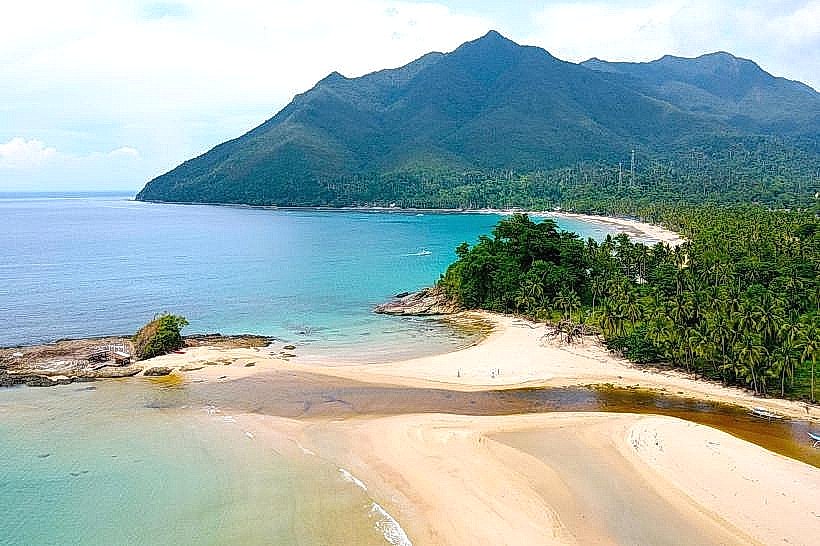
Puerto Princesa serves as the capital of Palawan and the primary gateway to the Philippines' last ecological frontier. It functions as a critical center for environmental conservation and sustainable tourism, characterized by a highly urbanized city center transitioning into protected tropical rainforests and marine reserves.
Historical Timeline
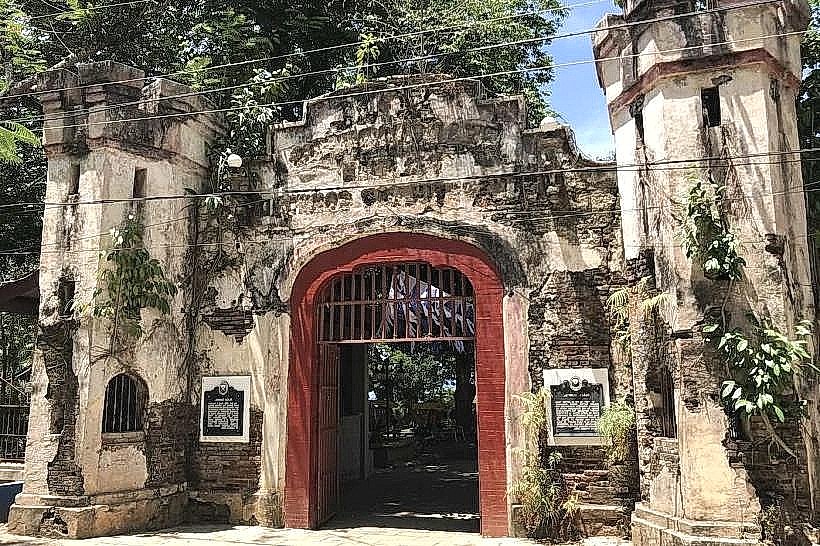
The city was founded by Spanish colonizers in 1872 as a strategic naval base due to its deep-water harbor. During WWII, it was the site of the Palawan Massacre, an event that led to the establishment of the Plaza Cuartel memorial. The primary event shaping its current urban form was the 1990s environmental movement led by local government, which instituted the "Feast of the Forest" and paved the way for the Puerto Princesa Subterranean River's designation as a UNESCO World Heritage site in 1999.
Demographics & Population
The population is approximately 307,000 (2020 Census). The demographic is a mix of Cuyonon, Tagalog, and Hiligaynon settlers, alongside indigenous Batak and Tagbanua groups. The median age is 24 years.
Urban Layout & Key Districts
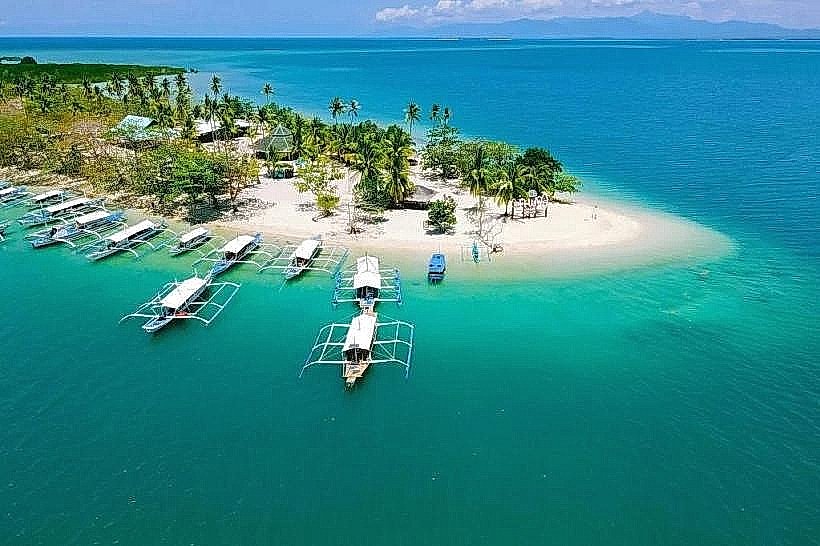
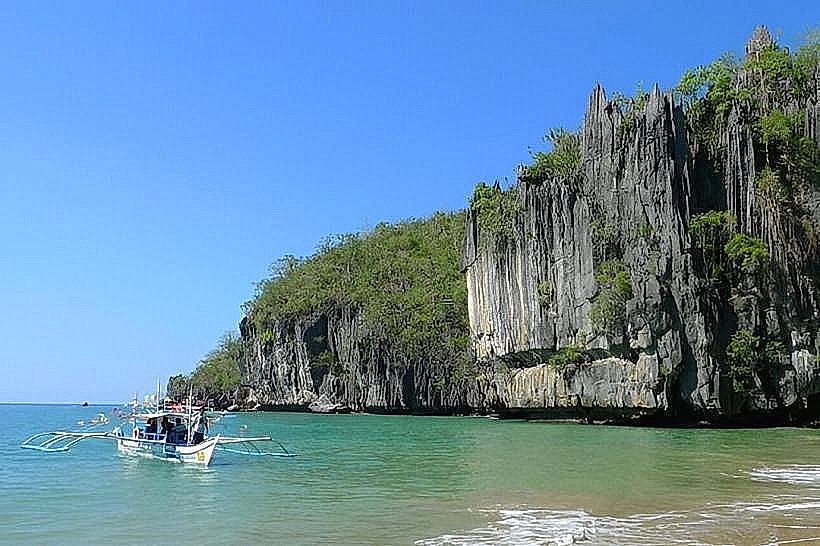
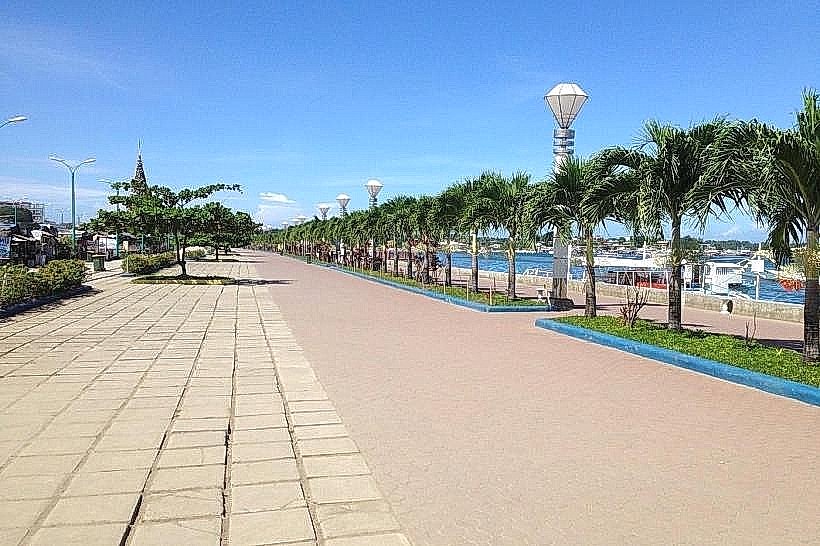
The city is the second largest in the Philippines by land area. Key districts include Poblacion, the administrative and commercial core; Sabang (North), the coastal entry point for the Underground River; and Honda Bay (East), the primary hub for island-hopping and marine tourism.
Top City Landmarks
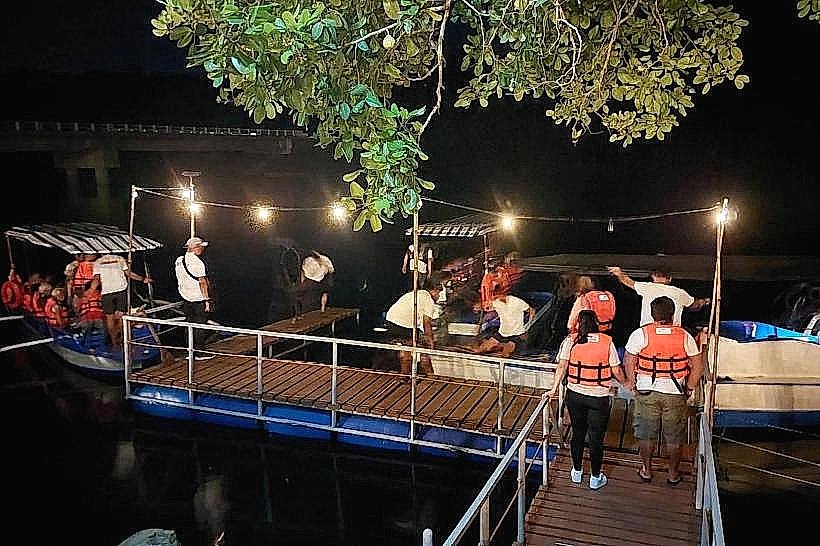
Puerto Princesa Subterranean River National Park
Honda Bay
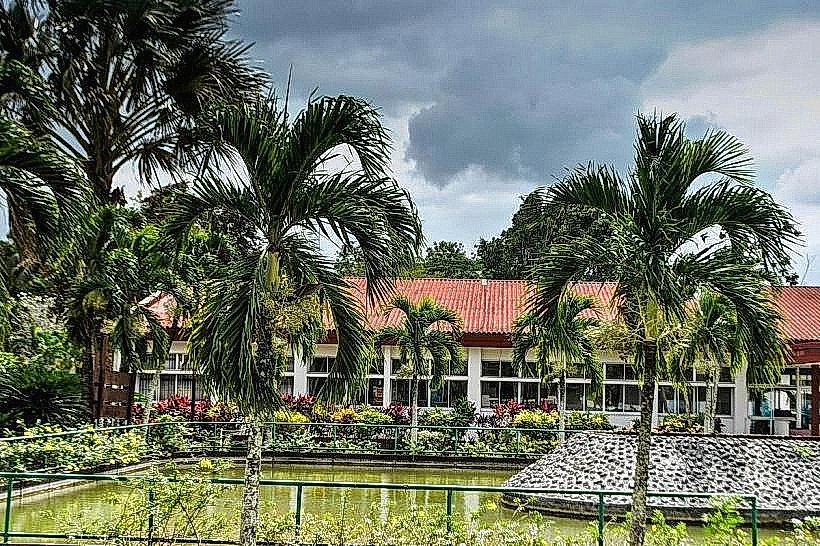
Iwahig Prison and Penal Farm (Prison without walls)
Palawan Wildlife Rescue and Conservation Center (Crocodile Farm)
Plaza Cuartel
Transportation Network
Movement is facilitated by tricycles (the primary local mode) and multicabs. There is no rail transit. The city is served by the Puerto Princesa International Airport (PPS). Ride-sharing via Grab is available but limited compared to Manila. Traffic density is moderate, concentrated primarily on Rizal Avenue during business hours.
Safety & "Red Zones"
The safety level is high; Puerto Princesa is often cited as one of the cleanest and safest cities in the Philippines. There are no "red zones" within the city proper. Visitors are advised to monitor weather advisories for boat travel and avoid remote jungle trekking without a licensed guide.
Digital & Financial Infrastructure
Average internet speed is 20–40 Mbps; 5G is available in the Poblacion but signal strength drops significantly in Sabang and rural northern areas. Main carriers are Globe and Smart. Card acceptance is limited to major hotels and malls (SM City, Robinsons); cash is mandatory for boat tours and tricycles. ATMs are concentrated in the city center.
Climate & Air Quality
Temperatures range from 24°C to 33°C. The city experiences a distinct dry season (November–May) and wet season (June–October). Air quality is excellent, consistently ranking among the best in the country due to the high density of forest cover and strict anti-pollution ordinances.
Culture & Social Norms
Tipping of 10% is customary in tourist-centric restaurants. The city has a strong culture of environmentalism; littering and the use of single-use plastics are heavily regulated and socially discouraged. Dress code is casual, though modest clothing is required for government offices.
Accommodation Zones
Stay in Poblacion for proximity to restaurants, transport hubs, and the airport.
Stay in Sabang for direct access to the Underground River and isolated beach resorts.
Local Cost Index
1 Espresso: 130 PHP ($2.30 USD)
1 Standard Lunch (Tamilok/Fresh Seafood): 250–500 PHP ($4.40 – $8.75 USD)
1 Tricycle Ride (within city): 20–50 PHP ($0.35 – $0.85 USD)
Nearby Day Trips
Underground River: 80 km (2 hours)
Honda Bay Island Hopping: 12 km (20 minutes to wharf)
Nagtabon Beach: 30 km (45 minutes)
Ugong Rock (Spelunking): 75 km (1.5 hours)
Facts & Legends
Puerto Princesa is home to the Iwahig Prison and Penal Farm, where inmates live in a village-like setting without fences and engage in agriculture. Local legend suggests the city was named after a "Princess-like" maiden who appeared on the shores during moonlit nights, while a verified historical fact is that the Puerto Princesa Underground River is the second-longest navigable subterranean river in the world.