Information
City: Quezon CityCountry: Philippines
Continent: Asia
Quezon City, Philippines, Asia
Quezon City serves as the largest city in Metro Manila by both land area and population. It functions as the Philippines' primary hub for government administration, national broadcasting, and specialized healthcare, having served as the official capital of the country from 1948 to 1976.
Historical Timeline
The city was founded in 1939 by President Manuel L. Quezon to replace Manila as the national capital. It was meticulously planned using "Garden City" principles by architect William Parsons and later Juan Arellano. The primary event shaping its current urban form was the post-WWII migration and the 1948 declaration of the city as the capital, which triggered the construction of the Batasang Pambansa (Parliament) and the massive government housing projects (Projects 1–8).
Demographics & Population
The population is approximately 2.96 million (2020 Census). It is a highly diverse socio-economic landscape, housing the nation's wealthiest enclaves alongside high-density informal settlements. The median age is 26 years.
Urban Layout & Key Districts
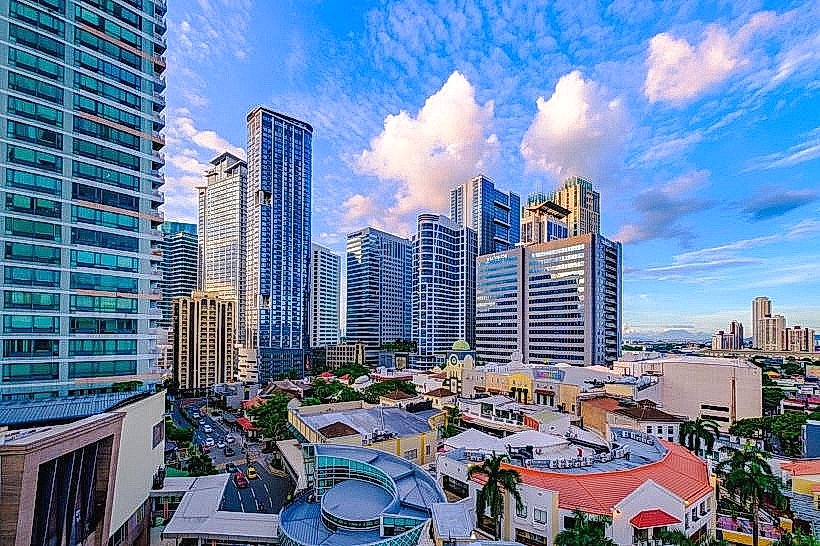
The city is organized around the Elliptical Road. Key districts include Diliman, the center of academia and government; Cubao, the primary commercial and transport intersection; Libis/Eastwood, a private IT and residential "mini-city"; and Novaliches (North), a high-density residential and industrial zone.
Top City Landmarks
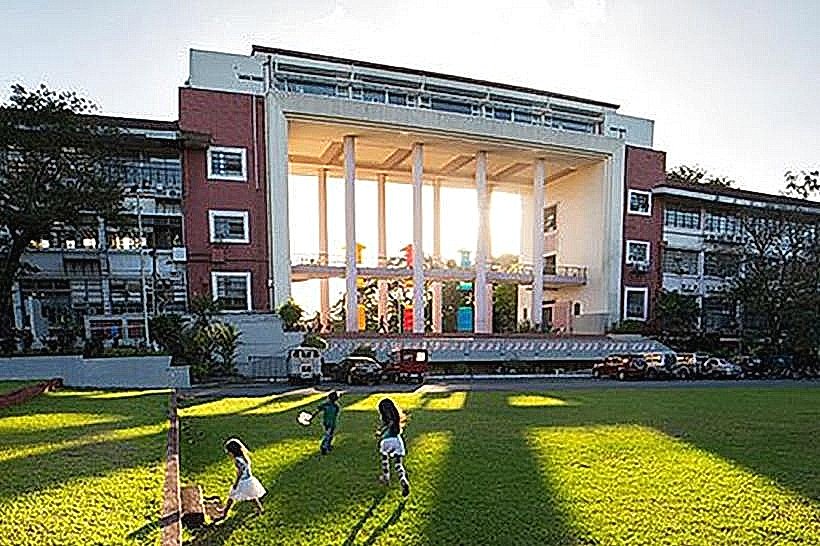
University of the Philippines Diliman (Flagship campus)
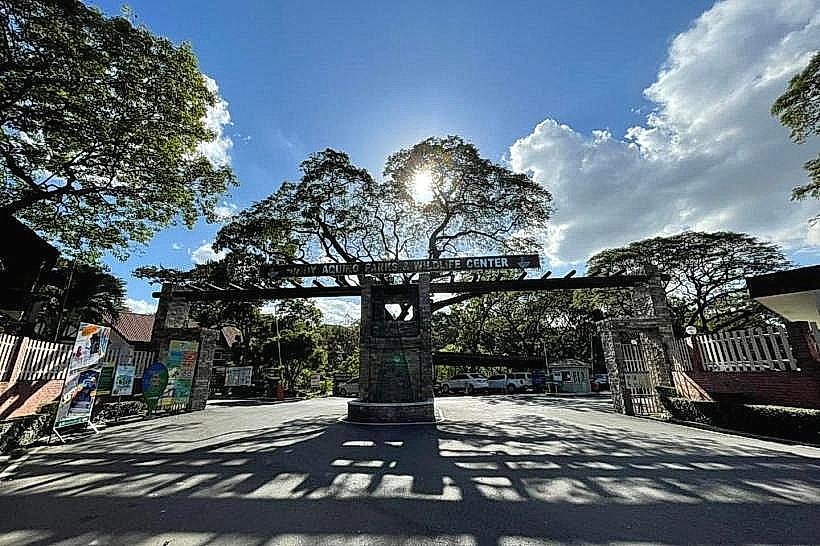
Ninoy Aquino Parks and Wildlife Center
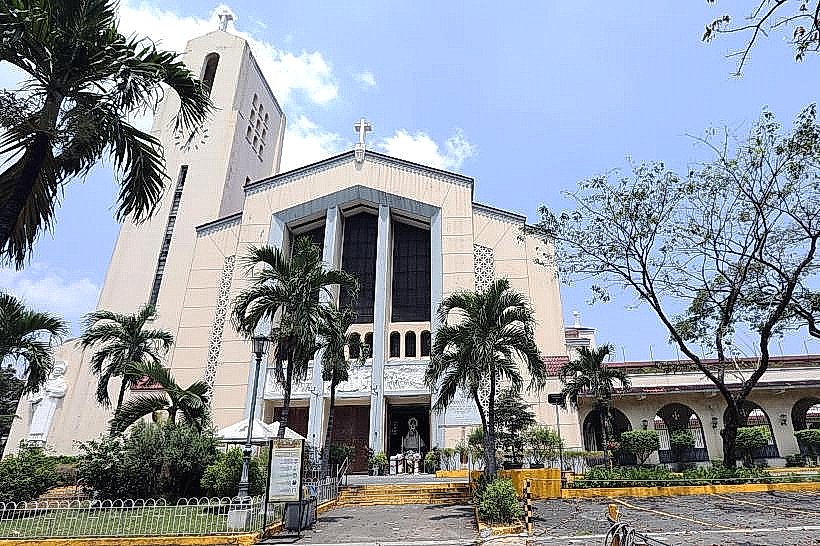
Santo Domingo Church (National Cultural Treasure)
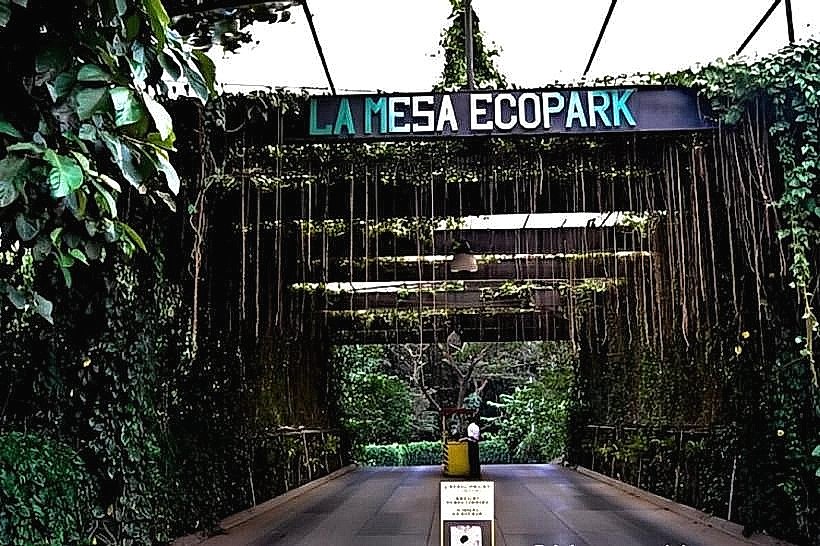
La Mesa Eco Park and Watershed
Transportation Network
Movement is facilitated by the MRT-3 (along EDSA) and LRT-2 (East-West) lines, with the MRT-7 currently under final stages of construction. The city is bisected by EDSA and Commonwealth Avenue (the "Highway of Death" due to its width and traffic volume). Ride-sharing is dominated by Grab. Traffic density is extreme, particularly at the Philcoa and Cubao nodes.
Safety & "Red Zones"
Safety levels vary. Avoid the interior neighborhoods of Commonwealth and Novaliches after dark. The Cubao Expo area is safe for nightlife, but the surrounding transit terminals require vigilance against pickpockets. Only use "yellow" or Grab-hailed vehicles for transport.
Digital & Financial Infrastructure
Average internet speed is 30–60 Mbps; 5G coverage is universal in Diliman and business districts. Main carriers are Globe and Smart. Card acceptance is universal in malls (Trinoma, SM North EDSA); GCash is the primary method for smaller merchants. ATMs are abundant in "Malls" and commercial strips.
Climate & Air Quality
Temperatures range from 23°C to 34°C. The city is generally 1–2°C cooler than Manila due to its higher elevation and greenery in Diliman, but it is prone to severe flooding in low-lying areas during the monsoon (June–October). Air quality is poor along the EDSA and Commonwealth corridors but significantly better within the UP Diliman campus.
Culture & Social Norms
Tipping of 10% is customary in sit-down restaurants. Quezon City is considered the "Liberal Heart" of Manila, home to many NGOs and activist groups; social political discourse is common. Dress code is casual, but business attire is expected in government offices. Public smoking is strictly prohibited by a city-wide ordinance and heavily fined.
Accommodation Zones
Stay in Eastwood City or Katipunan for modern, secure high-rise living and lifestyle amenities.
Stay in Cubao (Araneta City) for logistical access to all metro rail lines and provincial bus terminals.
Local Cost Index
1 Espresso: 150 PHP ($2.60 USD)
1 Standard Lunch (Food Court/Carinderia): 180–350 PHP ($3.15 – $6.15 USD)
1 MRT/LRT Ride: 15–35 PHP ($0.25 – $0.60 USD)
Nearby Day Trips
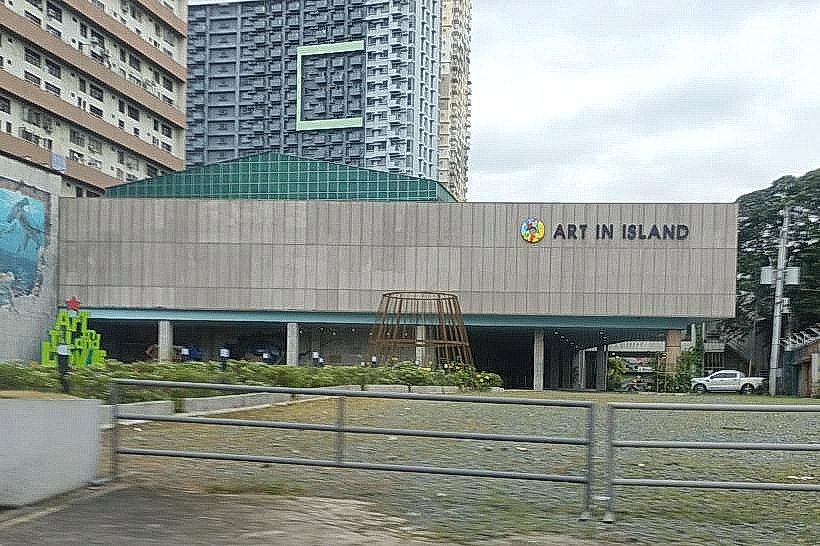
Art in Island (3D Art Museum): Within city limits (Cubao)
Pinto Art Museum (Antipolo): 15 km (1 hour)
Hinulugang Taktak Falls: 18 km (1 hour)
Angono Petroglyphs: 25 km (1.5 hours)
Facts & Legends
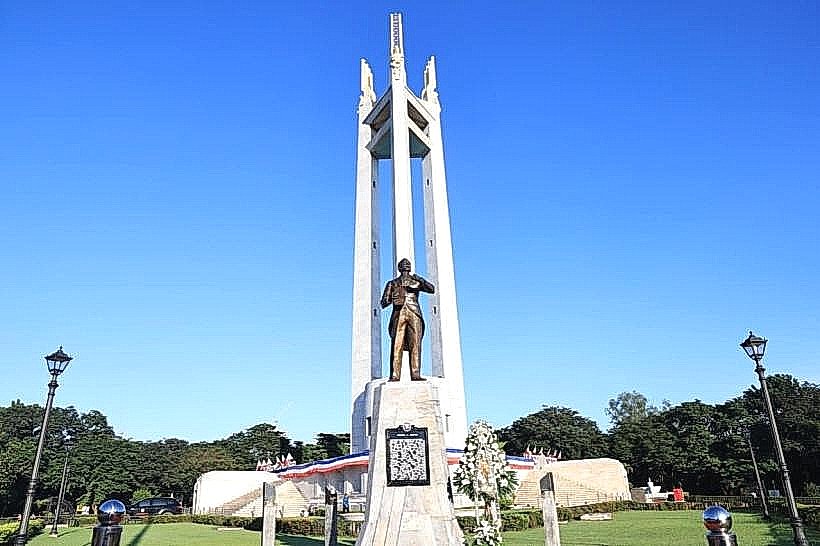
Quezon City is known as the "City of Stars" because it houses the country’s two largest media conglomerates, ABS-CBN and GMA Network. Local urban legend persists regarding a "White Lady" haunting Balete Drive in New Manila, while a verified historical fact is that the Quezon Memorial Shrine contains the remains of President Quezon inside a 66-meter pylon, representing his age at death.