Information
Landmark: Bantayog ng mga Bayani (Monument of Heroes)City: Quezon City
Country: Philippines
Continent: Asia
Bantayog ng mga Bayani (Monument of Heroes), Quezon City, Philippines, Asia
Bantayog ng mga Bayani
Bantayog ng mga Bayani (Monument of Heroes) is a landscaped memorial center and museum in Quezon City dedicated to honoring the individuals who fought against the martial law regime of Ferdinand Marcos (1972–1986).
Visual Characteristics
The memorial is defined by the Wall of Remembrance, a series of black granite panels inscribed with the names of martyrs and heroes. The site features a 13.5-meter (45-foot) bronze monument titled Filipino Totem by sculptor Eduardo Castrillo, depicting a defiant figure holding a fallen comrade. The grounds are landscaped with tropical plants and quiet walkways designed for reflection.
Location & Access Logistics
Address: Bantayog Rd, Diliman, Quezon City, 1100 Metro Manila.
Access: Situated at the corner of EDSA and Quezon Avenue.
Transport: * MRT-3: Get off at Quezon Avenue Station; the park is a 5-minute walk from the station.
Bus/Jeepney: Any vehicle traveling along EDSA or Quezon Avenue toward the Philcoa/Circle area will pass near the site.
Entry: The outdoor memorial area is generally accessible; the museum and library may require an entrance fee and have specific operating hours.
Historical & Ecological Origin
The Bantayog ng mga Bayani Foundation was established shortly after the 1986 People Power Revolution. The first names were inscribed on the wall in 1992. It serves as a historical repository of the resistance movement. Ecologically, it provides a small but dense green buffer against the heavy traffic and pollution of the EDSA-Quezon Avenue intersection.
Key Highlights & Activities
Wall of Remembrance: The focal point where names of those who resisted the dictatorship are added annually during a dedication ceremony.
Museo ng Bantayog: A museum housing artifacts, documents, and personal effects of the heroes and martyrs.
Bantayog Library and Archives: A specialized research facility focused on Philippine history during the martial law period.
Commemorative Rites: Frequent gatherings and forums held by human rights advocates and survivors.
Infrastructure & Amenities
The site includes a small auditorium for film screenings and lectures, an administrative building, and public restrooms. The paths are paved and accessible. 5G cellular coverage is excellent due to its proximity to major telecommunications corridors.
Best Time to Visit
The memorial is best visited during the late afternoon for a quiet atmosphere. The museum is typically open Monday to Friday (09:00–17:00). It is a significant site for visits during the anniversary of the People Power Revolution (February 25) and the declaration of Martial Law (September 21).
Facts & Legends
Names on the wall are not limited to those who died during the regime; they also include individuals who survived the era but provided extraordinary service to the cause of freedom and democracy. Each name must undergo a rigorous nomination and verification process by the foundation's Research and Documentation Committee.
Nearby Landmarks
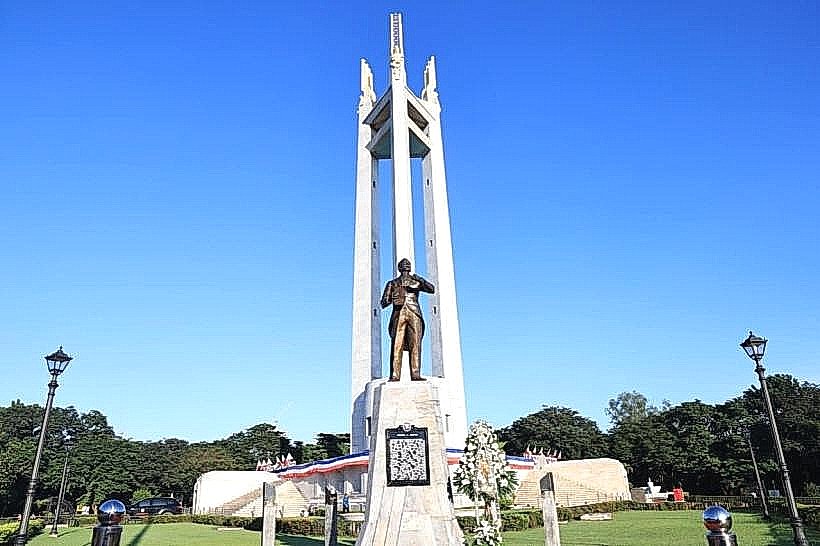
Quezon Memorial Circle: 1.0 km East
Centris Station/SM Cyberzone: 0.3 km South
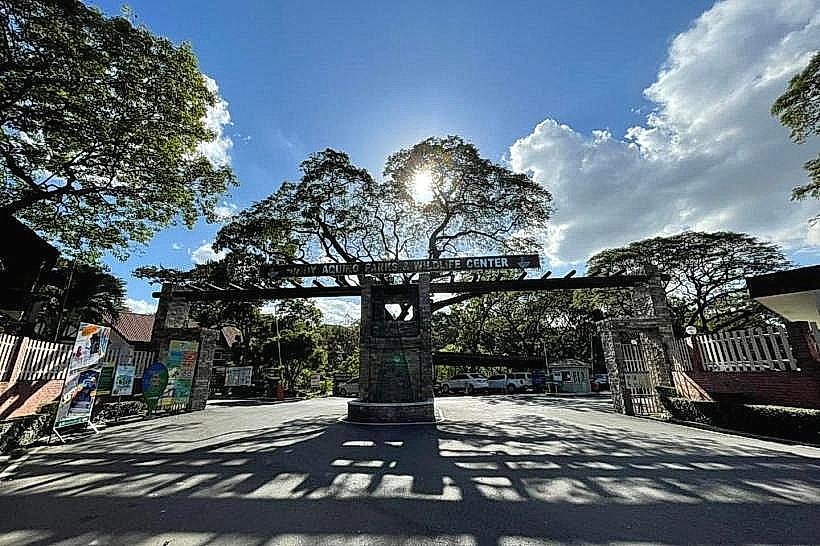
Ninoy Aquino Parks and Wildlife Center: 0.8 km North
Philippine Children's Medical Center: 0.4 km North