Information
Landmark: University of the Philippines DilimanCity: Quezon City
Country: Philippines
Continent: Asia
University of the Philippines Diliman, Quezon City, Philippines, Asia
The University of the Philippines Diliman (UPD) is the flagship campus of the national university system, spanning 493 hectares in Quezon City. It is a premier academic institution and a significant urban green space.
Visual Characteristics
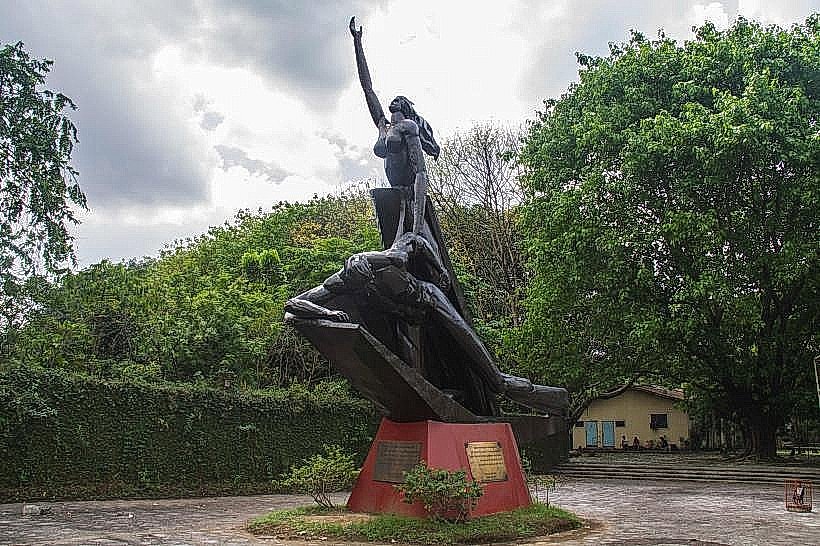
The campus is defined by its "Academic Oval," a 2.2-kilometer circular road lined with double rows of mature acacia trees. The architecture is primarily a mix of mid-century Modernism and Neoclassical styles. Key landmarks include the Quezon Hall, featuring the iconic Oblation statue, and the Carillon Tower. The landscape is predominantly green, consisting of expansive lawns (such as the Sunken Garden), forest fragments, and manicured gardens.
Location & Access Logistics
Address: Roxas Ave, Diliman, Quezon City, Metro Manila.
Access: Primary entry points are via University Avenue (from Philcoa) and C.P. Garcia Avenue.
Transport: * MRT-3: Get off at Quezon Avenue Station or North Avenue Station, followed by a jeepney ride labeled "UP Campus."
LRT-2: Get off at Katipunan Station, followed by a "UP Campus" jeepney from under the flyover.
Internal Transport: "Ikut" (yellow roof) and "Toki" (green roof) jeepneys circulate within the campus.
Entry: Generally open to the public. However, vehicles may be restricted in certain areas during weekends for "Academic Oval" recreational use.
Historical & Ecological Origin
Established in 1949, UPD moved from its original Manila location to the Diliman estate. It has since become a focal point for national discourse and student activism. Ecologically, it is one of the largest remaining green lungs in Metro Manila, housing diverse bird species and rare indigenous trees. The campus includes several protected forest patches designated as the "UP Arboretum."
Key Highlights & Activities
The Oblation: The university's symbolic centerpiece representing selfless dedication to the nation.
Sunken Garden: A large natural depression used for sports, picnics, and the annual UP Fair.
Vargas Museum: Houses a significant collection of Philippine art, including works by Juan Luna and Fernando Amorsolo.
UP Lagoon: A scenic area featuring an amphitheater and water features, popular for leisure.
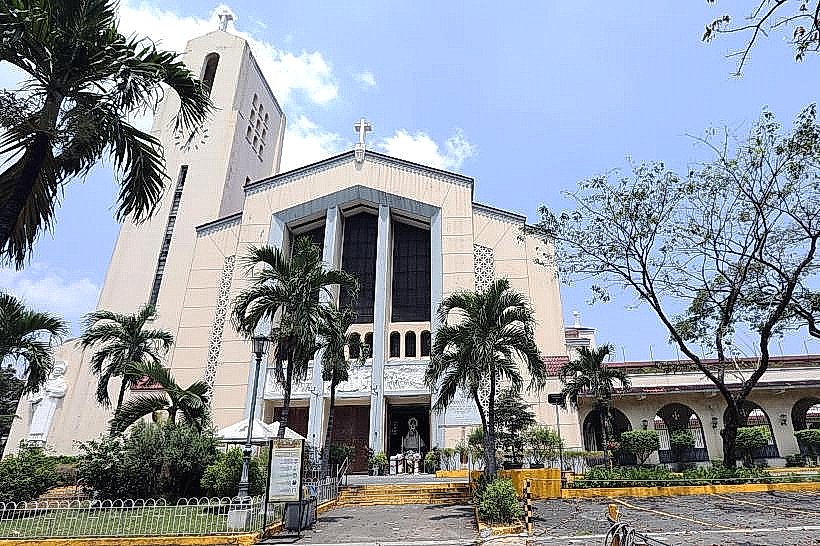
Church of the Holy Sacrifice: A National Historical Landmark and a circular Brutalist chapel designed by Leandro Locsin.
Infrastructure & Amenities
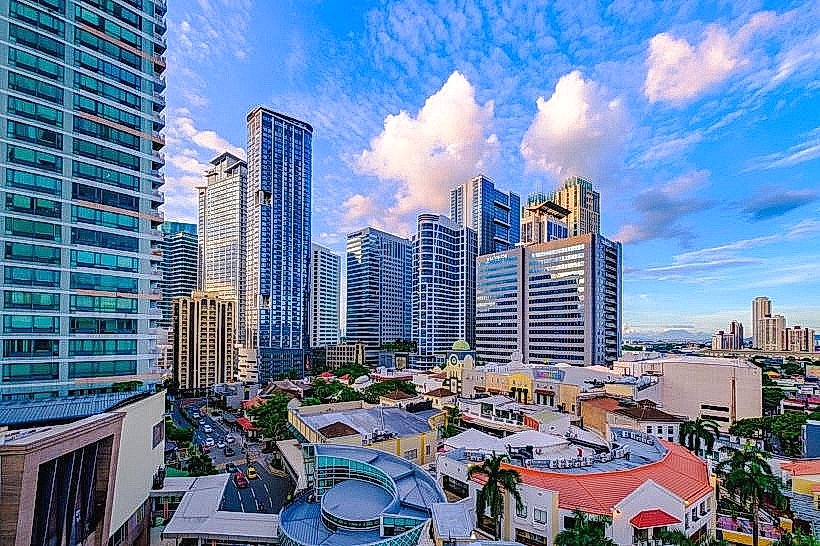
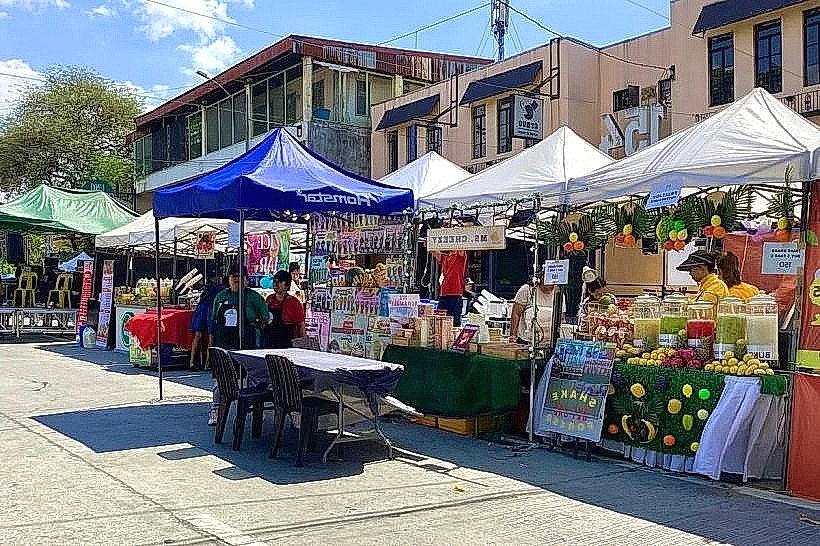
The campus contains numerous libraries, colleges, and research institutes. It features several dedicated food hubs like the Area 2 street food stalls and the UP Town Center (located on the periphery). Public restrooms are available in major academic buildings and the Student Union building. 5G cellular coverage is excellent throughout the open grounds.
Best Time to Visit
The campus is most active during the UP Fair in February. For recreation, Sunday mornings are ideal as the Academic Oval is closed to motorized traffic, making it a hub for joggers, cyclists, and families. Late afternoon (16:00–18:00) offers the best lighting for the acacia-lined roads.
Facts & Legends
The Sunken Garden is rumored to be sinking by several centimeters every year, a local myth attributed to its location over a geological fault or underground water systems. The "Oblation Run," an annual event where members of a specific fraternity run naked across campus to protest social issues, is one of its most famous traditions.
Nearby Landmarks
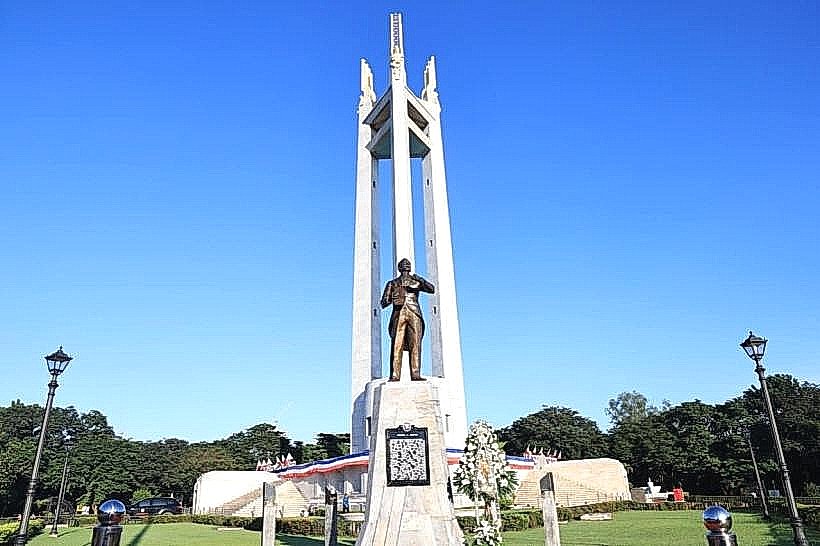
Quezon Memorial Circle: 1.5 km West
Ateneo de Manila University: 1.2 km East
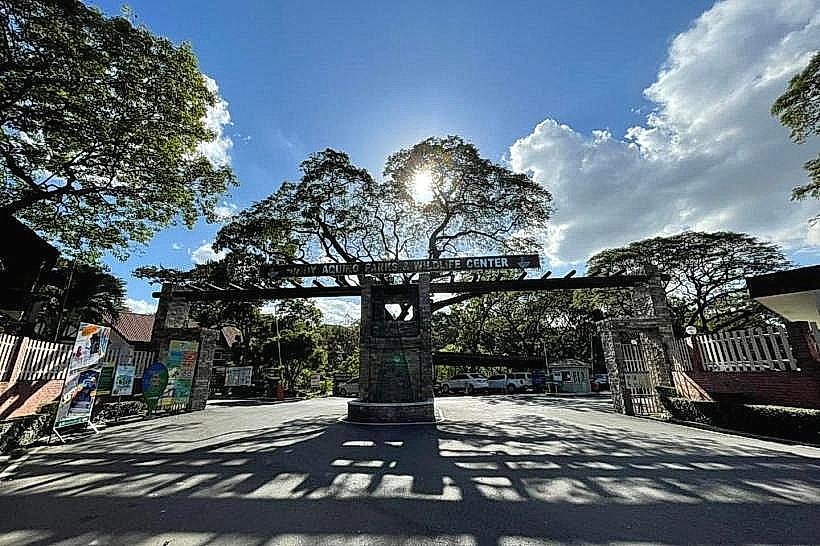
Ninoy Aquino Parks and Wildlife Center: 2.0 km West
Katipunan Avenue: 0.8 km East