Information
City: TagbilaranCountry: Philippines
Continent: Asia
Tagbilaran, Philippines, Asia
Tagbilaran serves as the "City of Peace and Friendship" and the capital of Bohol. It functions as the primary administrative, commercial, and educational gateway to the island province, positioned on the southwestern coast overlooking the Panglao Strait.
Historical Timeline
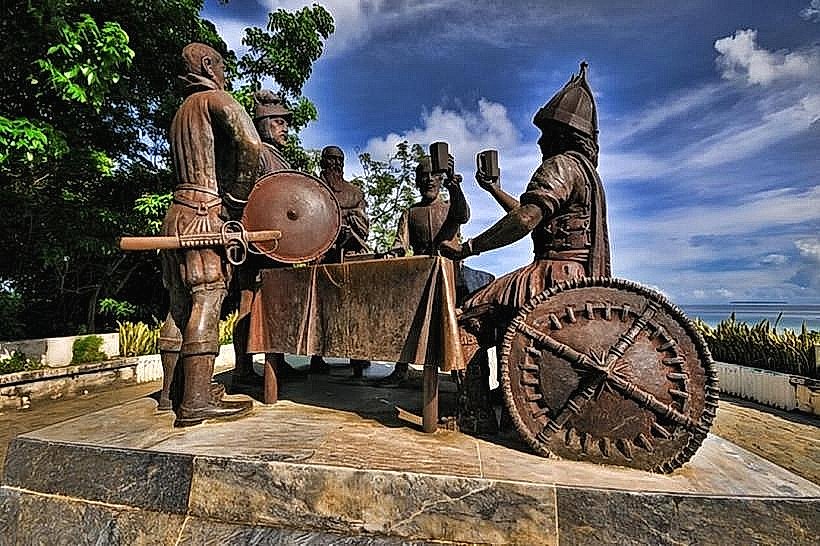
The city’s history is centered on the Sandugo (Blood Compact) of 1565 between Spanish explorer Miguel López de Legazpi and Datu Sikatuna, which established the first formal treaty of friendship between Spaniards and Filipinos. Tagbilaran was formally incorporated as a city in 1966. The primary event shaping its current urban form was the 2013 Bohol earthquake, which led to a massive modernization of its infrastructure and the subsequent 2018 opening of the Bohol-Panglao International Airport, shifting heavy air traffic away from the city center.
Demographics & Population
The population is approximately 105,000 (2024 estimate). The demographic is predominantly Boholano-speaking (a dialect of Cebuano). As the provincial center, it has a high literacy rate and a stable population of civil servants and students. The median age is 25 years.
Urban Layout & Key Districts
The city is relatively compact and organized along a coastal axis. Key districts include the Poblacion, the administrative core containing the Cathedral and Provincial Capitol; Cogon, the primary transport and market hub; and Mansasa/Bool, the southern residential areas leading toward the bridge to Panglao.
Top City Landmarks
Blood Compact Shrine (Sandugo)
St. Joseph the Worker Cathedral
National Museum Bohol (Old Capitol Building)
Bohol Wisdom Tower
Tagbilaran City Waterfront
Transportation Network
Movement is facilitated by tricycles, which are unique to Tagbilaran for their required biblical verses painted on the rear. There is no rail transit. Public transport also includes multicabs and buses at the Integrated Bus Terminal (Dao). Air travel is serviced by Bohol-Panglao International Airport (BPIA) on the adjacent island. Ferries at the Tagbilaran FastCraft Terminal connect the city to Cebu, Dumaguete, and Siquijor. Traffic density is moderate, peaking near the two bridges connecting to Panglao.
Safety & "Red Zones"
The safety level is very high; Bohol is one of the most peaceful provinces in the Philippines. There are no "red zones." The city is noted for its strict adherence to night-time noise ordinances and a generally low crime rate. Use metered taxis or pre-arranged vans for airport transfers to ensure standard pricing.
Digital & Financial Infrastructure
Average internet speed is 30–50 Mbps. Main carriers are Globe and Smart. Card acceptance is universal in malls (Island City Mall, Alturas, BQ Mall); GCash is widely used for retail. ATMs are abundant in the city center and within all major shopping complexes.
Climate & Air Quality
Temperatures range from 24°C to 32°C. Tagbilaran is generally shielded from direct typhoon hits by the surrounding islands of Leyte and Cebu, but it experiences a wet season from June to November. Air quality is high due to the lack of heavy industrial zones and consistent sea breezes.
Culture & Social Norms
Tipping of 10% is standard. The Sandugo Festival in July is the premier cultural event. Boholanos are known for their deep religious faith and hospitality. Dress code is casual, but modest attire is required for churches and government offices. Public smoking is restricted in public plazas and near schools.
Accommodation Zones
Stay in the City Center for logistical access to ferries, malls, and government offices.
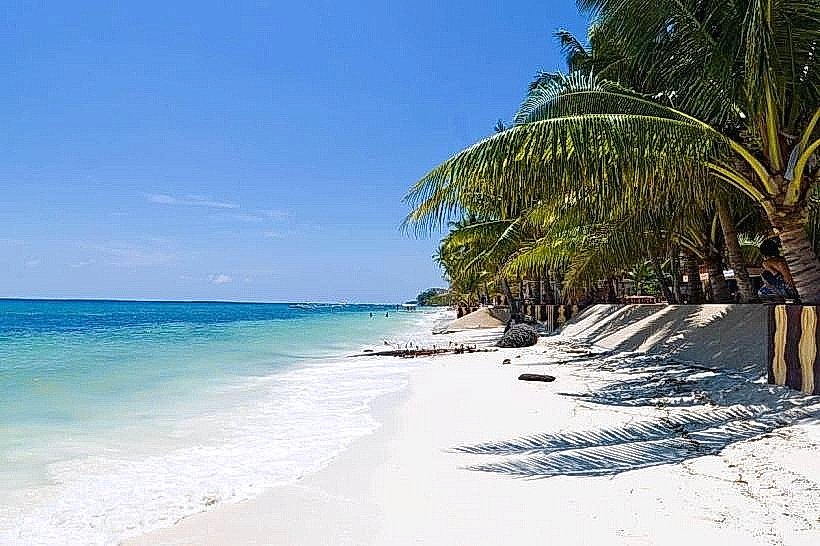
Stay in Panglao Island (20-30 minutes away) for beaches and resorts, using Tagbilaran only as a transit and supply hub.
Local Cost Index
1 Espresso: 120 PHP ($2.10 USD)
1 Standard Lunch (Grilled Seafood/Humba): 200–400 PHP ($3.50 – $7.00 USD)
1 Tricycle Ride (within city): 15–30 PHP ($0.25 – $0.55 USD)
Nearby Day Trips
Chocolate Hills (Carmen): 55 km (1.5 hours)
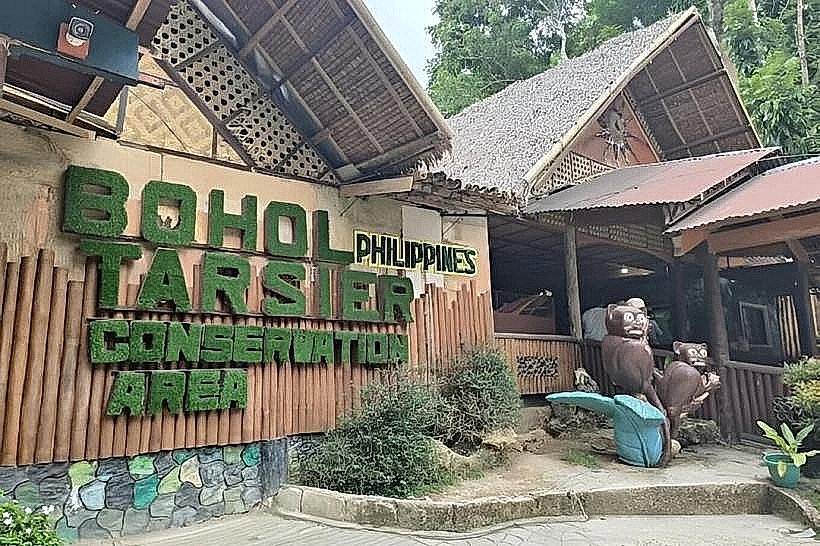
Tarsier Sanctuary (Corella): 10 km (20 minutes)
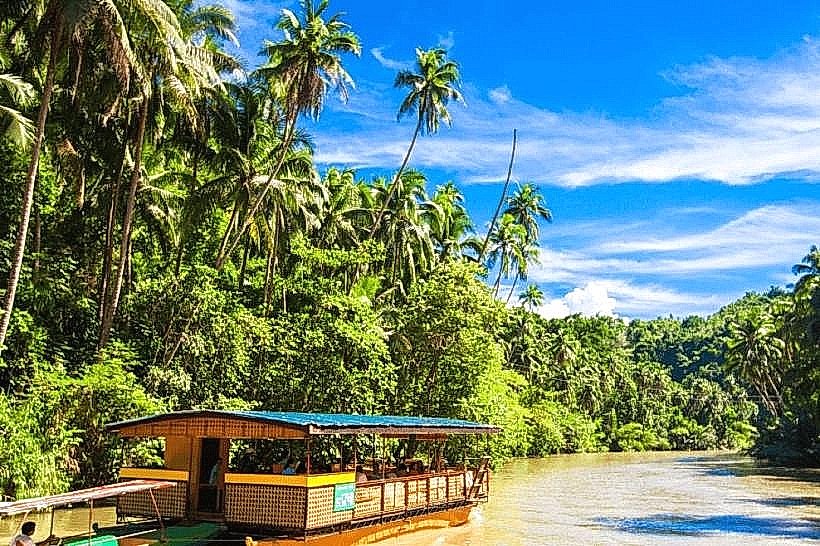
Loboc River Cruise: 25 km (45 minutes)
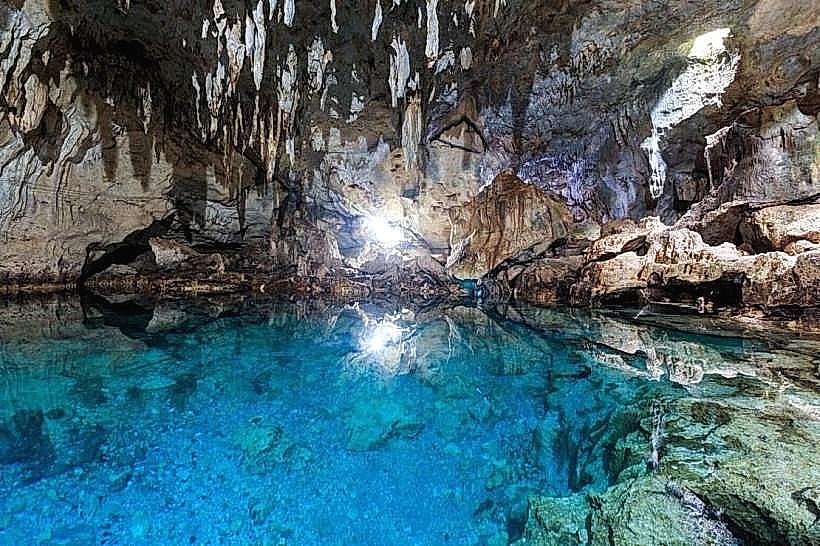
Hinagdanan Cave (Panglao): 10 km (20 minutes)
Facts & Legends
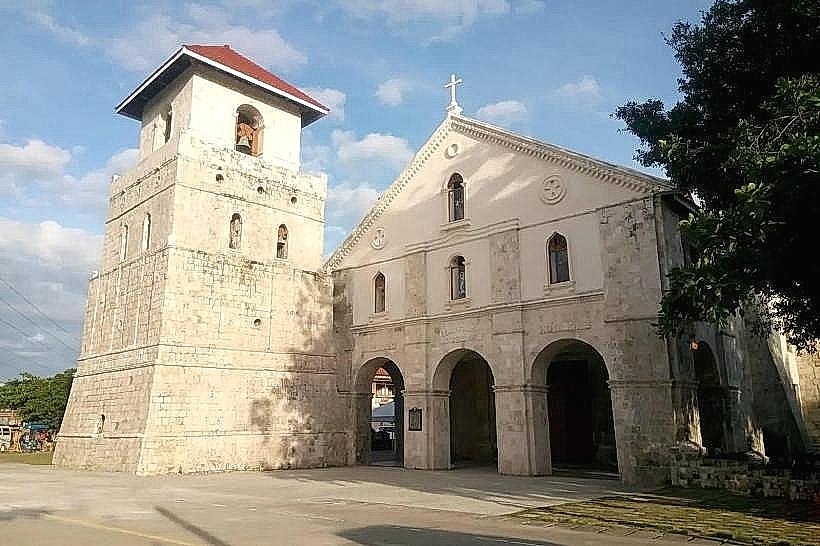
Tagbilaran is home to tricycles that must, by law, carry a religious message or Bible verse on the back. Local legend attributes the name to "Tagubilaan," meaning "to hide from the Bilaan (pirates)," while a verified historical fact is that the city’s National Museum was once the provincial capitol and survived the 2013 earthquake with minimal structural damage compared to the island's centuries-old stone churches.