Information
City: JolietCountry: USA Illinois
Continent: North America
Joliet, USA Illinois, North America
Joliet serves as a major transportation and industrial hub in the Chicago metropolitan area and is the county seat of Will County. It is situated on the Des Plaines River, approximately 50 km southwest of Chicago.
Historical Timeline
Joliet was founded in 1833 and incorporated as a city in 1852. Primary governance eras include the initial canal-building period (I&M Canal), the "City of Steel and Stone" industrial boom (late 19th century), and the late-20th-century transition toward a gaming and entertainment-based economy. The city's urban form was primarily defined by its limestone quarries and its location as a critical node on the Des Plaines River and the Rock Island Railroad. The 1990s introduction of riverboat casinos is the primary event that shaped its modern economic landscape.
Demographics & Population
The population within city limits is approximately 150,000. The top three ethnic demographics are White (41.5%), Hispanic or Latino (31.5%), and Black or African American (16.2%). The median age of the population is 33.8 years.
Urban Layout & Key Districts
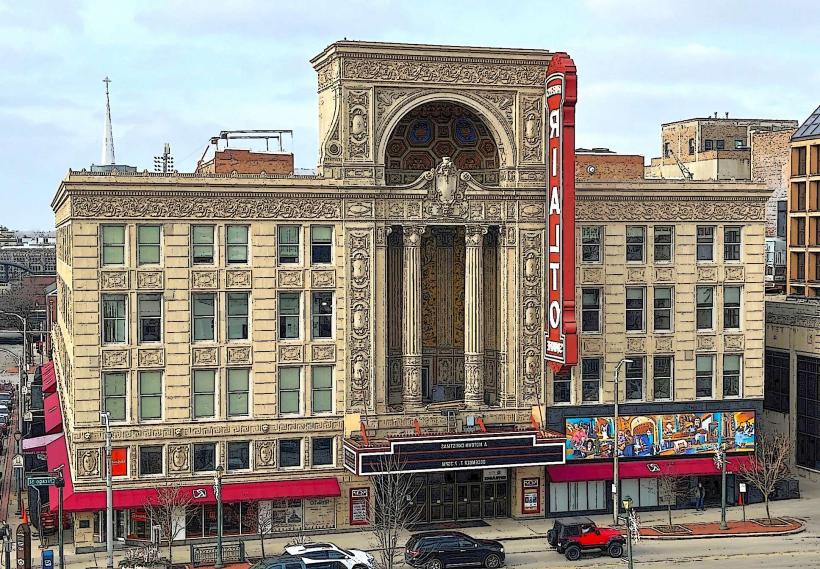
The city is bisected by the Des Plaines River and the Chicago Sanitary and Ship Canal. Downtown is the center for government, the historic Rialto Square Theatre, and riverboat casinos. The West Side serves as the primary commercial and retail corridor, centered around the Louis Joliet Mall. The East Side contains many of the city's oldest residential neighborhoods and industrial sites.
Top City Landmarks
Rialto Square Theatre
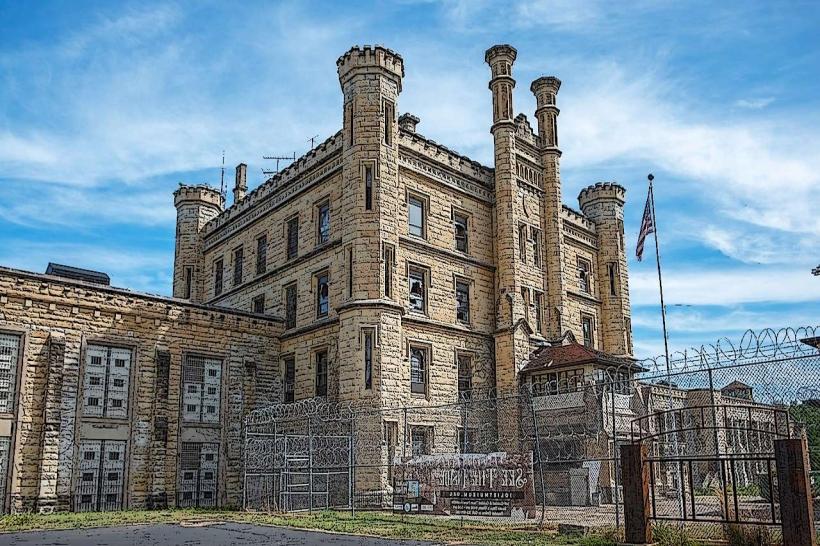
Old Joliet Prison (Historic Site)
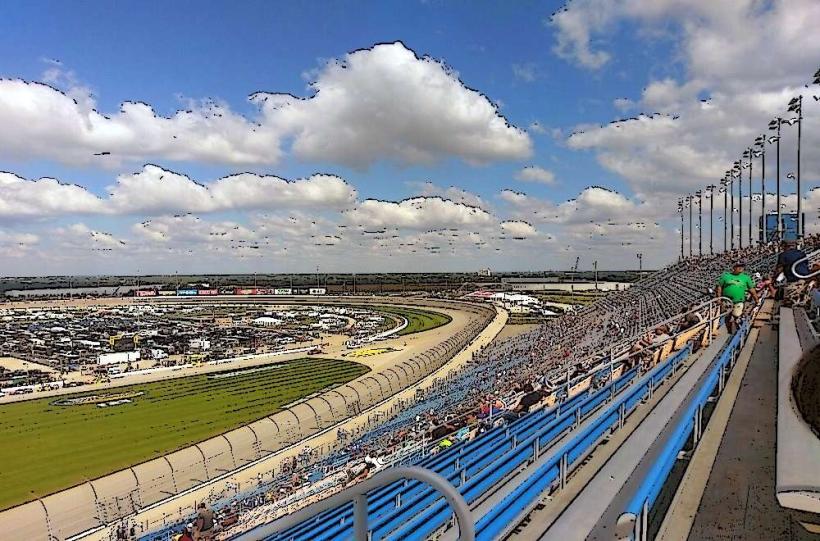
Chicagoland Speedway and Route 66 Raceway
Harrah's and Hollywood Casinos
Transportation Network
Movement within the city is serviced by the Pace bus system. Joliet Union Station provides Metra commuter rail service (Heritage Corridor and Rock Island District) to Chicago. Ride-sharing via Uber and Lyft is the primary motorized alternative. Traffic density is high on I-80 and I-55, which intersect just west of the city.
Safety & "Red Zones"
The general safety level is moderate. Caution is advised at night in specific areas of the East Side and neighborhoods immediately surrounding the downtown core, which experience higher rates of property and violent crime. Common scams are infrequent, usually involving unauthorized solicitors near the casinos or transit hubs.
Digital & Financial Infrastructure
Average internet speed is 225 Mbps with increasing fiber-optic availability. Main mobile carriers are Verizon, AT&T, and T-Mobile. Card acceptance is universal. ATMs are ubiquitous in bank branches and convenience stores like Speedway or 7-Eleven.
Climate & Air Quality
Temperatures range from -9°C to 0°C in winter and 18°C to 30°C in summer. Air quality is generally moderate, though particulate levels can increase near the heavy industrial zones and refineries in the southwest. Specific weather risks include river flooding and severe winter storms.
Culture & Social Norms
The standard tipping percentage is 18–20%. A handshake is the standard greeting. Dress codes are casual-utilitarian, reflecting the city’s working-class roots. Smoking is prohibited in all public indoor spaces.
Accommodation Zones
Near I-55 and US 30 (Louis Joliet Mall area): Recommended for proximity to shopping, national hotel chains, and the speedway.
Downtown: Recommended for immediate access to casinos and the Rialto Square Theatre.
Local Cost Index
1 Espresso: $4.25 (USD)
1 Standard Lunch: $17.00 (USD)
1 Metra Ticket (to Chicago): $6.75 (USD)
Nearby Day Trips
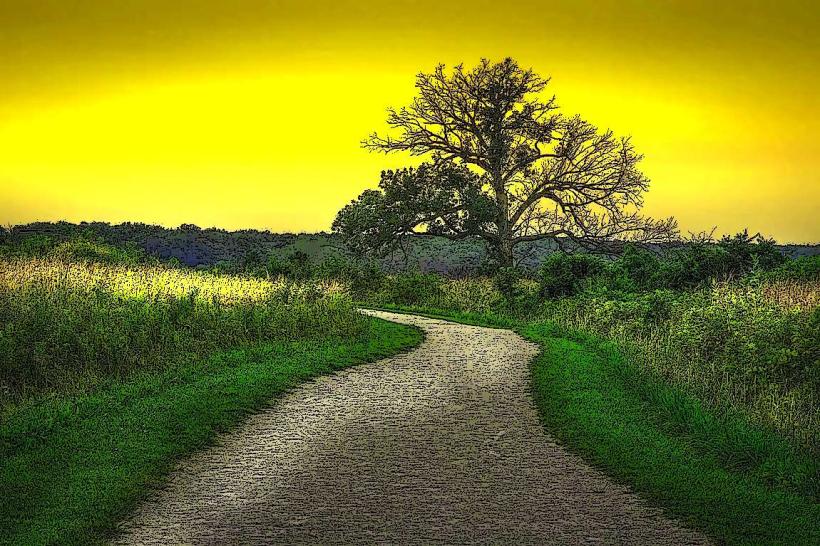
Midewin National Tallgrass Prairie (20 km)
Starved Rock State Park (85 km)
Chicago (50 km)
Abraham Lincoln National Cemetery (15 km)
Facts & Legends
Joliet is home to the Old Joliet Prison, which served as the filming location for the opening scenes of the 1980 film The Blues Brothers. Historically, the city was the only place in the world that produced "Joliet Limestone," a distinct dolomite used to build the Illinois State Capitol and the Chicago Water Tower. A local legend involves "Mount Joliet," a large earthen mound once located southwest of the city that early explorers believed was a man-made pyramid built by indigenous peoples; it was eventually mined away for its clay and gravel.