Information
City: Kailua KonaCountry: USA Hawaii
Continent: North America
Kailua Kona, USA Hawaii, North America
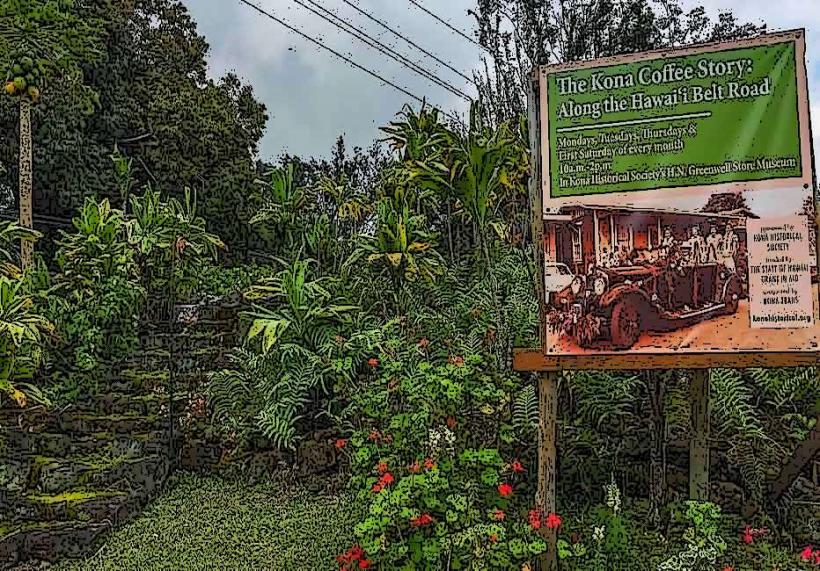
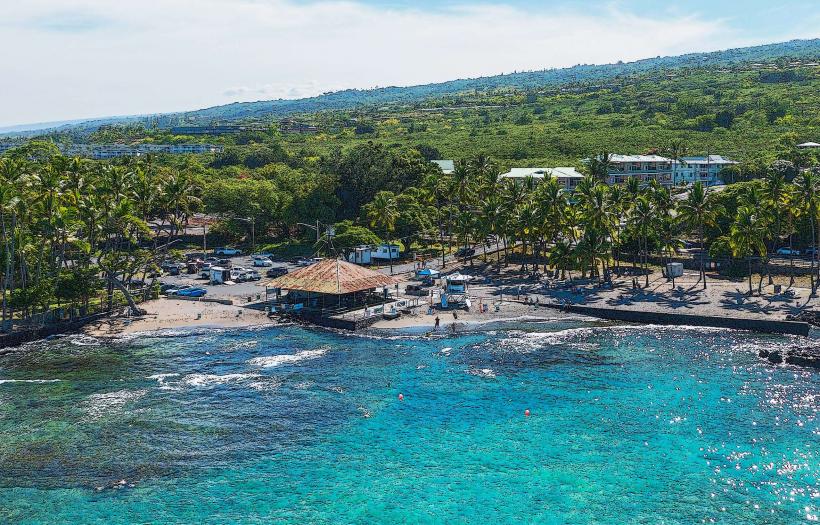
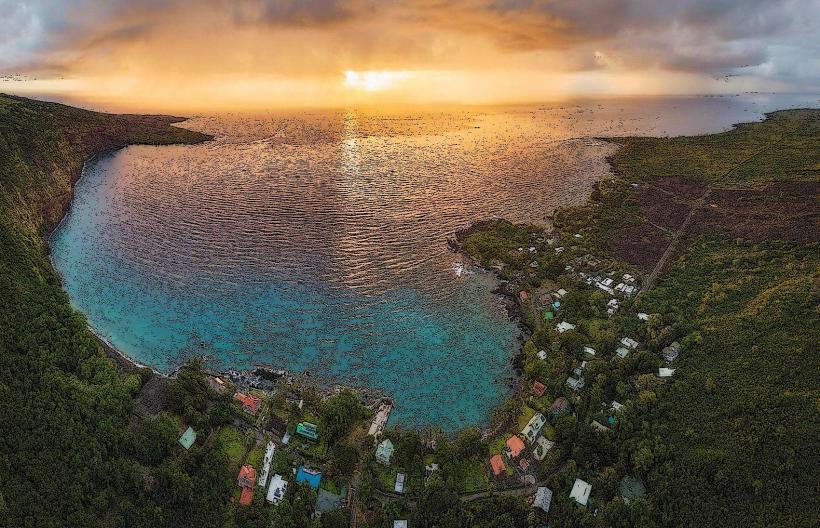
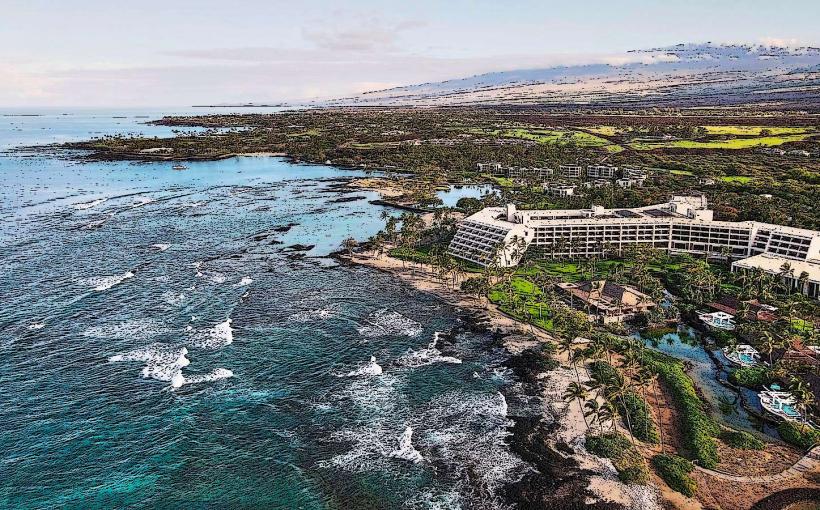
Kailua-Kona serves as the primary commercial and tourism hub for West Hawaiʻi, functioning as the center of the state’s coffee industry and a major trans-Pacific port for cruise ships. The city is located on the leeward coast of the Island of Hawaiʻi, built along the shoreline of Kailua Bay at the foot of the Hualālai volcano.
Historical Timeline
Kailua-Kona was established as the first capital of the unified Kingdom of Hawaiʻi by King Kamehameha I in 1812. The primary governance eras include the Hawaiian Monarchy (until 1893), the U.S. Territorial period (1900–1959), and modern statehood. The city underwent significant political reconstruction following the 1893 overthrow of the monarchy and the 1941 defense preparations during WWII. The defining event for the current urban form was the post-1960s tourism boom and the 1970 construction of the Keāhole Airport, which shifted the economy from a quiet fishing village to a global resort destination.
Demographics & Population
The census-designated place (CDP) of Kailua-Kona has a population of approximately 21,800, while the broader North Kona district exceeds 40,000. The primary ethnic demographics are White (41.4%), Asian (21.5%), and Two or More Races (24.1%), with Native Hawaiians and Pacific Islanders making up roughly 4.2%. The median age is 42.2 years.
Urban Layout & Key Districts
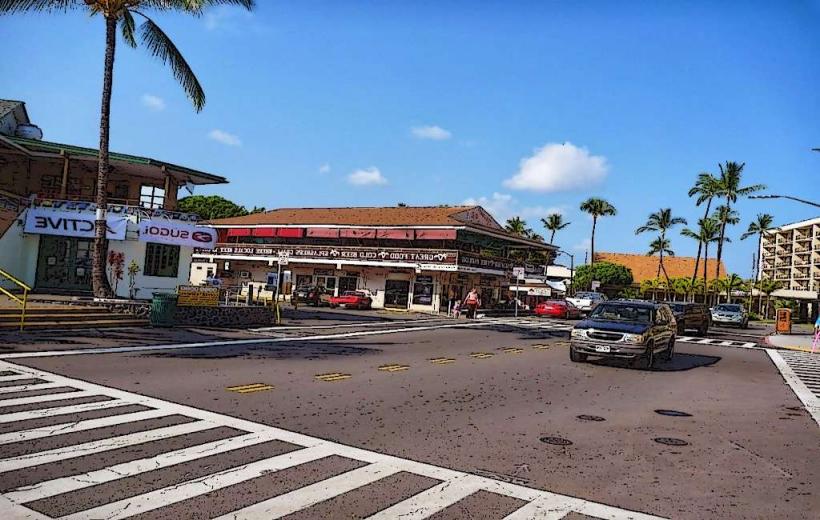
The city is organized along the Alii Drive coastal corridor and the upper Mamalahoa Highway. Kailua Village is the historic and commercial heart (Central). The Industrial Area (North) serves as the logistical and retail warehouse hub. Keauhou is the primary resort and residential district located 10 kilometers South of the center. Holualoa is the high-altitude "Coffee Belt" district situated directly East (uphill) from the village.
Top City Landmarks
Huliheʻe Palace (Former vacation home of Hawaiian royalty)
Mokuaikaua Church (The first Christian church in Hawaiʻi, built in 1820)
Ahuʻena Heiau (Restored personal temple of King Kamehameha I)
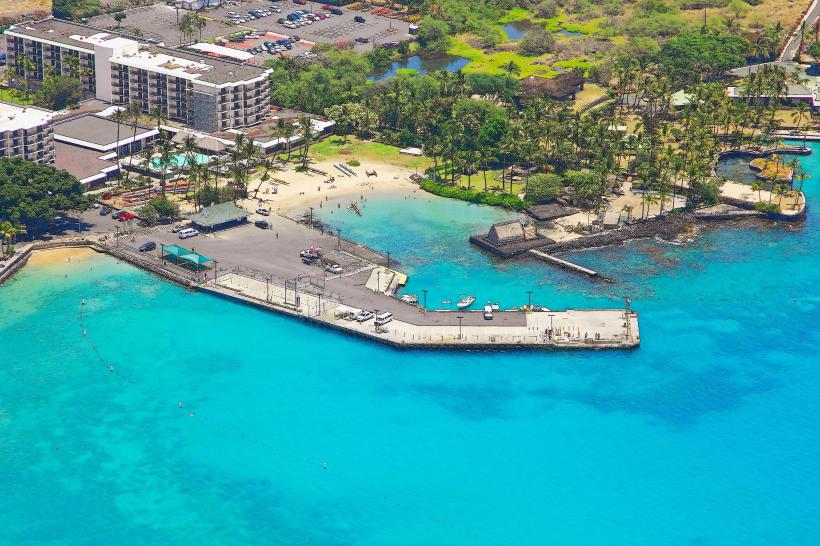
Kamakahonu (The king’s final residence and historic beach)
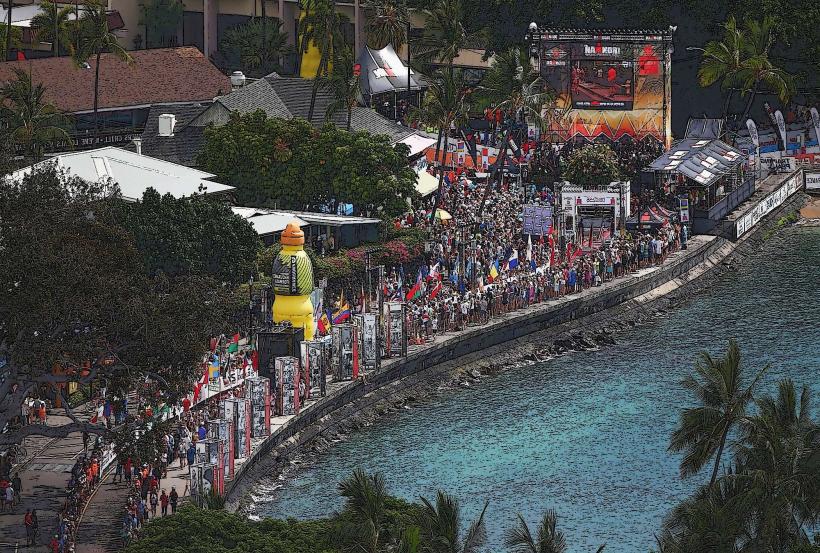
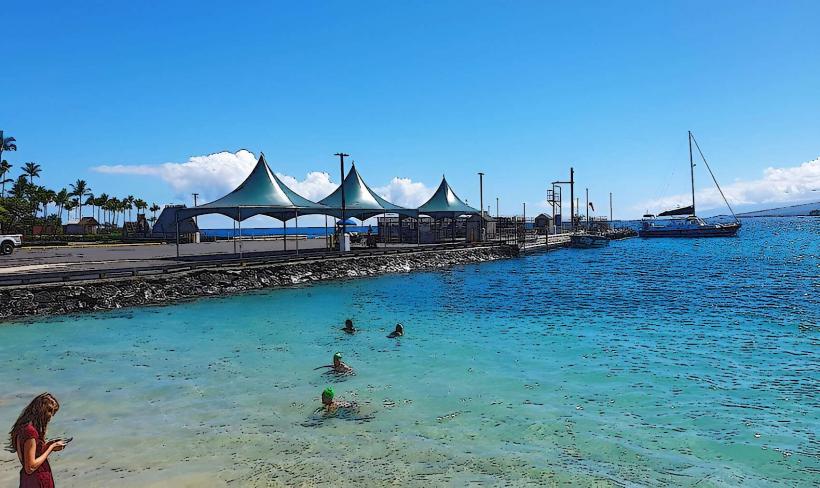
Kailua Pier (The starting point of the Ironman World Championship)
Transportation Network
Movement within the city relies on the Hele-On Bus system and the Kona Trolley, which traverses Alii Drive. There are no metro or tram systems. Ride-sharing via Uber and Lyft is widespread. Official taxis are typically white or silver and are dispatched primarily from the airport (KOA) or major hotels. Traffic density is high on Queen Kaʻahumanu Highway and Kuakini Highway, particularly during the afternoon "rush" when commuters move between the coastal resorts and residential hills.
Safety & "Red Zones"
Kailua-Kona is generally safe. Avoid poorly lit sections of Old Kona Airport Park and the Industrial Area late at night due to localized vagrancy and property crime. Common scams include "free" vacation presentations in exchange for discounted tours and unlicensed "street lei" sellers who demand aggressive donations after placing flowers on tourists.
Digital & Financial Infrastructure
Internet speeds average 200–400 Mbps. Main mobile carriers include Verizon, T-Mobile, and AT&T. Card acceptance is universal, and most vendors support contactless mobile payments. ATMs are widely available in shopping centers along Palani Road and inside supermarkets like KTA and Safeway.
Climate & Air Quality
Temperatures range from 21°C to 28°C in winter and 23°C to 32°C in summer. The primary air quality issue is Vog (volcanic smog) originating from Kīlauea, which can cause respiratory irritation during "Kona Winds" (southerly winds). Weather risks include seasonal high surf and localized flash flooding in the mauka (mountain) regions during winter.
Culture & Social Norms
The standard tipping rate is 18–22%. Greetings often involve a handshake or a "Shaka" gesture; locals may also use a hug or a kiss on the cheek. Shoes must be removed before entering any private home. Dress is "Kona Casual"-shorts and shirts are acceptable everywhere except in formal dining or religious services. Public smoking and alcohol consumption are prohibited on all state and county beaches.
Accommodation Zones
Kailua Village: Stay here for walking access to dining, historical sites, and the pier.
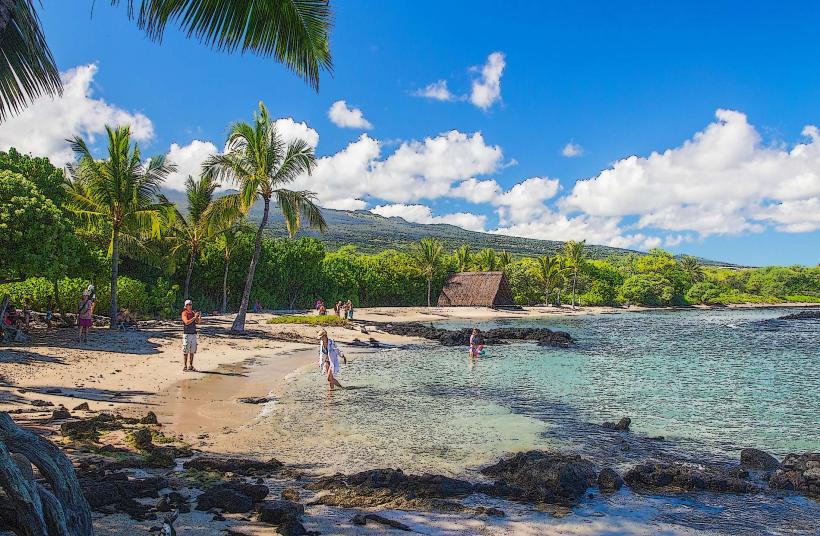
Keauhou: Stay here for a quieter resort experience with access to snorkeling and golfing, located 15 minutes south.
Local Cost Index
1 Espresso (Kona Coffee): $7.50 (1,065 HTG)
1 Standard Lunch (Poke Bowl): $22.00 (3,125 HTG)
1 Hele-On Bus Ticket: $2.00 (285 HTG)
Nearby Day Trips
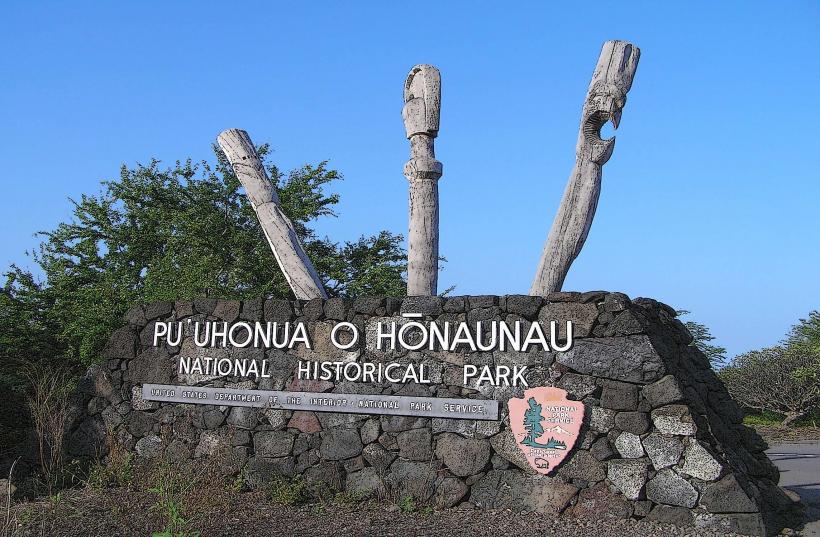
Puʻuhonua o Hōnaunau: 35 km (45 minutes), the historic City of Refuge.
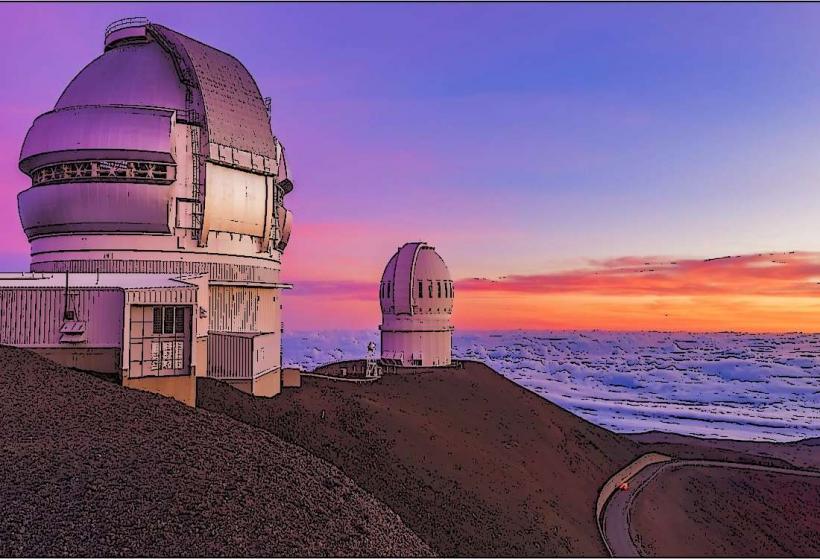
Mauna Kea Summit: 115 km (1.5 hours), world-class stargazing and observatory site.
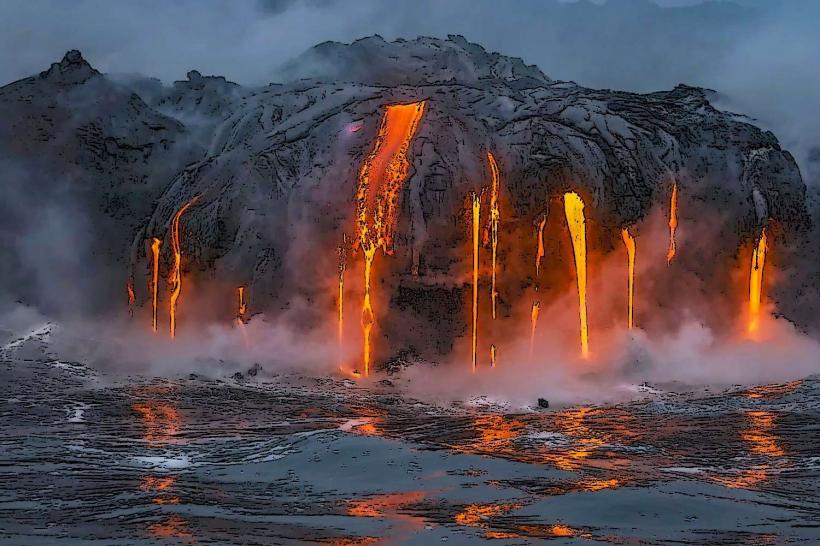
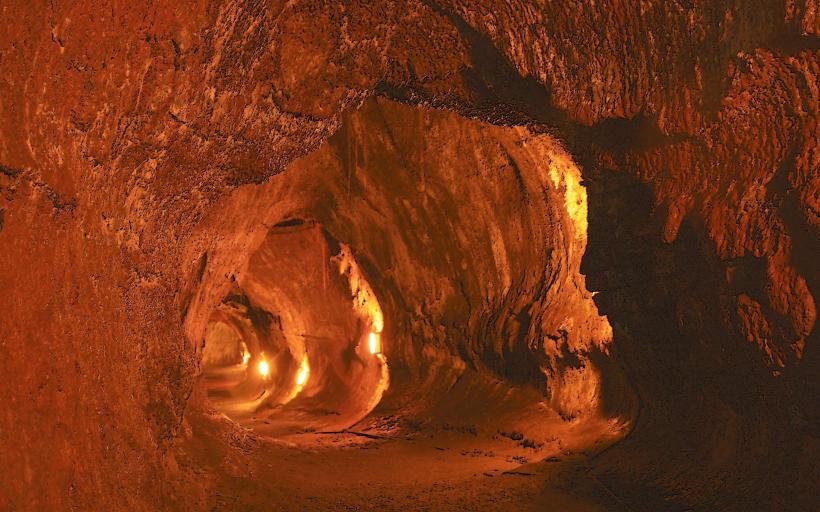
Hawaiʻi Volcanoes National Park: 155 km (2.5 hours), active volcanic craters and lava tubes.
Facts & Legends
Kailua-Kona is a reported site for the "Night Marchers" (Huakaʻi Pō), the spirits of ancient warriors who march along traditional paths toward the sea. A specific local legend involves the "Choking Ghost" of the Kona Inn, said to be a spirit from the steamship era that targets those who disrespect the history of the harbor. Local superstition dictates that anyone who takes a lava rock from the Kona coast will be cursed by the goddess Pele until the rock is returned by mail.