Information
City: KastoriaCountry: Greece
Continent: Europe
Kastoria, Greece, Europe
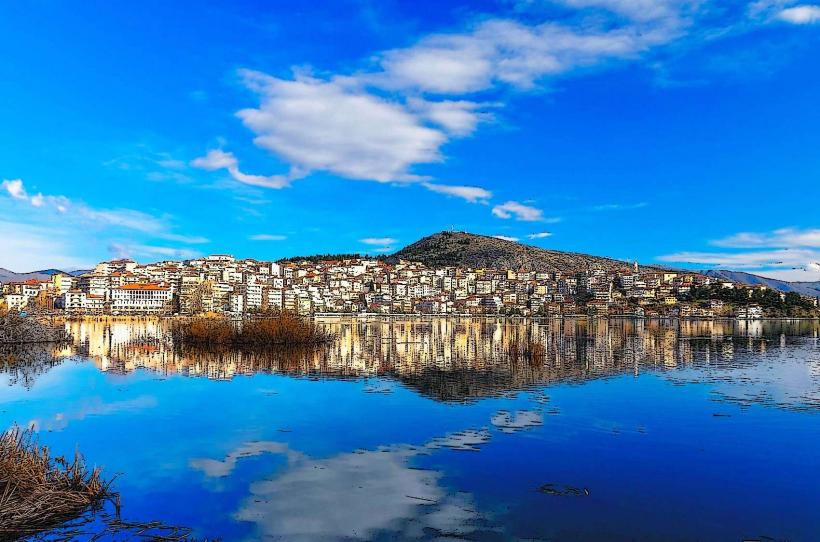
Kastoria is a city in northwestern Greece, located in the region of West Macedonia. It is built on a narrow peninsula that juts into Lake Orestiada, surrounded by the Vitsi and Grammos mountains. The city is internationally recognized for its historic Byzantine architecture and its long-standing tradition as a global center for fur trade and craftsmanship.
Historical Timeline
Byzantine Era: Flourished as a strategic and ecclesiastical stronghold. The city contains over 70 Byzantine and post-Byzantine churches dating from the 9th to the 19th centuries.
Ottoman Period: Maintained significant economic autonomy due to the fur trade. Wealthy merchants built grand "Archontika" (mansions) that define the city's aesthetic.
Modern Era: Played a central role in the Greek Struggle for Macedonia (1904–1908). It was liberated from Ottoman rule in 1912.
Urban Layout & Districts
Doltso: The most historic neighborhood, located on the southern side of the peninsula. It features cobblestone streets and the highest concentration of traditional 18th-century mansions.
Apozari: The northern historic district, mirroring Doltso with a wealth of Byzantine churches and neoclassical architecture.
The Lakefront (Gyrolimni): A scenic 7-km road circles the peninsula, popular for walking and cycling under the shade of ancient plane trees.
The Modern Center: Houses the commercial district, administrative buildings, and the fur exhibition centers.
Top Landmarks
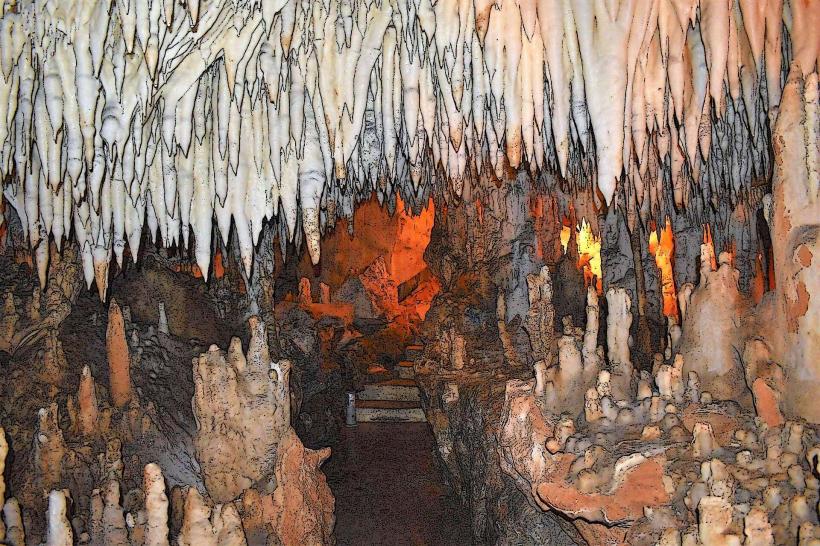
Dragon’s Cave (Spilia tou Drakou): A lakeside cave featuring seven underground lakes and ten chambers with impressive stalactite and stalagmite formations.
Panagia Koumbelidiki: A 9th-century Byzantine church and the symbol of the city, notable for its unique high dome and exterior frescoes.
Taxiarches of the Metropolis: A 10th-century church containing some of the oldest and best-preserved frescoes in the region.
Dispilio Lakeside Settlement: Located 7 km from the city; a reconstructed Neolithic pile-dwelling settlement (c. 5000 BC) on the shores of the lake.
Mansion of Emmanuel: A prime example of local architecture, now serving as the Costume Museum.
Transportation & Infrastructure (2026)
Air: Kastoria National Airport "Aristotelis" (KSO) is located in Argos Orestiko, 15 km from the city, with regular connections to Athens.
Road: Accessible via the Egnatia Odos motorway. The completion of the vertical axis to the Albanian border in late 2025 has enhanced regional connectivity.
Local Transit: Small lake boats operate as seasonal water taxis connecting the waterfront to the Dispilio settlement.
Digital: Kastoria is part of the "Smart Cities" initiative in Greece, featuring 5G-integrated environmental monitoring for Lake Orestiada's water quality.
Safety & Environment
Lake Ecosystem: Lake Orestiada is a NATURA 2000 protected area. It frequently freezes in winter, creating a unique microclimate.
Wildlife: The area is home to a significant population of pelicans, swans, and freshwater otters.
Safety: Very high safety rating with negligible violent crime.
Economy & Gastronomy
Fur Industry: Despite shifting global markets, Kastoria remains a primary hub for fur processing and trade, hosting a major international fur fair annually.
Giahnista: A local culinary specialty consisting of sun-dried peppers.
Apples & Beans: The region is famous for its "Kastoria Apples" (PDO) and high-quality "Gigantes" (giant beans).
Local Cost Index (2026)
1 Espresso (Freddo): €3.00–€4.00
1 Standard Lunch: €18.00–€28.00
1 Entry to Dragon's Cave: €6.00
1 Night in a Restored Mansion (Guesthouse): €85.00–€130.00
Facts & Legends
Legend says the Dragon's Cave was guarded by a dragon that protected a gold mine; the dragon was slain by the city's first king, Castor. A verified historical fact: The Dispilio Tablet, found at the nearby lakeside settlement, contains a series of inscribed signs dating back to 5260 BC, sparking intense academic debate regarding the origins of writing.