Information
City: KingstownCountry: Saint Vincent and the Grenadines
Continent: North America
Kingstown, Saint Vincent and the Grenadines, North America
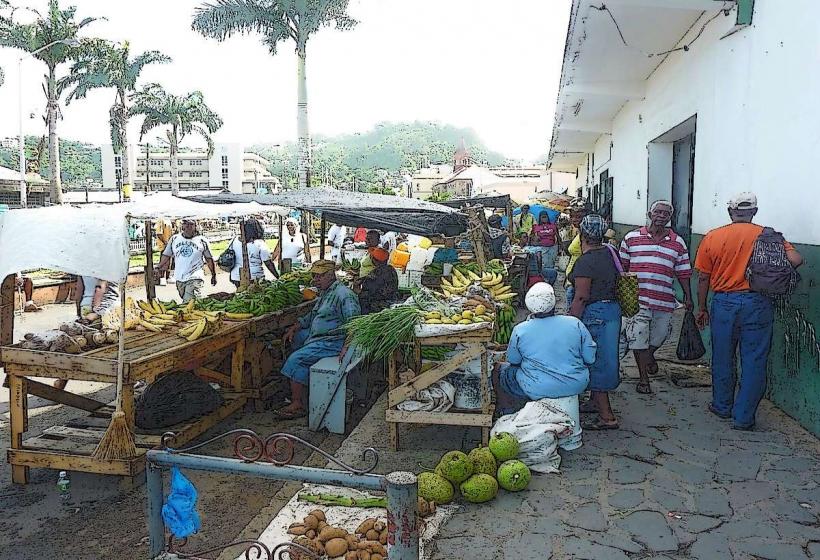
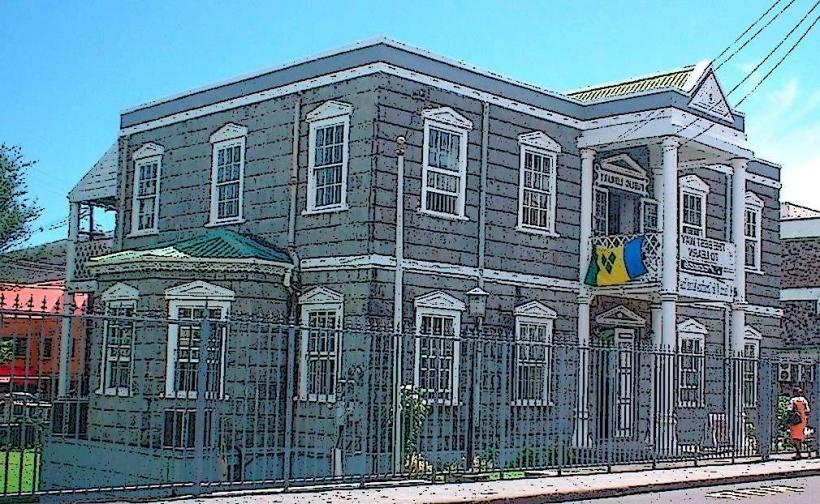
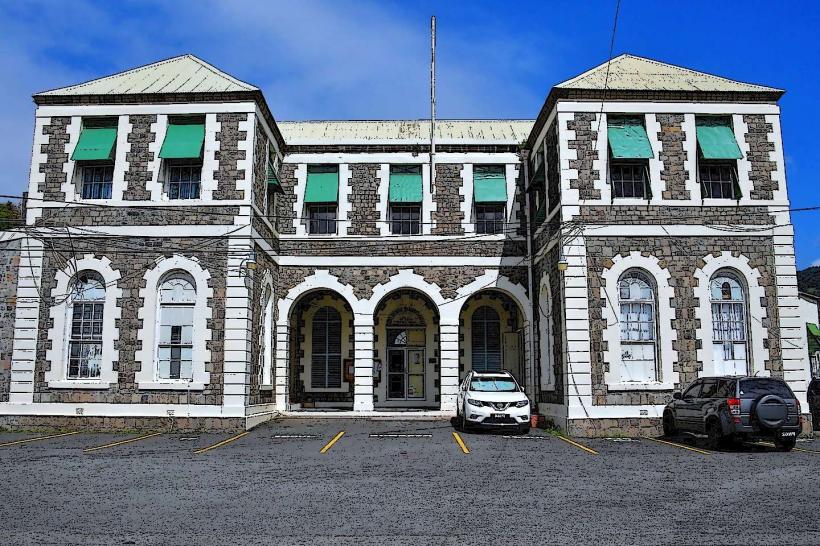
Kingstown is the capital and primary commercial hub of Saint Vincent and the Grenadines, located on the southwestern coast of Saint Vincent island. Known as the "City of Arches" for its distinctive colonial architecture, it functions as the nation's political center and the main port of entry for international trade and inter-island travel.
Historical Timeline
Founded by French settlers shortly after 1722, Kingstown’s early development was tied to the sugar industry and maritime trade. Following the Treaty of Paris (1763), the island was ceded to Britain. The city was a focal point of the Carib Wars, where the indigenous Kalinago (led by Chief Joseph Chatoyer) resisted European expansion. In 1793, Captain William Bligh famously arrived at the Kingstown harbor to plant the first breadfruit trees in the Western Hemisphere. The nation achieved full independence from British rule on October 27, 1979, with Kingstown remaining the capital.
Demographics & Population
The 2026 metropolitan population is approximately 25,000, while the urban core holds roughly 13,000 residents. The demographic is primarily of African descent, with significant minorities of Mixed, East Indian, Portuguese, and Kalinago heritage. It is the most densely populated area in the country, concentrating the majority of the nation's service and administrative workforce.
Urban Layout & Key Districts
The Waterfront (Bay Street): The economic artery of the city, lined with shipping offices, banks, and the central ferry terminal.
Middle Street & Back Street (Halifax St): Commercial corridors known for their stone arches, retail shops, and historical landmarks.
Paul's Lot: A historic residential and commercial district near the city center.
Dorsetshire Hill: An elevated residential area to the east, offering expansive views of the harbor; it was a strategic site during the Second Carib War.
Arnos Vale: Located just southeast; the site of the former E.T. Joshua Airport, currently being redeveloped into a "Modern City" administrative and commercial extension of Kingstown.
Top Landmarks
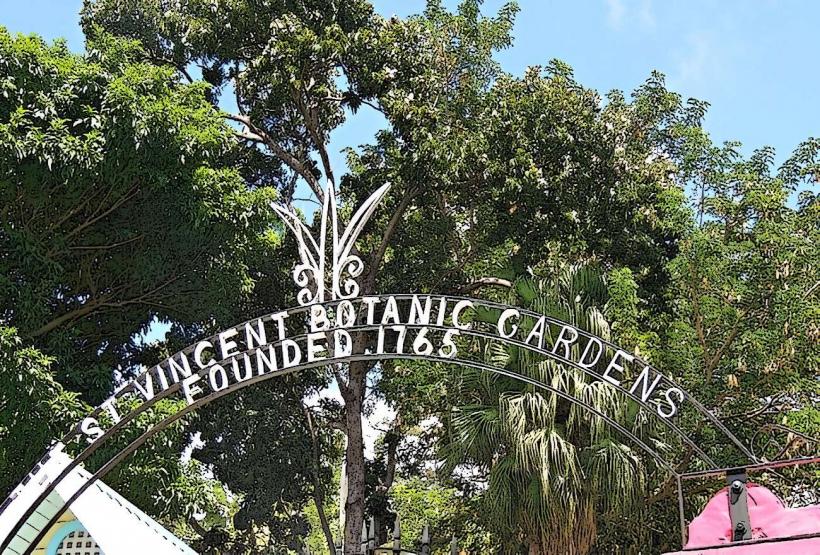
St. Vincent Botanic Gardens: Established in 1765, these are the oldest botanical gardens in the Western Hemisphere. They house a descendant of the original breadfruit tree brought by Captain Bligh and the endangered St. Vincent Parrot (Amazona guildingii).
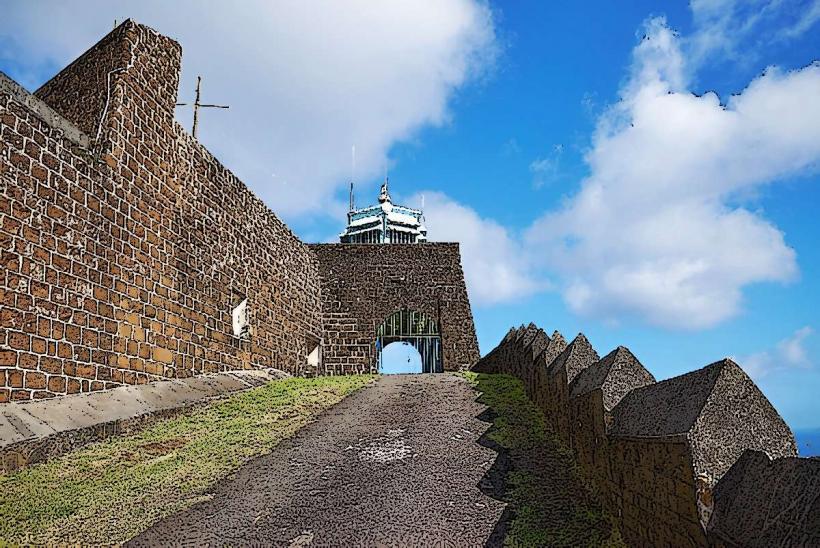
Fort Charlotte: A 19th-century British fort situated 600 feet above the harbor on Berkshire Hill. Notably, most of its cannons are pointed inland-a historical precaution against the Kalinago and French forces rather than a seaborne invasion.
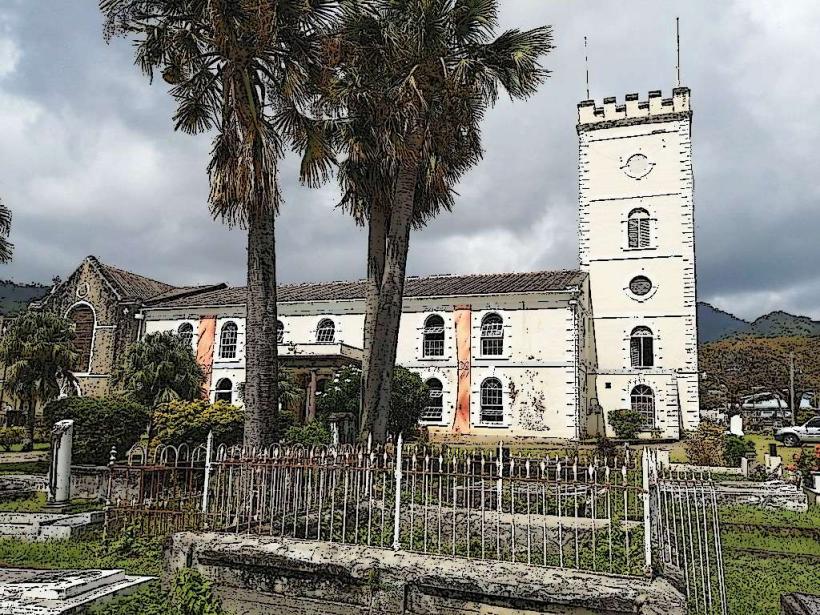
St. George’s Anglican Cathedral: A Georgian-style cathedral completed in 1820, known for its stained-glass windows and elaborate memorial tablets.
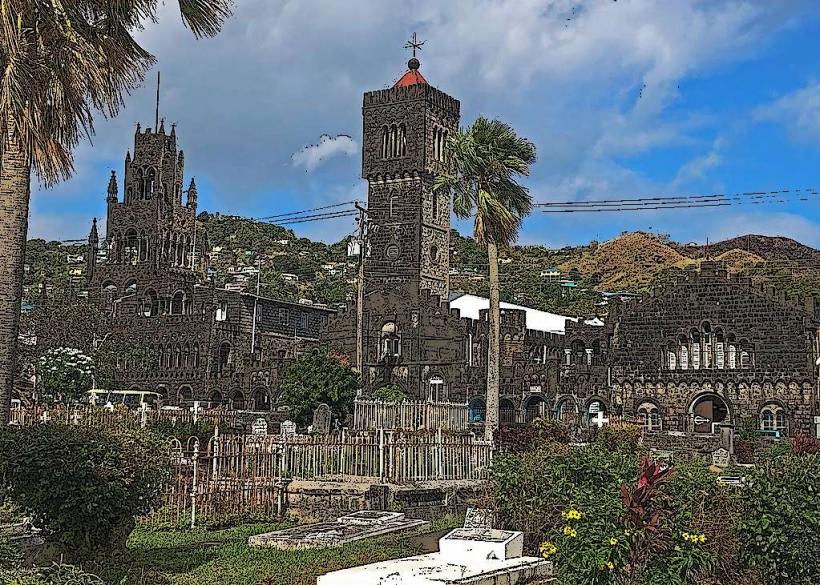
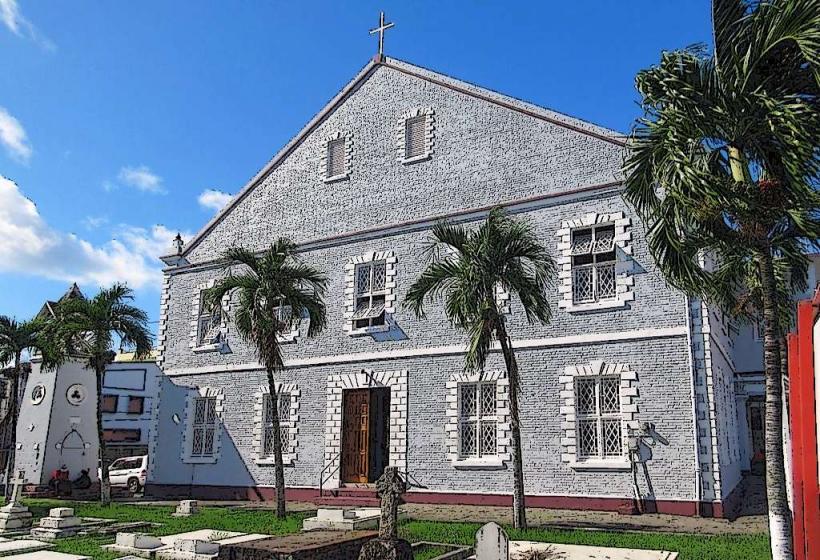
St. Mary’s Catholic Cathedral: An architectural anomaly featuring a mix of Romanesque, Gothic, and Moorish styles, largely reconstructed in the 1930s.
Kingstown Fish Market: A modern facility funded by Japanese aid, serving as the central hub for the local fishing industry.
Transportation Network
Air: Served by Argyle International Airport (SVD), located 45 minutes east of the city. It replaced the smaller Arnos Vale facility in 2017 to accommodate long-haul international flights.
Sea: The Kingstown Ferry Terminal is the primary departure point for daily fast ferries (e.g., Bequia Express, Admiralty Transport) connecting the capital to the Grenadine islands, including Bequia, Mustique, and Union Island.
Road: The Leeward Highway runs north from Kingstown along the west coast, while the Windward Highway heads east and north along the Atlantic coast.
Local: Relies heavily on Public Vans (Minibuses), identifiable by "H" license plates. These are fast-moving, brightly decorated, and often feature loud music.
Digital & Financial Infrastructure
4G and 5G connectivity are robust throughout the capital. The official currency is the Eastern Caribbean Dollar (XCD), which is pegged to the US Dollar at a rate of $2.70 XCD to $1 USD. Kingstown is the center for the nation's banking sector, with major institutions like the Bank of St. Vincent and the Grenadines (BOSVG) and Republic Bank located on Halifax Street.
2026 Strategic Projects
Port Modernization Project: A $170 million USD initiative currently reshaping the Kingstown waterfront. It involves the reclamation of 6.5 hectares of land to build a new, climate-resilient primary cargo port, separating commercial shipping from the passenger ferry and cruise terminal.
Urban Resilience: Following the 2021 eruption of La Soufrière, infrastructure in Kingstown is being upgraded with a focus on volcanic ash management and flash-flood drainage systems.
Climate & Ecology
Tropical marine climate.
Weather: Consistent temperatures between 24°C and 30°C. The rainy season (June–November) coincides with the Atlantic hurricane season.
Topography: The city is built on a narrow coastal strip and is tightly hemmed in by steep volcanic hills, which limits urban expansion and contributes to significant traffic congestion during peak hours.
Local Cost Index (XCD)
1 Minibus ride within Kingstown: $1.50–$3.00 XCD
1 Ferry to Bequia (One-way): $25–$30 XCD
1 Local "Roti" lunch: $15–$25 XCD
Facts & Legends
Legend says that the tunnels beneath Fort Charlotte were once used by pirates to smuggle rum and gold directly from the harbor to the hilltop. A geographic fact: Kingstown is one of the few capitals in the world situated in a "bowl" created by an ancient volcanic crater wall. Historically, the city’s nickname, "City of Arches," refers to the stone walkways built during the British era to provide shade and shelter from tropical downpours.