Information
City: Koh KongCountry: Cambodia
Continent: Asia
Koh Kong, Cambodia, Asia
Koh Kong, Cambodia’s southwestern frontier province, is the nation's premier eco-tourism hub and a strategic industrial zone. As of January 21, 2026, the province is characterized by a "dual identity": it remains a sanctuary for Southeast Asia’s largest remaining rainforest while undergoing rapid infrastructure development, including the inauguration of a new international airport and massive port projects.
Current Conflict & Security (January 21, 2026)
Frontline Instability: Koh Kong is currently part of the broader border conflict between Cambodia and Thailand. On December 19–20, 2025, the Thai military reportedly launched approximately 20 artillery shells near the Cham Yeam border checkpoint in Mondul Seima district.
Travel Warning: Major international advisories (FCDO, Smartraveller) currently advise against all travel to areas within 50 kilometers of the Thai border in Koh Kong due to military strikes, landmines, and unpredictable violence.
Border Status: The Cham Yeam–Hat Lek international land border crossing remains closed to regular travelers as of late January 2026.
History & Development
Colonial & Thai Influence: Historically contested, the area was part of Siam (as Patchan Khiri Khet) until 1904 when it was ceded to French Indochina.
The "LYP" Era: Much of the modern province was developed by the LYP Group, including the Koh Kong Bridge (1,900m), which was once the longest in Cambodia.
Dara Sakor Mega-Project: A 45,000-hectare development project involving a deep-water port, casinos, and a new international airport.
Top Landmarks & Attractions
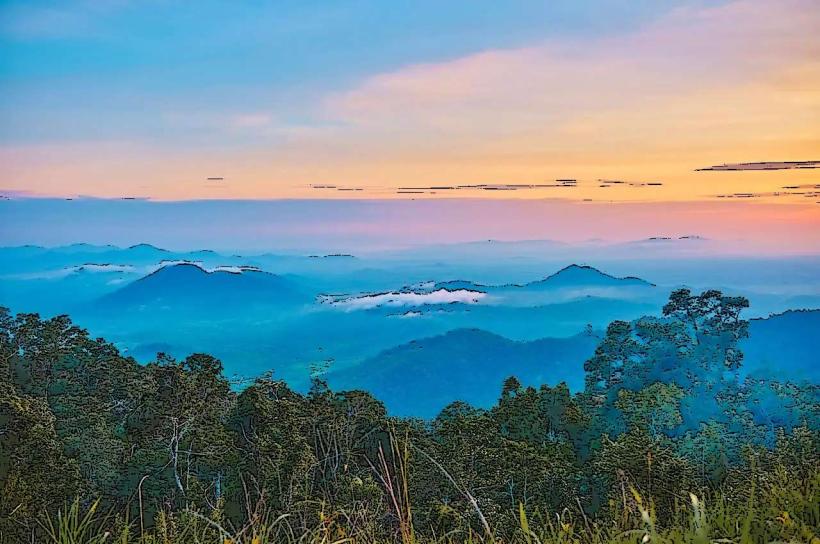
Cardamom Mountains: Covering 20% of Cambodia’s land area, this range is a global biodiversity hotspot and the site of intensive jungle trekking and conservation tourism.
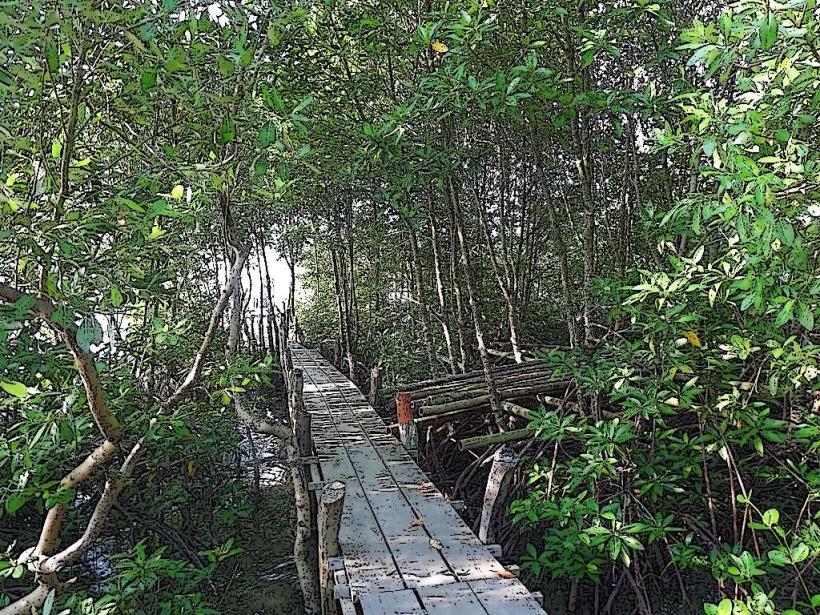
Peam Krasop Wildlife Sanctuary: Home to one of the largest mangrove ecosystems in Southeast Asia. It features a 1km raised walkway for exploring the complex root systems.
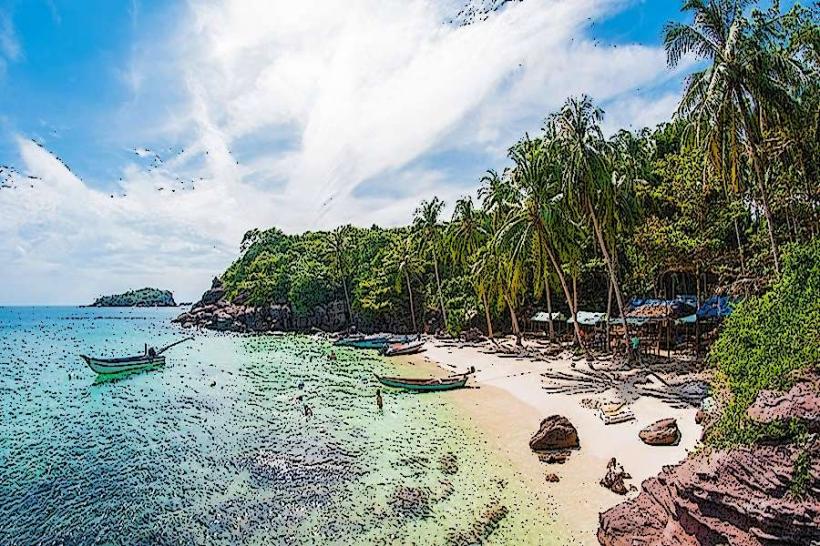
Koh Kong Island (Koh Kong Krau): The largest island in Cambodia (22km long). It is famous for its 10+ waterfalls that drop directly into the sea and its pristine, uninhabited beaches.
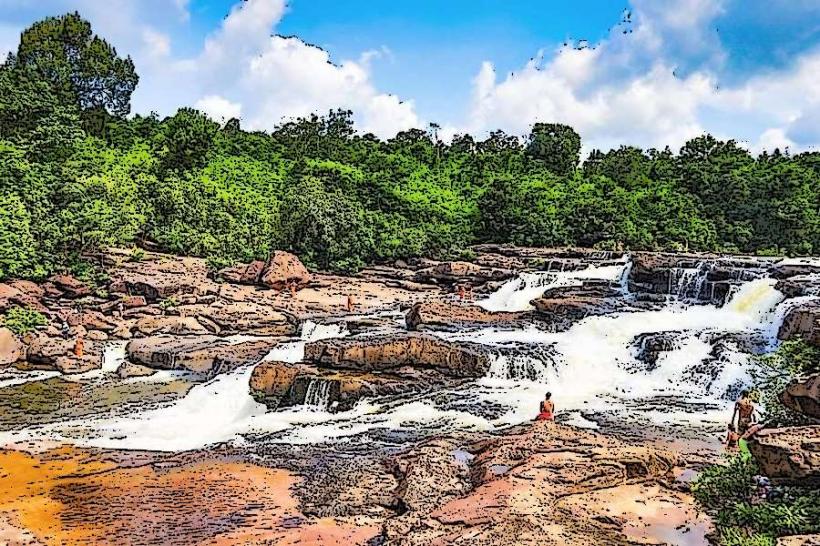
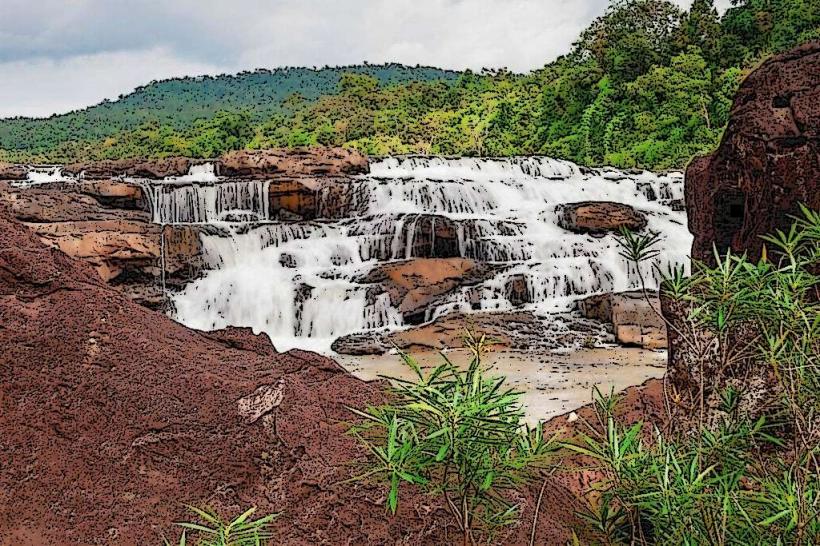
Tatai Waterfall: A massive semi-natural rock waterfall on the Tatai River, accessible by boat and surrounded by high-end eco-lodges.
Chi Phat: A world-renowned community-based eco-tourism (CBET) site where former hunters and loggers now serve as guides for jungle treks and mountain biking.
Transportation & Infrastructure (2026)
Dara Sakor International Airport: Having commenced domestic test flights in late 2024, the airport is transitioning into full international service in 2026 to support the Dara Sakor resort complex.
National Road 48: The primary lifeline connecting the province to Phnom Penh via NR4. Ongoing upgrades are aimed at reducing travel time and improving safety on the winding mountain passes.
Hydropower: Koh Kong is a vital energy source for the country, housing multiple major dams (e.g., Stung Tatai and Stung Russei Chrum) that provide a significant portion of Cambodia's electricity.
Current Status (January 21, 2026)
Weather: Sunny and clear. Today's high is 31°C (88°F) with a low of 23°C (73°F).
Air Quality: The AQI is Good (35), benefiting from the dense forest cover and coastal breezes.
Security Level: High Caution. While the provincial capital (Khemarak Phoumin) is relatively stable, the northern and western districts near the border are restricted military zones.
Local Cost Index (USD)
Boat Trip to Koh Kong Island: $20.00 – $30.00
Eco-Lodge (Riverside): $45.00 – $150.00
Mangrove Walkway Entry: $1.25 (5,000 Riel)
Fresh Sea Crab (1kg): $12.00 – $18.00
Facts & Legends
A verified historical oddity: For decades after the Khmer Rouge era, Koh Kong was so isolated from the rest of Cambodia that the Thai Baht was the primary currency used in daily trade, a practice that only fully faded in the late 2010s. A local legend at Khun Chhang Khun Phen (a stupa on a rock in the sea) tells of a tragic love triangle between a beautiful woman and two men; it is said that the stupa was built to honor the site where one of the lovers was executed, and local sailors still make offerings there for safe passage through the Gulf of Thailand.