Information
City: LabasaCountry: Fiji
Continent: Australia
Labasa, Fiji, Australia
Labasa serves as the administrative and commercial capital of Vanua Levu and is the industrial hub for Fiji’s northern sugar sector. It is situated on the banks of the Labasa River in the Macuata Province, surrounded by an extensive volcanic basin and sugarcane plains.
Historical Timeline
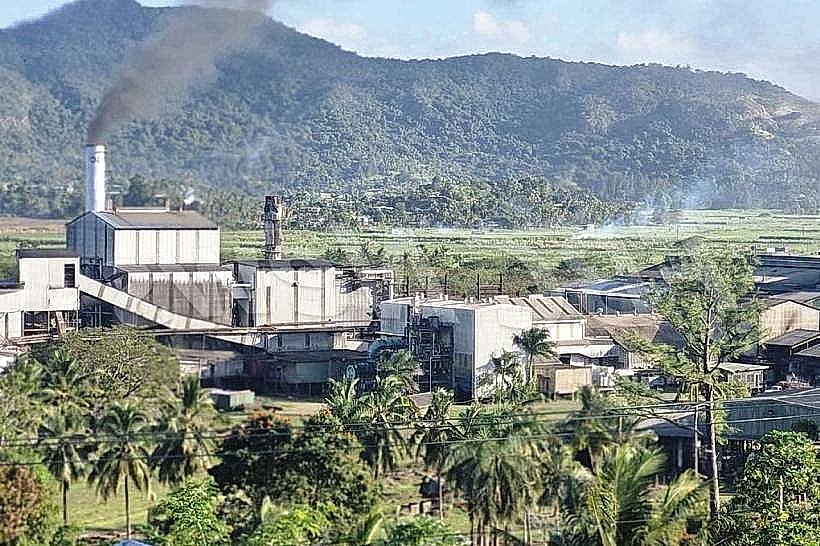
Labasa was established as a township in 1939, developing primarily as a logistical support center for the Labasa Sugar Mill, which was commissioned by the Colonial Sugar Refining (CSR) Company in 1894. The city underwent significant expansion during the post-war era as the Indo-Fijian population consolidated around the agricultural industry. The primary event shaping the current urban form was the 1920s construction of the narrow-gauge railway system, which continues to dictate the layout of the town’s main street and industrial corridors.
Demographics & Population
The total population within the town limits is approximately 28,000. The demographics are predominantly Indo-Fijian (approximately 65%), followed by iTaukei (Indigenous Fijian) at 32%, with small minorities of Chinese and European residents. The median age is approximately 28.6 years.
Urban Layout & Key Districts
The city is organized linearly along the Labasa River and the main thoroughfare, Nasekula Road. The Central Business District (CBD) contains the market, bus station, and retail core. The industrial district, dominated by the FSC Sugar Mill, is located to the north. Nasekula Village, the traditional seat of the Tui Macuata, is located on the eastern periphery. The residential zones of Naseakula and Delailabasa are positioned on the elevated ground to the south.
Top City Landmarks
Labasa Sugar Mill: The largest industrial facility in the Northern Division, operational since the late 19th century.
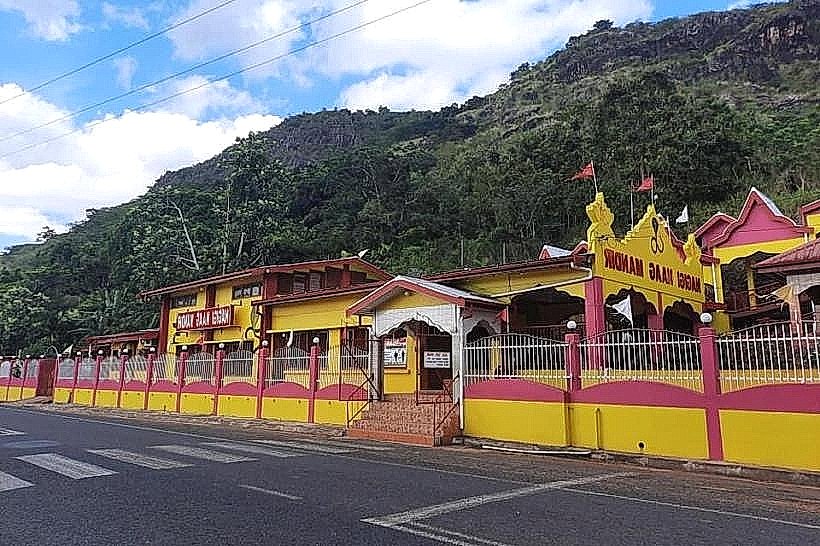
Naag Mandir (Snake Temple): A Hindu temple housing a sacred growing cobra-shaped rock.
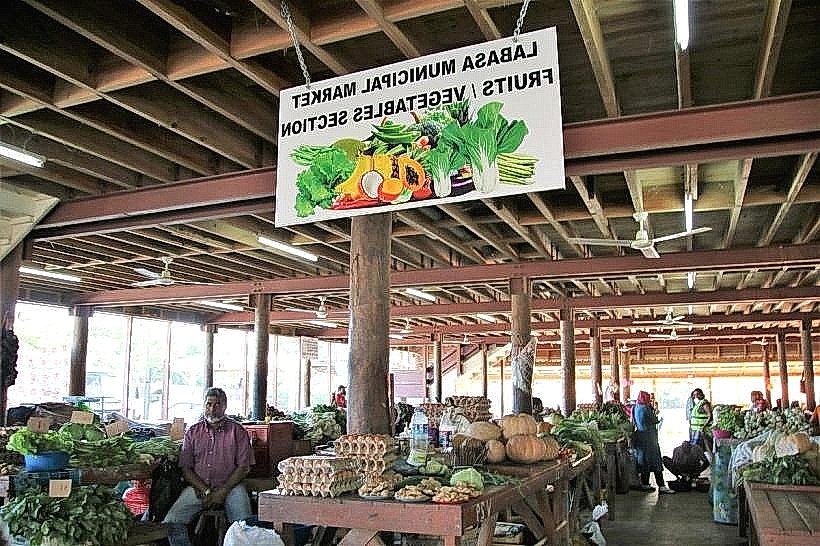
Labasa Market: The primary trade hub for northern agricultural products and kava.
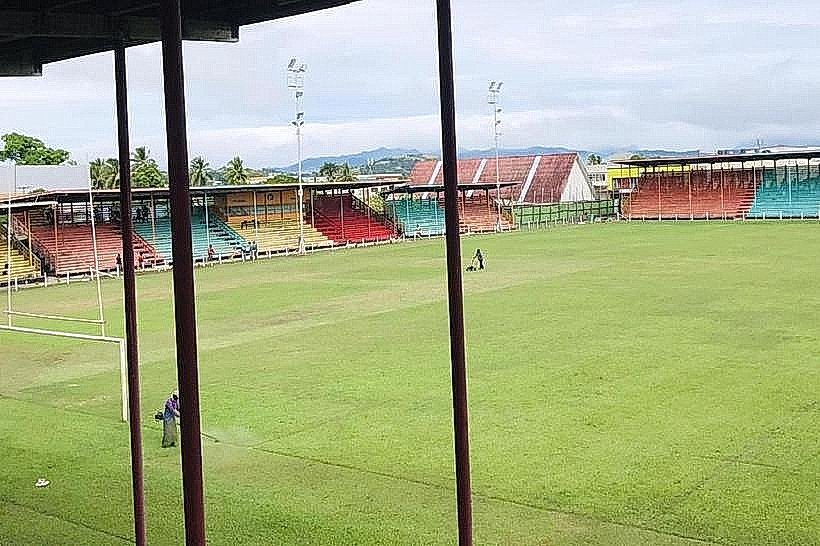
Subrail Park: The city's main sports stadium and venue for the annual Festival of the Friendly North.
Three Sisters Mountains: A prominent mountain range providing the geographic backdrop to the Labasa basin.
Transportation Network
Movement within Labasa is facilitated by an extensive fleet of white metered taxis, which are the primary mode of transit for the urban population. There is no metro; local buses operate from the central terminal, servicing the greater Macuata area. A narrow-gauge railway carries sugarcane through the center of town during the crushing season (June–December). Traffic density is high on Nasekula Road during Saturday market hours and weekday afternoons.
Safety & "Red Zones"
The general safety level is high. Risks are limited to petty theft in crowded commercial areas. There are no specific "red zones," though the Labasa Bridge area and bus station should be avoided late at night due to poor lighting. Standard precautions against "bag snatching" are advised in the market.
Digital & Financial Infrastructure
Internet speeds average 15–25 Mbps. Vodafone and Digicel provide reliable 4G coverage within the town limits, but signal strength drops in the surrounding cane fields. Card acceptance is moderate in large supermarkets but low in small retail outlets. ATMs (BSP, ANZ, Westpac) are clustered in the CBD.
Climate & Air Quality
Labasa has a tropical savanna climate, making it significantly hotter and drier than Savusavu. Daytime temperatures range from 28°C in July to 33°C in February. Air quality is generally high, though seasonal smog and ash ("black snow") occur during the sugar crushing season when cane fields are burned. The primary weather risk is severe river flooding during the monsoon season (December–March).
Culture & Social Norms
Tipping is not traditional. The city is known as the "Friendly North," with a social culture heavily influenced by both iTaukei and Indo-Fijian traditions. Modest dress is required in Nasekula Village and at the Naag Mandir. It is customary to remove shoes before entering any place of worship or private residence.
Accommodation Zones
Labasa CBD: Recommended for logistical access to the airport and transport links.
Naseakula Road: Recommended for proximity to dining and the primary commercial district.
Local Cost Index
1 Espresso: 6.00 FJD ($2.68 USD)
1 Standard Lunch: 8.00–15.00 FJD ($3.57–$6.70 USD)
1 Taxi (Short Drop): 4.00 FJD ($1.79 USD)
Nearby Day Trips
Korovatu Beach: 15 km (25-minute drive).
Sabeto Hot Springs (Labasa branch): 10 km (15-minute drive).
Palm Beach: 25 km (40-minute drive).
Wasavula Ceremonial Site: 3 km (5-minute drive).
Facts & Legends
Labasa is famous for the "Growing Stone" at the Naag Mandir; local devotees claim the cobra-shaped rock has physically increased in height over the decades, necessitating several roof raisings of the temple. Historically, the Labasa River was once navigable by large steamers that transported sugar directly from the mill to international markets before the development of deep-water wharves in Savusavu and Suva.