Information
City: LevukaCountry: Fiji
Continent: Australia
Levuka, Fiji, Australia
Levuka serves as the historical heart of Fiji and the administrative center of the Lomaiviti Province. It is situated on the eastern coast of Ovalau Island, positioned on a narrow coastal strip at the base of steep volcanic cliffs.
Historical Timeline
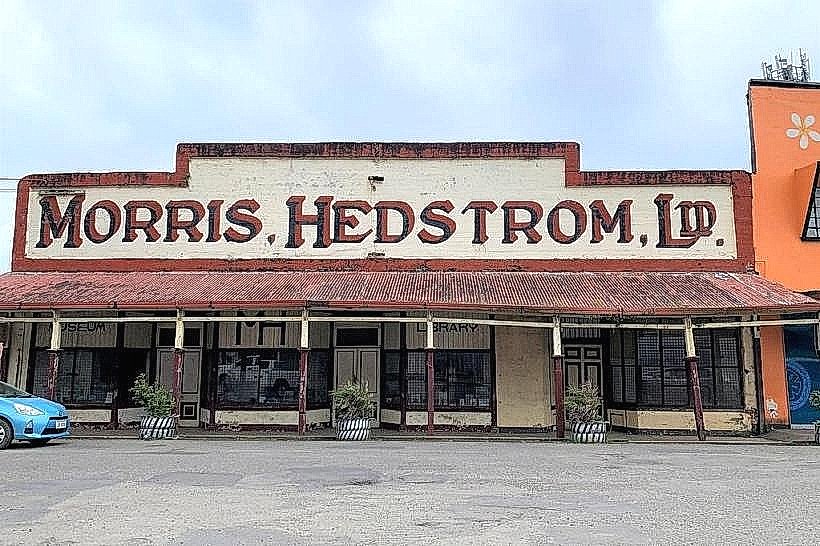
Levuka was founded circa 1820 by European settlers and traders, becoming Fiji's first modern town and its original colonial capital. The town was the site of the Kingdom of Fiji’s establishment in 1871 and the subsequent signing of the Deed of Cession to Great Britain on October 10, 1874. The most significant architectural preservation began following the 1882 transfer of the capital to Suva, which effectively halted modern development and turned the town into a "time capsule." The primary event shaping the urban form was the 1870s colonial boom, which established the specific line of timber and corrugated iron storefronts along the waterfront.
Demographics & Population
The total population within the Levuka town limits is approximately 1,131, while the greater urban and peri-urban area of Ovalau contains approximately 4,400 residents. The population is a mix of iTaukei (Indigenous Fijians), descendants of early European settlers, and Indo-Fijians. The median age is approximately 28.1 years, aligning with the national average.
Urban Layout & Key Districts
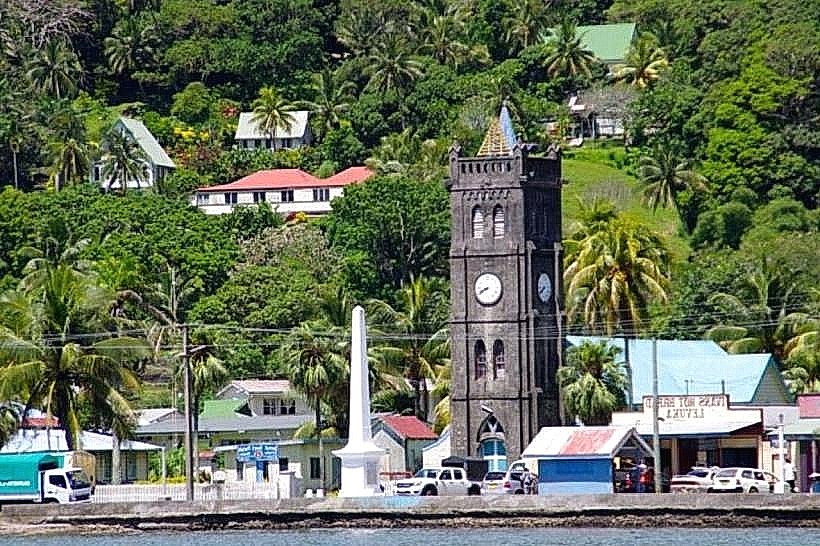
The city is organized linearly along Beach Street, which runs parallel to the harbor. The town is bounded to the west by the 600-meter cliffs of an extinct volcano. Key districts include the Central Port area (commercial), the Government District at Nasova to the south (historical administrative site), and the traditional village of Levuka to the north. The Baba settlement, located on the slopes above the town, was historically the residence for indentured laborers.
Top City Landmarks
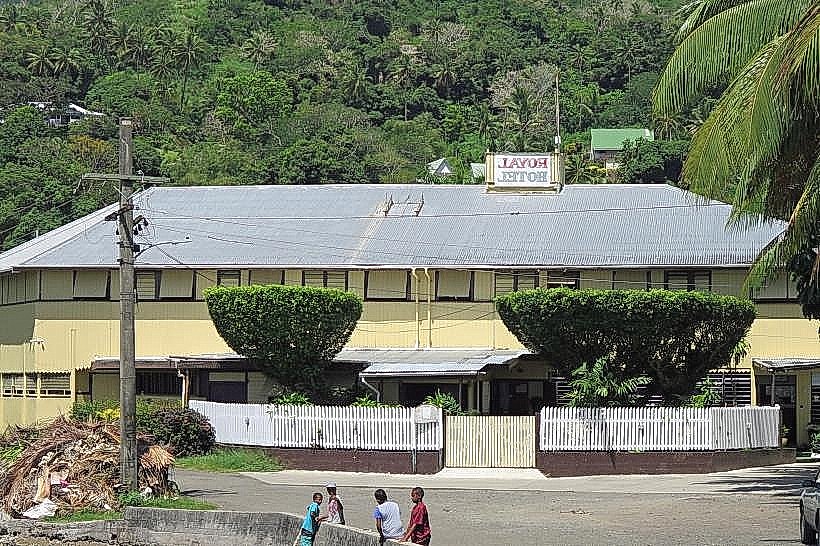
Royal Hotel: The oldest operating hotel in the South Pacific, built in the early 1860s.
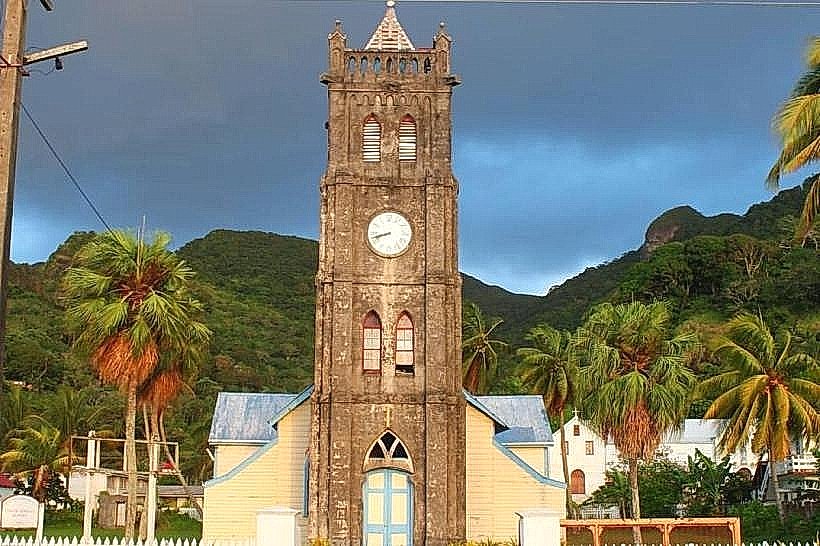
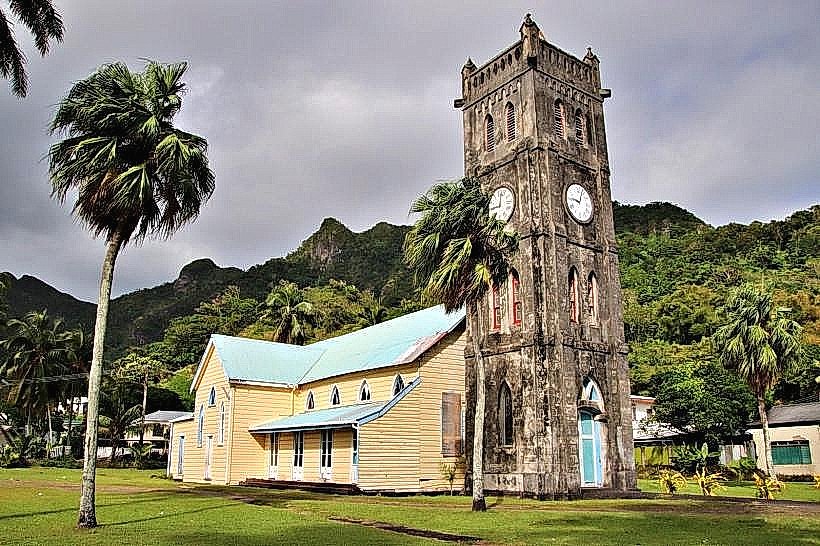
Sacred Heart Cathedral: A stone church and presbytery established by Marist priests in 1858.
Levuka Public School: Fiji’s first public school, opened in 1879.
Cession Site (Nasova): The location where King Cakobau ceded Fiji to the British Crown in 1874.
The 199 Steps: A concrete stairway leading up Mission Hill, providing the primary overlook of the town and harbor.
Transportation Network
Movement within Levuka is primarily pedestrian due to its compact linear layout. There is no metro, tram, or organized ride-sharing. A limited number of white taxis operate on the island; they are typically unmetered for local trips, requiring pre-agreed fares. Inter-island transit is managed by the Goundar Shipping ferry at the nearby Buresala wharf. Traffic density is negligible, though Beach Street can become congested during PAFCO cannery shift changes.
Safety & "Red Zones"
The general safety level is very high, characterized by a low crime rate and a communal atmosphere. There are no specific "red zones" or neighborhoods to avoid. Visitors should exercise standard caution against petty theft in the wharf area. The primary safety risk is environmental, specifically the steep terrain and the potential for storm surges during cyclone season.
Digital & Financial Infrastructure
Internet speeds average 10–20 Mbps. Primary carriers are Vodafone and Digicel, with coverage becoming patchy in the mountainous interior of Ovalau. Card acceptance is low; most small shops and the market operate on cash. There are limited ATMs available (Westpac and BSP) located on the main street.
Climate & Air Quality
Levuka has a tropical rainforest climate with high year-round humidity. Average temperatures range from 21°C–27°C in August to 24°C–31°C in February. Air quality is exceptional due to its isolation and the absence of heavy industrial zones, though the PAFCO cannery occasionally produces localized odors. The primary weather risk is tropical cyclones, which can cause significant damage to the town's historic timber structures.
Culture & Social Norms
Tipping is not traditional or expected. Social "rules" are strictly conservative; hats and sunglasses must be removed when entering the town limits as a sign of respect for its heritage status. A standard greeting is "Bula." Public consumption of alcohol is generally restricted to the Royal Hotel or the Ovalau Club. Smoking is prohibited in most public buildings.
Accommodation Zones
Beach Street (Center): Recommended for logistical access to historical sites and the few available dining facilities.
Wagadaci/Levuka North: Recommended for those seeking a more traditional village-adjacent stay with quiet coastal access.
Local Cost Index
1 Espresso: 5.50 FJD ($2.46 USD)
1 Standard Lunch: 10.00–15.00 FJD ($4.47–$6.70 USD)
1 Taxi (Short Drop): 5.00 FJD ($2.23 USD)
Nearby Day Trips
Lovoni Village: 10 km (located inside the volcanic crater, 45-minute 4WD trip).
Leleuvia Island: 45-minute fast boat transfer from the Levuka wharf.
Caqalai Island: 30-minute boat transfer.
Silana Village: 5 km (15-minute drive).
Facts & Legends
Levuka is known for the legend of the "Tamana na vavalagi" (Father of the Europeans), a title held by the Tui Levuka (Village Chief) in honor of his ancestor who protected the first white settlers. A verified historical oddity is that Levuka was the site of Fiji's first public electricity system in 1927, which predated the electrification of Suva by three days. Additionally, the town's Masonic Lodge (Lodge Polynesia 562 SC) is the oldest in the South Pacific, established in 1875.