Information
City: LimaCountry: Peru
Continent: South America
Lima, Peru, South America
Lima is the capital and largest city of Peru, located on a desert plateau overlooking the Pacific Ocean. It is the second-largest desert city in the world after Cairo and serves as the nation's political, cultural, and financial heart.
Historical Timeline
Founded in 1535 by Spanish conquistador Francisco Pizarro, Lima was named the "City of Kings" (Ciudad de los Reyes). It served as the capital of the Viceroyalty of Peru, the most important Spanish administrative center in South America for nearly 300 years. Following independence in 1821, the city underwent significant modernization in the early 20th century, followed by a massive population explosion in the 1980s due to internal migration.
Demographics & Population
The population of the Lima Metropolitan Area is approximately 11.5 million. The demographic is a complex "melting pot" of Mestizo, European, Amerindian, and significant Asian minorities (specifically Chinese and Japanese). The economy accounts for nearly 50% of Peru’s GDP, driven by services, manufacturing, and a globally recognized culinary industry.
Urban Layout & Key Districts
Cercado de Lima (Historic Centre): A UNESCO World Heritage site containing the colonial heart and government buildings.
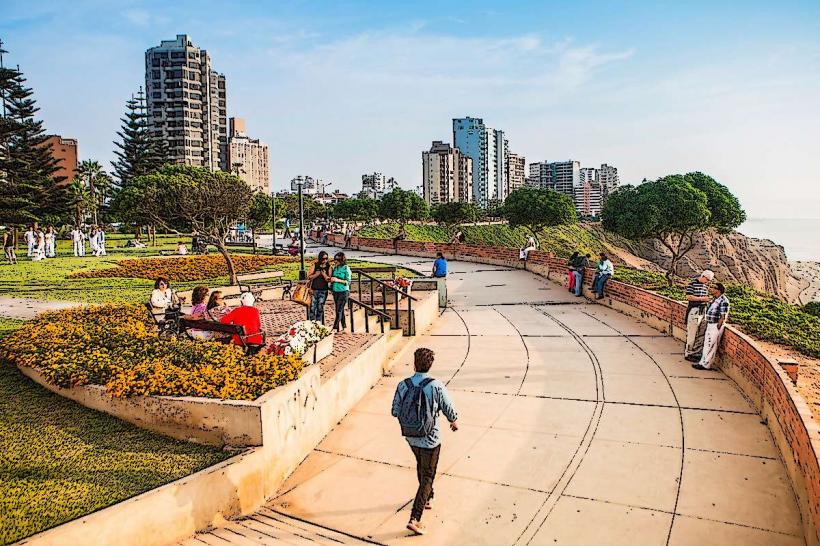
Miraflores: An upscale coastal district known for high-end retail, parks, and tourism infrastructure.
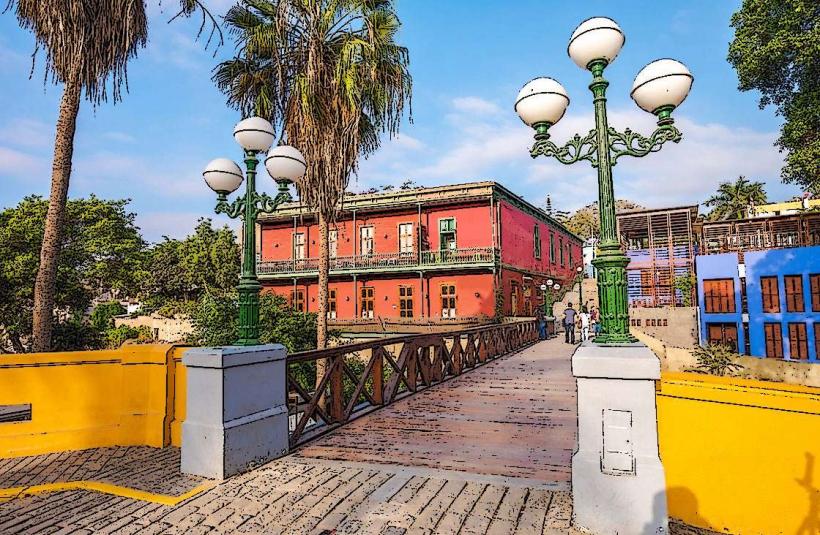
Barranco: The city’s bohemian district, famous for its 19th-century architecture, art galleries, and nightlife.
San Isidro: The primary financial district and wealthiest residential area, home to numerous embassies and olive groves.
Callao: The neighboring port city (technically a separate constitutional province) housing the international airport and major naval docks.
Top Landmarks
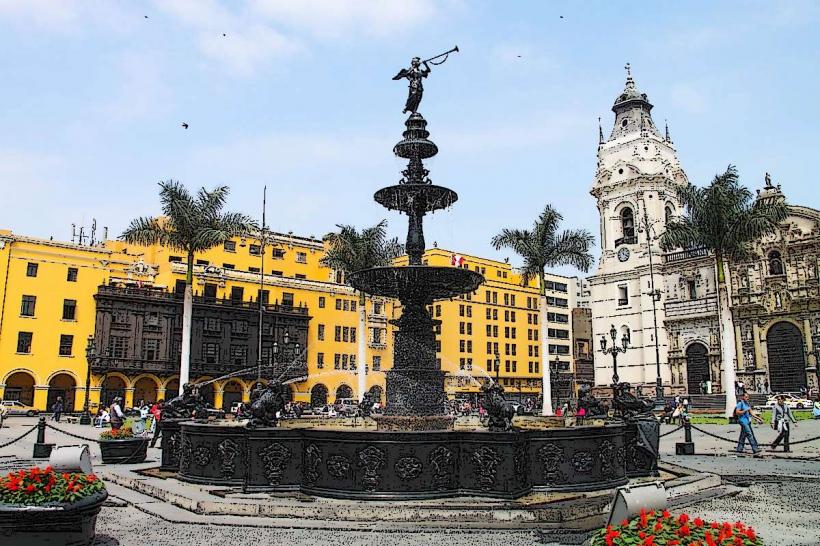
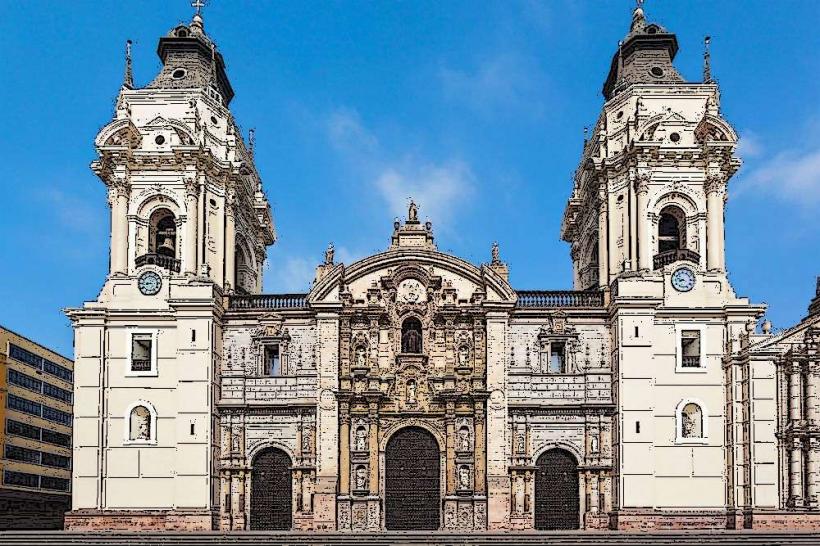
Plaza Mayor: The birthplace of the city, surrounded by the Government Palace, the Cathedral of Lima, and the Archbishop's Palace.
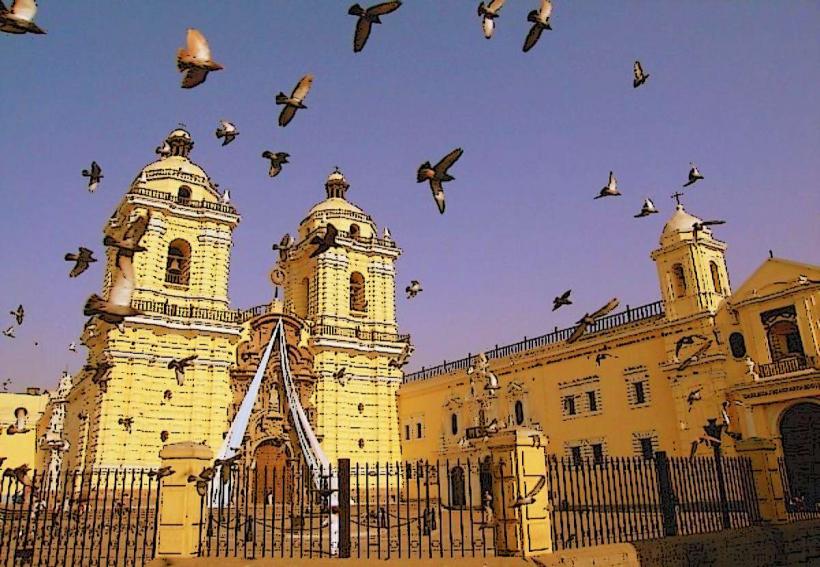
Convent of San Francisco: Famous for its colonial library and extensive underground catacombs containing an estimated 25,000 sets of remains.
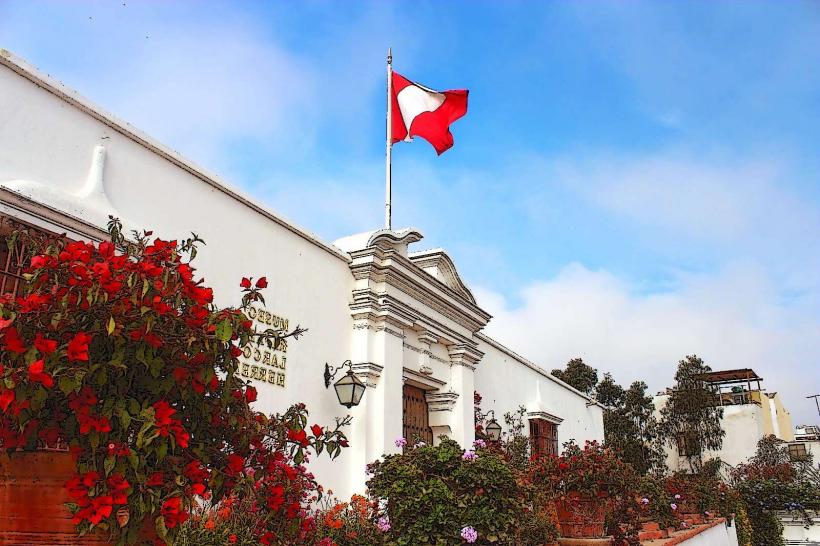
Larco Museum: A private museum housed in an 18th-century vice-regal mansion, featuring the world's most comprehensive collection of pre-Columbian gold and silver.
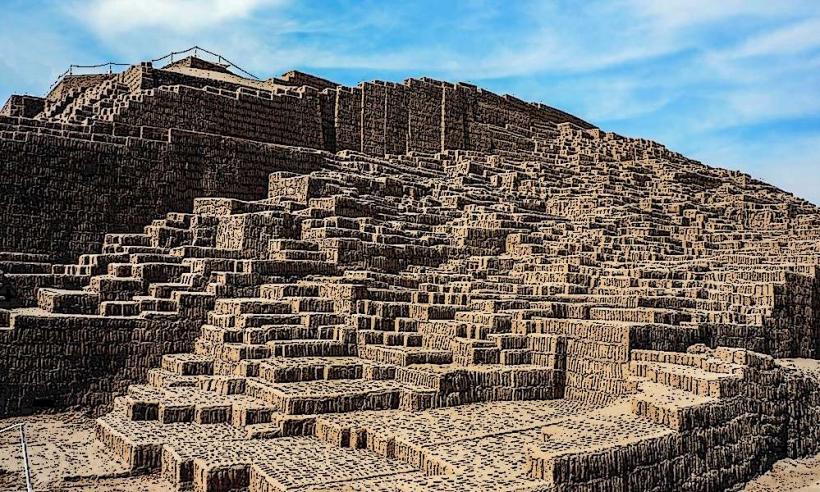
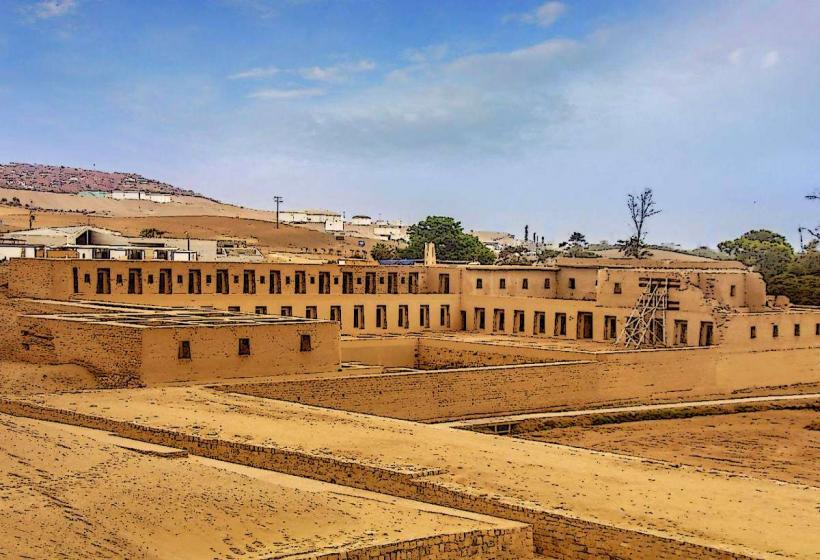
Huaca Pucllana: A massive adobe and clay pyramid built by the Lima Culture between 200 AD and 700 AD, located in the heart of Miraflores.
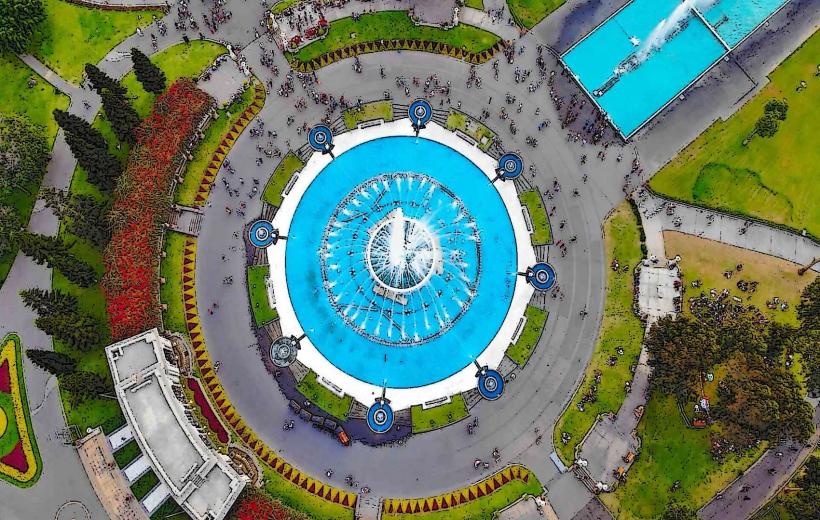
Magic Water Circuit: Located in the Park of the Reserve, it holds the record for the largest fountain complex in a public park.
Transportation Network
Air: Jorge Chávez International Airport (LIM) is the primary gateway to Peru.
Public Transit: The Metropolitano (Bus Rapid Transit) and Line 1 of the Lima Metro are the primary mass transit arteries.
Road: The Pan-American Highway bisects the city. Traffic congestion in Lima is ranked among the highest in the world.
Informal Transit: "Combis" (minibuses) and "Colectivos" (shared taxis) operate extensively but are unregulated.
Safety & "Red Zones"
Street Crime: Petty theft and "express kidnappings" are risks. Avoid displaying expensive jewelry or electronics in public.
Seismic Risk: Lima is situated in a highly active seismic zone. Modern buildings are earthquake-resistant, but older adobe structures in the center are vulnerable.
Restricted Areas: Exercise extreme caution in areas like El Agustino, La Victoria (near the markets), and the outskirts of Rimac, especially after dark.
Digital & Financial Infrastructure
5G coverage is active in Miraflores, San Isidro, and Barranco. The currency is the Peruvian Sol (PEN). ATMs are abundant, but users should prefer those located inside banks or malls to avoid skimming. Contactless payment is standard in formal businesses, but cash is required for markets and public transport.
Climate & Air Quality
Subtropical desert climate. Lima is famous for its Garúa, a persistent gray mist and low cloud cover that lasts from May to November. It rarely rains. Air quality can be poor in the city center due to vehicle emissions and the coastal geography that traps pollutants.
Culture & Social Norms
Culinary Capital: Lima is widely considered the Gastronomic Capital of the World, home to multiple restaurants consistently ranked in the global top ten.
Language: Spanish is the primary language. English is common in business and high-end tourism but rare in residential districts.
Cuisine: Specialized in Ceviche, Lomo Saltado, and Anticuchos. The "Chifa" (Peruvian-Chinese fusion) is a cultural staple.
Local Cost Index (PEN)
1 Menu del Día (Local Lunch): S/ 12.00–S/ 20.00
1 Metropolitano Fare: S/ 3.20
1 High-end Dinner (Miraflores): S/ 150.00–S/ 400.00
Nearby Day Trips
Pachacamac: A massive archaeological site 40 km south, featuring temples dedicated to the "Earth Maker" deity.
Palomino Islands: Located off Callao, where visitors can swim with wild sea lions.
Facts & Legends
Legend says that the conquistadors chose Lima as the capital because the local indigenous population tricked them, hoping the coastal dampness and lack of gold would drive the Spaniards away. A geographic fact: Lima is the only South American capital with direct access to the sea. Historically, it was the "City of Oranges" before urban expansion destroyed the massive orchards that once surrounded the colonial core.