Information
City: LindiCountry: Tanzania
Continent: Africa
Lindi, Tanzania, Africa
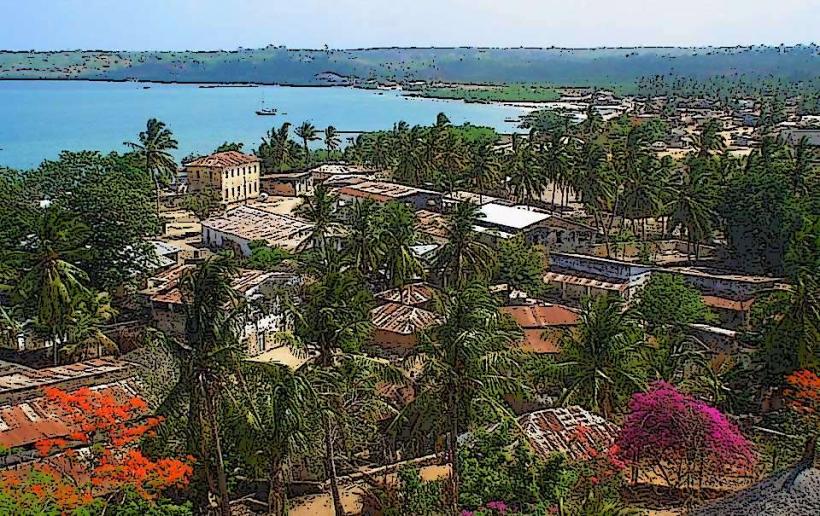
Lindi is the capital of the Lindi Region in southeastern Tanzania, located on Lindi Bay at the mouth of the Lukuledi River. It is one of the oldest settlements on the southern Swahili Coast, serving as a quiet, historic alternative to the more industrial Mtwara.
Historical Timeline
Lindi emerged as a significant 18th-century Swahili trading post for ivory and slaves. During the 19th century, it was a focal point for the Majimaji Rebellion against German colonial rule. It served as a major center for British sisal plantations in the mid-20th century. Following the collapse of the sisal market and the shift of regional administration, the city entered a period of economic dormancy that preserved much of its colonial and Swahili architecture.
Demographics & Population
The 2026 metropolitan population is approximately 95,000. The region is the heartland of the Mwera and Machinga ethnic groups. The population is predominantly Muslim, with social life centered around the mosque and the dhow harbor.
Urban Layout & Key Districts
Old Town: Located near the harbor, featuring narrow streets, 19th-century Arab-style houses, and decaying German administrative buildings.
Lindi Municipal: The modern administrative center with government offices, banks, and the main bus terminal.
Kikwetu: An area 25 km north of the city, historically significant for its vast sisal estates and the local airstrip.
Seafront: A scenic stretch along the bay used for small-scale fishing and boat building.
Top Landmarks
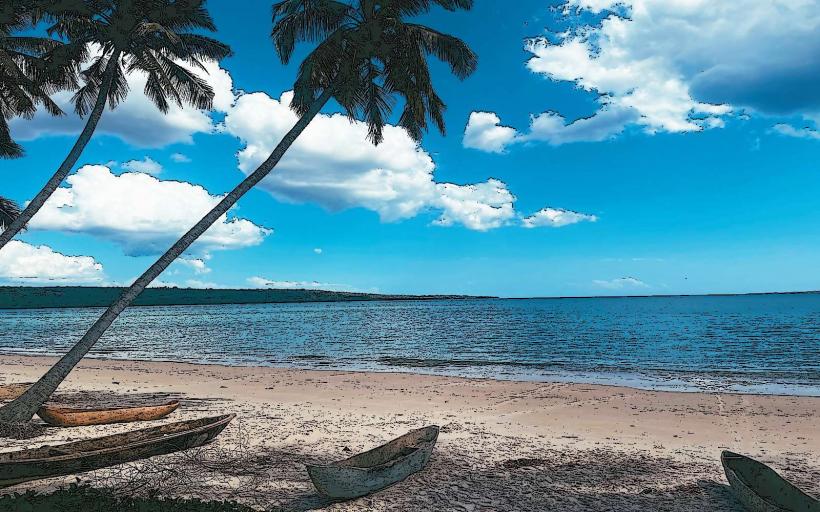
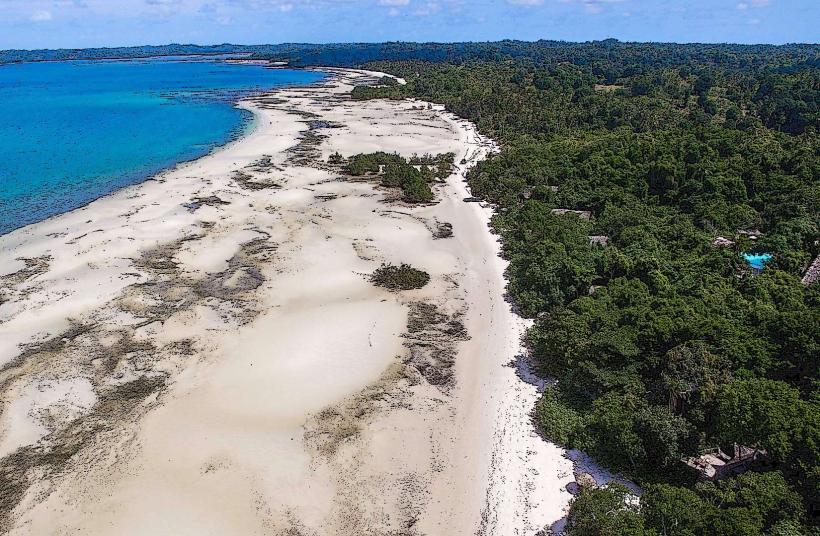
Mitema Beach: A pristine, undeveloped white-sand beach north of the town, popular for its isolation and clear waters.
Lindi Museum: A small repository of regional history, including artifacts from the slave trade and traditional Machinga crafts.
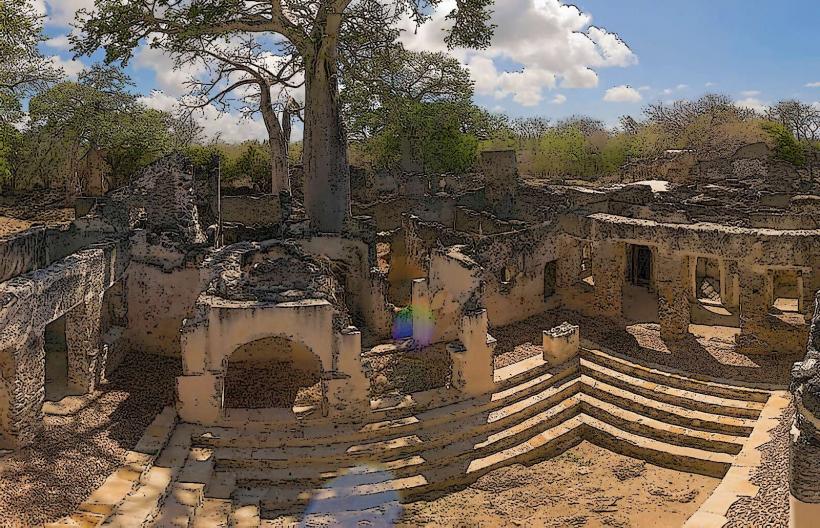
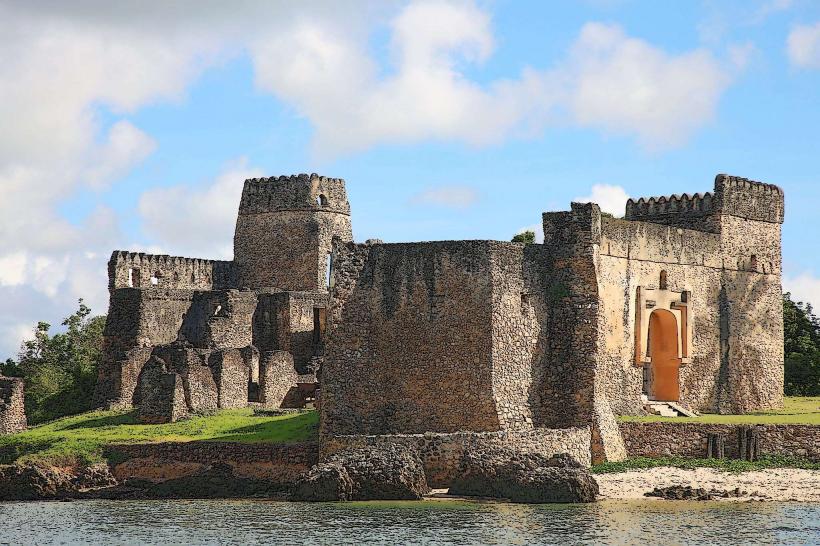
German Boma: The ruins of the colonial-era administrative fort overlooking the bay.
Mchinga Bay: Located further north; a scenic lagoon known for traditional salt harvesting and fishing villages.
The Old Mosque: A central historic structure reflecting the town's long-standing Islamic heritage.
Transportation Network
Road: The B2 highway (completed around 2012) connects Lindi to Dar es Salaam ($6$–$7$ hours). It is also linked to Mtwara ($1.5$–$2$ hours) by a well-maintained tarmac road.
Air: Lindi Airstrip (LDI) at Kikwetu is currently used for private charters. Most travelers fly into Mtwara Airport (MYW) and take a taxi or bus north.
Sea: The port is shallow and rudimentary, primarily serving small cargo dhows and passenger boats traveling to remote coastal villages.
Local: Relies on Bajajis (tuk-tuks) and Dala-dalas.
Safety & Health
Marine Safety: Lindi Bay is tidal; swimming is best at high tide. Avoid the river mouth due to strong currents and occasional crocodile sightings.
Malaria: High risk; the surrounding wetlands and river estuary are significant breeding grounds.
Security: Very high; Lindi is known as one of the most peaceful towns in Tanzania with negligible violent crime.
Digital & Financial Infrastructure
4G is stable in the Municipal district. The currency is the Tanzanian Shilling (TZS). Mobile Money (M-Pesa) is the most reliable way to pay for transport and local goods. Only a few ATMs (NMB and CRDB) are available in the town center.
Climate & Economy
Tropical savanna climate.
Weather: Hot and humid year-round ($22^\circ\text{C}$–$31^\circ\text{C}$).
Economy: Driven by small-scale fishing and the export of cashews, sesame, and timber. The region is currently a site of exploration for offshore natural gas.
Local Cost Index (TZS)
1 Shared Dala-dala ride: 500–1,000 TZS
1 Bajaji trip to Mitema Beach: 10,000–15,000 TZS
1 kg of fresh local Cashews: 10,000–15,000 TZS
Facts & Legends
Legend says that the Lukuledi River hides ancient treasures lost by Arab traders during sudden monsoon storms. A geographic fact: Lindi is one of the least densely populated regions in Tanzania, resulting in vast stretches of untouched coastal forest between settlements. Historically, it was the primary port used by the Germans to export rubber and sisal before Dar es Salaam was fully developed.