Information
City: LokossaCountry: Benin
Continent: Africa
Lokossa, Benin, Africa
Lokossa serves as the administrative capital of the Mono Department in southwestern Benin. Known as the "City of Palm Trees," its name translates to "under the palm tree" in the Fon language, reflecting its historical and economic roots in palm oil production.
Historical Timeline
Lokossa's origins are tied to indigenous agricultural settlements attracted by the fertile plains near the Mono River. During the French colonial era (late 19th to early 20th century), it was developed as a key administrative hub. Following Benin's independence in 1960, the city transitioned into a modern commercial center while maintaining its status as a gateway to the Mono region’s wetlands and traditional heritage.
Demographics & Population
As of January 2026, the population of Lokossa is approximately 105,000. The city is primarily inhabited by the Adja and Fon ethnic groups. Like much of Benin, the population is exceptionally young, with a median age of roughly 19 years. The area is a significant center for both Christianity and traditional Vodun practices.
Urban Layout & Key Districts
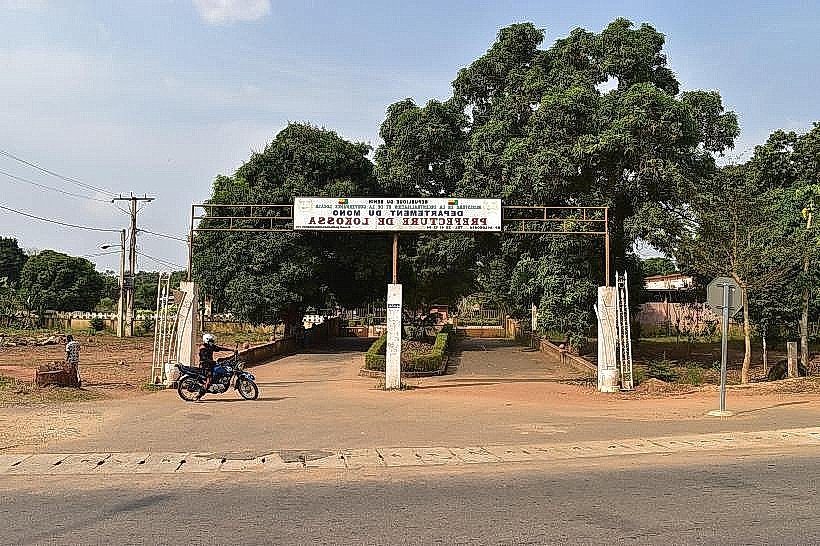
Centre Ville: The administrative core housing the Prefecture of Mono and the main commercial streets.
Gare Routière area: The central transit hub for travelers moving between Cotonou and the Togolese border.
Mondon-Kondji: A traditional residential district known for its local markets.
Agnivedji: An expanding neighborhood primarily residential in nature.
Top City Landmarks
St. Peter Claver Catholic Church: A prominent mid-century religious structure located near the city center.
Place Publique de Lokossa: The central gathering point for civic events and local festivals.
Lokossa Stadium: The primary venue for regional sports and cultural gatherings.
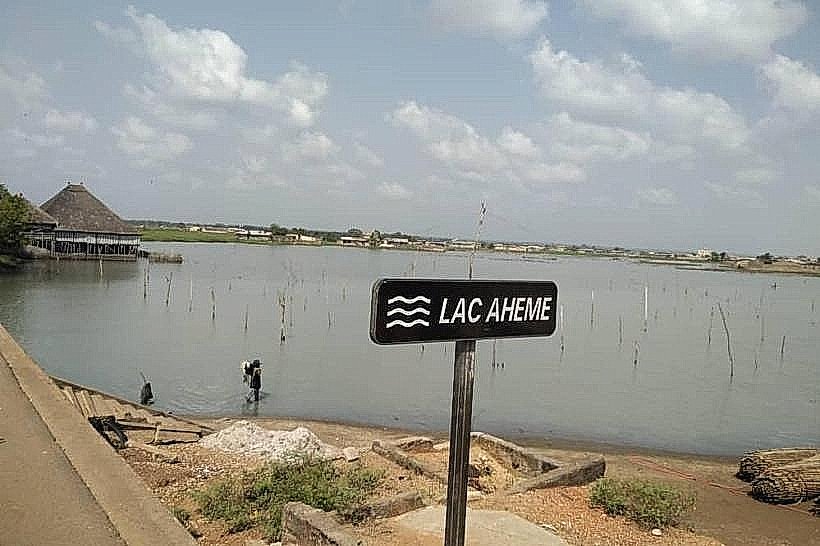
Lake Ahémé (Nearby): Located roughly 30 km away, it is the second-largest lake in Benin and a vital center for traditional fishing and Vodun lore.
Mono River: The geographic border with Togo, offering scenic views and supporting the local agricultural belt.
Transportation Network
Lokossa is a critical node on the highway connecting Cotonou to the western border.
Road: The city is easily accessible via paved roads from Cotonou (approx. 2 hours). It serves as a major stop for shared taxis and minivans (bush taxis).
Local: Transit within the city is dominated by Zémidjans (motorcycle taxis).
Cross-border: Its proximity to the Togolese border makes it a frequent transit point for regional traders.
Safety & "Red Zones"
Travelers should exercise a high degree of caution throughout Benin.
Political Context: Following national elections on January 11, 2026, and a thwarted coup attempt in December 2025, the political atmosphere remains sensitive. Avoid any large gatherings in public squares.
General Safety: While safer than Cotonou, petty theft occurs in markets. Avoid poorly lit areas and nighttime travel on the highways.
Health: The region is within the African Meningitis Belt. Ensure yellow fever vaccinations are current.
Digital & Financial Infrastructure
Internet speeds average 20–40 Mbps with 4G/LTE standard in the city center. The currency is the CFA Franc (XOF).
Payments: The local economy is cash-dependent. MTN and Moov Mobile Money are the standard for digital payments.
Banking: ATMs are available in the city center (e.g., Bank of Africa, Ecobank), but international card acceptance is limited.
Climate & Air Quality
Tropical climate with distinct dry and wet seasons.
Weather: In January 2026, temperatures average 28°C–35°C. The climate is currently breezy and dry.
Air Quality: Currently Moderate (AQI 70–90). The Harmattan winds may occasionally bring Saharan dust, but air quality remains significantly better than in the northern departments or industrial Cotonou.
Culture & Social Norms
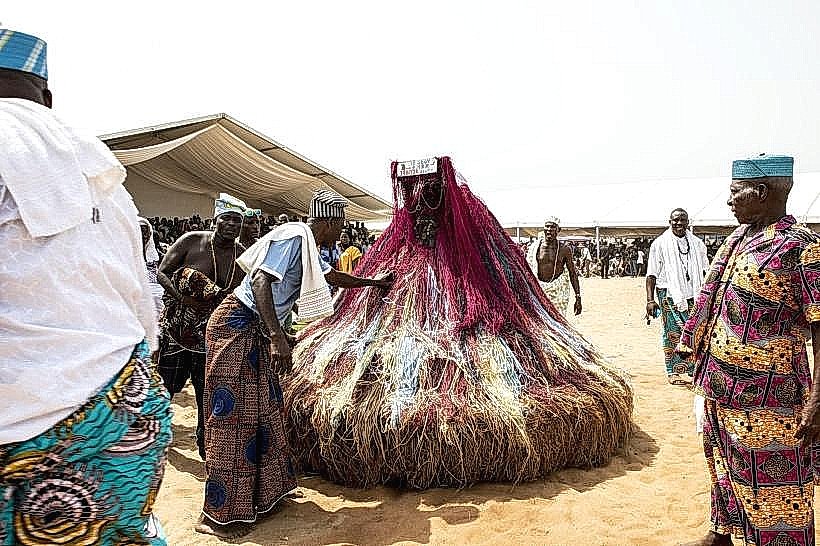
The city is famous for its Vodun Festival (January 10), which attracts visitors from across the region.
Economy: Centered on palm oil, maize, and cassava.
Etiquette: Conservative dress is recommended. It is customary to greet locals, especially elders, before initiating business or asking directions.
Local Cost Index
1 Espresso: 1,200 XOF ($2.15)
1 Standard Lunch: 3,500 XOF ($6.35)
1 Short "Zem" Ride: 300–500 XOF ($0.55–$0.90)
1 Liter of Petrol: 650 XOF ($1.18)
Nearby Day Trips
Bopa: Located on the shores of Lake Ahémé, known for its traditional stilt architecture and boat tours (32 km east).
Possotomé: Famous for its thermal springs and mineral water (approx. 35 km away).
Facts & Legends
According to local oral history, the city was founded by a hunter who found shade under a massive Iroko tree and a palm grove; he declared the spot "Lokossa" (under the palm) because the spirit of the forest promised prosperity to anyone who settled there. Today, the city is colloquially known as the "heartbeat of the Mono" due to its central role in regional trade.