Information
Country: BeninContinent: Africa
Benin, Africa
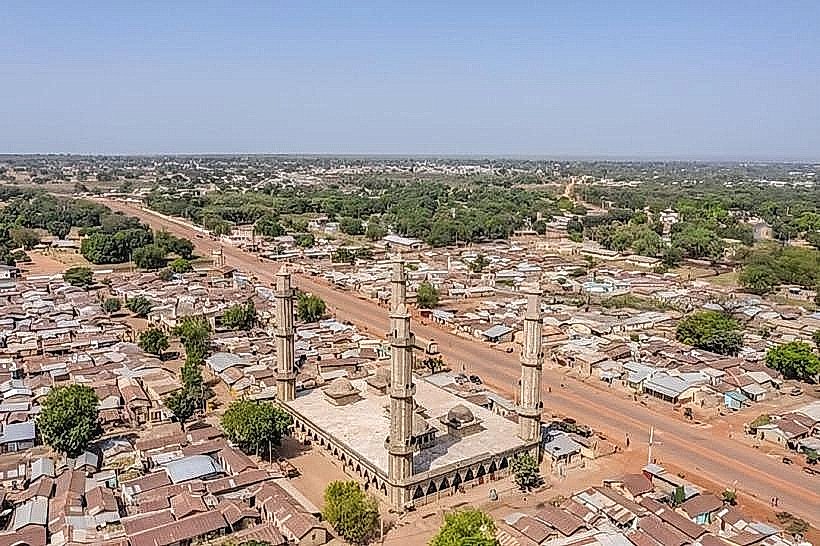
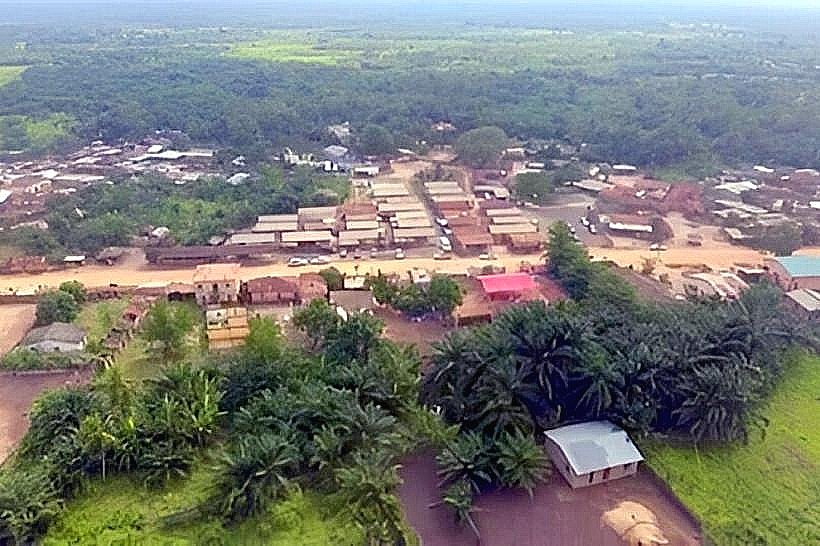
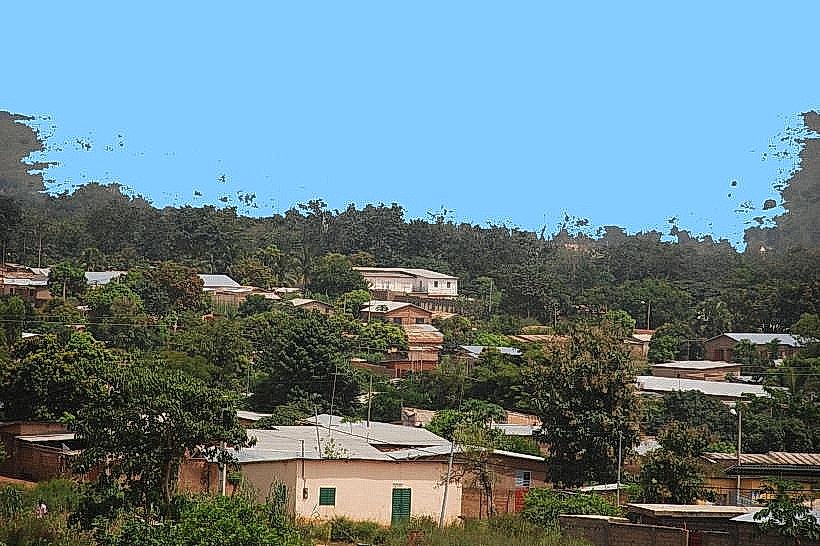
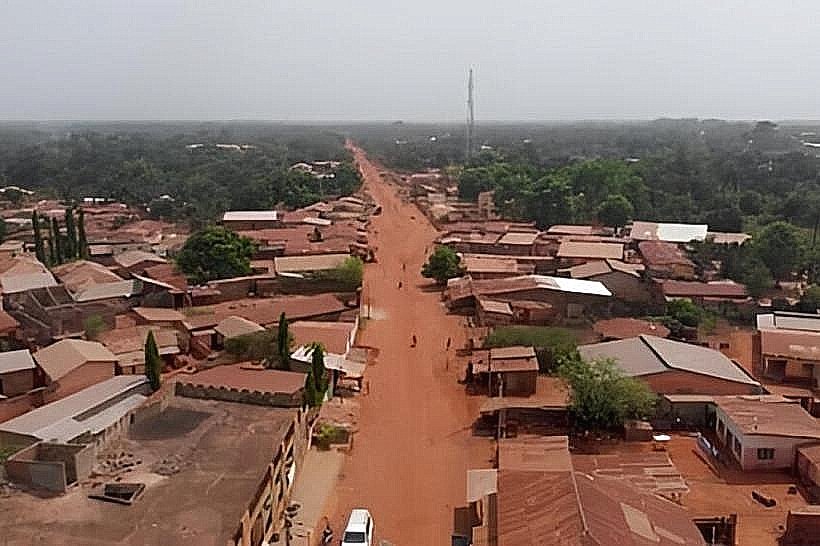
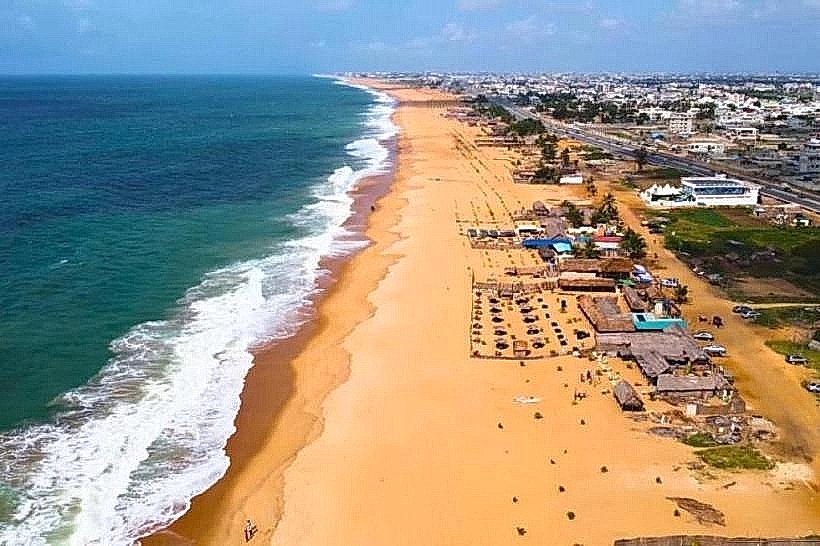
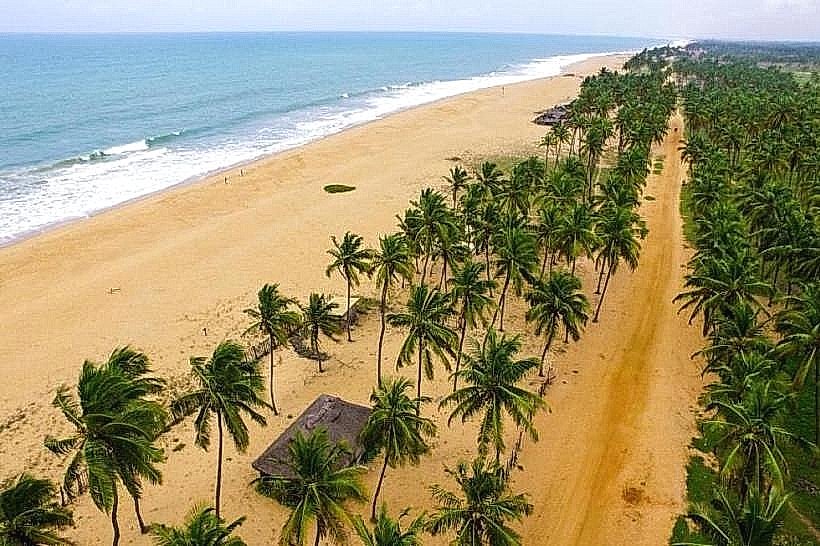
Benin is located in West Africa, bordered by Togo to the west, Nigeria to the east, Burkina Faso to the northwest, and Niger to the northeast. It is defined by its small southern coastline on the Bight of Benin and an economy heavily reliant on subsistence agriculture and cotton production, with Porto-Novo serving as the official capital.
History & Culture
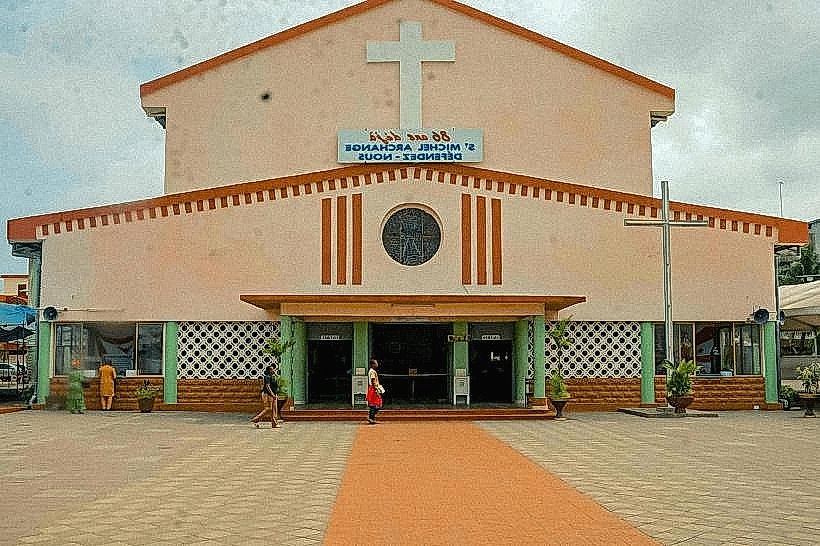
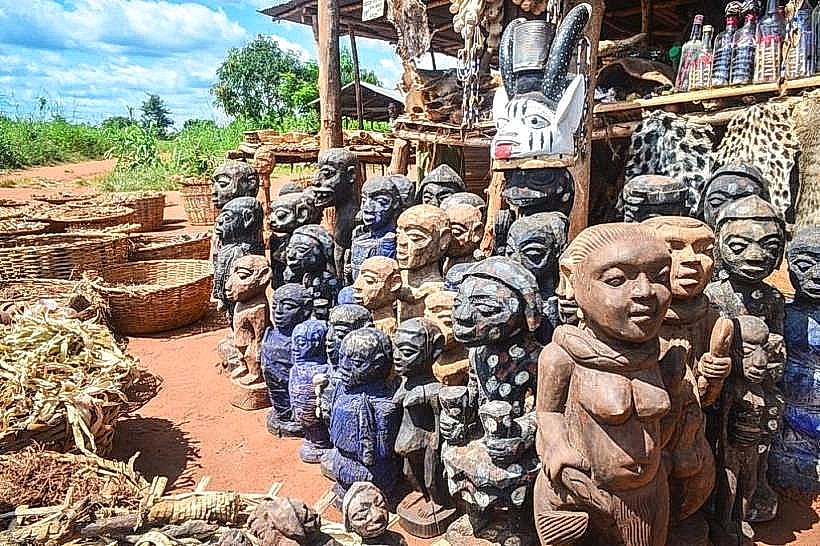
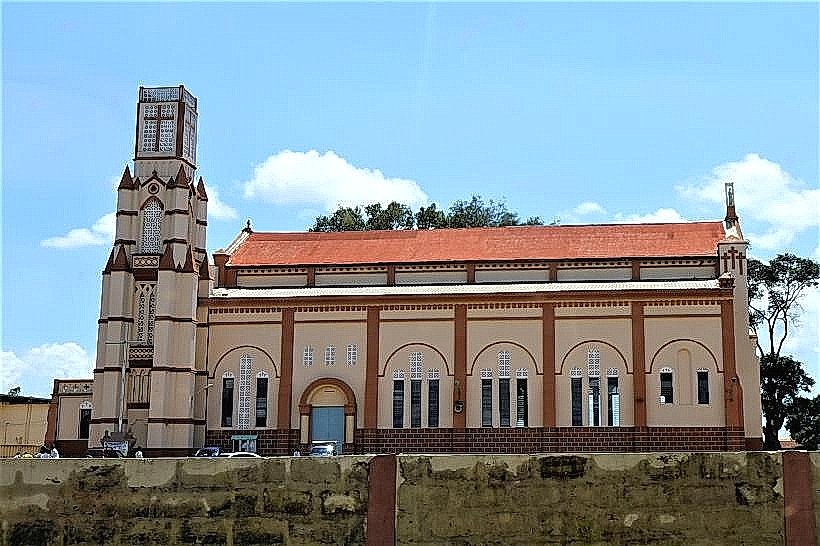
Benin gained independence from France on August 1, 1960. Major political eras include the Kingdom of Dahomey, the French colonial period (1892–1960), and the Marxist-Leninist People's Republic phase (1975–1990) before transitioning to a multi-party democracy. Primary religious affiliations are Christianity (52.2%), Islam (24.6%), and traditional Voodoo (17.9%). The most significant national holiday is Independence Day (August 1). Social etiquette emphasizes the use of the right hand for giving or receiving items, conservative dress in rural areas, and lengthy verbal greetings.
Language & Communication
The official language is French. English proficiency is Low, though it is used as a trade language near the Nigerian border. Dominant local dialects include Fon (widely spoken in the south), Yoruba, and Bariba (dominant in the north).
Population & Economy
The population is approximately 13.7 million, with 52% residing in rural areas. Top three export commodities are cotton, cashews, and refined petroleum. GDP per capita is approximately $1,450 USD. The labor market is driven by the agricultural sector, which employs roughly 70% of the workforce.
Visa & Entry Policy
Citizens of the US, UK, and EU require a visa for entry. Benin utilizes an E-Visa system for short-term stays (30 or 90 days), which must be applied for online and printed prior to arrival. There is no standard Visa on Arrival for these passport holders. Entry is strictly regulated regarding vaccination documentation.
Currency & Payment Systems
The currency is the West African CFA Franc (XOF). Cash is the primary medium of exchange, particularly in informal markets and rural areas. Card acceptance is limited to high-end hotels and large supermarkets in Cotonou. ATMs are available in major cities but are rare in rural districts.
National Transport Grid
Between cities, travel is primarily conducted via "bush taxis" (shared minivans) and private bus companies. There is a single-track railway connecting Cotonou to Parakou, but passenger services are inconsistent. There are no regular domestic commercial flights; travel between the north and south relies on the main paved highway.
Digital Infrastructure
Best mobile network providers are MTN Benin, Moov Africa, and Celtiis. 4G coverage is reliable in Cotonou and Porto-Novo, but 5G is currently in trial stages and limited to specific urban hubs.
Climate & Seasonality
The south has a tropical climate with two wet seasons (March–July and September–November). The north is semi-arid with a single wet season (May–October) followed by the dusty Harmattan wind from December to March.
Health & Safety
Yellow Fever vaccination is mandatory and must be documented on an International Certificate of Vaccination. Malaria is endemic nationwide; prophylaxis is recommended. The universal emergency number is 112, with 118 specifically for medical emergencies in Cotonou.
Top 3 Major Regions & Cities
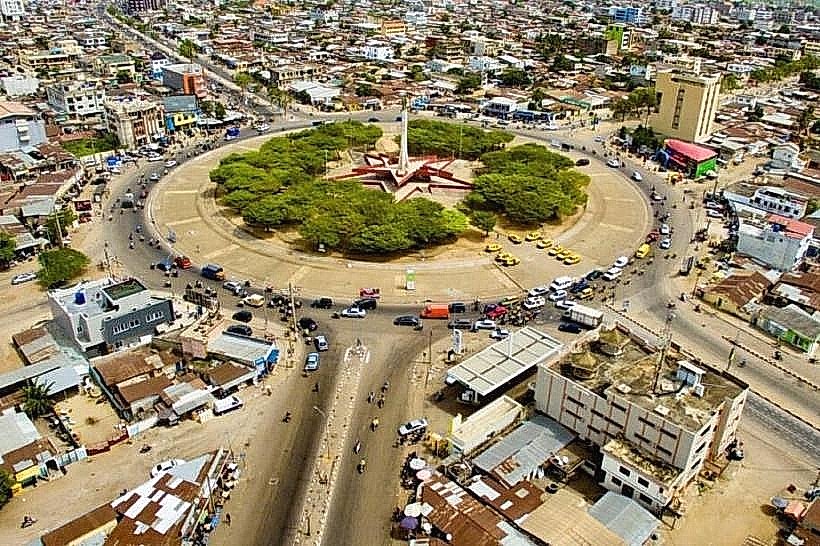
Coastal Economic Zone: Hub: Cotonou.
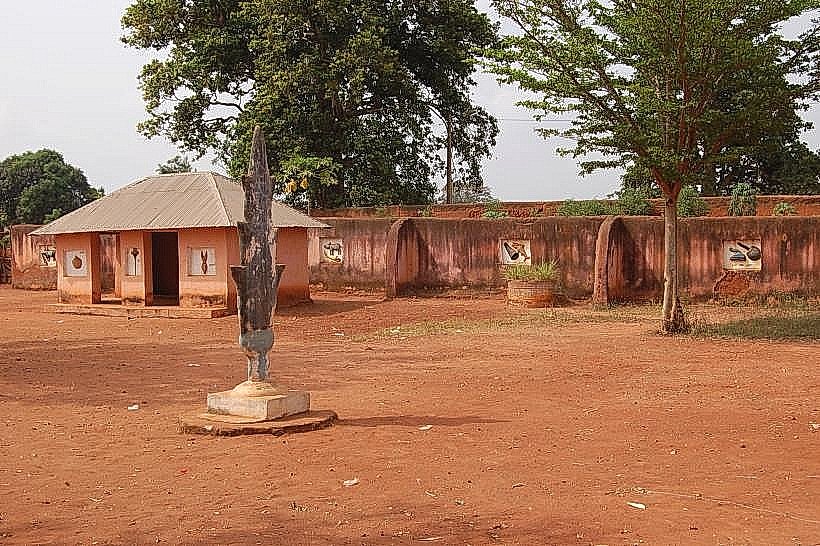
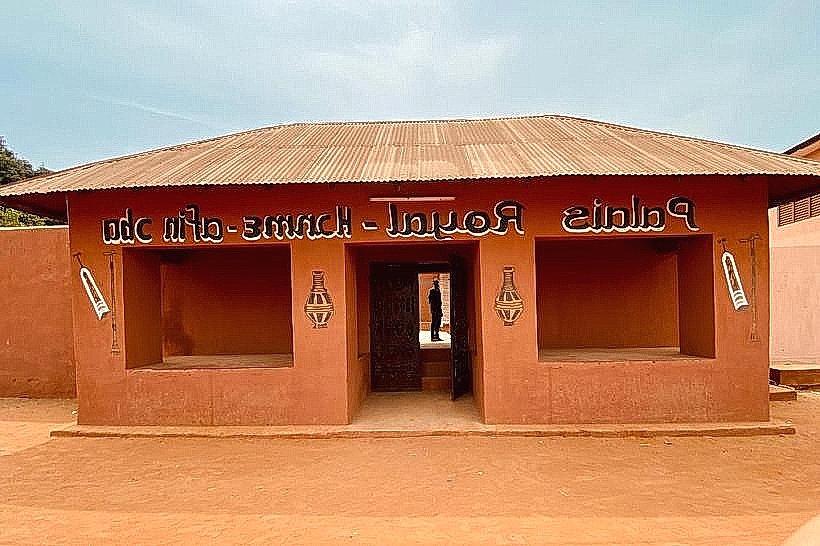
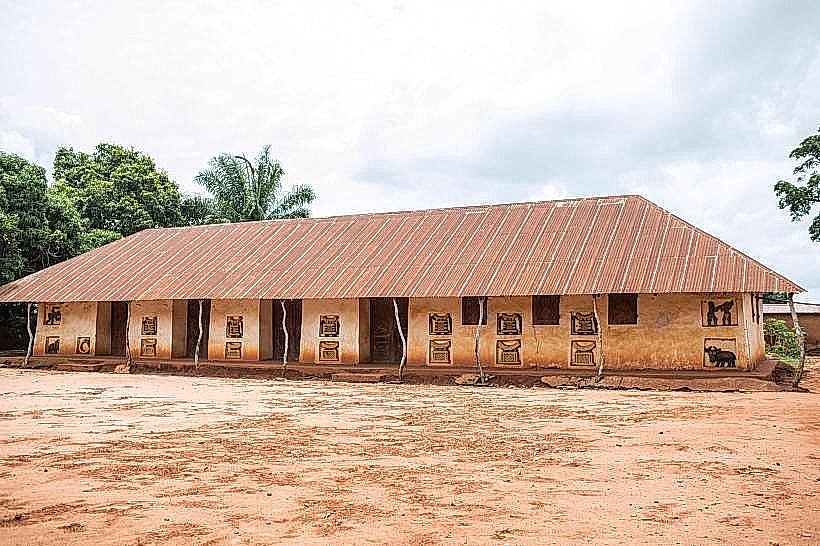
Historical Dahomey Heartlan: Hub: Abomey.
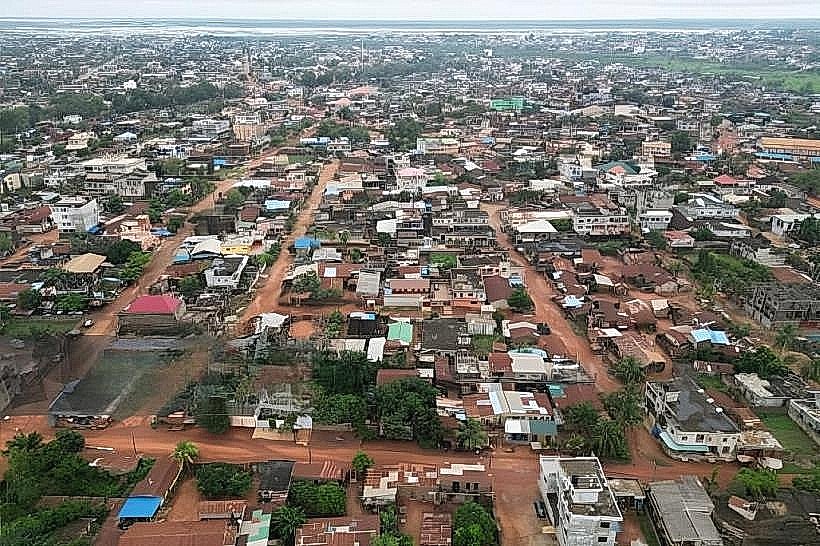
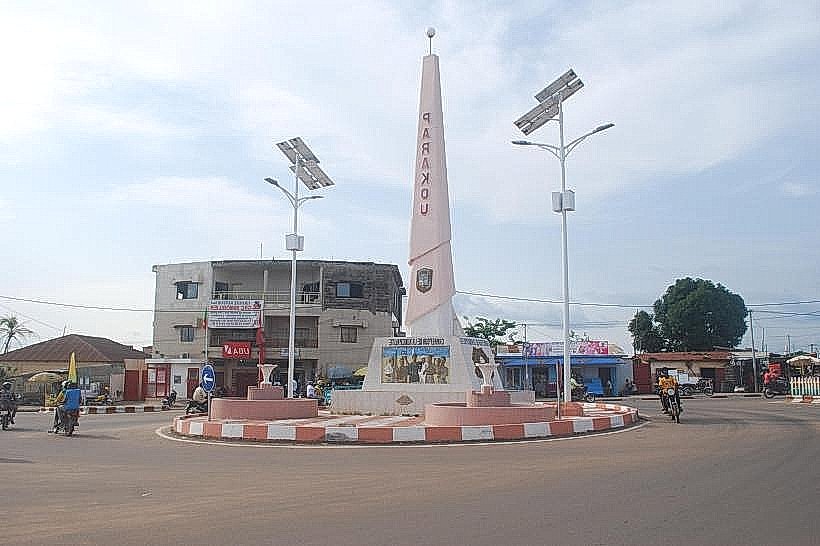
Northern Trade Corridor: Hub: Parakou.
Local Cost Index
1L Water: 400 XOF ($0.66 USD)
1 Domestic Beer (0.5L): 600 XOF ($0.99 USD)
1 Sim Card (Data Plan): 5,000 XOF ($8.25 USD)
Facts & Legends
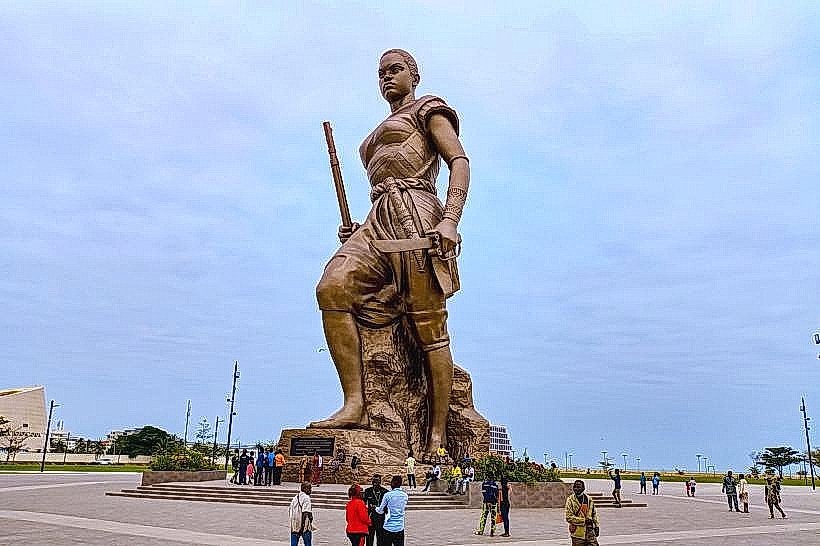
Benin is the birthplace of Voodoo (Vodun), which is recognized as an official state religion. According to the "Legend of the Dahomey Amazons," the kingdom maintained an all-female military regiment known as the Ahosi, who were renowned for their combat proficiency and served as the elite guard for the King of Dahomey until the late 19th century.