Information
City: KandiCountry: Benin
Continent: Africa
Kandi, Benin, Africa
Kandi serves as a primary commercial and administrative center in northeastern Benin, located in the Alibori Department. It is a strategic crossroads between the southern coast of Benin and the borders of Niger and Nigeria.
Historical Timeline
Kandi was originally a significant hub on the ancient trans-Saharan trade routes. It was founded by the Bariba people and later became a vassal state to the Nikki Kingdom. During the French colonial era, it was established as a military and administrative post to secure the northern frontier. In the 21st century, its importance has shifted toward agricultural commerce, specifically in the production and trade of cotton and shea nuts.
Demographics & Population
As of 2026, the population of Kandi is approximately 110,000 to 121,000. The city is a multi-ethnic melting pot, primarily composed of the Bariba, Dendi, Fula (Peulh), and Mokolé. The region is characterized by a mix of Islamic traditions and indigenous customs.
Urban Layout & Key Districts
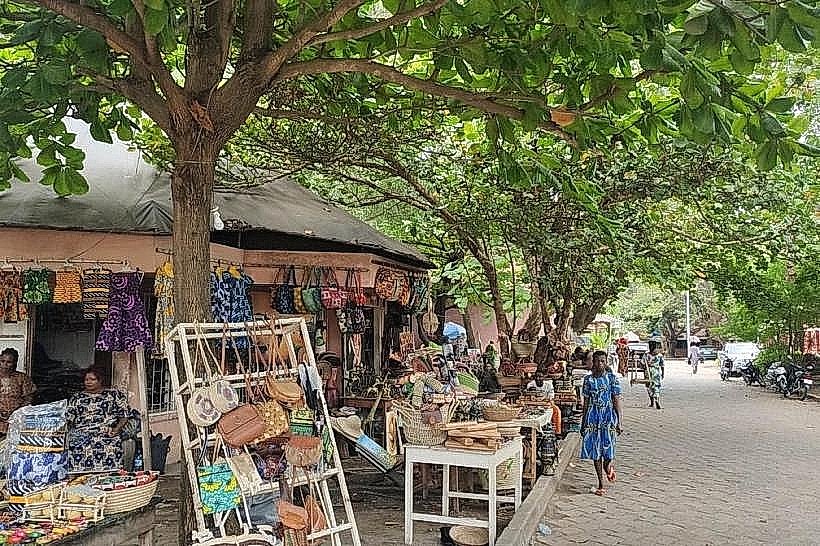
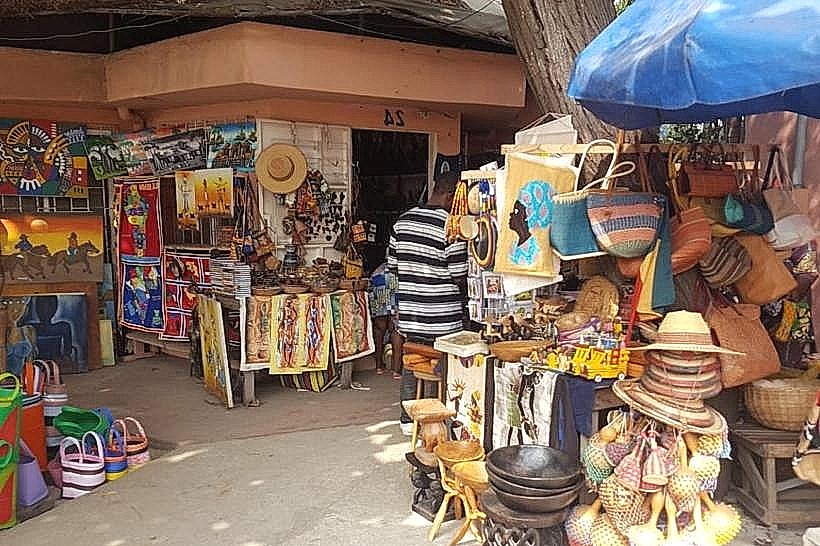
Grand Marché: The economic epicenter of the city, where regional trade in livestock and agricultural products occurs.
Administrative Quarter: Houses the local government offices and the residence of the Prefect of Alibori.
Traditional Districts: Characterized by traditional mud-brick architecture and the historic seat of local Bariba leadership.
Top City Landmarks
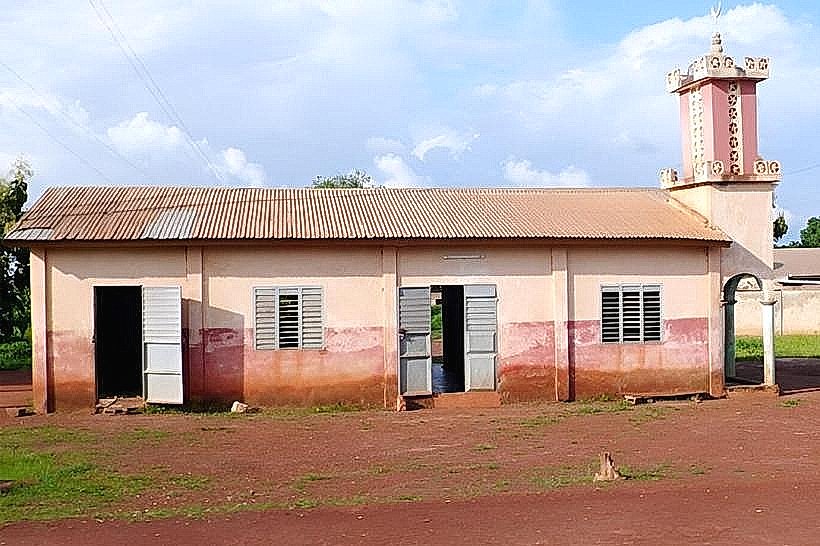
Kandi Central Mosque: A prominent example of Sudano-Sahelian architecture.
Saka Kina Guez Stadium: The city's primary venue for sports and public gatherings.
Alibori Regional Hospital: One of the most significant medical facilities in the northern region.
Pendjari National Park (Access Point): While the park is located further west, Kandi historically served as a secondary logistical base for the region's national parks.
Transportation Network
Kandi is a vital stop on the RNIE 2, the main highway linking Cotonou to Malanville (on the Niger border).
Road: Daily bus services and shared taxis connect Kandi to Parakou and Malanville.
Local: Movement within the city is conducted via Zémidjans (motorcycle taxis).
Air: Kandi Airport (KND) exists but primarily handles non-commercial and chartered flights as of 2026.
Safety & "Red Zones"
CRITICAL SECURITY ADVISORY (January 2026):
Red Zones: Most foreign governments (US, UK, Canada, Australia) currently advise Against All Travel to the Alibori Department, including Kandi.
Threats: The region faces high risks of terrorism, kidnapping, and violent crime due to its proximity to the borders of Burkina Faso and Niger, where insurgent groups are active.
Political Unrest: Following a thwarted coup in December 2025, military checkpoints are frequent. Avoid all political gatherings and travel after dark.
Digital & Financial Infrastructure
Internet speeds are generally lower than in the south, averaging 10–25 Mbps; 4G is available but can be inconsistent. The currency is the CFA Franc (XOF).
Payments: The economy is strictly cash-based. MTN/Moov Mobile Money is the primary method for non-cash transactions.
Banking: Limited ATMs are available in the city center. International credit cards are almost never accepted.
Climate & Air Quality
Tropical savanna climate. January 2026 is the peak of the dry season.
Weather: Highs reach 35°C–38°C; nights are relatively cool (approx. 18°C).
Air Quality: Currently Very Unhealthy (AQI 200+). The Harmattan wind from the Sahara creates severe dust haze, significantly reducing visibility and respiratory health.
Culture & Social Norms
The city is a center for the Gaani Festival traditions of the Bariba.
Cuisine: Famous for Wagasi (local cheese) and millet-based dishes like akassa.
Etiquette: Conservative social norms prevail. Modest dress is required, and use of the right hand for all social interactions is mandatory.
Local Cost Index
1 Espresso: 1,200 XOF ($2.15)
1 Standard Lunch: 3,000 XOF ($5.45)
1 Short "Zem" Ride: 300–500 XOF ($0.55–$0.90)
1 Liter of Petrol: 650 XOF ($1.18)
Facts & Legends
Kandi is known locally as a city of "sanctuary." Legend holds that the original Bariba settlers were guided to this location by a specific bird that nested only in places where the groundwater would never run dry. Despite the arid environment of the Alibori region, Kandi has historically maintained better water access than many of its neighboring settlements.