Information
Landmark: Python Temple (Temple des Pythons)City: Ouidah
Country: Benin
Continent: Africa
Python Temple (Temple des Pythons), Ouidah, Benin, Africa
The Python Temple, also known as Temple des Pythons, is a religious site located in Ouidah, Benin.
This structure houses sacred pythons, which are venerated by the local Fon people.
Visual Characteristics
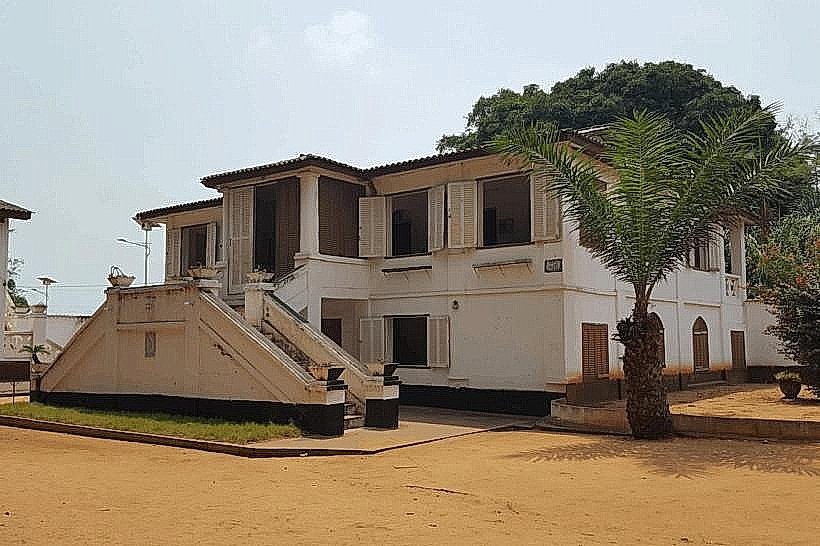
The temple is a modest, single-story building constructed primarily from concrete and painted a pale yellow. It features a tiled roof and a central entrance. Inside, the main chamber is dimly lit, with specific areas designated for the pythons, often featuring sand or earth flooring. The overall aesthetic is functional rather than ornate.
Location & Access Logistics
The Python Temple is situated in the center of Ouidah, approximately 1 kilometer west of the main market square. Access is via paved roads, with Rue du Gouverneur Bayol leading directly to the site. Limited street parking is available in the vicinity. Public transport within Ouidah typically involves shared taxis or motorcycle taxis that can drop visitors at the temple's entrance.
Historical & Ecological Origin
The current temple structure dates to the late 20th century, replacing earlier, less permanent enclosures for the sacred pythons. The veneration of pythons in Ouidah is deeply rooted in the traditional Vodun religion, believed to have originated centuries ago. The pythons themselves are primarily Royal Pythons (Python regius), a species native to West Africa.
Key Highlights & Activities
Visitors can observe the sacred pythons within their enclosures. A priest or attendant is usually present to explain the significance of the pythons and the rituals associated with them. Photography is permitted, though specific guidelines may apply. Interaction with the pythons is strictly controlled and generally not permitted for visitors.
Infrastructure & Amenities
Basic restroom facilities may be available on-site or in very close proximity. Shade is limited to the interior of the temple building. Cell phone signal (4G/5G) is generally reliable in Ouidah. Food vendors are typically found in the nearby market square, not directly at the temple.
Best Time to Visit
The temple is open daily from approximately 9:00 AM to 5:00 PM. Mid-morning or late afternoon offers more moderate temperatures. There are no specific tide requirements. Lighting inside the temple is consistently dim.
Facts & Legends
A local belief states that if a python escapes the temple, it signifies a coming misfortune for the community. The pythons are fed regularly, often with small rodents or birds, by temple attendants.
Nearby Landmarks
- Python Sanctuary (0.1km North)
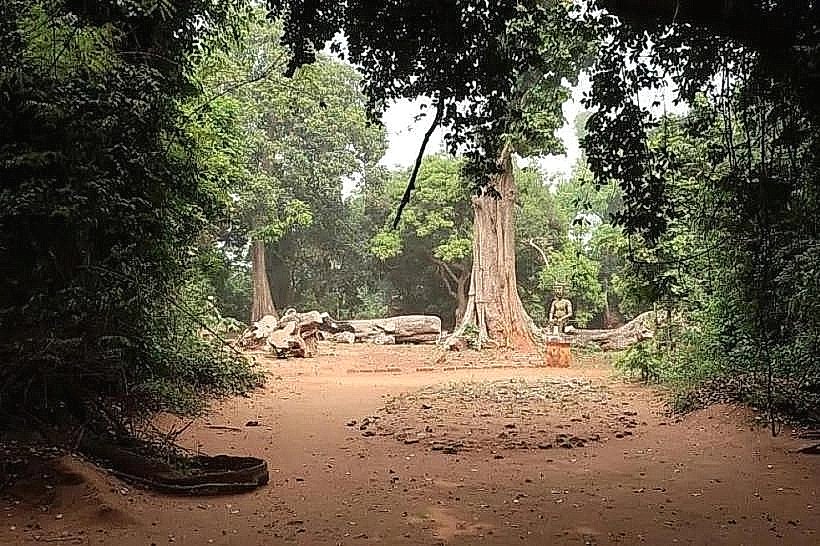
- Sacred Forest of Kpassè (0.8km West)
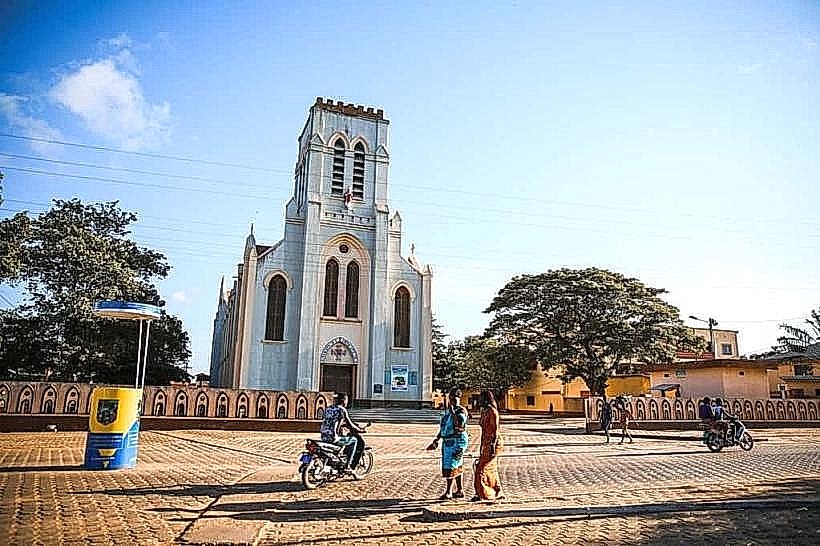
- Ouidah Cathedral (1.2km Northeast)
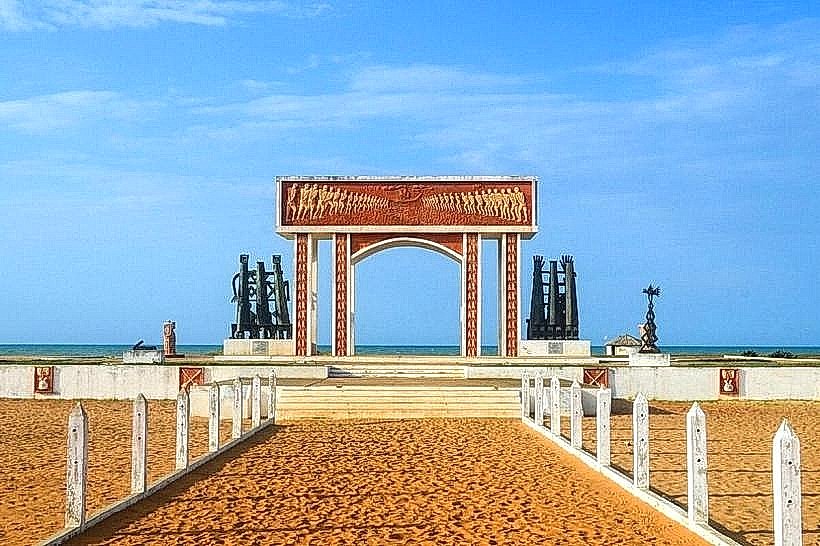
- Slave Route Memorial (1.5km South)
- Ouidah Museum of History (1.0km East)