Information
Landmark: Sacred Forest of KpasseCity: Ouidah
Country: Benin
Continent: Africa
Sacred Forest of Kpasse, Ouidah, Benin, Africa
The Sacred Forest of Kpasse is a protected forest area located within the city limits of Ouidah, Benin. It serves as a significant spiritual and cultural site.
Visual Characteristics
The forest is characterized by dense tropical vegetation, primarily composed of large trees, including the Iroko (Milicia excelsa), which are considered sacred. The ground is covered with leaf litter and smaller undergrowth. Statues and effigies representing various deities and spirits are interspersed throughout the forest, often adorned with offerings.
Location & Access Logistics
The Sacred Forest of Kpasse is situated approximately 1 kilometer west of the Ouidah city center. Access is via paved roads, with Rue du Gouverneur Bayol leading directly to the entrance. Parking is available on-site, with designated areas for vehicles. Public transport within Ouidah includes shared taxis and motorcycles; the forest is a common destination and easily reachable by these means.
Historical & Ecological Origin
The forest's origin is tied to the traditional Voodoo religion of the Fon people. It has been a sacred site for centuries, serving as a place of worship, ritual, and burial. Ecologically, it represents a remnant of the coastal tropical forest that once covered the region, preserving a specific microclimate and biodiversity.
Key Highlights & Activities
Visitors can observe the numerous Voodoo shrines and statues. Guided tours are available, providing context on the spiritual significance of different areas and trees. Photography of the shrines and natural elements is permitted, though respectful conduct is required. Participation in ceremonies is generally not permitted for outsiders.
Infrastructure & Amenities
Basic amenities include designated pathways and some seating areas. Restrooms are available near the entrance. Shade is abundant due to the dense tree canopy. Cell phone signal (4G) is generally reliable within the forest. Food vendors are typically found at the entrance or in the immediate vicinity of the forest.
Best Time to Visit
The best time of day for photography is in the morning or late afternoon when sunlight filters through the canopy, creating distinct light patterns. The dry season, from November to April, offers more comfortable weather conditions with less humidity and rainfall. There are no tidal considerations for visiting this inland forest.
Facts & Legends
A notable legend states that the forest is inhabited by spirits and deities, and that the Iroko trees are their dwelling places. It is believed that disturbing these trees can bring misfortune. A specific tip for visitors is to wear insect repellent, as mosquitoes can be present, especially during dawn and dusk.
Nearby Landmarks
- Sacred Forest of Kpasse (0km)
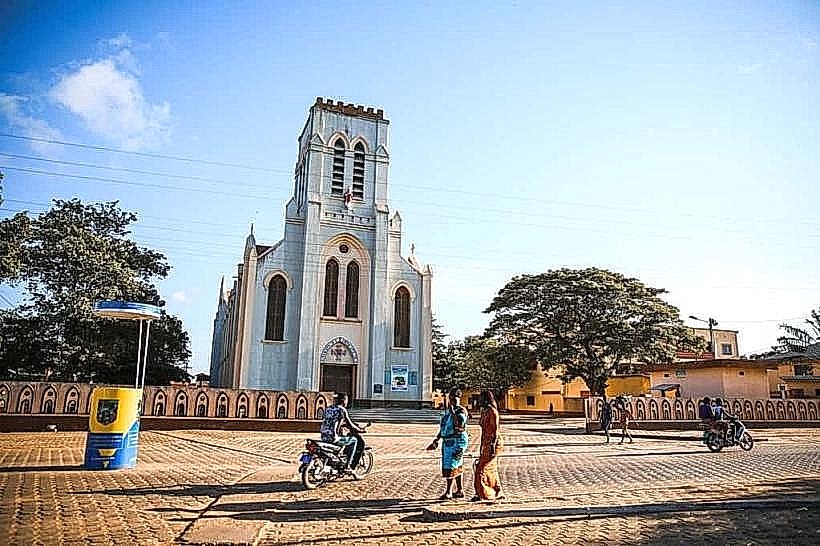
- Ouidah Cathedral (0.8km East)
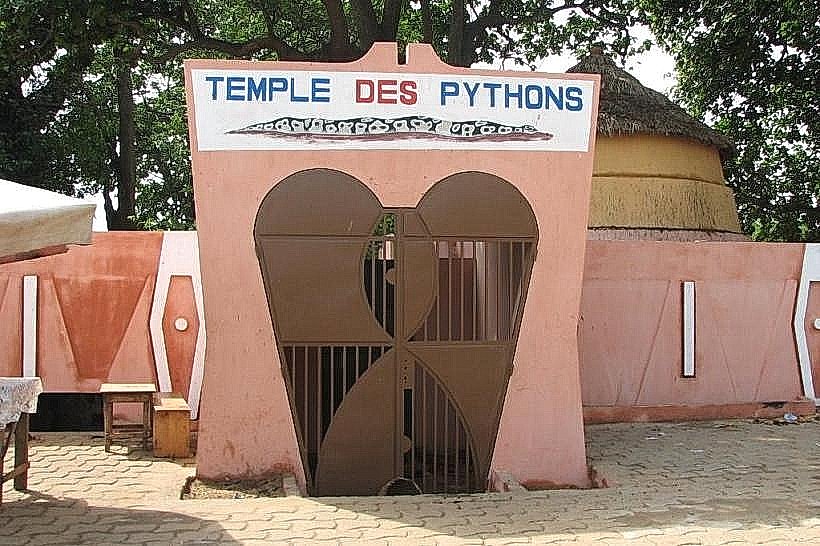
- Python Temple (1.2km East)
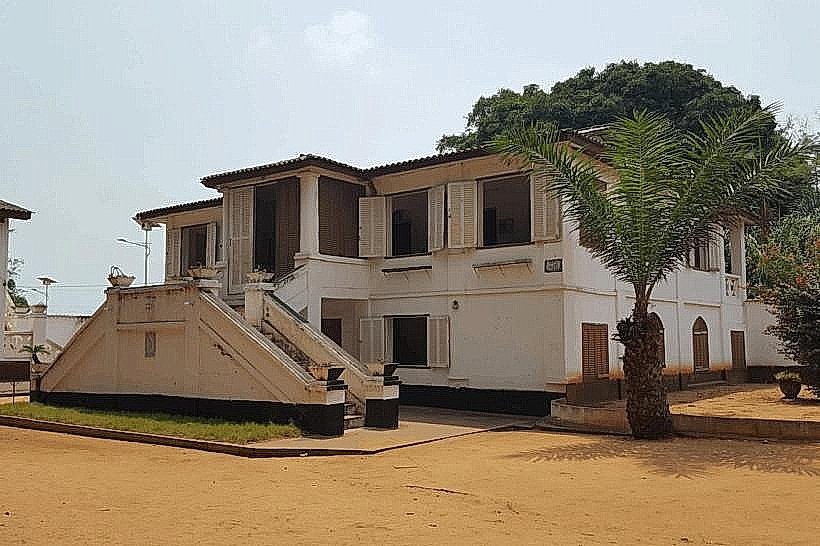
- Ouidah Museum of History (1.5km East)
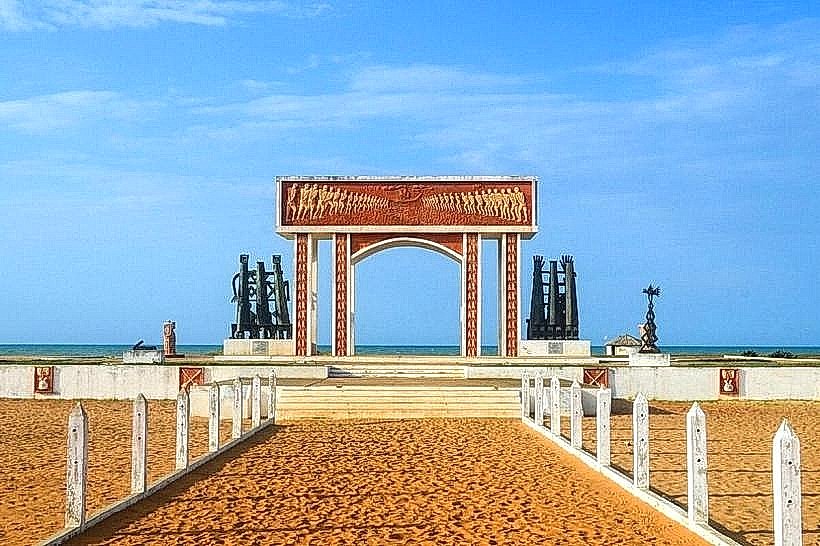
- Slave Route (Route des Esclaves) (2.0km South-East)