Information
Landmark: Ouidah Museum of HistoryCity: Ouidah
Country: Benin
Continent: Africa
Ouidah Museum of History, Ouidah, Benin, Africa
The Ouidah Museum of History is situated in the former Portuguese Fort of São João Baptista da Ajuda in Ouidah, Benin.
Visual Characteristics
The museum is housed within a colonial-era fort constructed primarily of laterite stone and lime mortar. The structure features thick walls, arched doorways, and a central courtyard. Exterior walls are painted a pale ochre, with white trim around windows and battlements. The fort's layout is rectangular, enclosing a significant interior space.
Location & Access Logistics
The museum is located in the center of Ouidah, approximately 40 kilometers west of Cotonou. Access is via the Route Nationale 1 (RN1). From Cotonou, follow RN1 west towards Ouidah. The fort is clearly signposted within the town. Parking is available on-site within the fort's courtyard. Public transport options include shared taxis and buses running regularly between Cotonou and Ouidah; disembark at the Ouidah central market and walk approximately 500 meters south.
Historical & Ecological Origin
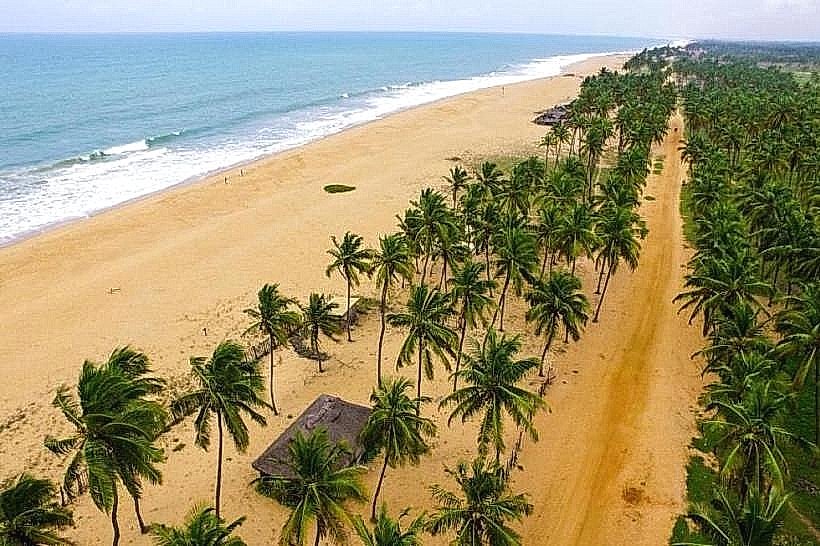
The fort was constructed in the early 18th century by the Portuguese as a trading post and administrative center, primarily for the slave trade. It was later occupied by the French before being repurposed as a museum. The site is situated on relatively flat terrain near the coast, with sandy soil characteristic of the region.
Key Highlights & Activities
Exhibits focus on the history of Ouidah, including its role in the transatlantic slave trade, local voodoo traditions, and pre-colonial kingdoms. Visitors can explore the fort's former barracks, administrative offices, and dungeons. Guided tours are available, detailing the historical significance of each area. Photography is permitted within the museum exhibits.
Infrastructure & Amenities
Restrooms are available within the museum complex. Limited shade is provided by the fort's architecture in the courtyard. Cell phone signal (2G/3G) is generally available. No on-site food vendors are present, but local eateries are located within a 10-minute walk from the fort.
Best Time to Visit
The best time of day for visiting is between 9:00 AM and 3:00 PM to maximize daylight for exploring the fort's exterior and interior spaces. The dry season, from November to April, offers the most favorable weather conditions with lower humidity and minimal rainfall.
Facts & Legends
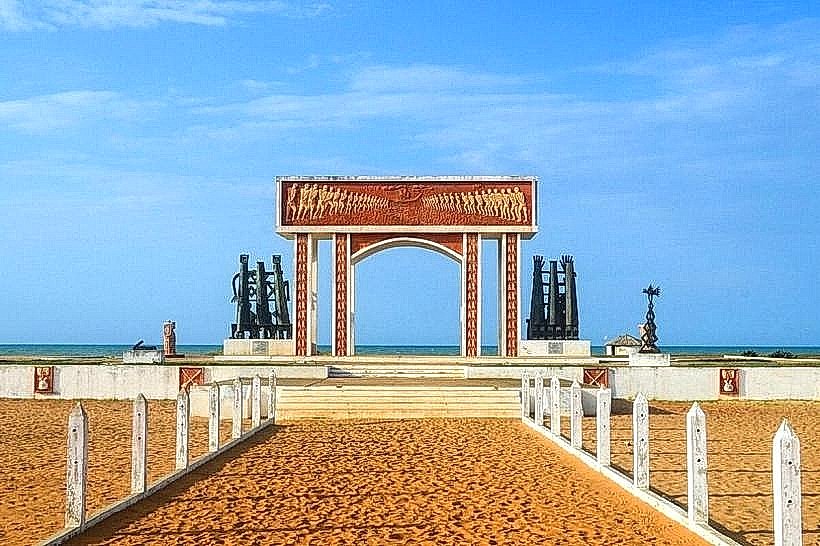
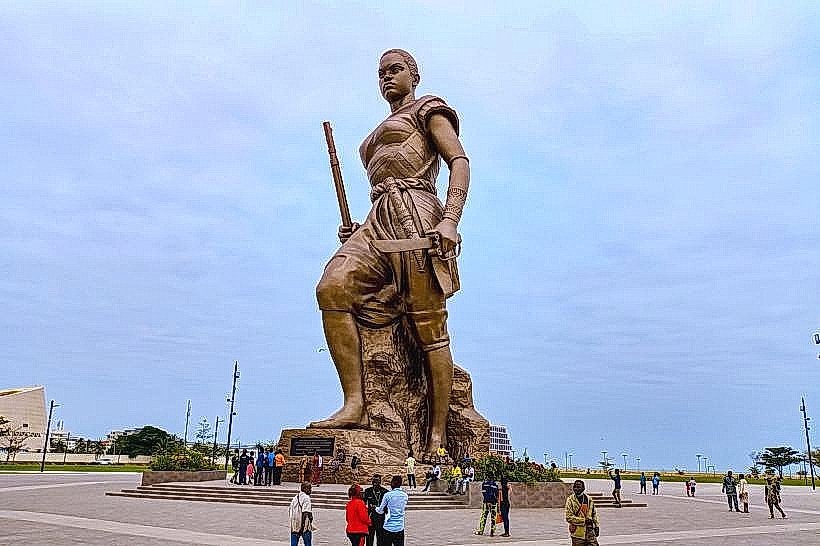
A notable feature is the "Door of No Return," a memorial arch erected on the coast, commemorating the enslaved individuals who were forcibly transported from Ouidah. Local folklore suggests that the spirits of those who passed through the fort still linger, particularly around the former slave holding areas.
Nearby Landmarks
- Basilica of the Immaculate Conception (0.3km North)
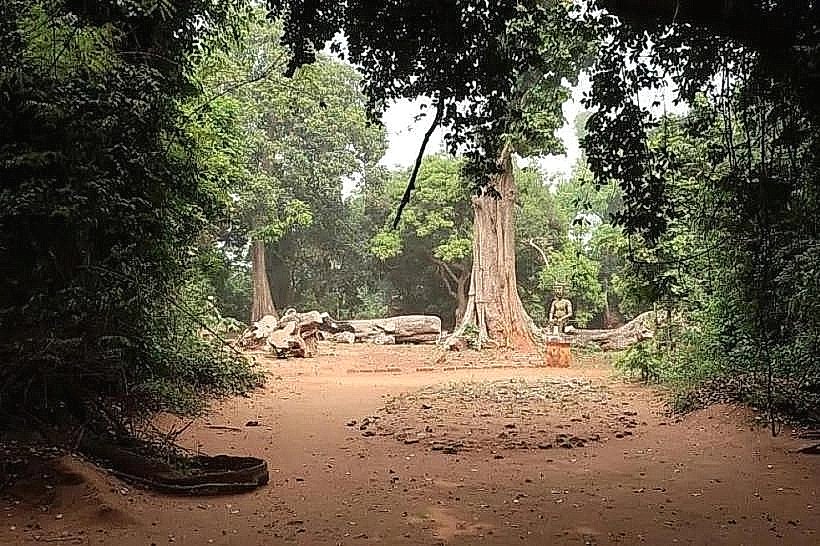
- Sacred Forest of Kpassè (1.2km West)
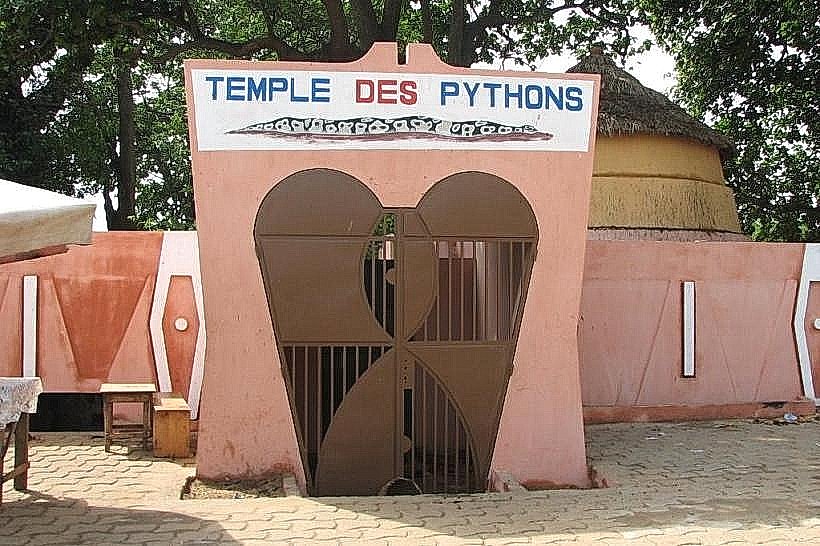
- Python Temple (0.8km North-West)
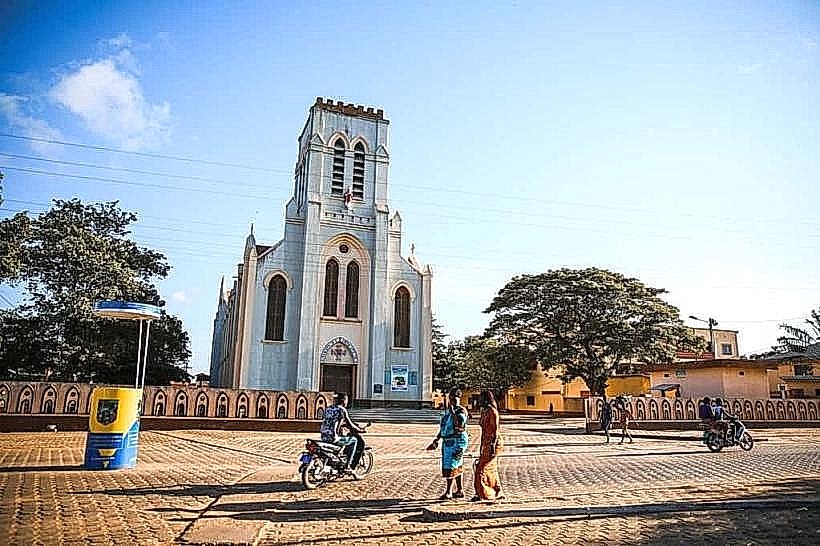
- Ouidah Cathedral (0.4km North)