Information
Landmark: Route des Esclaves (Slave Route)City: Ouidah
Country: Benin
Continent: Africa
Route des Esclaves (Slave Route), Ouidah, Benin, Africa
The Route des Esclaves is a historical path located in Ouidah, Benin, marking the final journey of enslaved people to the coast.
This route comprises a 4km stretch of sandy track leading from the former slave houses to the Atlantic Ocean.
Visual Characteristics
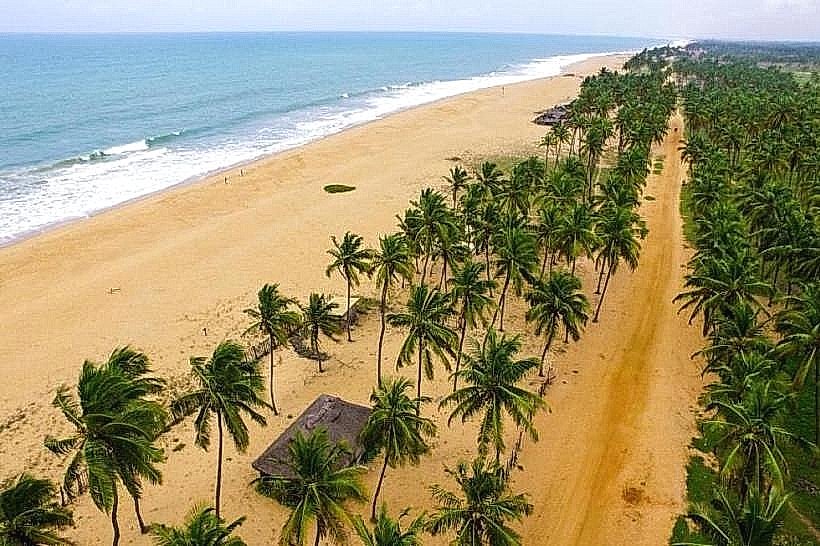
The route is a unpaved path, primarily composed of compacted sand and earth. It is bordered by sparse vegetation, including palm trees and scrub. The path culminates at the shoreline, characterized by dark volcanic sand and the open expanse of the Atlantic Ocean.
Location & Access Logistics
The Route des Esclaves begins in the town of Ouidah, approximately 4 kilometers from the city center. Access is via the N1 national road. Parking is available at the starting point near the historical slave houses. Public transport options to Ouidah include intercity buses from Cotonou. Within Ouidah, local taxis or mototaxis can transport visitors to the route's commencement.
Historical & Ecological Origin
The Route des Esclaves was established during the transatlantic slave trade era, serving as the final passage for individuals captured and sold into slavery. It was utilized from the 17th century until the early 19th century. The path follows the natural topography of the coastal plain.
Key Highlights & Activities
Visitors can walk the route, observing the historical markers and monuments along the way. The "Door of No Return" monument at the ocean's edge is a focal point. Photography is permitted. Educational interpretation is provided at various points.
Infrastructure & Amenities
Restrooms are available at the starting point near the slave houses. Limited shade is provided by scattered trees along the path. Cell phone signal (2G/3G) is generally available. No food vendors are present directly on the route; options are available in Ouidah town.
Best Time to Visit
The best time of day for visiting is in the morning between 8:00 AM and 11:00 AM, or in the late afternoon from 4:00 PM to 6:00 PM to avoid the midday sun. The dry season, from November to April, offers the most favorable weather conditions.
Facts & Legends
A significant monument at the end of the route, the "Door of No Return," was erected in 1995 to commemorate the millions of Africans who passed through this point. It is said that those who touched the ocean at this spot were forever marked by the experience.
Nearby Landmarks
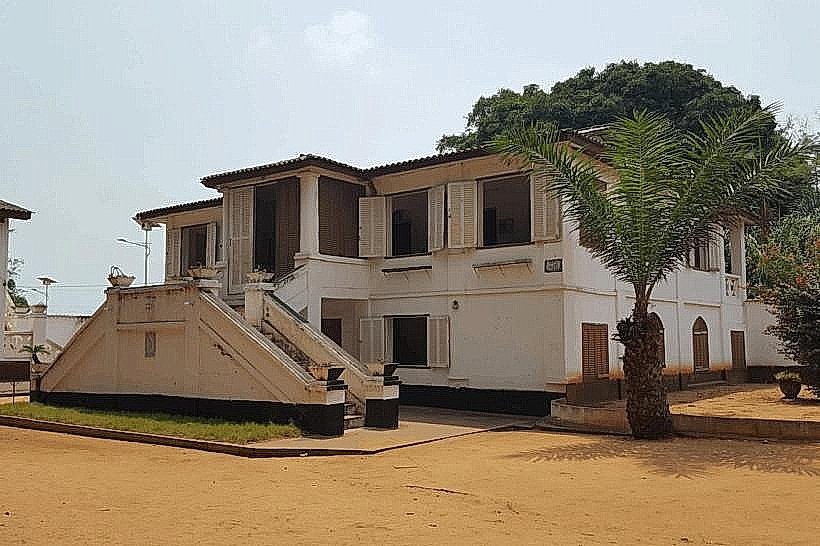
- 0.3km West: Ouidah Historical Museum
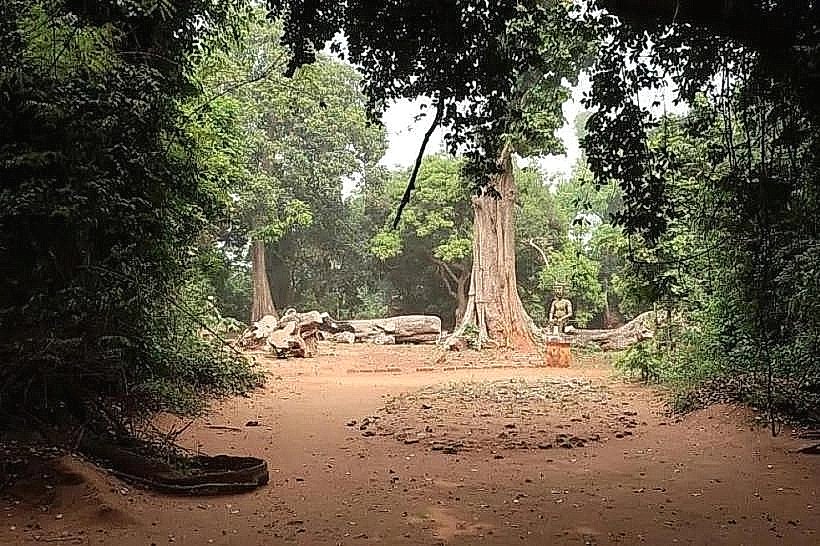
- 0.5km Northwest: Sacred Forest of Kpassè
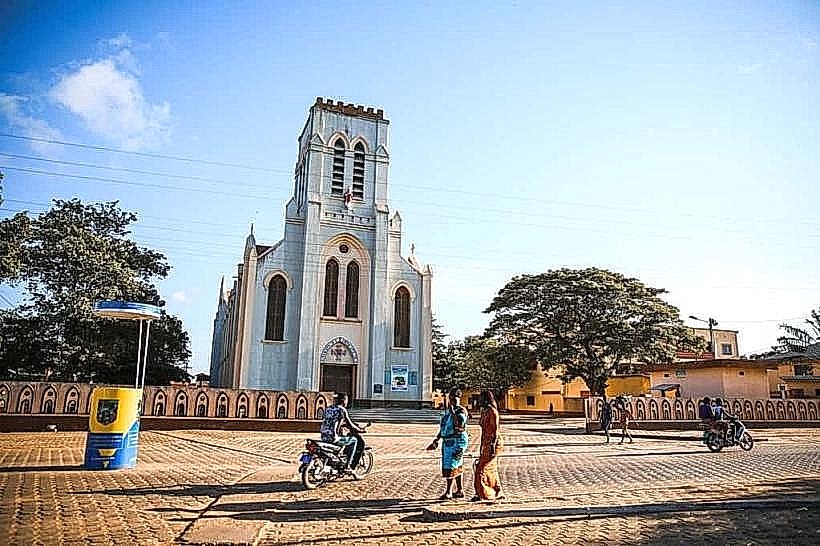
- 1.2km North: Cathedral of Ouidah
- 2.5km East: Python Temple