Information
Landmark: Royal Palace of Porto-NovoCity: Porto Novo
Country: Benin
Continent: Africa
Royal Palace of Porto-Novo, Porto Novo, Benin, Africa
The Royal Palace of Porto-Novo is a historical administrative building located in Porto-Novo, the capital city of Benin.
It served as the official residence and administrative center for the Kings of Porto-Novo.
Visual Characteristics
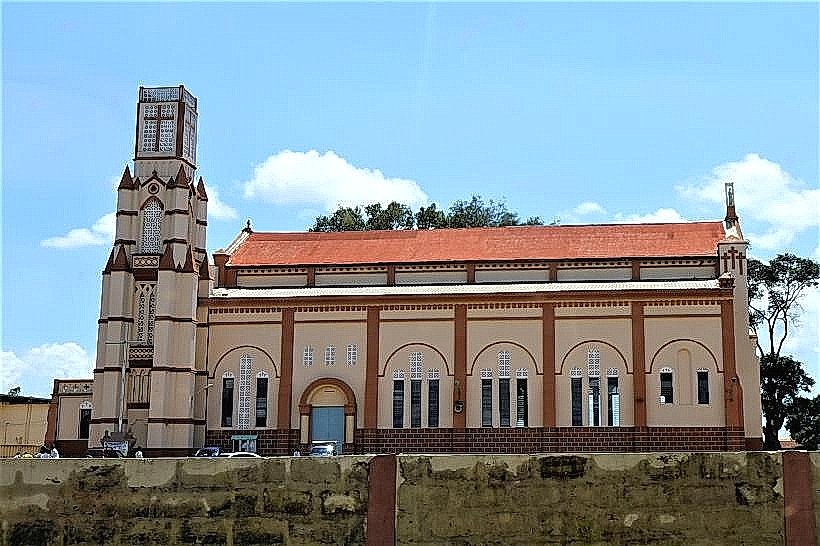
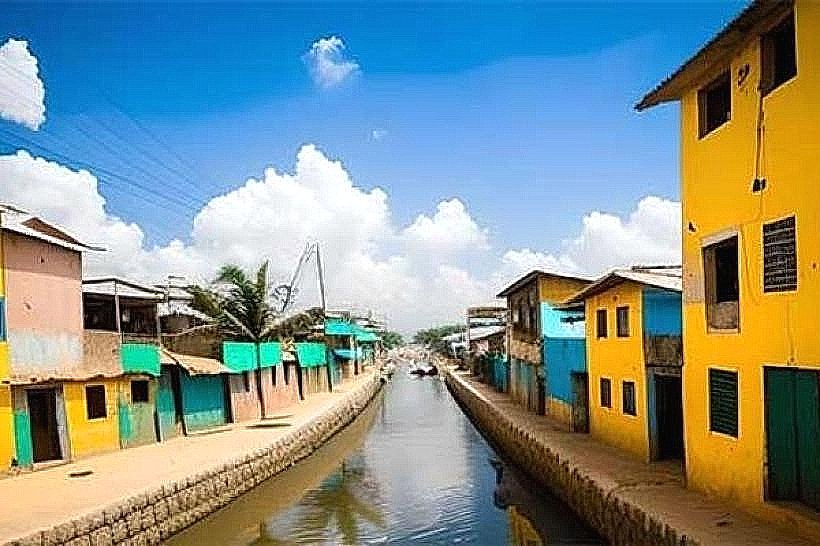
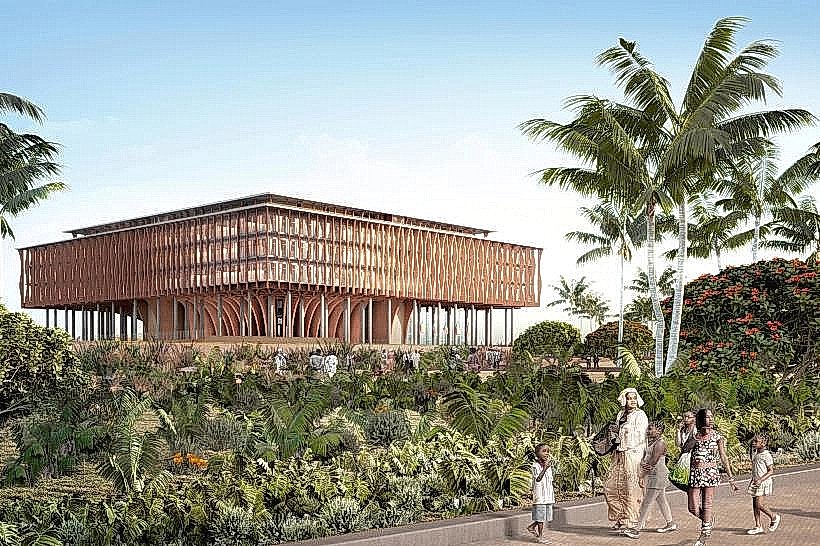
The palace is a two-story structure constructed primarily from red brick and stucco. Its architectural style exhibits a blend of colonial and local influences, featuring arched windows, a central courtyard, and a red-tiled roof. The facade is painted in a pale yellow hue with white trim around the windows and cornices.
Location & Access Logistics
The palace is situated at Rue du Palais, approximately 1.5 kilometers south of the city center of Porto-Novo. Access is via paved roads. Limited street parking is available in the vicinity. Public transport options include local taxis and motorcycle taxis that frequent the area.
Historical & Ecological Origin
Construction of the Royal Palace began in 1905 and was completed in 1907. It was commissioned by King Toffa I and designed by French colonial architects. Its original purpose was to serve as the seat of power and residence for the monarchy of Porto-Novo during the French colonial period.
Key Highlights & Activities
Visitors can observe the exterior architecture of the palace. Interior access is restricted to official functions. The grounds surrounding the palace are accessible for viewing.
Infrastructure & Amenities
Restrooms are not publicly available within the palace grounds. Shade is provided by mature trees on the perimeter. Cell phone signal (4G/5G) is generally available in the area. No food vendors are located directly at the palace; options are available in the nearby city center.
Best Time to Visit
The best time for photography of the exterior is during the morning hours (9:00 AM - 11:00 AM) when the sun illuminates the facade. The dry season, from November to April, offers the most favorable weather conditions for visiting.
Facts & Legends
A notable historical detail is that the palace was built on land previously occupied by the French colonial administration, signifying a symbolic integration of traditional authority within the colonial structure.
Nearby Landmarks
- Musée d'Art Africain Contemporain (0.3km North)
- Grand Marché (0.8km Northwest)
- Place Jean Bayol (1.2km North)
- Cathédrale Notre-Dame de Porto-Novo (1.4km North)