Information
Landmark: Ethnographic MuseumCity: Porto Novo
Country: Benin
Continent: Africa
Ethnographic Museum, Porto Novo, Benin, Africa
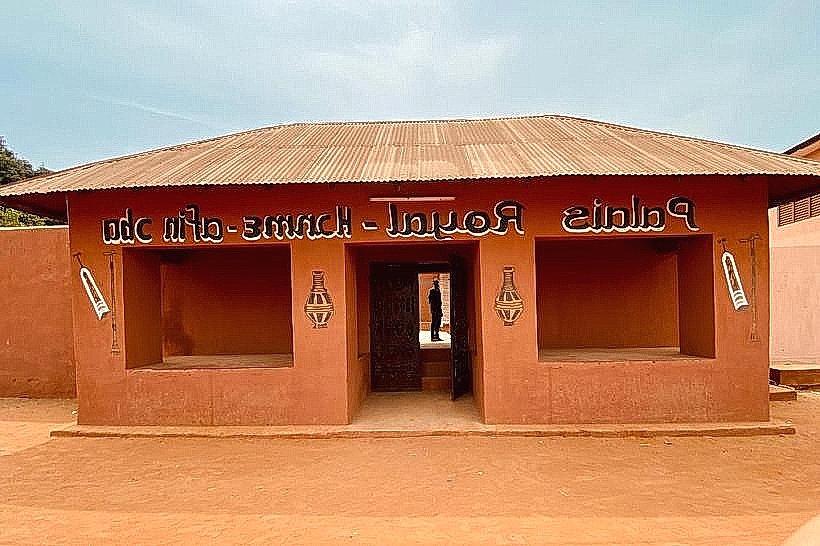
The Ethnographic Museum is located in Porto Novo, Benin. It houses a collection of artifacts related to the cultural heritage of Benin.
Visual Characteristics
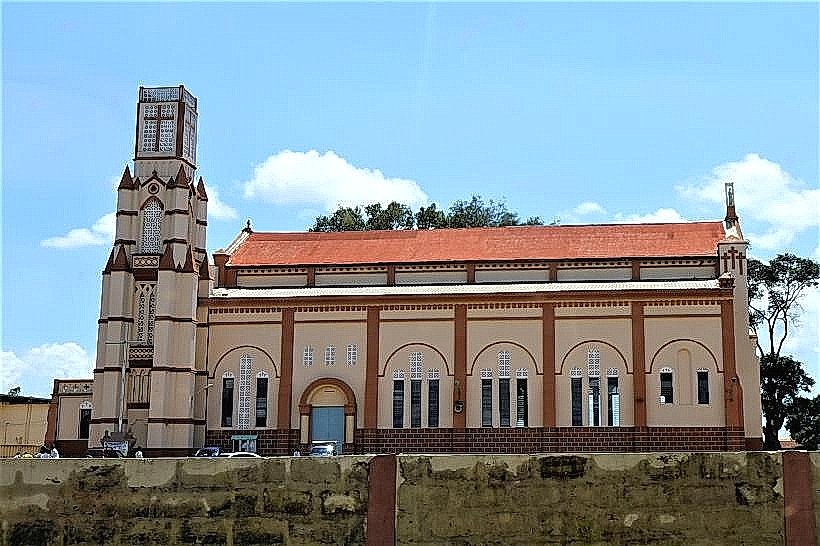
The museum building is a colonial-era structure constructed primarily of red brick. It features a rectangular footprint with a pitched, tiled roof. The facade is characterized by arched windows and a central entrance portico. The exterior paint is a pale yellow, with white trim around windows and doors.
Location & Access Logistics
The museum is situated at Rue du Gouverneur Bayol, in the central district of Porto Novo. It is approximately 1.5 kilometers east of the city center. Limited street parking is available in the vicinity. Public transport options include local taxis and mototaxis that frequent Rue du Gouverneur Bayol.
Historical & Ecological Origin
The building was originally constructed in the early 20th century to serve as a residence for colonial administrators. It was later repurposed and opened as the Ethnographic Museum in 1970. The site itself is on relatively flat terrain within the urban landscape of Porto Novo.
Key Highlights & Activities
Exhibits focus on traditional Beninese life, including displays of masks, musical instruments, clothing, and tools. Visitors can observe artifacts from various ethnic groups within Benin. The museum offers a chronological overview of the region's history and cultural practices.
Infrastructure & Amenities
Restrooms are available on the ground floor. Limited seating is provided within exhibition halls. Cell phone signal (2G/3G) is generally available. No on-site food vendors are present; however, local eateries are located within a 500-meter radius.
Best Time to Visit
The museum is open Tuesday through Sunday. The best time of day for interior photography is between 10:00 AM and 2:00 PM, when natural light is most consistent. The dry season, from November to April, offers more comfortable outdoor conditions for reaching the museum.
Facts & Legends
A notable artifact within the collection is a ceremonial throne believed to have belonged to a former Dahomey king. Local lore suggests that certain masks displayed in the museum possess protective spiritual qualities when used in traditional ceremonies.
Nearby Landmarks
- Palais de la République (0.8km West)
- Grand Marché (1.2km Southwest)
- Porto Novo Cathedral (1.0km West)
- Musée d'Art Africain Contemporain (1.5km Southwest)