Information
Landmark: Sacred ForestsCity: Porto Novo
Country: Benin
Continent: Africa
Sacred Forests, Porto Novo, Benin, Africa
The Sacred Forests of Porto Novo, Benin, are protected areas of forest land maintained for religious and cultural purposes.
Visual Characteristics
These forests consist of dense tropical vegetation, primarily composed of mature trees such as Iroko and Baobab. The undergrowth is thick, with a variety of shrubs and herbaceous plants. The ground is typically covered in leaf litter and soil. The overall impression is one of natural enclosure and shade.
Location & Access Logistics
The Sacred Forests are located within the city limits of Porto Novo, Benin. Access is generally from local roads branching off the main Route Nationale 1. Specific entry points are often marked by small shrines or designated paths. Parking is typically informal, along the roadside adjacent to the forest entrances. Public transport within Porto Novo can reach areas near the forests, requiring a short walk to the specific sites.
Historical & Ecological Origin
These forests are considered sacred by the local Fon people and have been maintained for centuries as sites for traditional religious ceremonies and as burial grounds. Ecologically, they represent remnants of the original coastal savanna woodland that once characterized the region, preserved due to their cultural significance.
Key Highlights & Activities
Visitors can observe the diverse flora and fauna. Guided walks are sometimes available, led by local custodians who can explain the cultural significance of specific trees and areas. Photography of the natural environment is permitted. Respectful observation of any ongoing traditional practices is expected.
Infrastructure & Amenities
Basic amenities are minimal. There are no formal restrooms or designated visitor centers within the forests themselves. Shade is abundant due to the tree canopy. Cell phone signal strength can be variable, often weak to moderate within the denser sections. Food vendors are typically found in the surrounding urban areas of Porto Novo, not directly at the forest entrances.
Best Time to Visit
The best time for visiting is during the dry season, from November to April, to avoid heavy rainfall. The early morning or late afternoon offers softer lighting conditions for photography. There are no tidal considerations for these forest sites.
Facts & Legends
A common belief is that the spirits of ancestors reside within the oldest trees, particularly the Iroko trees, which are considered sacred and are often adorned with offerings. It is customary to ask permission from the forest guardian before entering.
Nearby Landmarks
- Palais des Gouverneurs (0.8km West)
- Musée d'Art Africain Contemporain (1.2km Southwest)
- Grand Marché Dantokpa (2.5km Northwest)
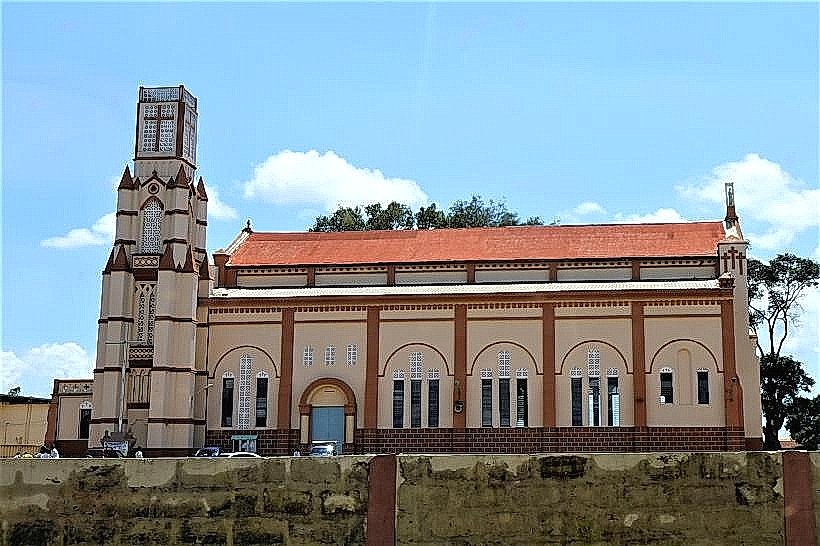
- Porto Novo Cathedral (1.5km West)
- Jardin des Plantes et de la Nature (1.8km Southwest)