Information
City: ParakouCountry: Benin
Continent: Africa
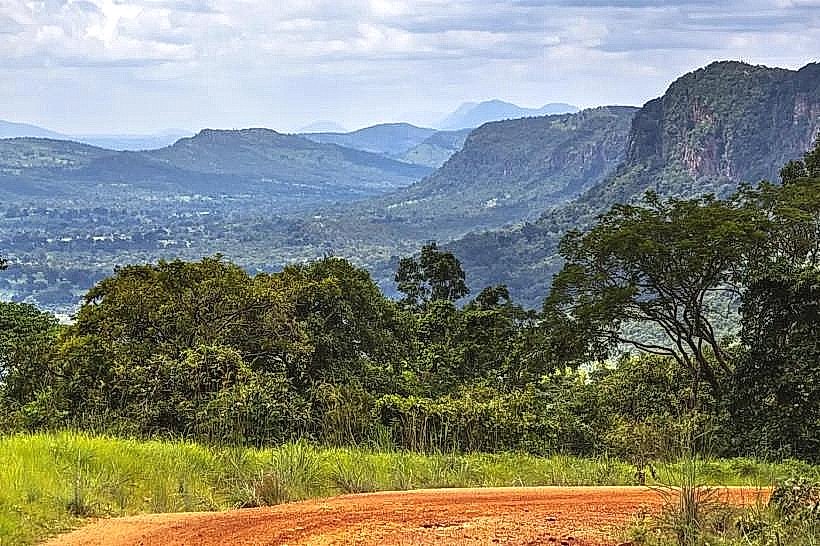
Parakou, Benin, Africa
Parakou serves as the primary metropolis of northern Benin and the third-largest city in the country. Situated in the Borgou Department, it acts as a critical inland port and transport crossroads, connecting the southern coast to landlocked neighbors like Niger and Burkina Faso.
Historical Timeline
Founded in the 16th century by traders, Parakou’s name is derived from a Dendi word meaning "the city of everyone," highlighting its historical role as a multicultural hub. It was long a vassal state of the Nikki Kingdom. In the 19th century, it became a major center for the trans-Saharan trade and later the slave trade. Under French colonial rule, it was solidified as the administrative and logistical anchor of the north, a status cemented by the arrival of the railway from Cotonou.
Demographics & Population
As of 2026, the population of the Parakou metropolitan area is estimated at approximately 459,000. The city is exceptionally diverse, housing ethnic groups including the Bariba (the traditional regional power), Dendi, Fon, Yoruba, and Fula. It has one of the highest growth rates in Benin, driven by its status as a regional economic pole.
Urban Layout & Key Districts
Centre Ville: The dense commercial core, home to major markets and the central mosque.
Arzeke: The district surrounding the Grand Marché, characterized by high-intensity trade.
Kpankpan: A central neighborhood known for traditional crafts and residential clusters.
Arafat / University District: Located in the north, this area houses the University of Parakou and has a significant student population.
Ladji Farani: A district known for its traditional leadership and Bariba cultural roots.
Top City Landmarks
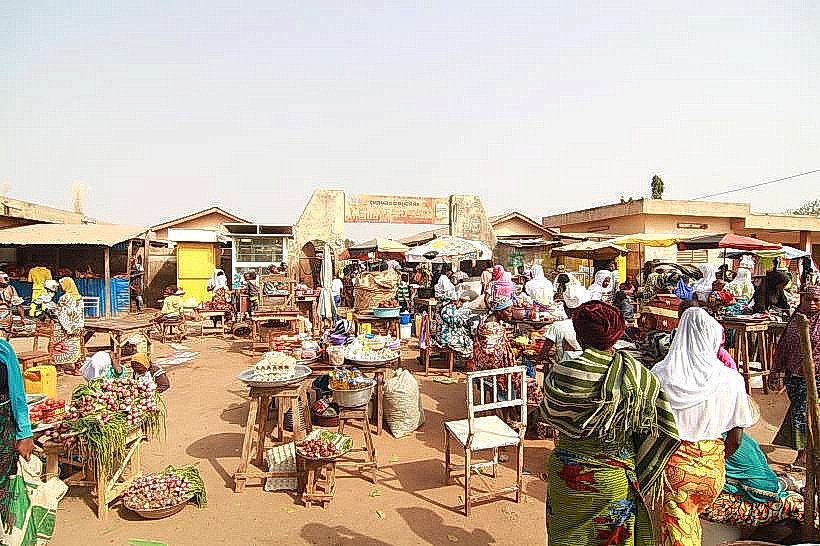
Grand Marché Azéké: One of the largest international markets in Benin, serving as the city's economic heart.
Musée en Plein Air de Parakou: An open-air museum showcasing traditional Bariba architecture and wooden handicrafts.
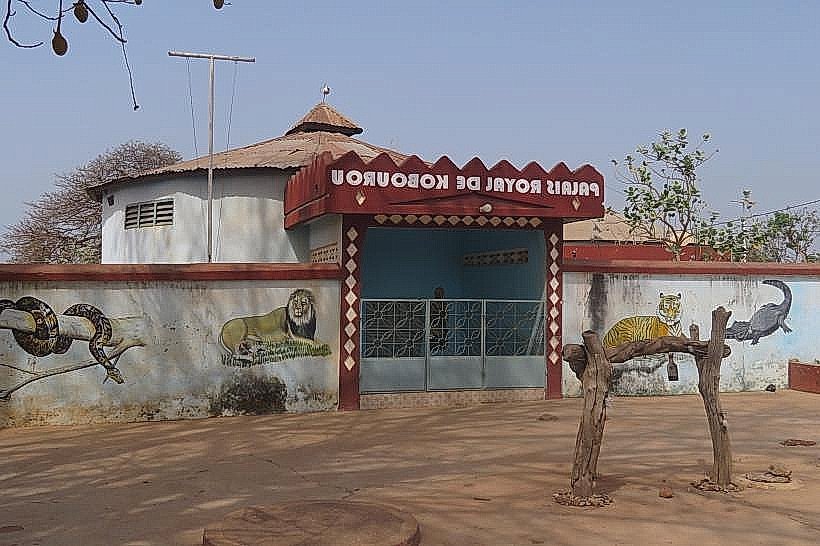
Kobourou Palace: The traditional seat of the King of Parakou.
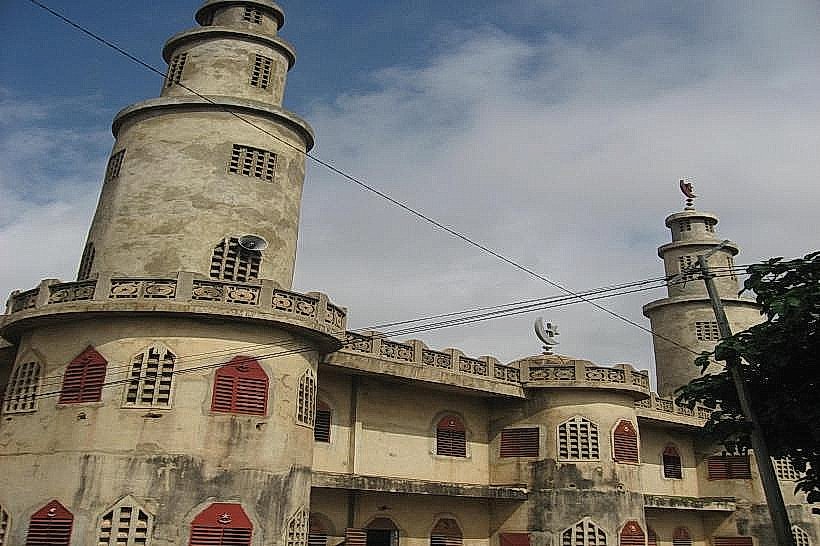
Central Mosque of Parakou: A prominent architectural landmark representing the city's Islamic heritage.
Place Bio Guéra: A square featuring a monument to the national hero Bio Guéra, who led resistance against French colonial forces.
Transportation Network
Parakou is the northern terminus of the Benin-Niger Railway and sits on the RNIE 2, the country’s primary north-south highway.
Road: As of 2026, the Parakou Urban Transport Project has modernized over 17 km of city roads into solar-lit dual lanes, significantly reducing travel times.
Rail: Cargo and irregular passenger services connect the city to Cotonou.
Local: The Zémidjan (motorcycle taxi) is the universal mode of transport; drivers here wear yellow shirts.
Safety & "Red Zones"
Travelers should exercise a high degree of caution.
Regional Risk: Most foreign offices (including the UK and Australia) advise against travel to the border regions of Borgou (east toward Nigeria) due to the risk of kidnapping and terrorism.
Unrest: Following an attempted coup in December 2025, security forces are heightened. Avoid large gatherings and demonstrations.
Highway Safety: Nighttime travel on the RNIE 2 is discouraged due to poorly lit vehicles and the risk of highway robbery.
Digital & Financial Infrastructure
Internet speeds range from 20–50 Mbps; 4G is standard in the city, with 5G pockets near the University. The currency is the CFA Franc (XOF).
Payments: The economy is cash-dominant. MTN and Moov Mobile Money are the primary methods for digital transfers.
Banking: ATMs are available in the city center (e.g., Ecobank, BOA), but international card acceptance is rare outside major hotels.
Climate & Air Quality
Tropical savanna climate. January 2026 is the peak of the dry season.
Temperature: Highs of 33°C–36°C; nights are cooler at 20°C.
Air Quality: Currently Unhealthy (AQI 150–180) due to the Harmattan, which brings thick Saharan dust and smoke from seasonal brush fires in the north.
Culture & Social Norms
Parakou is a center of Bariba culture. It is famous for Wagasi (cow's milk cheese) and cotton textiles.
Religion: Predominantly Muslim, though traditional beliefs and Christianity are widely practiced.
Social Etiquette: Modest dress is expected. Always use your right hand for greetings and transactions.
Local Cost Index
1 Espresso: 1,200 XOF ($2.15)
1 Standard Lunch: 3,500 XOF ($6.35)
1 Short "Zem" Ride: 300–500 XOF ($0.55–$0.90)
1 Liter of Petrol: 650 XOF ($1.18)
Nearby Day Trips
Nikki: The capital of the Bariba people, famous for the Gaani Festival and the Royal Palace (93 km east).
Tchaourou: Birthplace of former President Boni Yayi and a major crossroads town (51 km south).
W National Park: Historically a major draw, but currently off-limits to most travelers due to extreme security risks.
Facts & Legends
Parakou is known as the "City of the Horse," a symbol of the Bariba warriors. Legend tells of the founding hero Gnon Koy, a hunter who established the settlement; his spirit is said to still protect the city’s markets. A modern feat is the city's transition to solar-powered street lighting, which locals claim has reduced nighttime crime by over 20% since its implementation.