Information
Landmark: Abomey Historical MuseumCity: Abomey
Country: Benin
Continent: Africa
Abomey Historical Museum, Abomey, Benin, Africa
The Abomey Historical Museum is located in the city of Abomey, Benin. It preserves artifacts and structures from the Kingdom of Dahomey.
Visual Characteristics
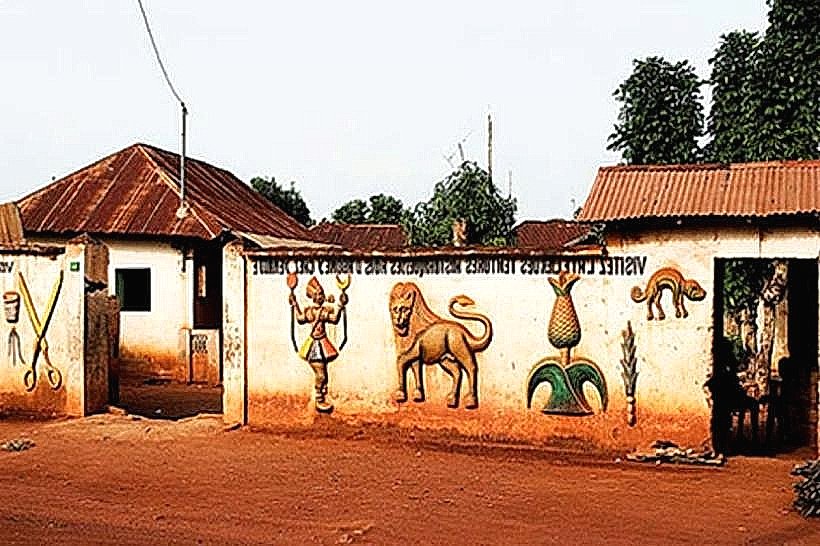
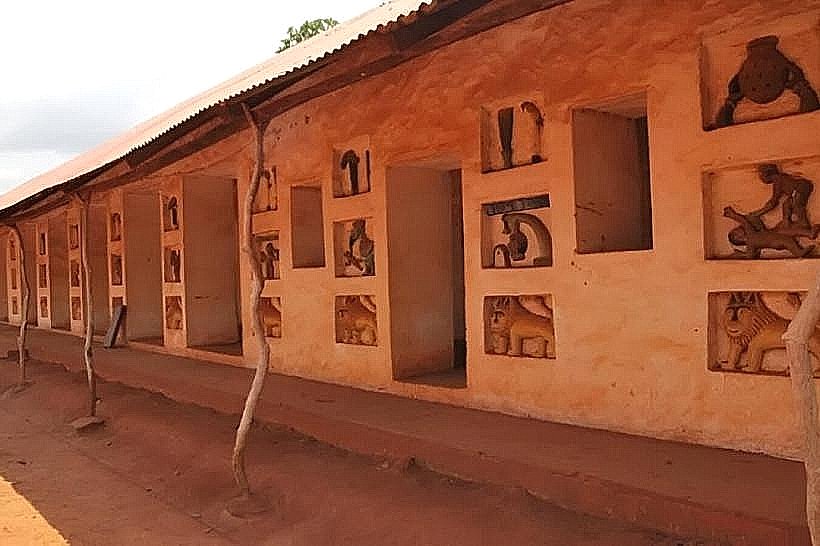
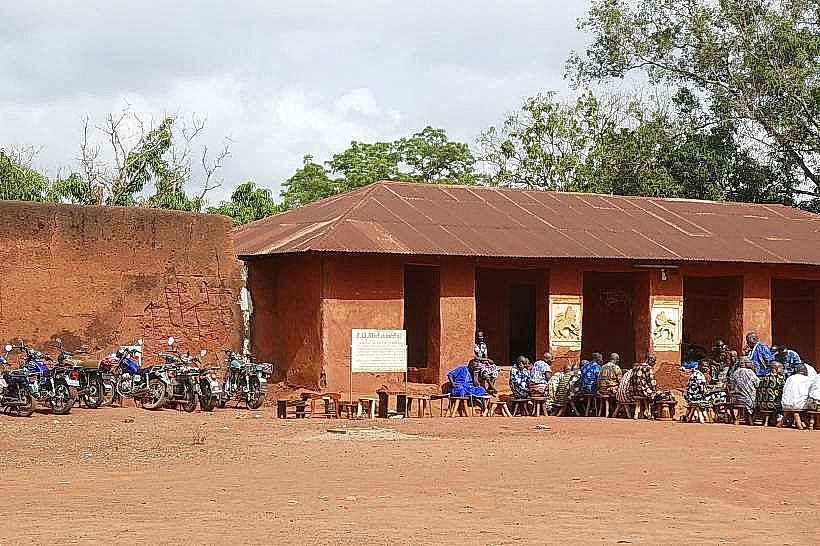
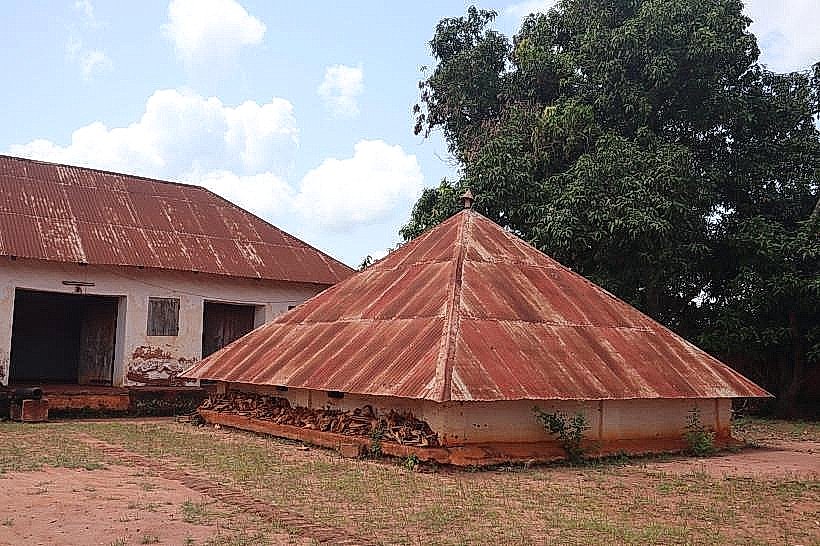
The museum complex comprises several royal palaces constructed primarily from adobe brick and earth. The walls are often painted with ochre and red pigments. Roofs are typically thatched or corrugated iron. The structures exhibit a traditional West African architectural style, characterized by courtyards and open spaces.
Location & Access Logistics
The museum is situated in the center of Abomey. It is accessible via the Route Nationale 1 (RN1). The city center is approximately 140 kilometers north of Cotonou. Parking is available on-site. Public transport to Abomey is primarily by shared taxis or buses from major cities like Cotonou and Porto-Novo.
Historical & Ecological Origin
The palaces were built between the 17th and 19th centuries by successive kings of the Kingdom of Dahomey, including King Ghezo and King Glele. They served as the administrative and residential centers of the kingdom. The site is a UNESCO World Heritage site, recognized for its cultural significance.
Key Highlights & Activities
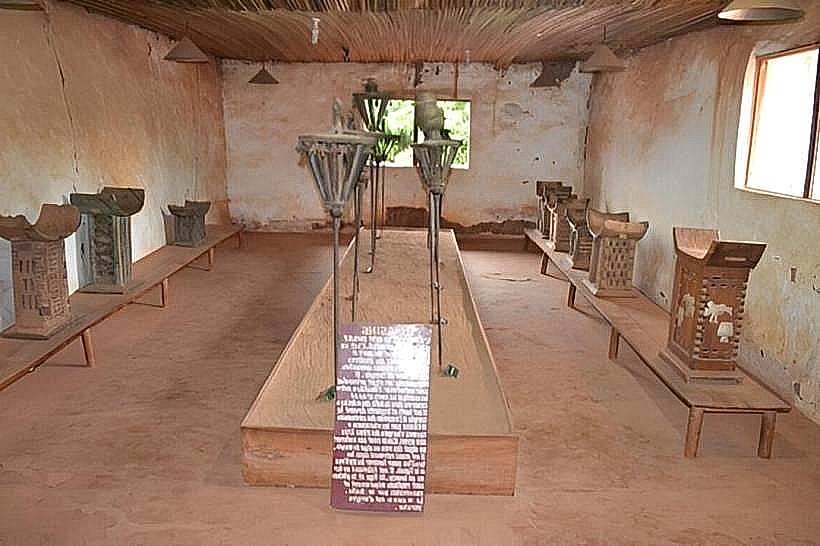
Visitors can explore the royal palaces, including the Palace of King Ghezo and the Palace of King Glele. Exhibits feature royal regalia, weapons, thrones, and historical documents. Guided tours are available, providing context on the history of the Dahomey Kingdom and its rulers.
Infrastructure & Amenities
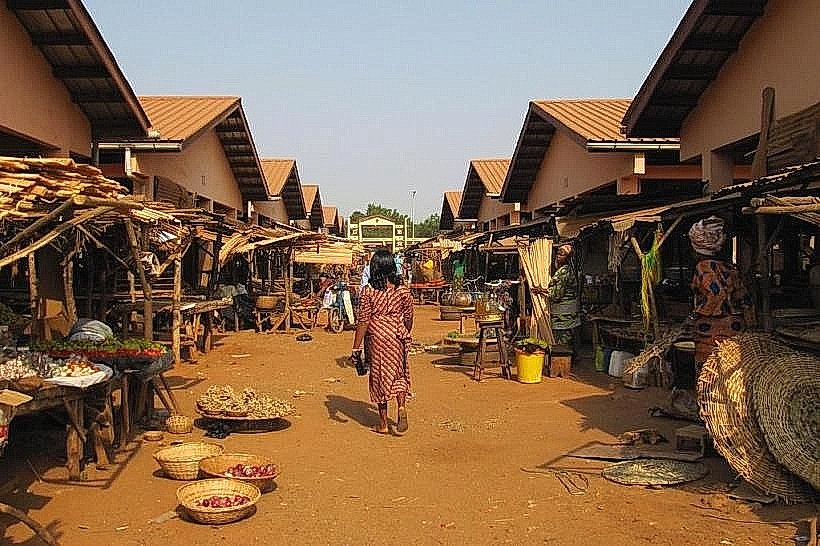
Restrooms are available within the museum complex. Limited shade is provided by the palace structures. Cell phone signal (4G/5G) is generally available in Abomey. Food vendors are typically located in the vicinity of the city center, a short walk from the museum.
Best Time to Visit
The best time of day for photography is generally mid-morning or late afternoon to avoid harsh midday light. The dry season, from November to April, offers the most favorable weather conditions for visiting. There are no tide-dependent activities.
Facts & Legends
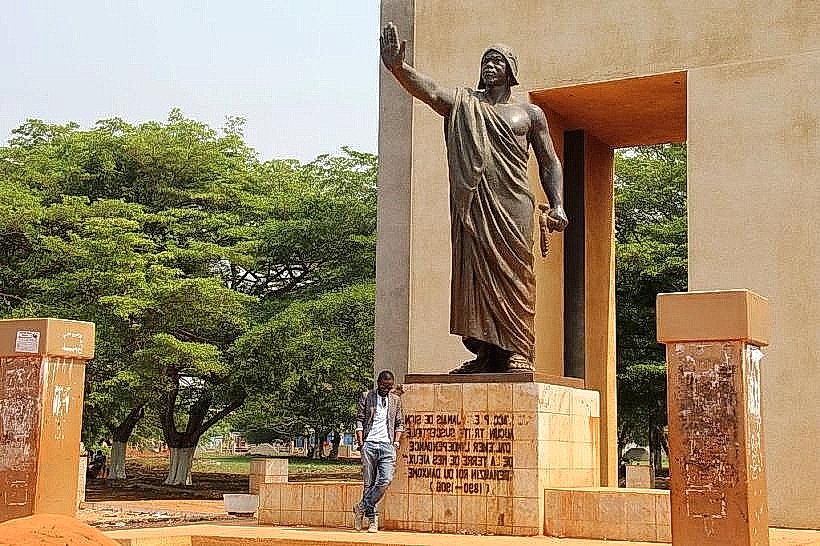
One notable artifact is the throne of King Béhanzin, reportedly made from the skulls of his enemies. The museum also houses the royal tombs, which were once a site of pilgrimage and ritual.
Nearby Landmarks
- Palais Royal de Danxome (0.1km North)
- Musée d'Histoire de Ouidah (45km South)
- Lac Ahémé (30km Southwest)
- Porto-Novo (140km Southeast)