Information
Landmark: Palais de GlèlèCity: Abomey
Country: Benin
Continent: Africa
Palais de Glèlè, Abomey, Benin, Africa
Palais de Glèlè is a historical royal palace located in Abomey, Benin.
It is one of the twelve royal palaces of the Kingdom of Dahomey.
Visual Characteristics
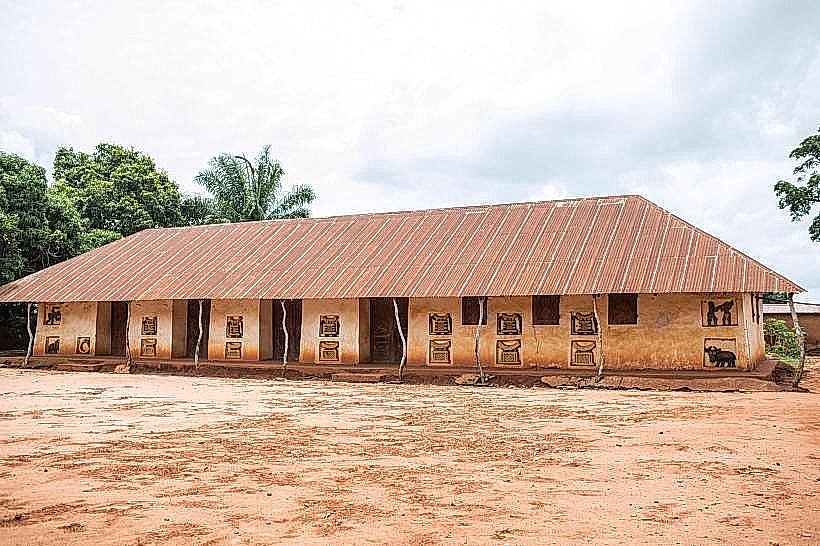
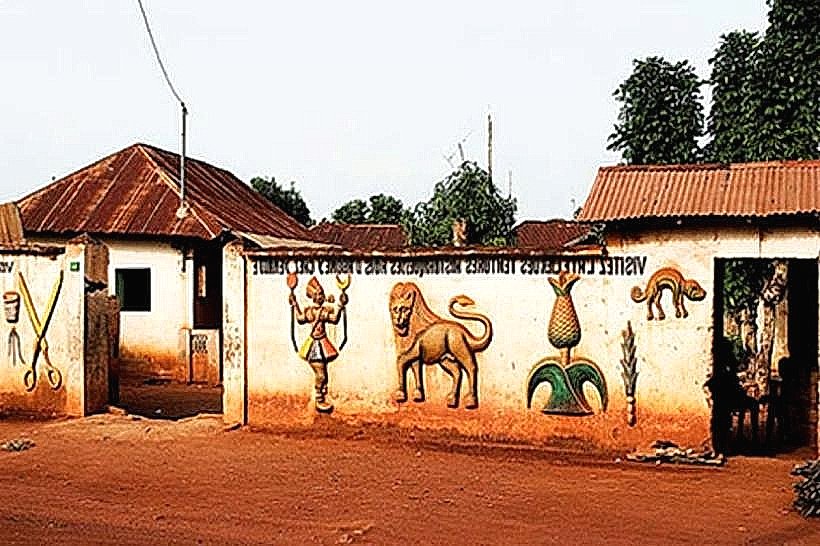
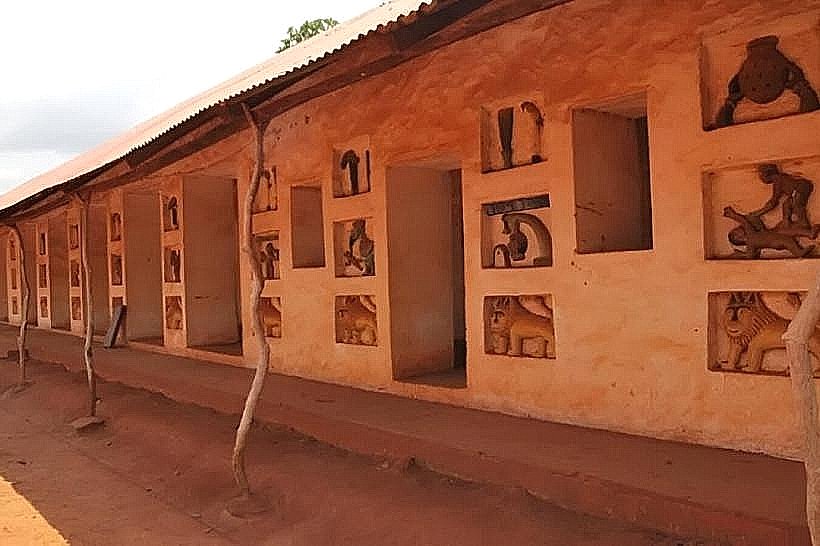
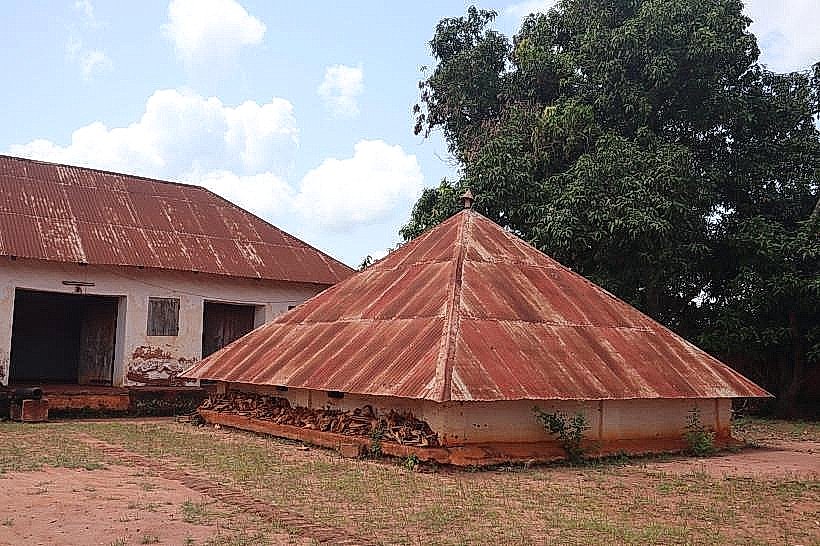
The palace complex consists of several rectangular, single-story buildings constructed primarily from adobe (mud brick) with thatched roofs. The exterior walls are typically rendered in a reddish-brown earth tone. Decorative elements include bas-reliefs depicting historical scenes and symbolic motifs, often painted in muted earth colors. The internal courtyards are open to the sky.
Location & Access Logistics
Palais de Glèlè is situated in the central area of Abomey. It is approximately 1.5 kilometers south of the city center. Access is via paved roads within Abomey, with specific routes leading to the palace entrance. Limited on-street parking is available in the vicinity. Public transport within Abomey includes shared taxis and motorcycle taxis that can drop visitors near the palace. The nearest major bus station is in the city center, requiring a short onward journey.
Historical & Ecological Origin
The palace was constructed in the mid-19th century, commissioned by King Glèlè of Dahomey. It served as a royal residence and administrative center for the kingdom. The construction materials are locally sourced adobe, reflecting traditional building techniques of the region. The site's ecological context is that of the West African savanna, with a dry tropical climate.
Key Highlights & Activities
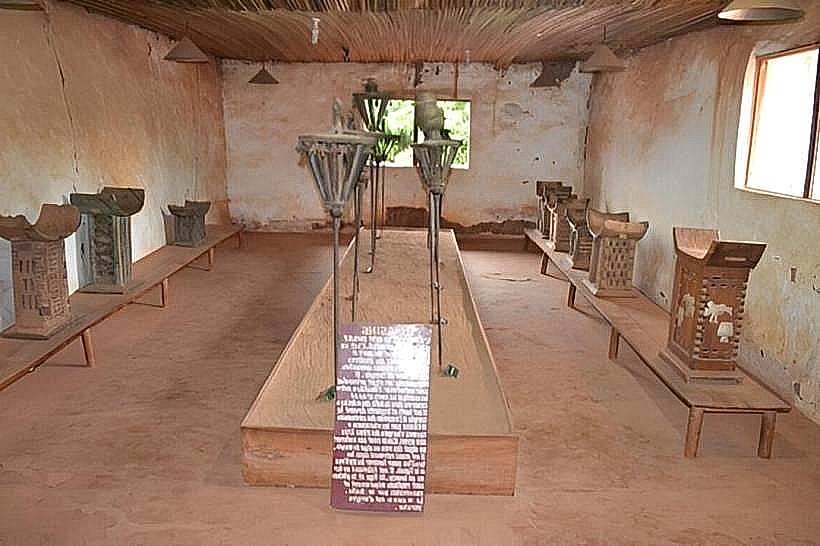
Visitors can observe the preserved royal apartments and ceremonial halls. Exhibits within the palace display artifacts related to the Dahomey Kingdom, including royal regalia, weapons, and historical documents. Guided tours are available, providing context on the palace's history and the lives of its former inhabitants. Photography is permitted in designated areas.
Infrastructure & Amenities
Restrooms are available on-site for visitors. Limited shaded areas are present within the courtyards. Cell phone signal (2G/3G) is generally available. Food vendors are typically located in the market areas surrounding the city center, not directly at the palace entrance.
Best Time to Visit
The best time of day for photography is during the morning (9:00 AM - 11:00 AM) or late afternoon (3:00 PM - 5:00 PM) to avoid harsh midday sun and capture softer light on the adobe structures. The dry season, from November to March, offers the most favorable weather conditions with lower humidity and minimal rainfall.
Facts & Legends
A notable historical detail is that the palace, along with other royal structures in Abomey, was designated a UNESCO World Heritage site in 1985, recognizing its cultural significance. A specific tip for visitors is to pay close attention to the bas-reliefs, as they often tell complex stories of royal achievements and religious beliefs.
Nearby Landmarks
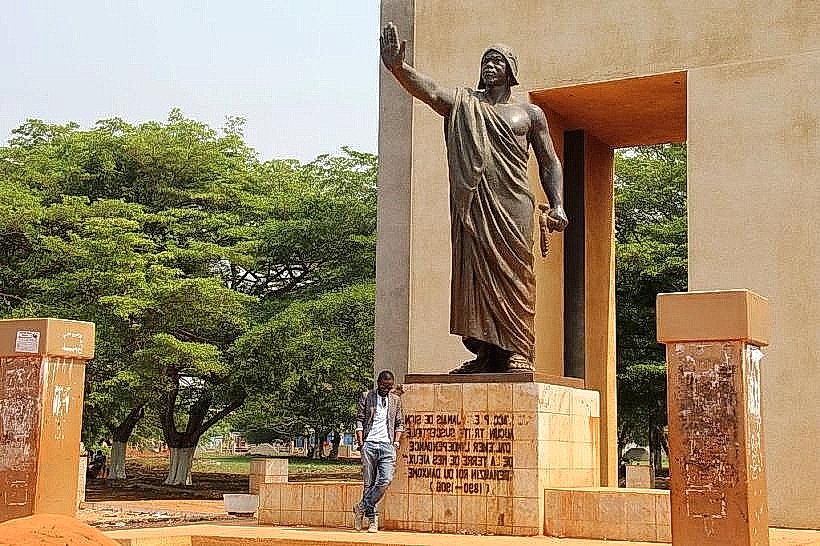
- Palais des Rois d'Abomey (0.2km North)
- Musée Historique d'Abomey (0.3km North)
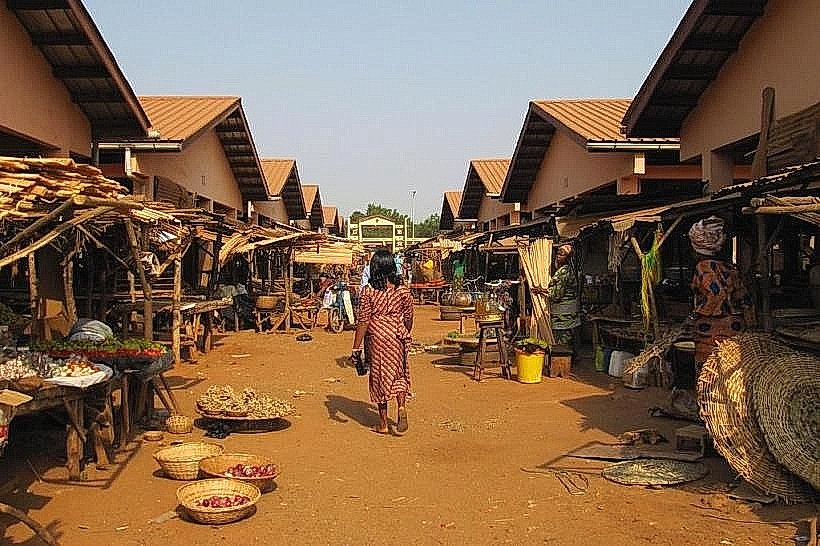
- Marché Dantokpa (Abomey branch) (1.0km West)
- Cathédrale Notre-Dame d'Arigbo (1.2km North)