Information
Landmark: King’s TombsCity: Abomey
Country: Benin
Continent: Africa
King’s Tombs, Abomey, Benin, Africa
The King's Tombs are a complex of royal mausoleums located in Abomey, Benin. These structures serve as the final resting places for the monarchs of the Kingdom of Dahomey.
Visual Characteristics
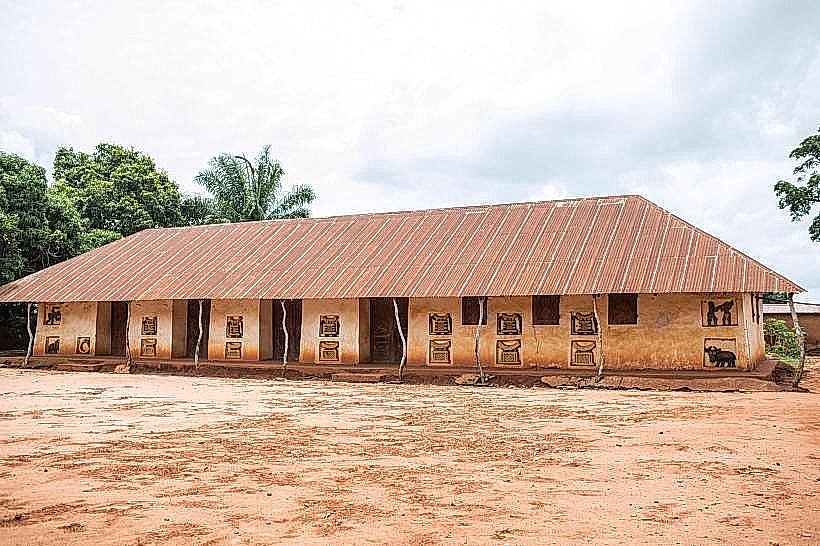
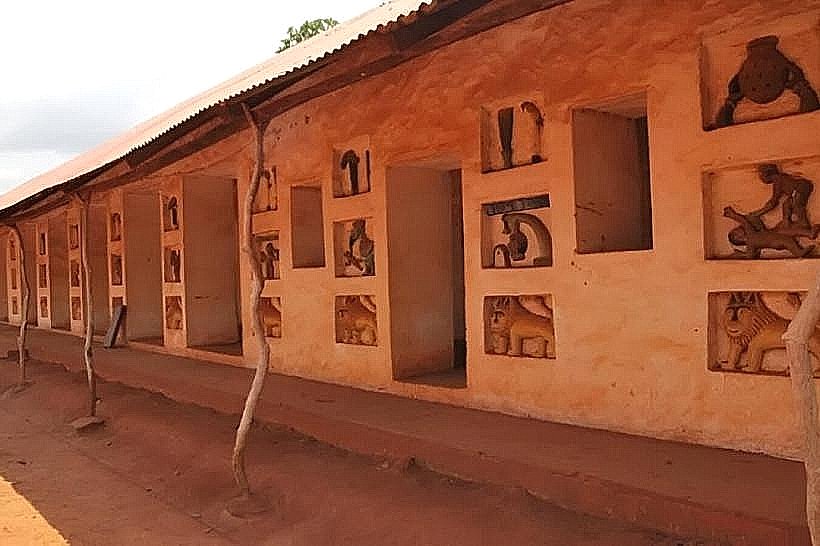
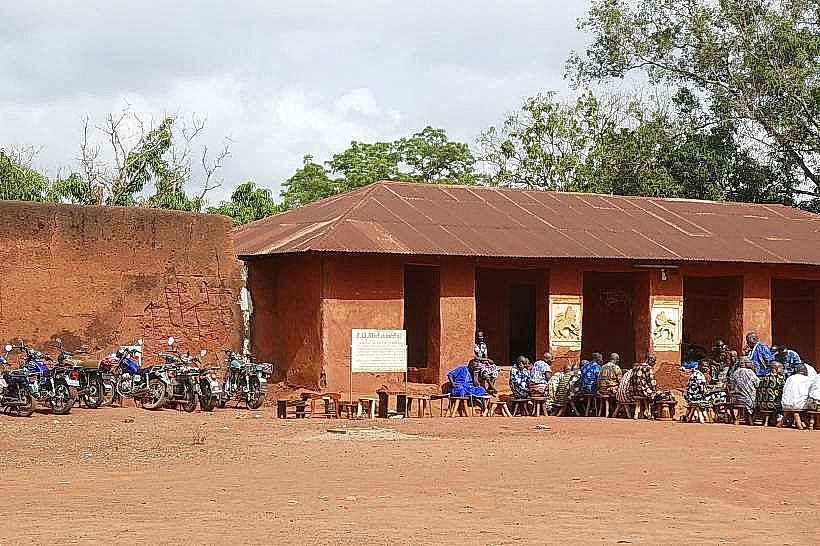
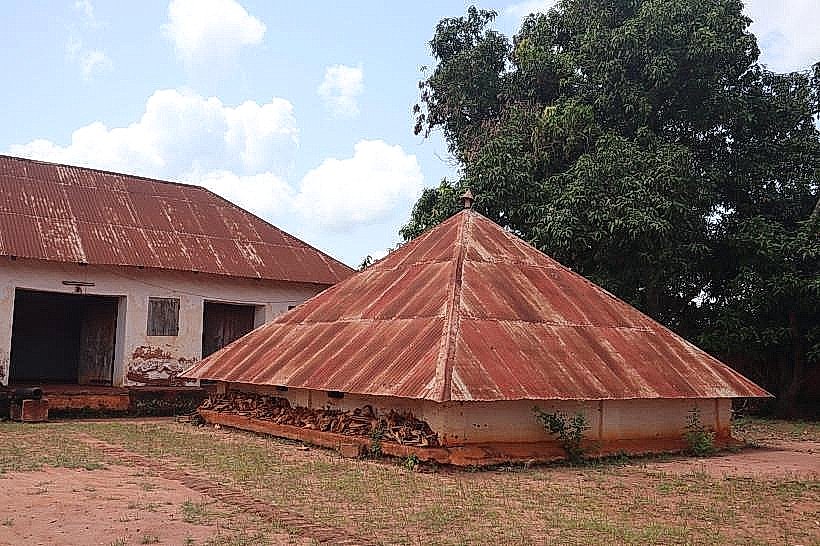
The complex consists of several rectangular, single-story structures constructed from adobe brick. The walls are typically rendered with a mud plaster, often painted in earth tones of brown and ochre. Roofs are generally thatched or corrugated metal. The architectural style reflects traditional Fon building techniques, with simple, functional designs.
Location & Access Logistics
The King's Tombs are situated within the city of Abomey, approximately 1.5 kilometers south of the central market. Access is via paved roads, with Rue du Palais Royal providing direct access. Parking is available on adjacent unpaved lots. Public transport within Abomey consists of motorcycle taxis and shared taxis; the tombs are a short ride from the city center.
Historical & Ecological Origin
Construction of the tombs began in the 19th century, following the death of King Ghezo. They were built to house the remains of the Dahomey kings and their consorts, serving as sites for ongoing ancestor veneration rituals. The structures are built using locally sourced earth and vegetation.
Key Highlights & Activities
Visitors can observe the architectural features of the mausoleums. Guided tours are available, detailing the history of the Dahomey Kingdom and the significance of the royal burials. Photography of the exterior is permitted.
Infrastructure & Amenities
Restrooms are available on-site. Limited shade is provided by the structures themselves and a few scattered trees. Cell phone signal (2G/3G) is generally available. No food vendors are located directly at the site; options are available in the nearby city center.
Best Time to Visit
The best time of day for exterior photography is late morning or late afternoon, when the sun angle provides defined shadows. The dry season, from November to March, offers the most favorable weather conditions with minimal rainfall.
Facts & Legends
A notable historical practice associated with the tombs involved the ritual sacrifice of human beings during the funerals of kings, a practice that ceased in the late 19th century. The site is a UNESCO World Heritage site, recognized for its cultural importance.
Nearby Landmarks
- Palace of King Behanzin (0.3km North)
- Abomey Historical Museum (0.7km North)
- Royal Palace of Abomey (0.9km North)
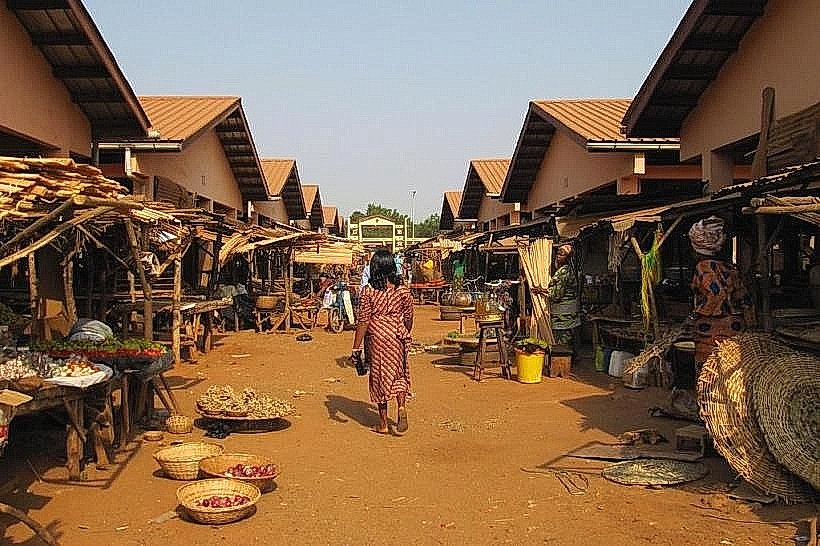
- Market of Abomey (1.5km North)