Information
Landmark: Royal Drum HousesCity: Abomey
Country: Benin
Continent: Africa
Royal Drum Houses, Abomey, Benin, Africa
The Royal Drum Houses are a collection of traditional structures located in Abomey, Benin.
These buildings served as residences and ceremonial spaces for the kings of the Kingdom of Dahomey.
Visual Characteristics
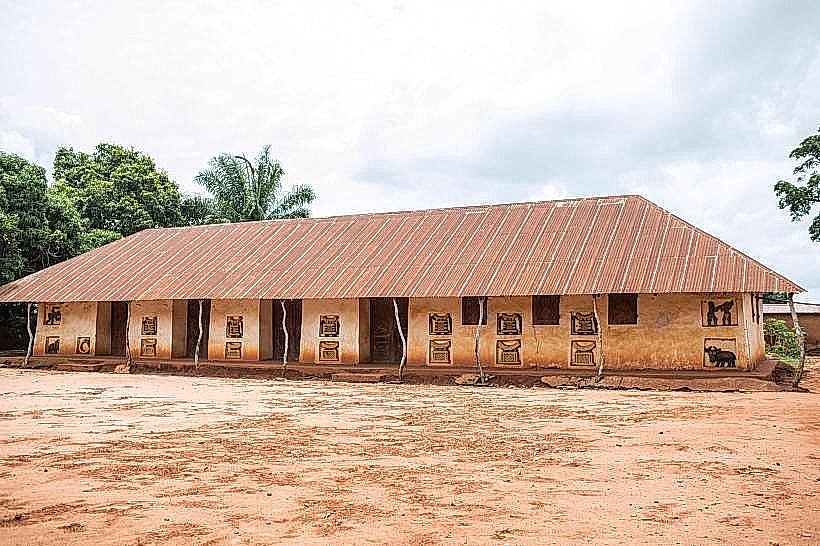
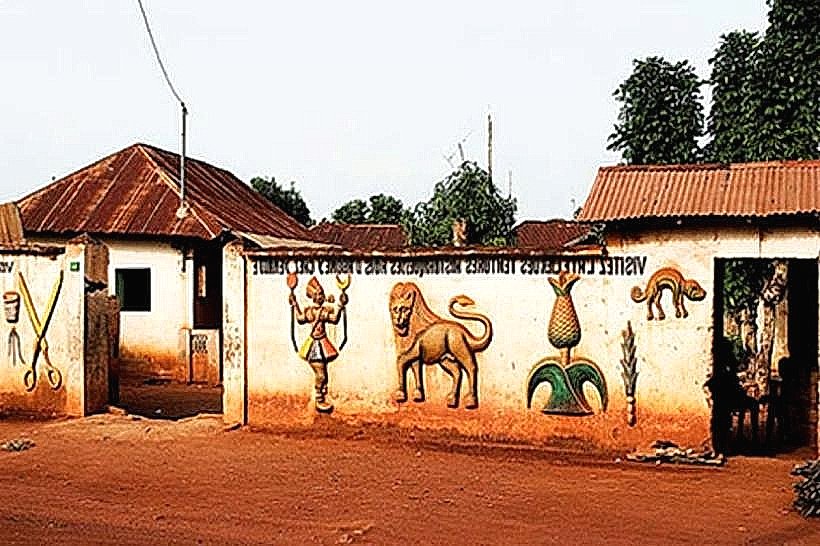
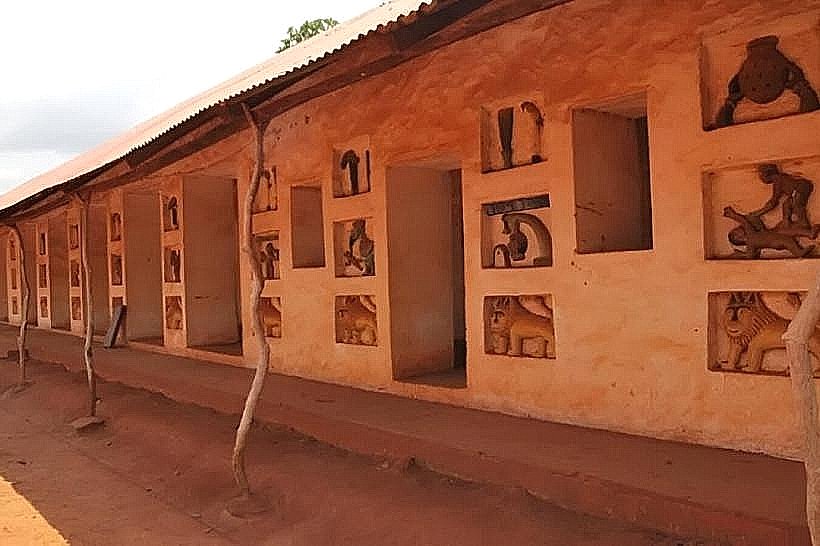
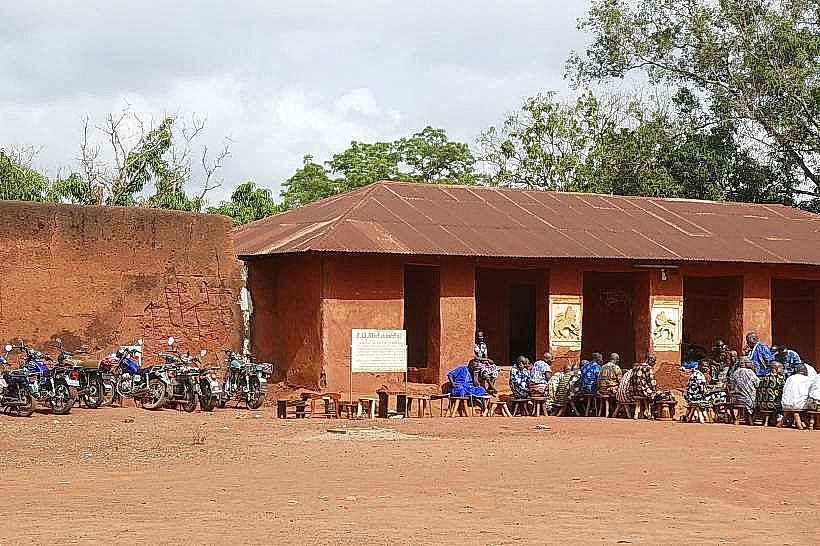
The structures are primarily constructed from earth and thatch. Walls are typically made of adobe or mud brick, often plastered and sometimes painted with geometric patterns or symbolic imagery in ochre, white, and black. Roofs are steeply pitched and covered with dried grass or palm fronds. The overall height of the buildings is generally low, reflecting traditional architectural practices. The architectural style is vernacular, adapted to the local climate and available materials.
Location & Access Logistics
The Royal Drum Houses are situated within the historical center of Abomey. They are accessible via paved roads within the city. From the city center, the site is approximately 1km South. Parking is available on adjacent streets, though it is informal. Public transport within Abomey consists of shared taxis and motorcycle taxis; specific bus lines do not directly serve the site itself.
Historical & Ecological Origin
These houses were constructed during the period of the Kingdom of Dahomey, with significant building phases occurring in the 17th, 18th, and 19th centuries. They were built by royal artisans and laborers. Their original purpose was to house the royal family, serve as administrative centers, and host important ceremonies, including those involving drumming. The construction utilizes local earth, a common building material in the West African savanna region, adapted to the tropical climate.
Key Highlights & Activities
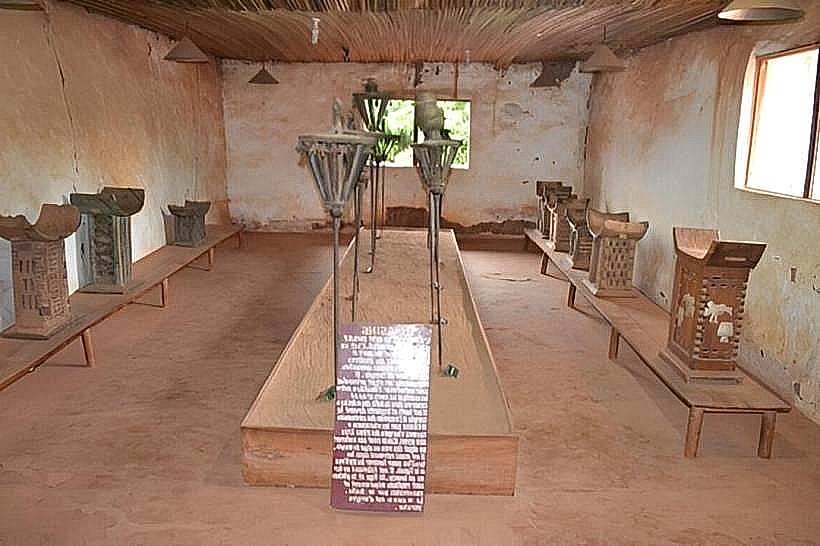
Visitors can observe the architectural design and construction techniques. The site offers opportunities to learn about the history of the Kingdom of Dahomey through interpretive displays. Photography of the exterior structures is permitted. Guided tours are available, providing context on the historical significance of each house and its associated royal figures.
Infrastructure & Amenities
Restrooms are available on-site. Limited shaded areas are provided by the building overhangs and some trees. Cell phone signal (4G) is generally available in the vicinity. Food vendors are not typically located directly at the site but can be found in the surrounding market areas of Abomey.
Best Time to Visit
The best time of day for photography is during the morning or late afternoon when the sunlight is less direct, highlighting the textures of the earth walls. The dry season, from November to March, offers the most favorable weather conditions with lower humidity and minimal rainfall. There are no tide-dependent activities or requirements.
Facts & Legends
One of the unique aspects of the Royal Drum Houses is their association with the royal drums, which were central to communication, warfare, and ceremony in Dahomey. It is said that the sound of the royal drums could be heard for miles, signaling important events or royal decrees. A specific tip for visitors is to look for the subtle variations in the painted motifs on the walls, as these often held specific symbolic meanings related to the king or the events that took place within that particular house.
Nearby Landmarks
- Royal Palaces of Abomey (0.2km North)
- Abomey Historical Museum (0.3km North)
- Grand Marché (Central Market) (0.7km West)
- Cathedral of Abomey (1.1km Northwest)