Information
Landmark: Royal Palaces of AbomeyCity: Abomey
Country: Benin
Continent: Africa
Royal Palaces of Abomey, Abomey, Benin, Africa
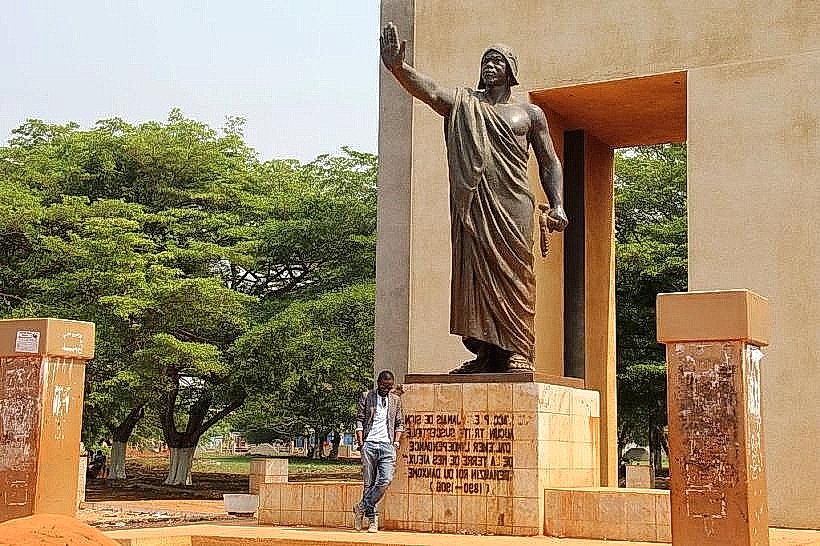
The Royal Palaces of Abomey are a complex of historical structures located in the city of Abomey, Benin.
These palaces served as the seat of power for the Kingdom of Dahomey.
Visual Characteristics
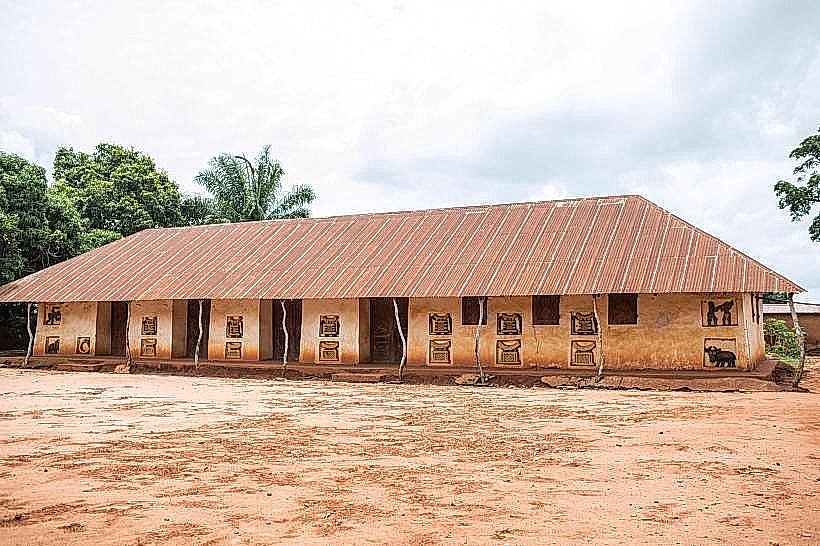
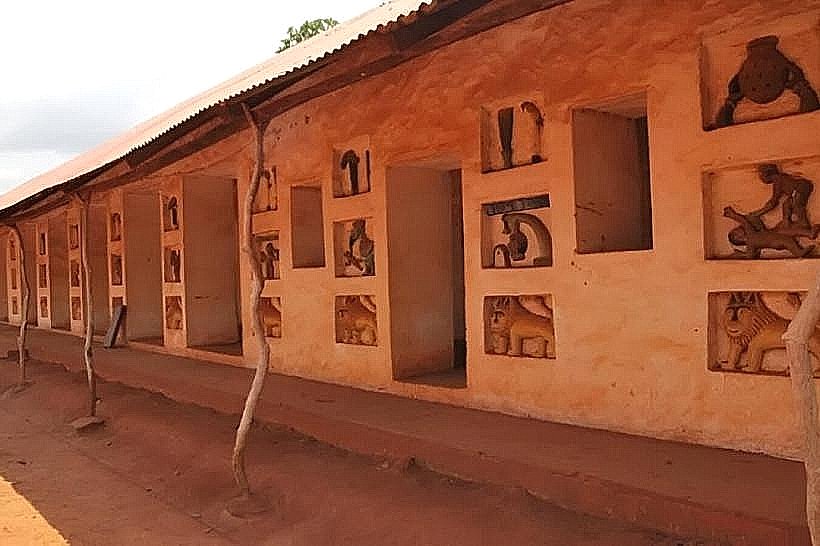
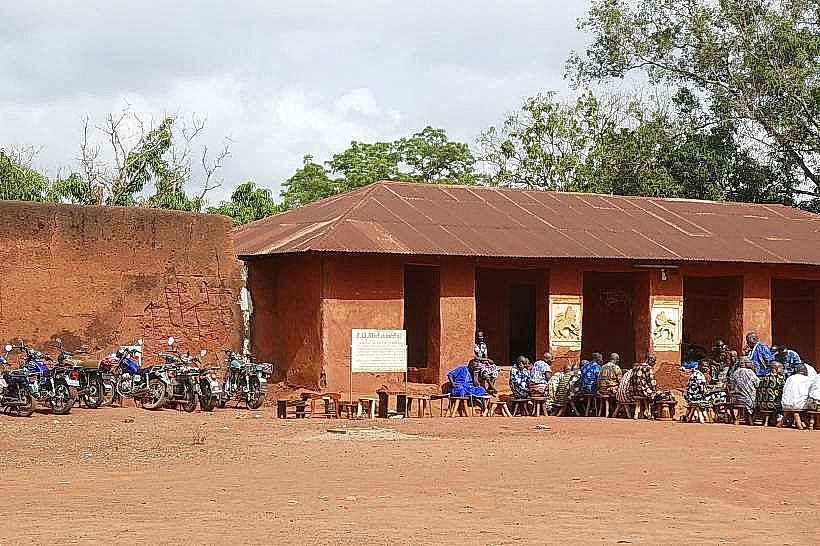
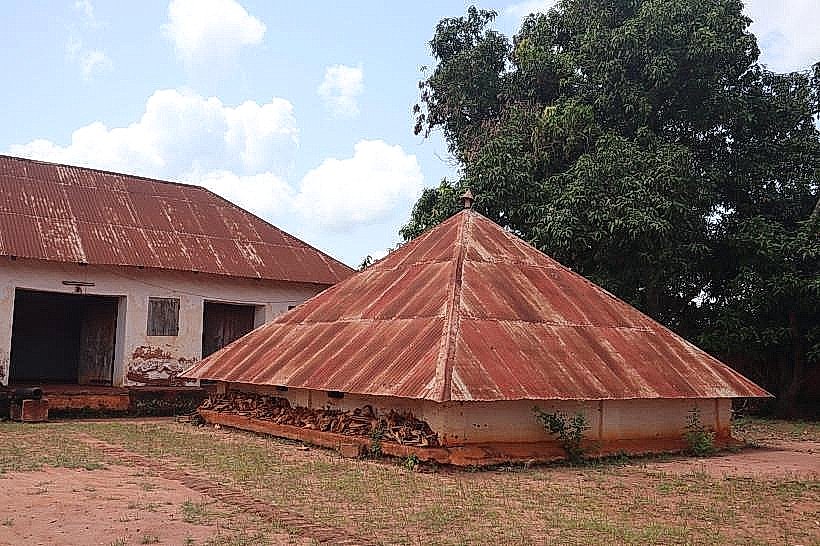
The palaces are constructed primarily from adobe, a sun-dried mud brick, with thatched roofs. The walls are often decorated with bas-reliefs depicting historical events and symbols of the Dahomey Kingdom. The structures are generally low-rise, with courtyards and internal divisions.
Location & Access Logistics
The Royal Palaces of Abomey are situated in the center of Abomey. Access is via paved roads within the city. Parking is available on-site. Public transport within Abomey includes local taxis and moto-taxis. The nearest major airport is Cadjehoun Airport (COO) in Cotonou, approximately 120 km south.
Historical & Ecological Origin
Construction of the palaces began in the 17th century and continued through successive reigns until the end of the Kingdom of Dahomey in the late 19th century. They were built by the Kings of Dahomey, including King Agaja and King Ghezo. The original purpose was to serve as the administrative and residential center for the royal court and the kingdom's governance.
Key Highlights & Activities
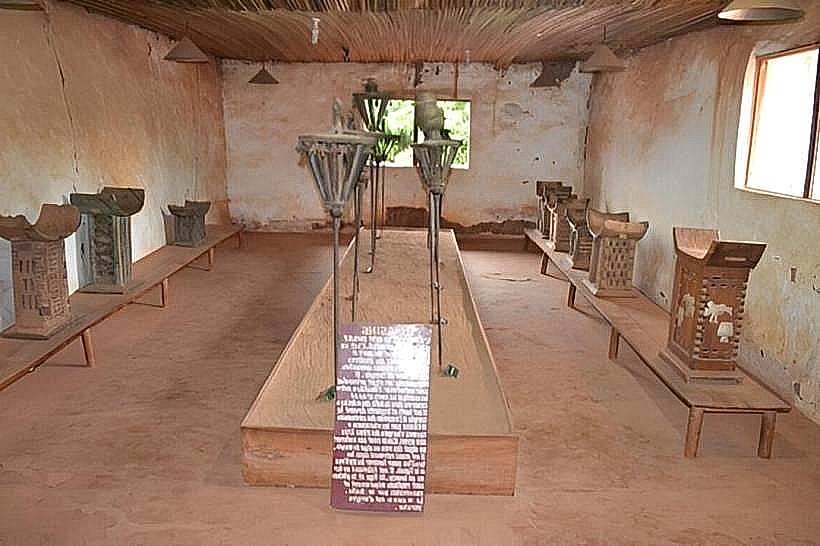
Visitors can explore the former royal residences and administrative buildings. Specific activities include viewing the historical artifacts displayed in the museum sections, observing the wall decorations, and understanding the layout of the royal compound. Guided tours are available.
Infrastructure & Amenities
Restrooms are available on-site. Some shaded areas are provided within the palace grounds. Cell phone signal (4G) is generally available in Abomey. Food vendors are typically found in the vicinity of the palace complex.
Best Time to Visit
The best time of day for photography is generally in the morning or late afternoon to avoid harsh midday light. The dry season, from November to April, offers the most favorable weather conditions for visiting.
Facts & Legends
A notable historical oddity is the practice of human sacrifice that occurred within the palace grounds during certain ceremonies, a practice that ceased with the French conquest. A specific tip for visitors is to pay close attention to the symbolic carvings on the walls, as they tell stories of the kingdom's history and mythology.
Nearby Landmarks
- Musée d'Histoire de Palais Royal (0.1km North)
- Grand Marché Dantokpa (approx. 115km South)
- Lake Nokoué (approx. 110km South)
- Porto-Novo (approx. 140km Southeast)