Information
City: Los AngelesCountry: USA California
Continent: North America
Los Angeles, USA California, North America
Los Angeles is the second-largest city in the United States and the cultural and financial hub of Southern California. Situated in a coastal basin surrounded by the Pacific Ocean and the San Gabriel Mountains, it is a global leader in entertainment, aerospace, and international trade.
Historical Timeline
Founded in 1781 by Spanish governor Felipe de Neve as El Pueblo de Nuestra Señora la Reina de los Ángeles, the city became a part of Mexico in 1821 and the United States in 1848 following the Mexican-American War. The discovery of oil in the 1890s and the arrival of the film industry in the early 1900s triggered a population explosion. Throughout the 20th century, LA evolved from a regional agricultural center into a sprawling megacity defined by its car culture and diverse immigrant populations.
Demographics & Population
The estimated population for the city of Los Angeles in 2026 is 3.8 million, with the broader Los Angeles County exceeding 9.6 million. It is one of the most ethnically diverse cities in the world: approximately 47% Hispanic/Latino, 28% White (non-Hispanic), 12% Asian, and 8% Black or African American.
Urban Layout & Key Districts
LA is a "city of villages" connected by a massive freeway system.
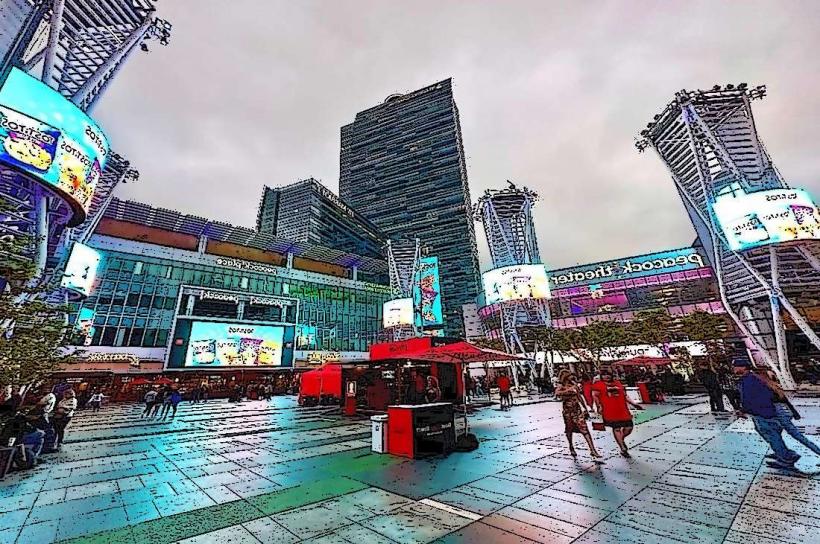
Downtown (DTLA): The financial district featuring historic theaters, the Broad Museum, and the Crypto.com Arena.
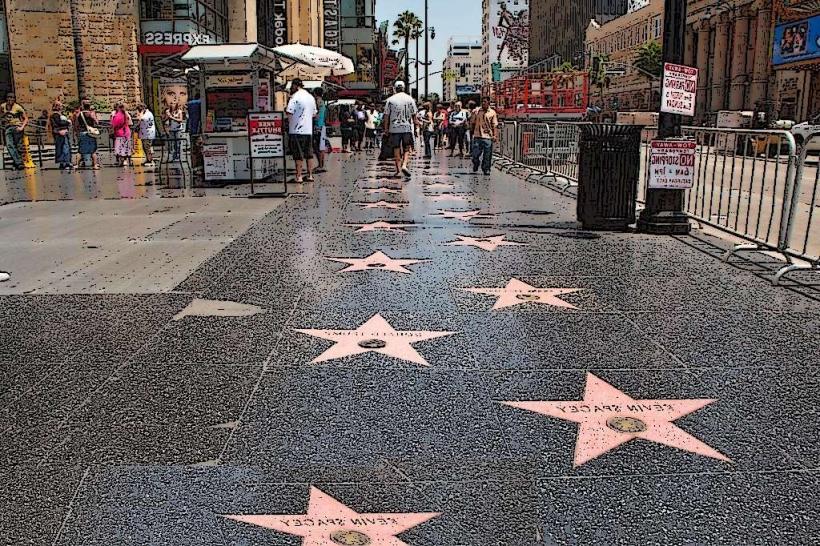
Hollywood: The historic center of the film industry; currently a mix of high-traffic tourist sites and revitalized entertainment offices.
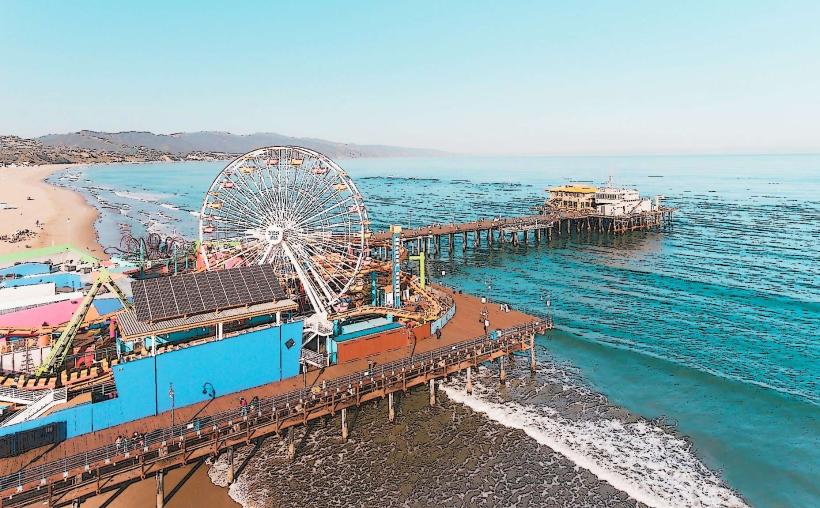
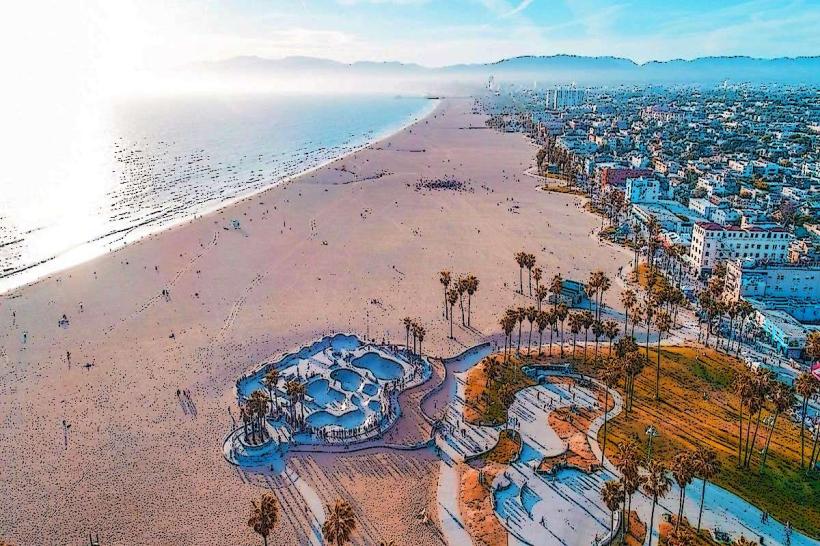
Santa Monica & Venice: Coastal districts known for beaches, piers, and a high concentration of tech companies ("Silicon Beach").
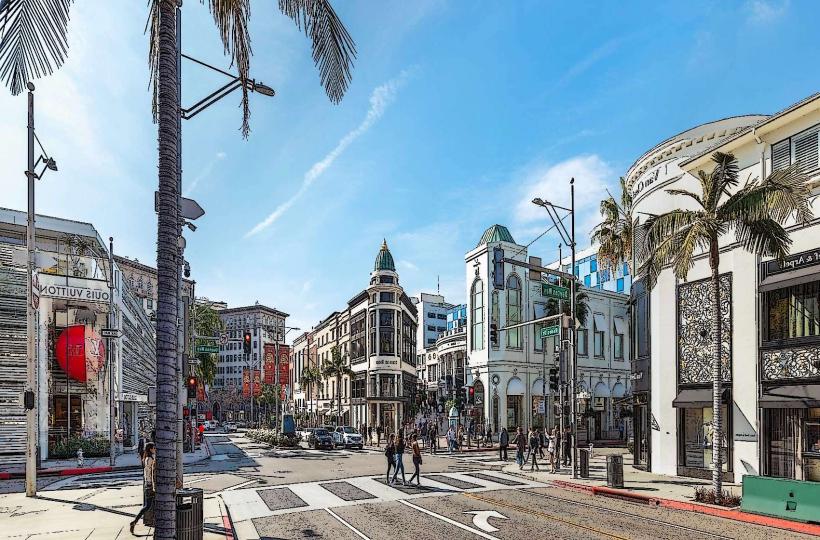
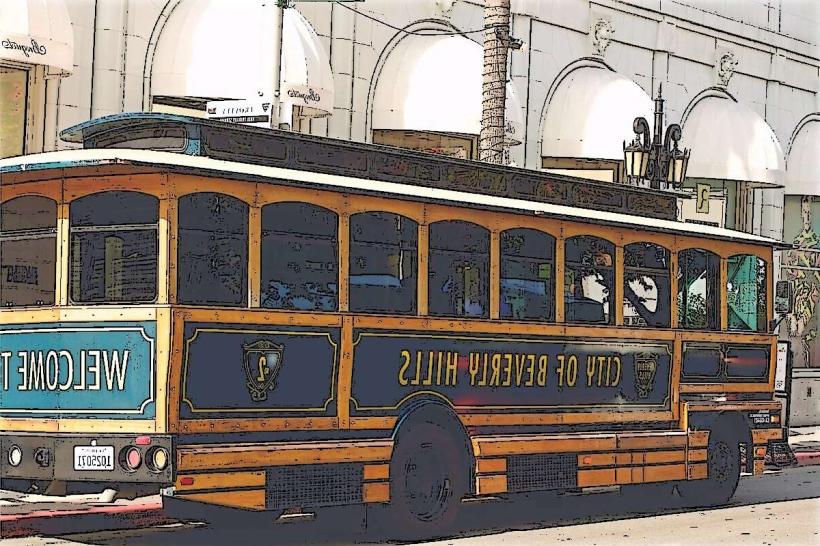
Beverly Hills & West Hollywood: Independent enclaves known for luxury retail (Rodeo Drive) and nightlife (Sunset Strip).
The Valley (San Fernando Valley): A vast residential and studio-heavy region north of the Hollywood Hills.
Top City Landmarks
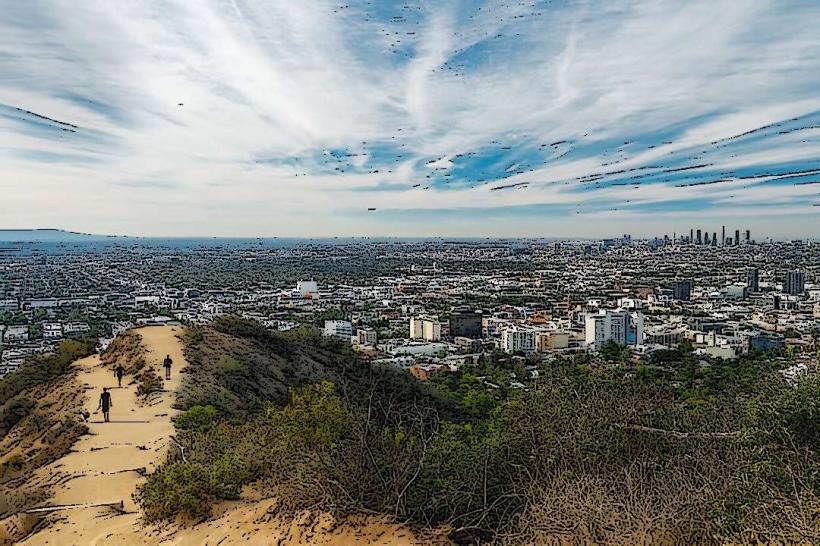
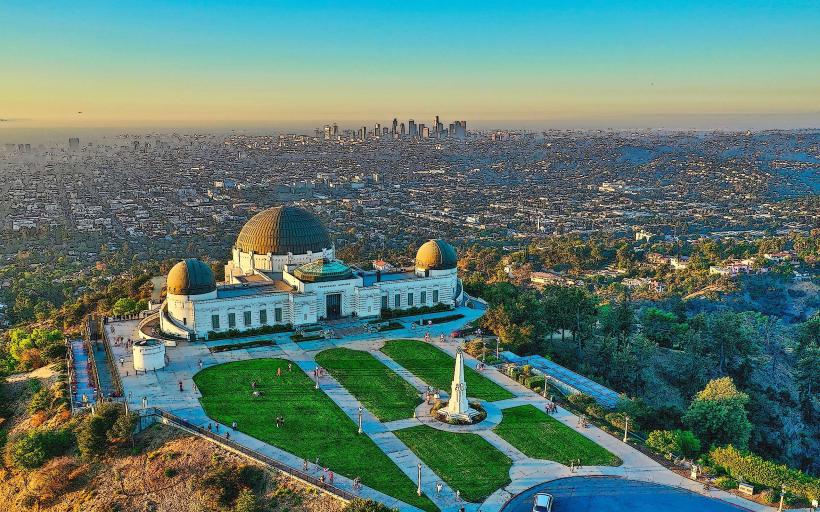
Griffith Observatory: Offers panoramic views of the LA Basin and the Hollywood Sign.
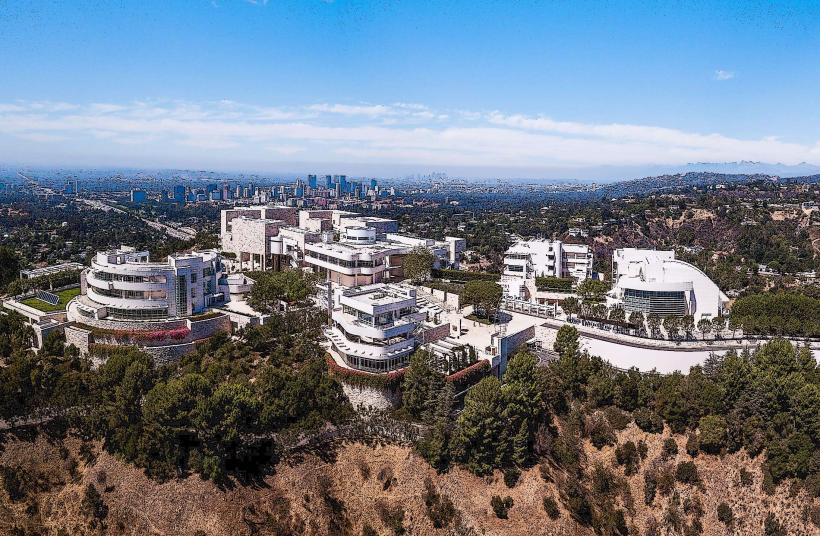
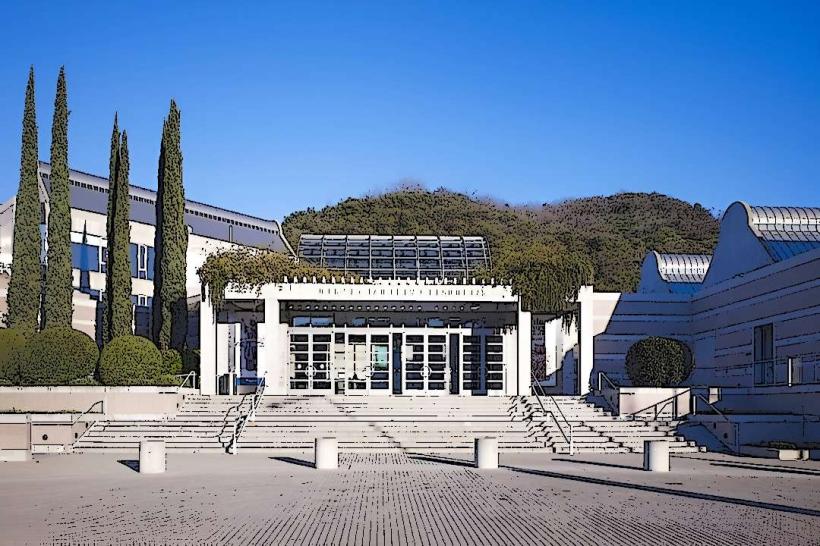
The Getty Center: A premier art museum known for its architecture, gardens, and views.
Academy Museum of Motion Pictures: The largest museum in the United States devoted to the arts and sciences of moviemaking.
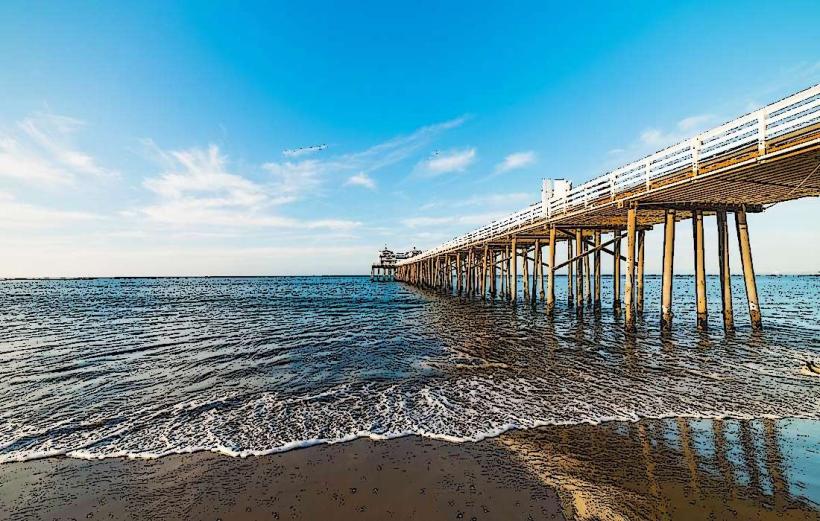
Santa Monica Pier: An iconic landmark marking the western end of Route 66.
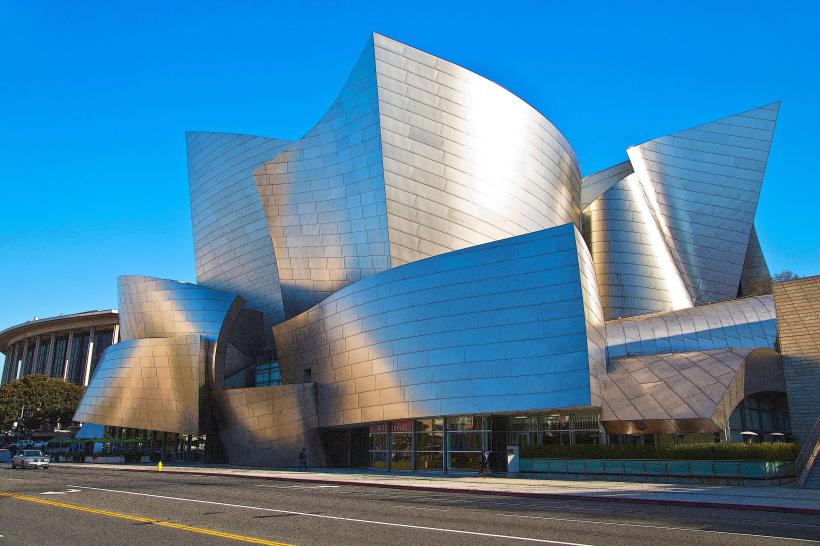
Walt Disney Concert Hall: An architectural masterpiece designed by Frank Gehry.
Transportation Network
Los Angeles International Airport (LAX) is the primary global gateway. Intra-city transit is dominated by a complex network of highways (the 405, 101, and 10). While traditionally car-dependent, the LA Metro (rail and bus) has undergone massive expansion in preparation for the 2028 Olympics. Ride-sharing (Uber/Lyft) is the standard for most visitors.
Safety & "Red Zones"
Safety varies significantly by neighborhood.
Areas of Caution: Skid Row (DTLA) and parts of South LA and East LA have higher rates of concentrated poverty and crime.
General Risk: Property crime (theft from vehicles) is high in tourist areas like Hollywood and Venice Beach.
Natural Hazards: The region is seismically active; wildfire risk is high in canyon areas (Malibu, Bel Air) during "Santa Ana" wind events.
Digital & Financial Infrastructure
Internet speeds are high (100–1000 Mbps via fiber/5G). The US Dollar (USD) is the currency. Credit cards and mobile payments (Apple/Google Pay) are universally accepted. Sales tax in LA City is 9.5%.
Climate & Air Quality
The city has a Mediterranean climate (Csa/Csb).
Summer: Warm to hot and dry, though coastal areas remain significantly cooler than the inland valleys.
"June Gloom": Late spring/early summer often brings thick morning marine layers (fog).
Air Quality: Historically poor due to smog; however, it has significantly improved but remains "Moderate" on average.
Culture & Social Norms
LA culture is characterized by a "laid-back" professional hybrid-health-conscious, trend-setting, and informal. Tipping is mandatory in restaurants (standard is 18–22%). The city is a polyglot hub where over 200 languages are spoken daily.
Accommodation Zones
West Hollywood (WeHo): Central location, ideal for nightlife and proximity to major sights.
Santa Monica: Best for families and those prioritizing beach access.
Downtown: Best for business travelers and those attending sports or concerts.
Local Cost Index
1 Espresso: $4.50 – $6.00
1 Standard Lunch: $18.00 – $25.00
1 Average Rideshare (5 miles): $15.00 – $25.00
Nearby Day Trips
Disneyland (Anaheim): 30 miles (48 km) southeast.
Malibu: 30 miles (48 km) west along the Pacific Coast Highway.
Palm Springs: 100 miles (160 km) east (Desert resort town).
Santa Barbara: 95 miles (153 km) northwest (Coastal "American Riviera").
Facts & Legends
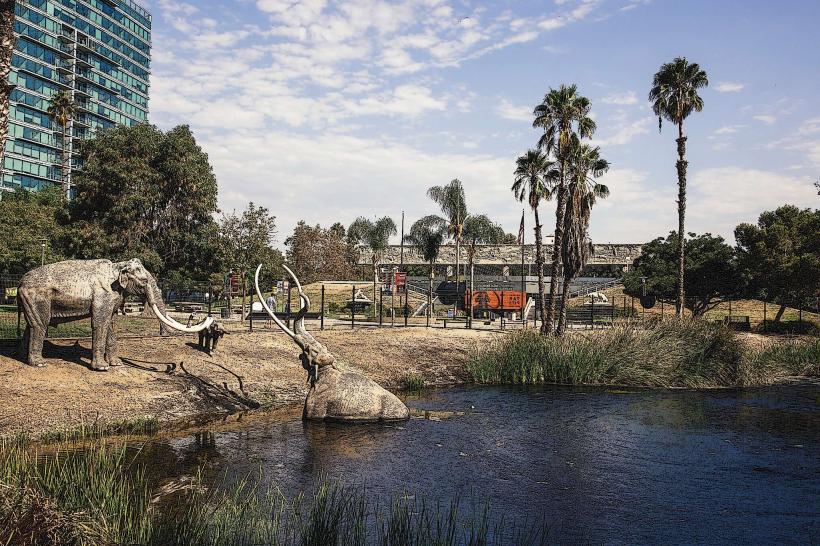
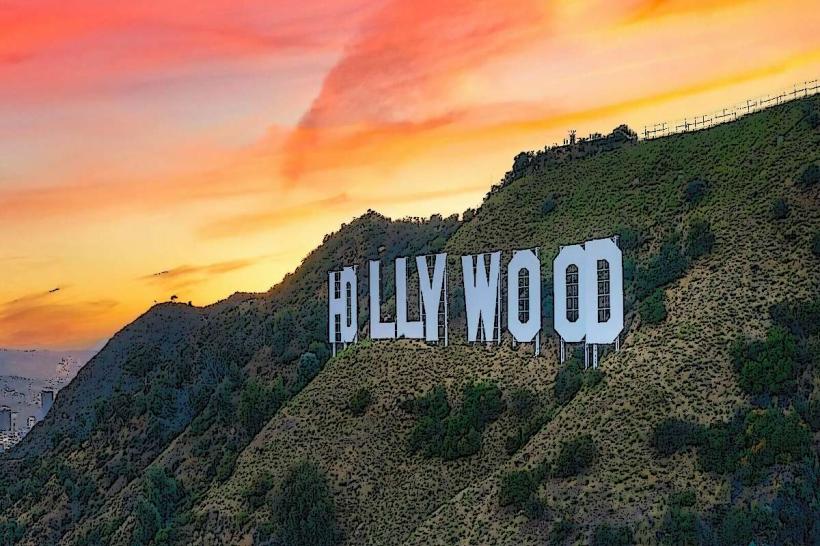
The iconic Hollywood Sign originally read "HOLLYWOODLAND" and was an advertisement for a real estate development. A verified historical oddity: the La Brea Tar Pits in the middle of the city continue to bubble with asphalt and yield thousands of Ice Age fossils, including saber-toothed cats and mammoths. Local legend claims the city is the "Creative Capital of the World," with one in every six residents working in a creative industry.