Information
City: LubbockCountry: USA Texas
Continent: North America
Lubbock, USA Texas, North America
Lubbock is the 10th-most populous city in Texas, located in the northwestern part of the state on the Llano Estacado. Known as the "Hub City," it serves as the economic, educational, and healthcare center for the South Plains region. It is the birthplace of rock 'n' roll legend Buddy Holly and home to Texas Tech University.
Historical Timeline
Established in 1890 through a compromise between two rival town-site promoters. The city’s growth was driven by the arrival of the Santa Fe Railway in 1909 and the founding of Texas Technological College (now Texas Tech University) in 1923. Historically a center for cotton and ranching, Lubbock became the world leader in the cottonseed industry. In 1970, a massive F5 tornado struck the downtown area, leading to significant urban redevelopment and the creation of the Great Plains Life building.
Demographics & Population
The estimated 2026 population is 272,086 (metropolitan area approx. 367,000). The demographic profile is roughly 64% White (including a high percentage of Hispanic/Latino residents, who make up 36% of the total), 8% Black or African American, and 3% Asian. The city has a high student population due to the multiple universities in the area.
Urban Layout & Key Districts
Downtown: The historic center, currently seeing revitalization with the "Lubbock Cultural District" and new boutique hotels.
Depot District: The primary entertainment and nightlife hub, centered around the restored railroad depot; known for live music and high-end dining.
Tech Terrace (U.N.I.T.): A highly sought-after, walkable neighborhood adjacent to Texas Tech University, popular with faculty and students.
North Overton: Once a blighted area, it is now a large-scale master-planned urban infill project with modern apartments and retail.
South Lubbock: The city's primary area for suburban expansion and major retail centers.
Top City Landmarks
Buddy Holly Center: A museum and performance venue dedicated to the life and music of Lubbock’s most famous son.
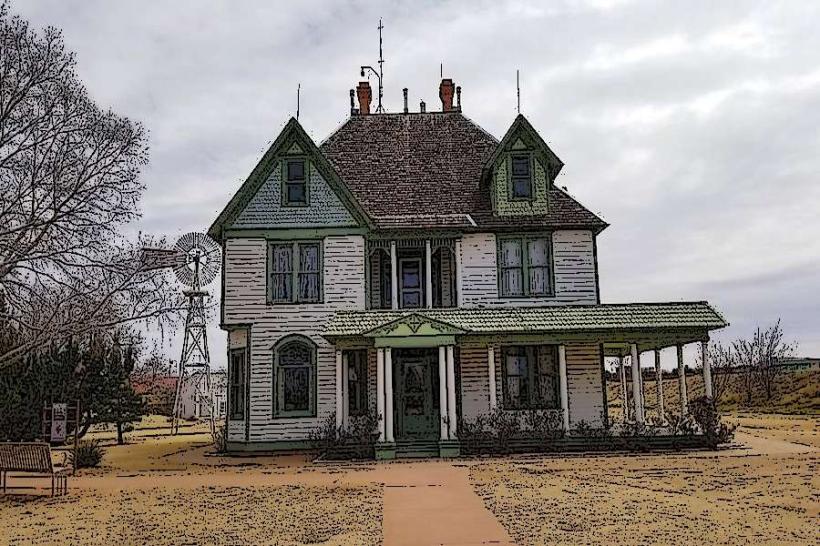
National Ranching Heritage Center: A 27-acre outdoor museum featuring over 50 authentic historic ranch structures dating back to the late 1700s.
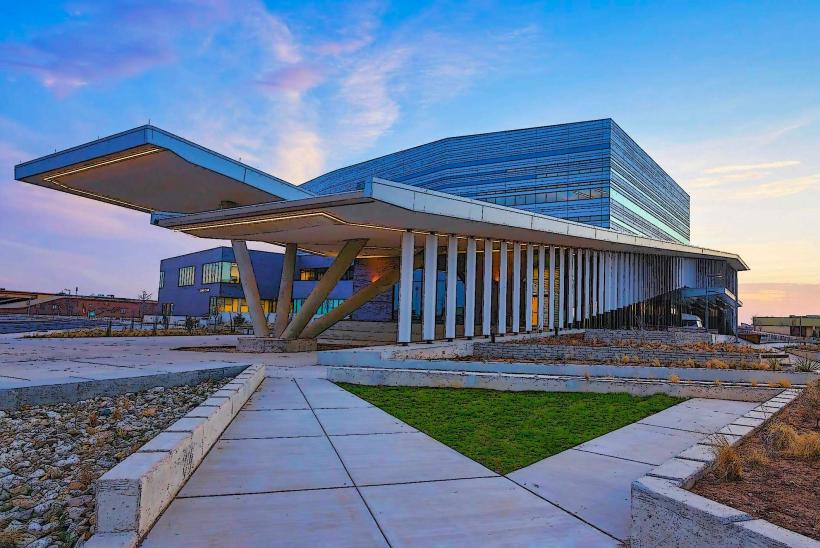
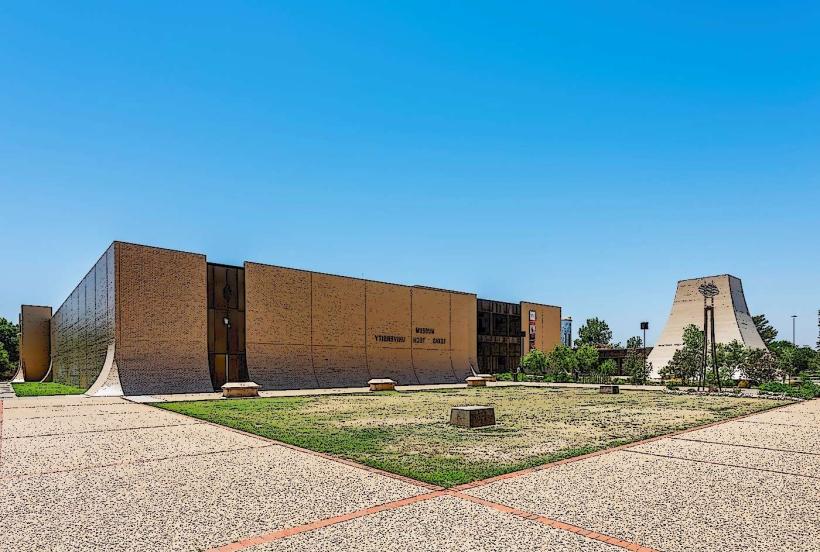
Museum of Texas Tech University: A large multi-disciplinary museum featuring the Moody Planetarium.
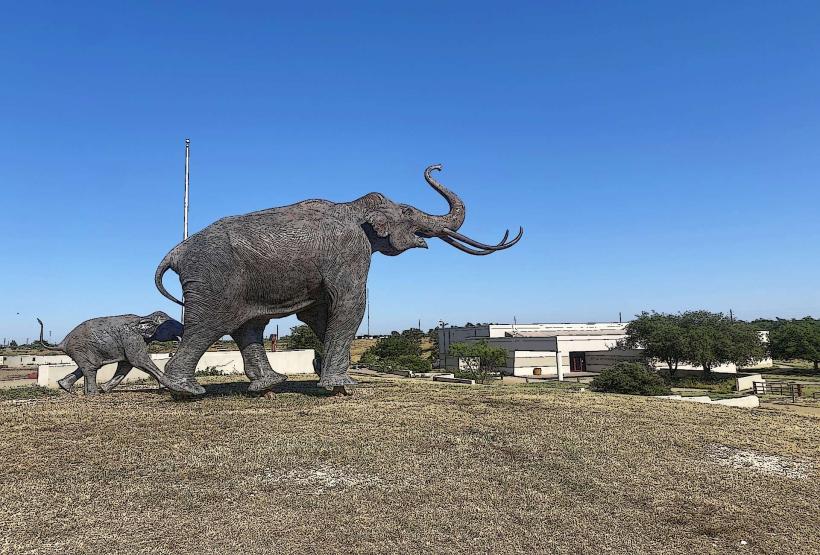
Lubbock Lake Landmark: A world-renowned archaeological site with evidence of 12,000 years of continuous human habitation.
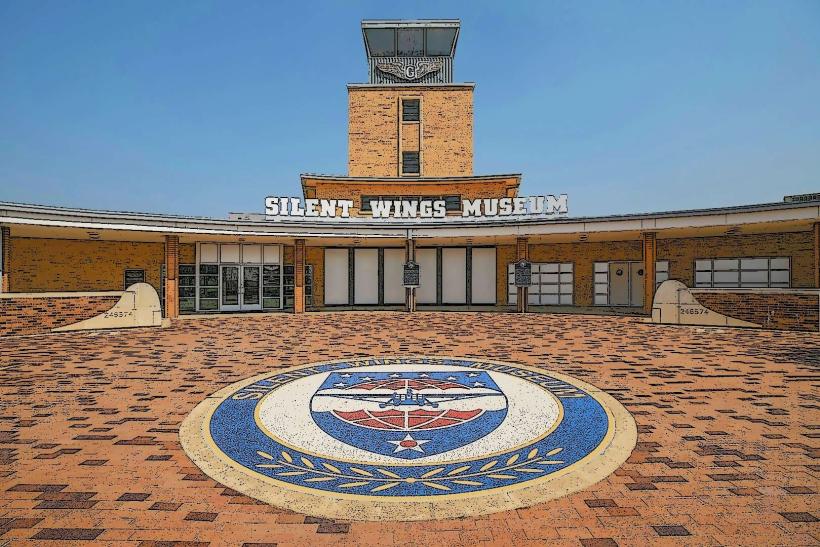
Silent Wings Museum: Dedicated to the World War II glider pilots who trained in the region.
American Windmill Museum: The largest windmill museum in the world, featuring over 160 restored windmills.
Transportation Network
Lubbock Preston Smith International Airport (LBB) provides domestic connections. The city is a major junction for I-27, US-84, and US-87. Public transit is managed by Citibus. The city layout is a strict grid: north-south streets are alphabetical (A-Z) downtown, then named after cities/states westward; east-west streets are numbered.
Safety & "Red Zones"
The safety level is generally high in tourist and university areas.
Areas of Caution: Neighborhoods in East Lubbock and some older sections of North Lubbock report higher rates of property crime.
Safe Zones: Regal Park, Kings Gate, and Lakeridge are ranked as exceptionally safe. The Texas Tech campus has its own police department and extensive security measures.
Environmental Risk: The region is prone to dust storms (haboobs) and is located in a high-activity zone for tornadoes, primarily in the spring.
Digital & Financial Infrastructure
Lubbock is a Tier 2 digital market with widespread fiber access (100–1000 Mbps). The US Dollar (USD) is the currency. Sales tax is 8.25%. The economy is anchored by higher education, healthcare, and agribusiness, with the region producing roughly 20% of the world's cotton.
Climate & Air Quality
Lubbock has a Semi-Arid climate (BSk).
Temperatures: Summers are hot (avg. high 34°C) but dry; winters are cool with occasional sharp freezes and light snow.
Wind: One of the windiest cities in the U.S.; wind-blown dust is a common characteristic of West Texas weather.
Air Quality: Generally high, though it can drop to "Unhealthy" levels during significant dust storms.
Culture & Social Norms
The culture is "West Texas Traditional"-heavily influenced by Christian values, football, and ranching heritage. It is a conservative stronghold. The region is also the heart of the Texas High Plains AVA, producing 80% of Texas’s wine grapes. Tipping (18–25%) is expected.
Accommodation Zones
Overton/Campus Area: Best for proximity to the university and modern amenities.
Downtown/Depot District: Recommended for music fans and those seeking historic charm.
South Lubbock (South Loop 289): Best for business travelers and chain hotels.
Local Cost Index
1 Espresso: $3.50 – $5.00
1 Standard Lunch (Barbecue/Tacos): $12.00 – $18.00
1 Ticket to Texas Tech Football Game: $45.00 – $150.00+
Nearby Day Trips
Palo Duro Canyon State Park: 100 miles (160 km) north (The "Grand Canyon of Texas").
Caprock Canyons State Park: 90 miles (145 km) northeast (Home to the Texas State Bison Herd).
Buffalo Springs Lake: 9 miles (14 km) southeast (Boating and recreation).
Facts & Legends
Lubbock is the only city of its size in the world that was "dry" (prohibiting alcohol sales) until 2009. A local legend involves the "Lubbock Lights," a 1951 UFO sighting involving a V-shaped formation of lights that remains one of the most famous cases in American ufology. A verified fact: Lubbock is the largest contiguous cotton-growing region in the world.