Information
City: MadridCountry: Spain
Continent: Europe
Madrid, Spain, Europe
Madrid serves as the capital of Spain and the primary political, financial, and cultural hub of the Iberian Peninsula. Located in the center of the country at an elevation of 650 meters, it is the second-largest city in the European Union.
Historical Timeline
Founded as the military outpost Mayrit by the Emirate of Córdoba in the 9th century, Madrid was conquered by Christian forces in 1085. Philip II moved the royal court to Madrid in 1561, establishing it as the permanent capital. The city underwent significant Enlightenment-era expansion under Charles III and was further transformed by the 19th-century "Plan Castro" (the Ensanche). Modern development was largely defined by the 1936–1939 Siege of Madrid during the Civil War and the subsequent rapid urbanization and infrastructure modernization of the late 20th century.
Demographics & Population
As of 2026, the city proper population is approximately 3.48 million, with a metropolitan area of 6.83 million. The population is highly international, with significant communities from Latin America (Ecuador, Colombia, Venezuela), Romania, and Morocco. The median age is approximately 43.5 years.
Urban Layout & Key Districts
Madrid is divided into 21 administrative districts.
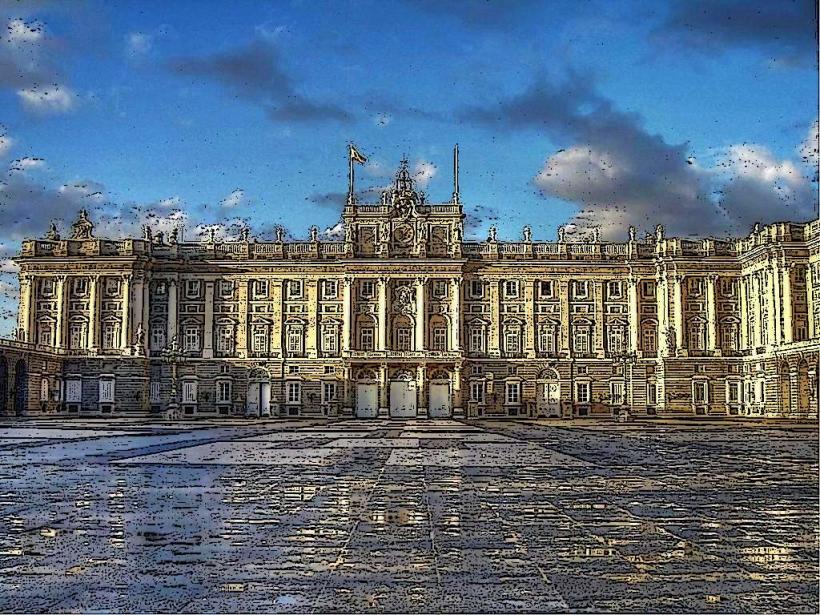
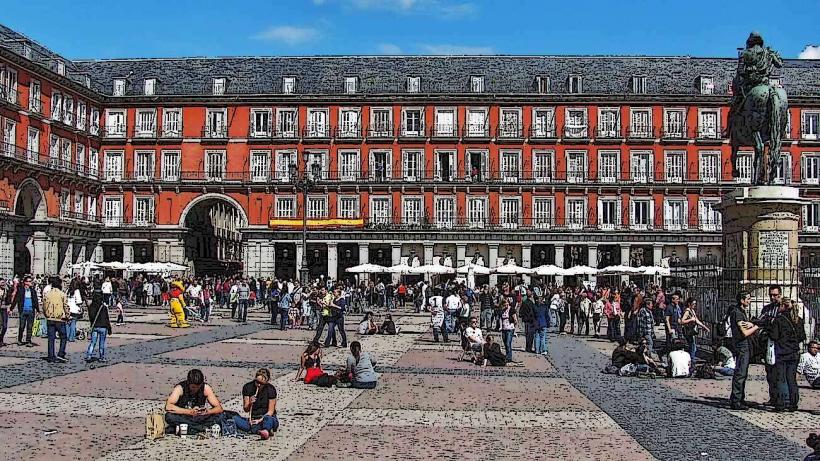
Centro: The historical core containing Puerta del Sol, Plaza Mayor, and the Royal Palace.
Salamanca: An upscale 19th-century district known for high-end retail and aristocratic architecture.
Chueca & Malasaña: Trendy, bohemian neighborhoods known for nightlife, LGBTQ+ culture, and alternative fashion.
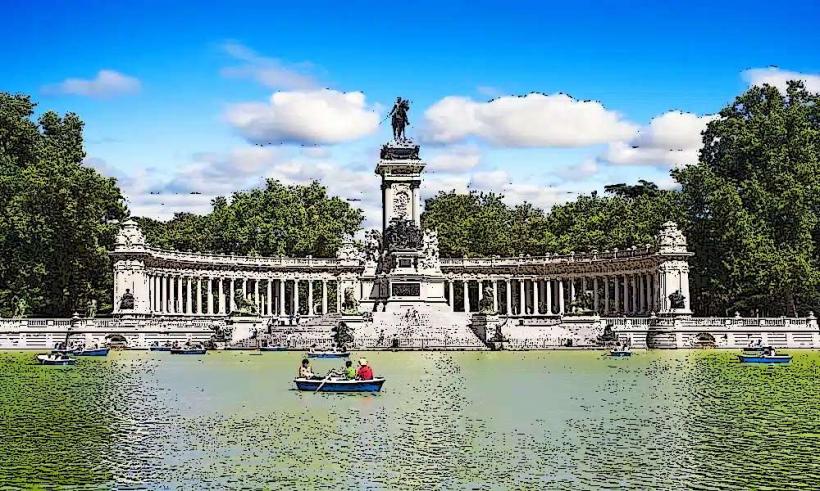
Retiro: A residential district dominated by the expansive El Retiro Park.
Arganzuela: A former industrial area transformed by the Madrid Río park project along the Manzanares River.
Top City Landmarks
Royal Palace (Palacio Real): The largest functioning royal palace in Europe by floor area.
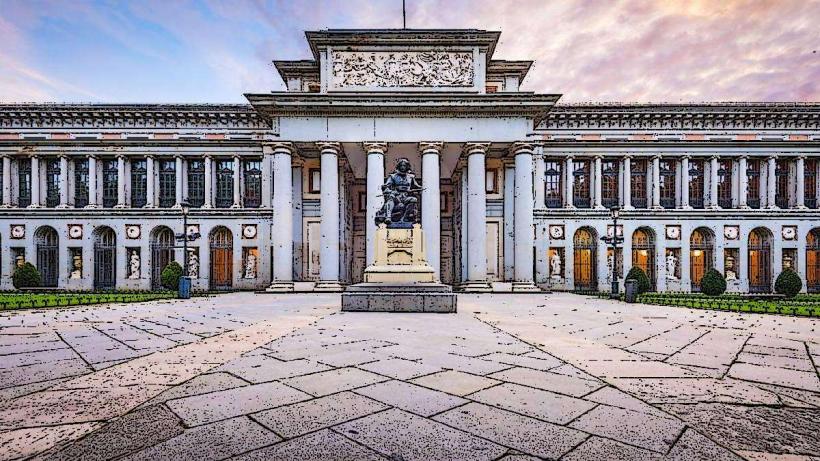
Prado Museum: Part of the "Golden Triangle of Art," housing one of the world’s finest collections of European art.
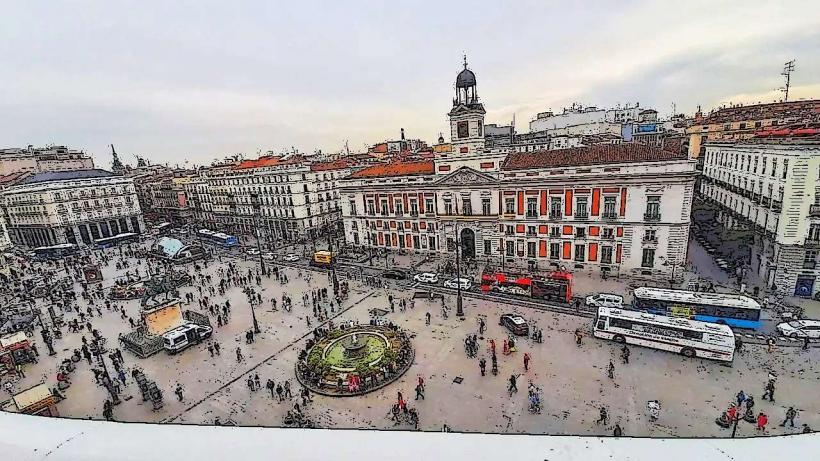
Puerta del Sol: The symbolic center of the city and the "Kilometer Zero" of the Spanish radial road network.
Plaza Mayor: A 17th-century porticoed square that served as the center of public life in Old Madrid.
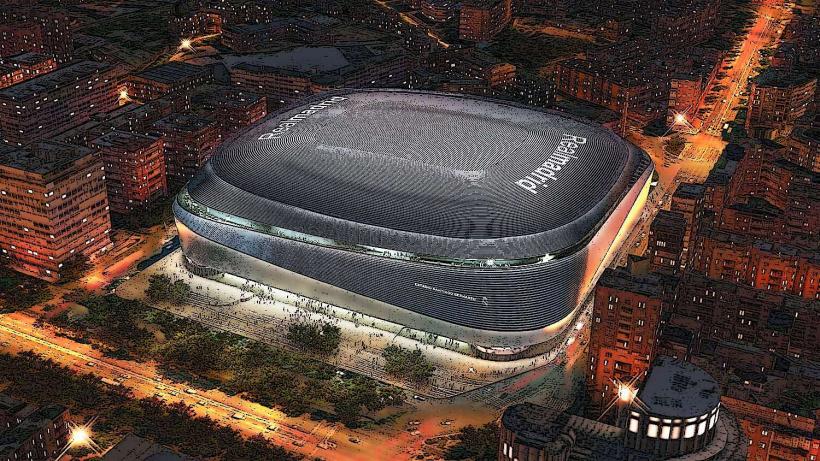
Santiago Bernabéu Stadium: The home of Real Madrid, recently renovated with a retractable roof and 360-degree LED screen.
Transportation Network
The Metro de Madrid is one of the most extensive systems in the world, with 12 lines and the R (Ramal) link. It is complemented by Cercanías (commuter rail) and EMT buses. The primary ride-hailing applications are Cabify, Uber, and Bolt. Official taxis are white with a diagonal red stripe on the front doors. High-speed rail (AVE) connects the city to the rest of Spain via Atocha and Chamartín stations.
Safety & "Red Zones"
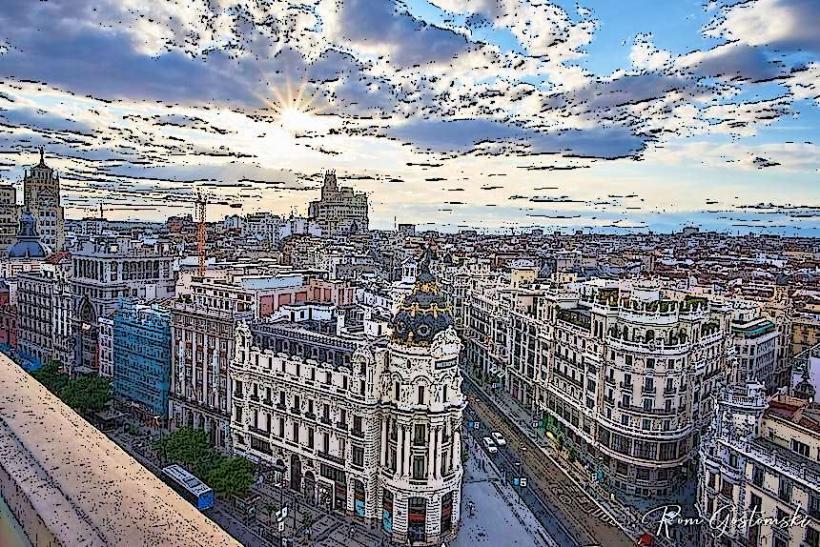
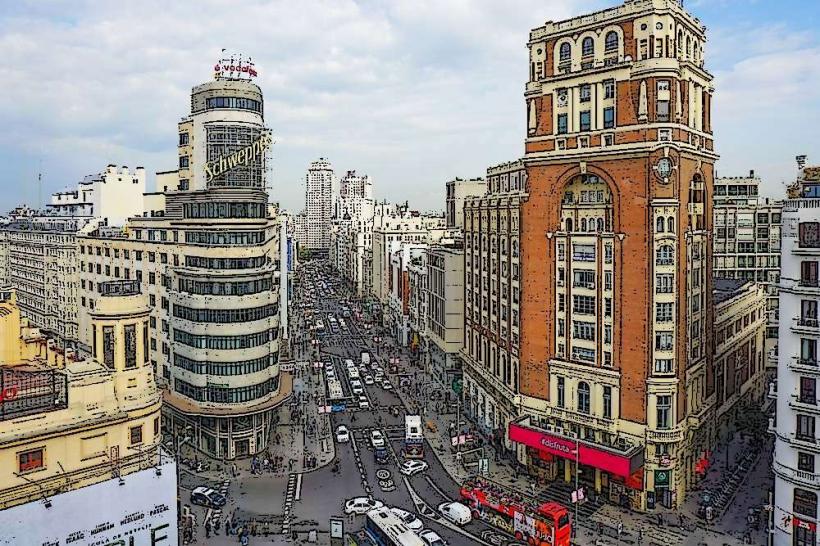
Madrid is generally very safe, but pickpocketing is prevalent in the Centro district, specifically around Sol, Gran Vía, and Plaza Mayor. Certain southern areas like Usera, Villa de Vallecas, and parts of San Blas and Lavapiés (near Atocha) are considered "red zones" after dark due to higher rates of drug-related activity and petty crime. Avoid deserted parks and poorly lit streets in the southern peripheries at night.
Digital & Financial Infrastructure
Average fixed broadband speed is 280 Mbps. 5G coverage is universal via Movistar, Orange, and Vodafone. Card acceptance is 100% in the city center. Following the Eurozone standard, the currency is the Euro (€). ATMs are ubiquitous; avoid "Euronet" machines due to high fees, opting for bank-affiliated ones (Santander, BBVA, CaixaBank).
Climate & Air Quality
The climate is Mediterranean with continental influences. Summers are hot and dry, with July highs often reaching 35°C–40°C. Winters are cold and dry, ranging from 1°C to 10°C. Air quality is often poor in the center due to nitrogen dioxide (NO2) trapped by the "beret" (thermal inversion) effect; the Madrid Central low-emission zone restricts non-compliant vehicle access.
Culture & Social Norms
Language: Castilian Spanish is the official language. English is widely spoken in tourist zones and by younger professionals.
Mealtimes: Lunch (14:00–16:00) and Dinner (21:00–23:00) are standard. Many shops close for siesta (14:00–17:00).
Tipping: Small change or €1–2 is standard; 5–10% for exceptional service in high-end restaurants.
Greetings: Two kisses on the cheeks (social) or a handshake (professional).
Accommodation Zones
Salamanca/Retiro: Recommended for families and luxury travelers.
Chueca/Malasaña: Recommended for nightlife and central access.
Chamberí: Recommended for a local, authentic residential experience.
Local Cost Index
1 Espresso: €1.80–€2.20
1 Menú del Día (Lunch): €13.00–€18.00
1 Single Metro Ticket: €1.50–€2.00 (depending on zones)
Nearby Day Trips
Toledo (75 km): The former capital, reachable in 33 minutes via AVANT train.
Segovia (90 km): Known for its Roman aqueduct and fairytale castle (Alcázar).
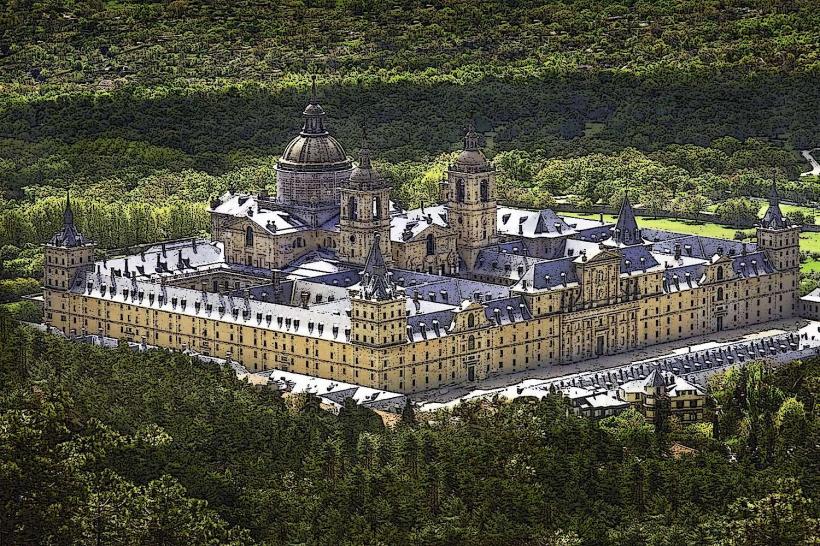
El Escorial (45 km): A massive royal monastery and palace complex.
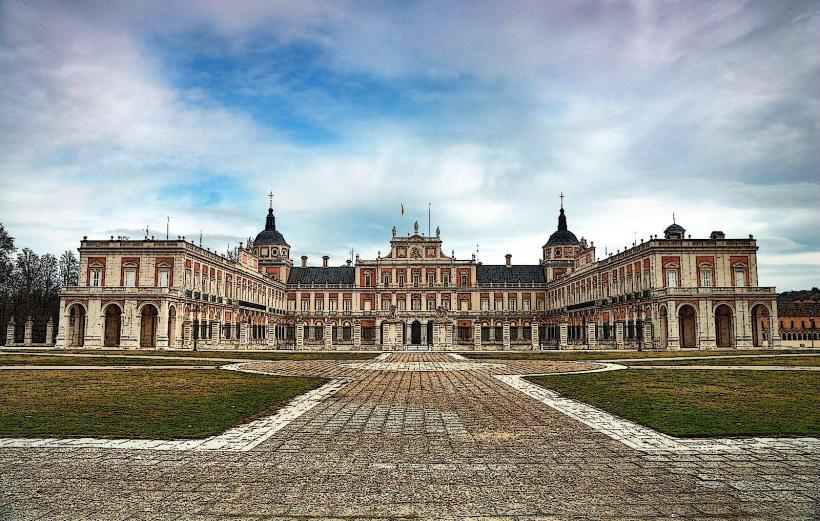
Aranjuez (48 km): A royal estate known for its gardens and palace.
Facts & Legends
Madrid is the only capital in Europe founded by Arabs. A popular legend concerns the House of the Seven Chimneys (Casa de las Siete Chimeneas), where the ghost of a lover of King Philip II is said to haunt the roof. The city’s symbol, the Bear and the Strawberry Tree (El Oso y el Madroño), is a 13th-century heraldic device representing a dispute settlement between the Church and the City Council over land rights.