Information
City: MobileCountry: USA Alabama
Continent: North America
Mobile, USA Alabama, North America
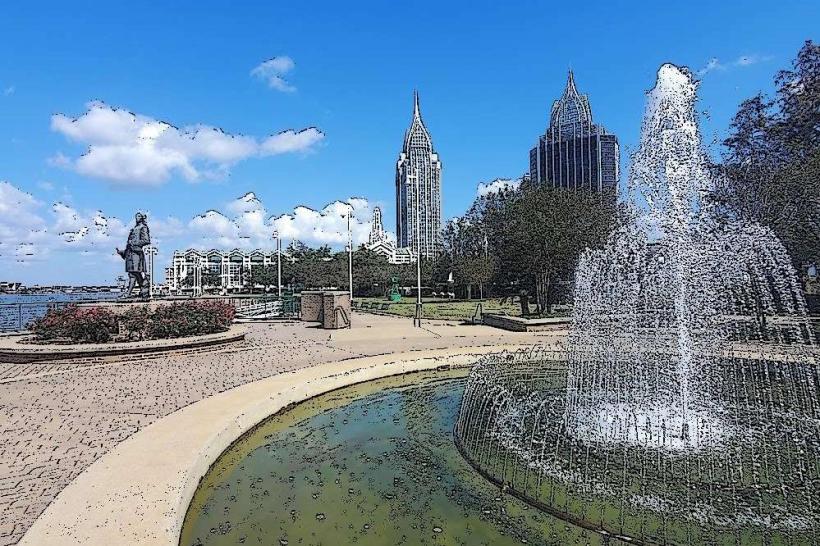
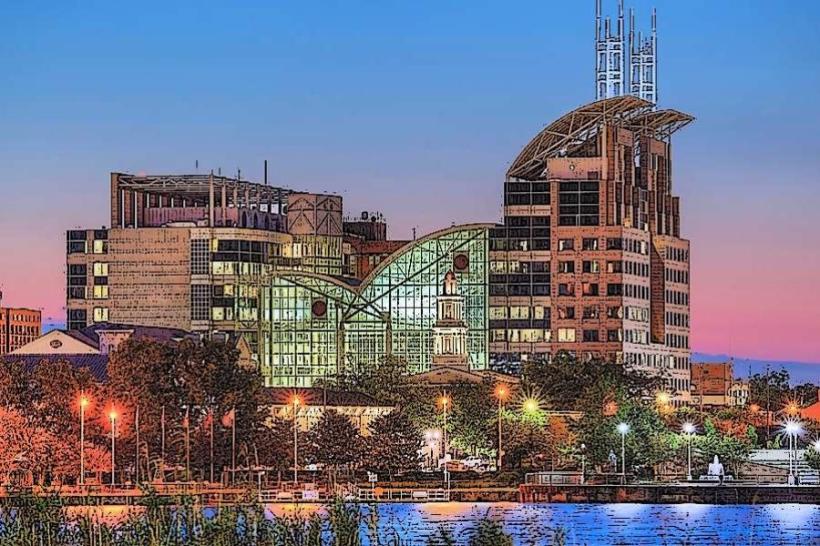
Mobile is an independent city and the seat of Mobile County, situated at the head of Mobile Bay on the Gulf Coast. Known as the "Port City," it is defined by its status as the only saltwater port in Alabama, its role as the birthplace of Mardi Gras in America, and a distinct French and Spanish colonial heritage that differentiates it from the rest of the state.
Historical Timeline
Founded in 1702 by French brothers Iberville and Bienville as the first capital of French Louisiana. It changed hands five times-French, British, Spanish, American, and Confederate-earning it the moniker "The City of Six Flags." A critical historical event was the 1864 Battle of Mobile Bay, famous for Admiral Farragut’s command, "Damn the torpedoes, full speed ahead!" The 20th century saw the city become a massive shipbuilding hub during WWII. In the 21st century, it has emerged as a global aerospace center following the 2015 opening of the Airbus U.S. Manufacturing Facility.
Demographics & Population
The population is approximately 183,000 (Metro area ~430,000). The demographics are Black or African American (51%), White (42%), and Hispanic or Latino (3%). The economy is driven by aerospace, maritime trade, shipbuilding (Austal USA), and chemical manufacturing.
Urban Layout & Key Districts
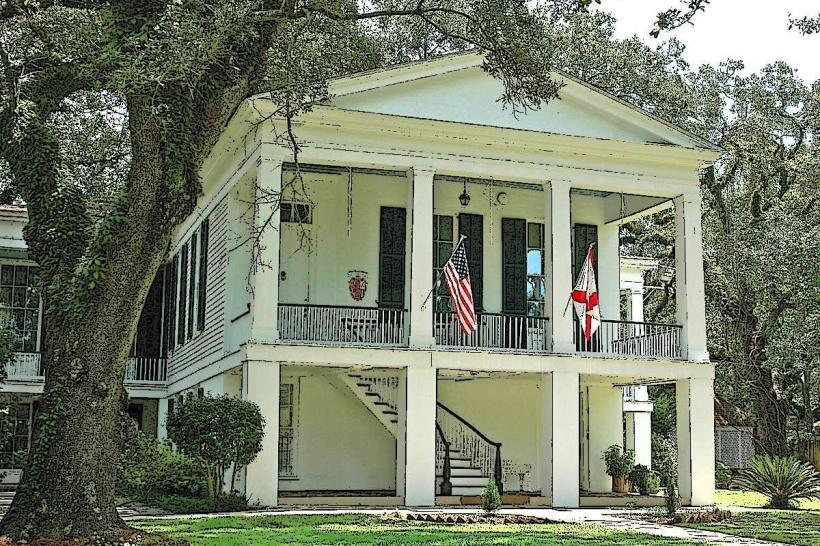
Mobile is organized along the western shore of the Mobile River and Bay, characterized by moss-draped live oaks and historic ironwork.
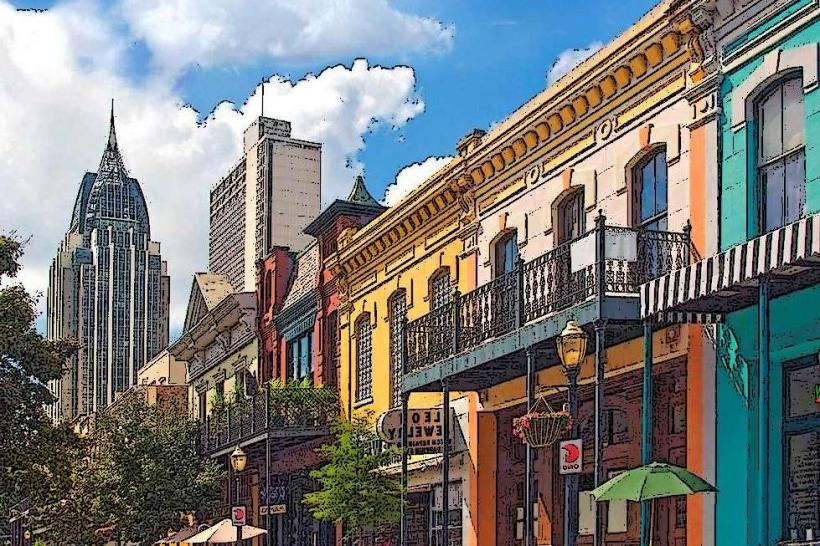
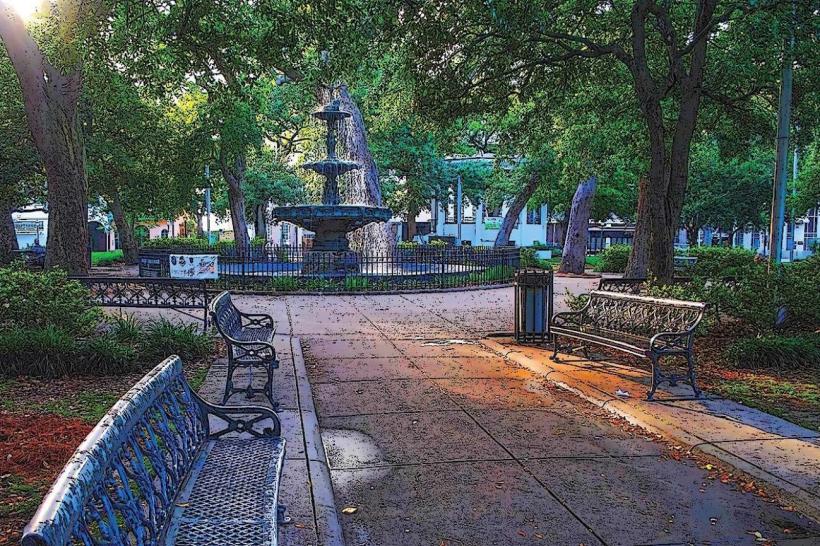
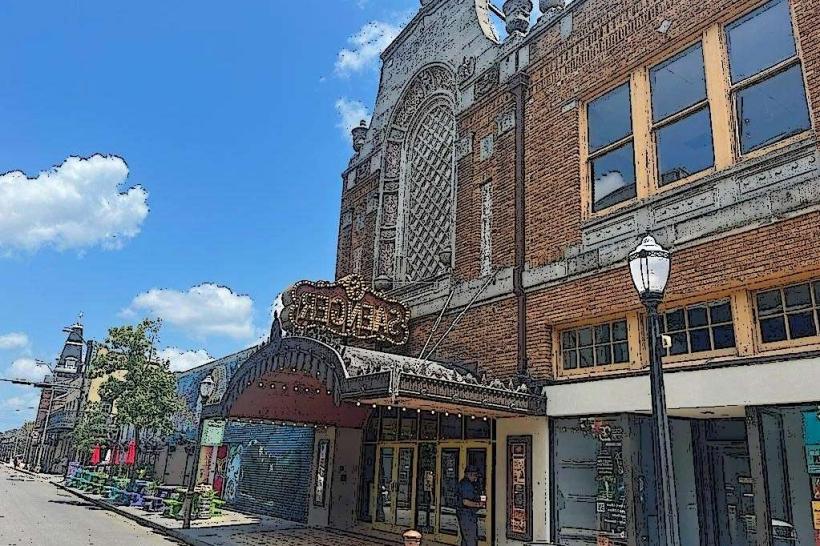
Downtown / Lower Dauphin (LoDa): The historic and cultural heart, featuring the Entertainment District, Bienville Square, and the Mardi Gras parade routes.
De Tonti Square: A small, high-density historic district known for its brick-paved streets and 19th-century townhomes.
Oakleigh Garden District: An affluent residential area centered on Washington Square, featuring Greek Revival and Victorian estates.
Midtown: A sprawling district of early 20th-century bungalows and local retail, serving as the bridge between downtown and western suburbs.
Mobile Bayfront: The industrial and recreational eastern edge, dominated by the Port of Mobile and the USS Alabama.
Top City Landmarks
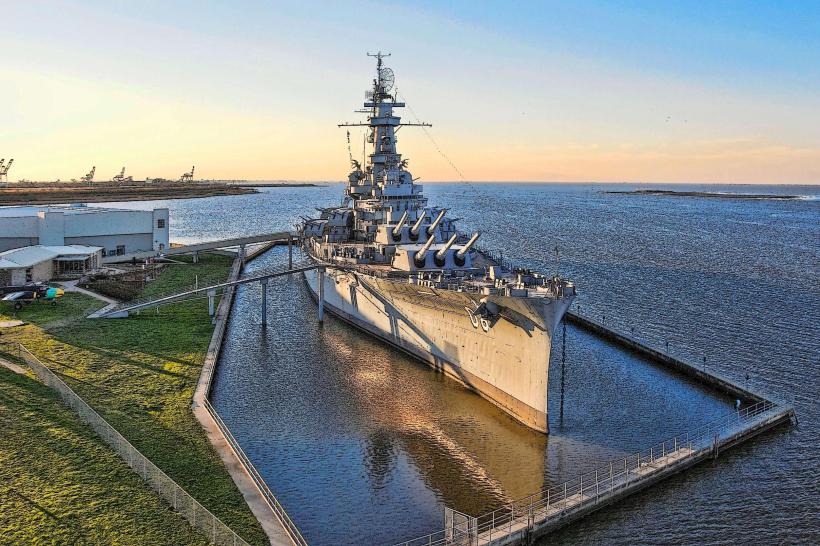
USS Alabama (BB-60): A retired WWII battleship anchored in Memorial Park, accompanied by the submarine USS Drum and an aircraft pavilion.
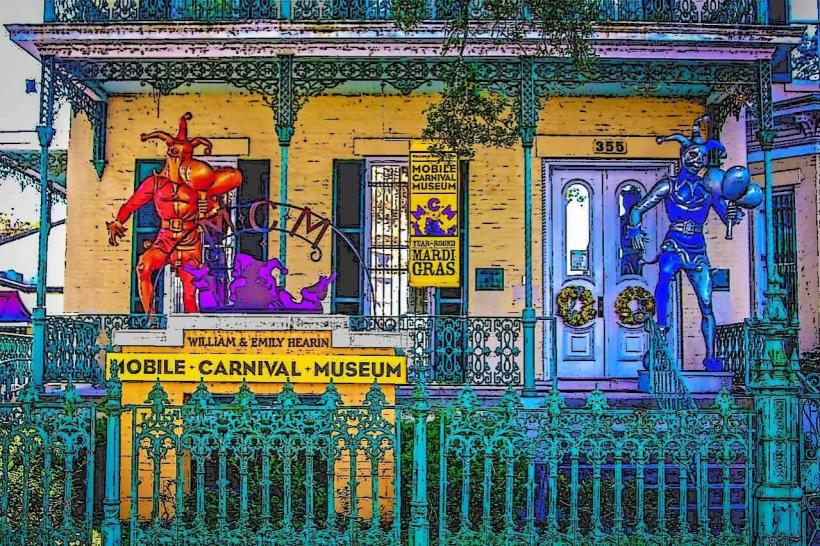
Mobile Carnival Museum: Dedicated to the history of Mardi Gras (which began here in 1703, predating New Orleans).
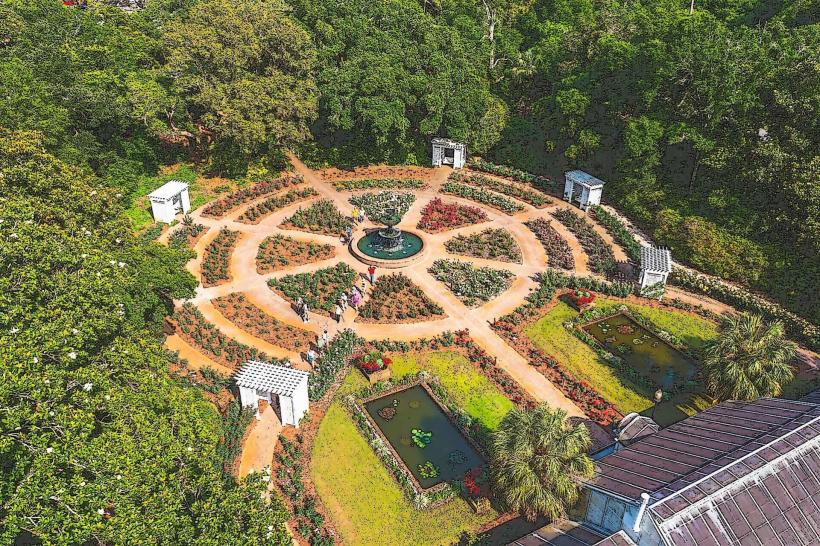
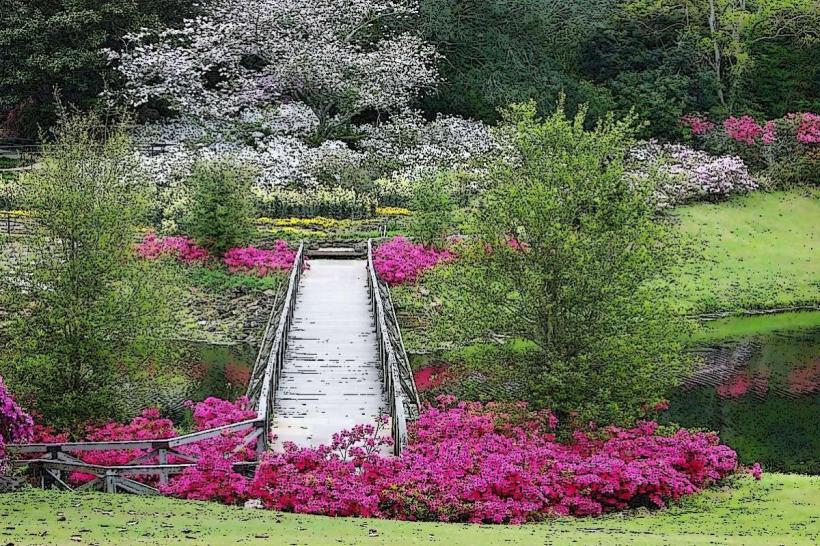
Bellingrath Gardens and Home: Located 30 km south; a 65-acre floral estate and historic mansion on the Fowl River.
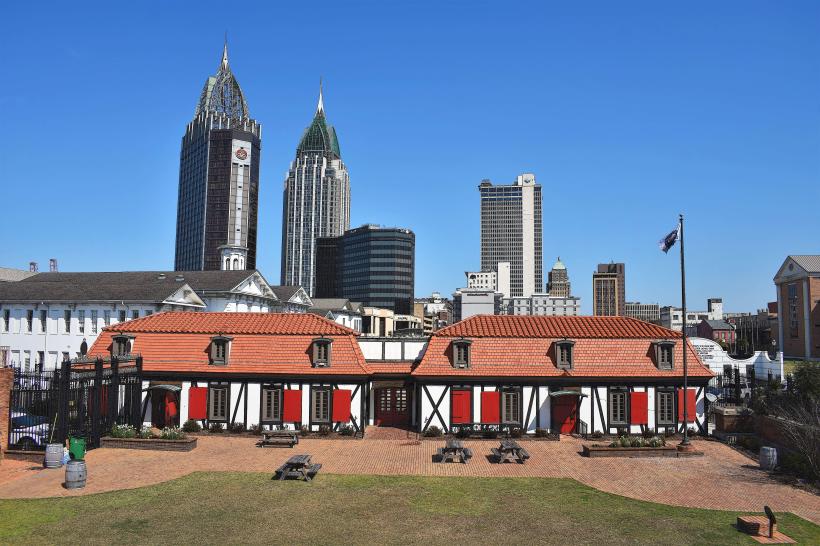
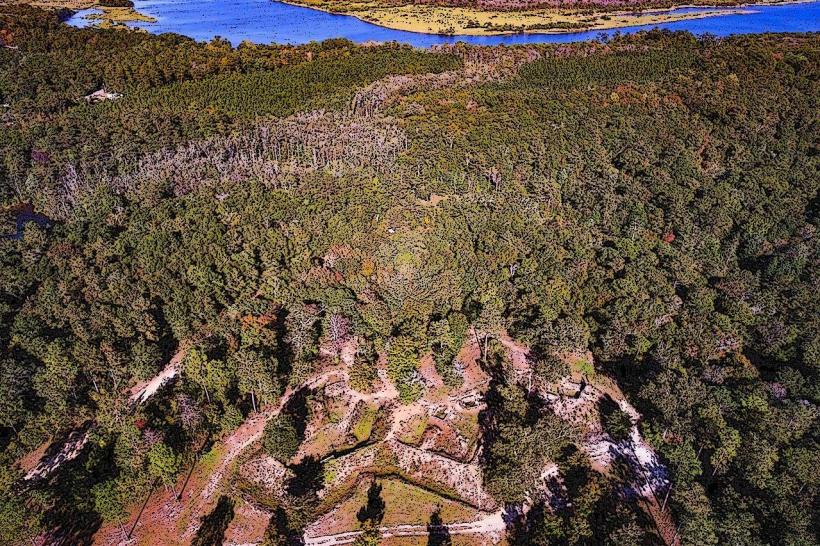
Fort of Colonial Mobile: A partial reconstruction of the 1723 French Fort Condé, serving as the city's welcome center.
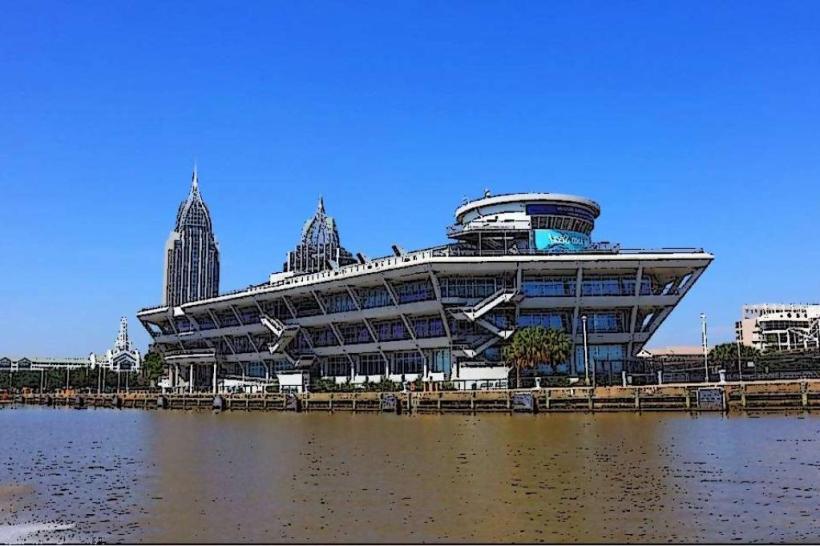
GulfQuest National Maritime Museum: A massive, ship-shaped facility exploring the maritime history of the Gulf of Mexico.
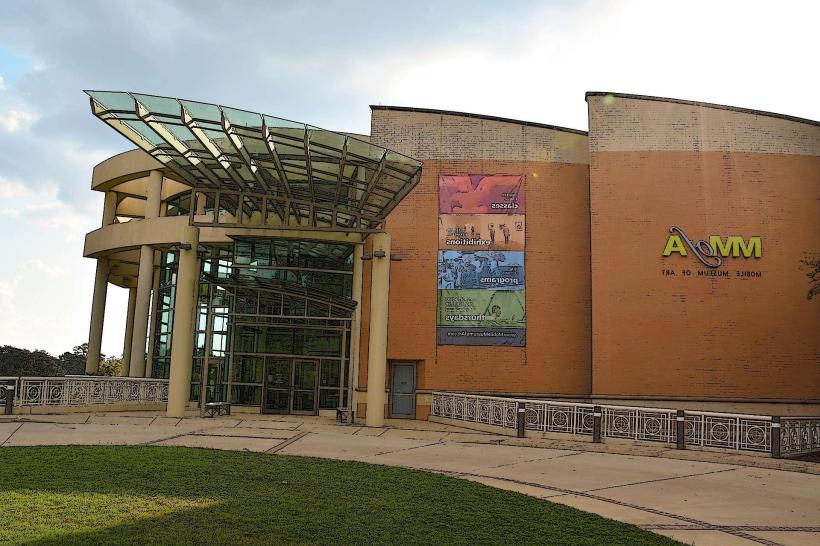
Mobile Museum of Art: Located in Langan Park, featuring a significant collection of Southern and international fine art.
Transportation Network
Movement is automotive-centric. The city is the southern terminus of I-65 and a major stop on I-10. The George Wallace Tunnel and Bankhead Tunnel connect the city to the eastern shore via the bay. Public transit is provided by The Wave Transit System. Commercial air service is via Mobile Regional (MOB) and the newer Mobile International (BFM) downtown.
Safety & "Red Zones"
The general safety level is low to moderate. Per-capita crime rates are significantly higher than the national average. Caution is advised at night in parts of Prichard (neighboring city) and the Maysville and Happy Hill neighborhoods due to localized violent crime. Downtown is generally safe but requires standard urban awareness after dark. Environmental hazards include significant hurricane risk and heavy seasonal rainfall.
Digital & Financial Infrastructure
Internet speeds average 500+ Mbps with fiber availability via AT&T and C Spire. Main mobile carriers are Verizon and AT&T. Card acceptance is universal. ATMs are concentrated in the LoDa and Midtown corridors.
Climate & Air Quality
Temperatures range from 4°C to 16°C in winter and 23°C to 33°C in summer. Mobile is statistically one of the rainiest cities in the U.S. Air quality is moderate, occasionally influenced by industrial activity along the river.
Culture & Social Norms
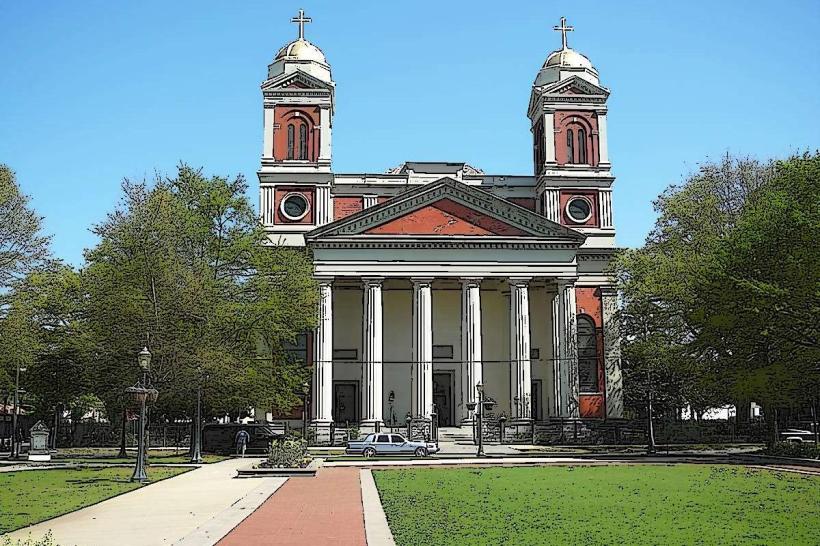
The standard tipping percentage is 20%. A "Coastal-Southern" and relaxed greeting is standard. Dress codes are "Casual-Professional" (seersucker and linen are common during the humid summer). The city is culturally defined by its Mardi Gras tradition, its "MoonPie" obsession, and its French-Catholic roots.
Local Cost Index
1 Espresso: $4.50 (USD)
1 Standard Lunch: $17.00 (USD)
1 USS Alabama Tour: $18.00–$20.00.
Nearby Day Trips
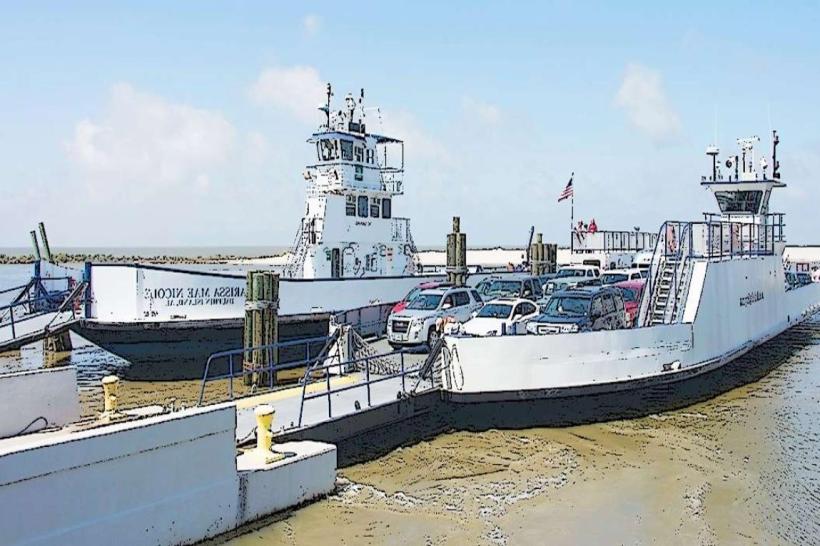
Dauphin Island: (45 km south; a barrier island featuring a bird sanctuary and Fort Gaines).
Fairhope, AL: (30 km east; a scenic arts community on the eastern shore of Mobile Bay).
Gulf Shores / Orange Beach: (75 km south; the state’s primary white-sand beach destinations).
Facts & Legends
Mobile is the birthplace of five MLB Hall of Famers, including Hank Aaron and Satchel Paige. Historically, it was the site of the last known slave ship, the Clotilda, which arrived in 1860. A local legend involves the "Boyington Oak," a massive tree outside the Church Street Cemetery said to have sprouted from the grave of Charles Boyington to prove his innocence after his 1835 execution. Another legend concerns the "Lady in Red," a ghost rumored to haunt the Battle House Hotel.