Information
City: New DelhiCountry: India
Continent: Asia
New Delhi, India, Asia
New Delhi is the capital of India and the administrative heart of the National Capital Territory (NCT) of Delhi. Situated along the Yamuna River, it is a global metropolis characterized by its juxtaposition of monumental colonial architecture, ancient heritage sites, and extreme urban density.
Historical Timeline
The region has been inhabited since at least the 6th century BCE, traditionally associated with Indraprastha, the capital of the Pandavas in the Mahabharata. It has served as the seat of power for the Tomara Rajputs, the Delhi Sultanate (1206–1526), and the Mughal Empire (starting 1526). A critical historical event occurred in 1911 when British King George V announced the transfer of the capital from Calcutta to a new planned city. Designed by Sir Edwin Lutyens and Sir Herbert Baker, New Delhi was officially inaugurated in 1931. In 1947, it became the capital of independent India, absorbing a massive influx of refugees following the Partition. In 2026, it serves as a geopolitical pivot for the Indo-Pacific region.
Demographics & Population
The 2026 estimated population for the Delhi metro area is 35.5 million, making it one of the largest urban agglomerations in the world. The specific New Delhi district population is significantly smaller (approx. 250,000) as it is primarily an administrative zone. The demographics are a heterogeneous mix of Punjabi, Haryanvi, Bengali, and South Indian communities. Hindi is the primary language, with English serving as the language of administration and business. The economy is driven by Government Administration, Information Technology, Telecommunications, and Retail.
Urban Layout & Key Districts
New Delhi is planned with wide, circular avenues and extensive greenery, contrasting with the narrow, labyrinthine streets of Old Delhi (Shahjahanabad).
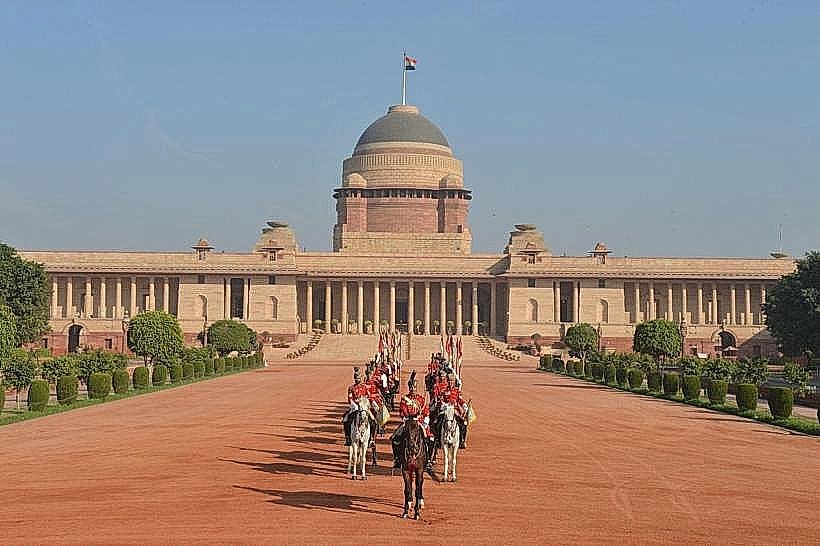
Lutyens’ Delhi: The high-security administrative core housing the Rashtrapati Bhavan (President’s House), Parliament House, and elite bungalows.
Connaught Place (CP): The primary commercial and financial hub, organized into concentric circles (Inner, Middle, and Outer).
Chanakyapuri: The diplomatic enclave, home to most foreign embassies and international schools.
South Delhi: An affluent residential and high-end retail belt including neighborhoods like Hauz Khas, Greater Kailash, and Saket.
Top City Landmarks
Rashtrapati Bhavan: The official residence of the President of India, an architectural marvel of the British Raj.
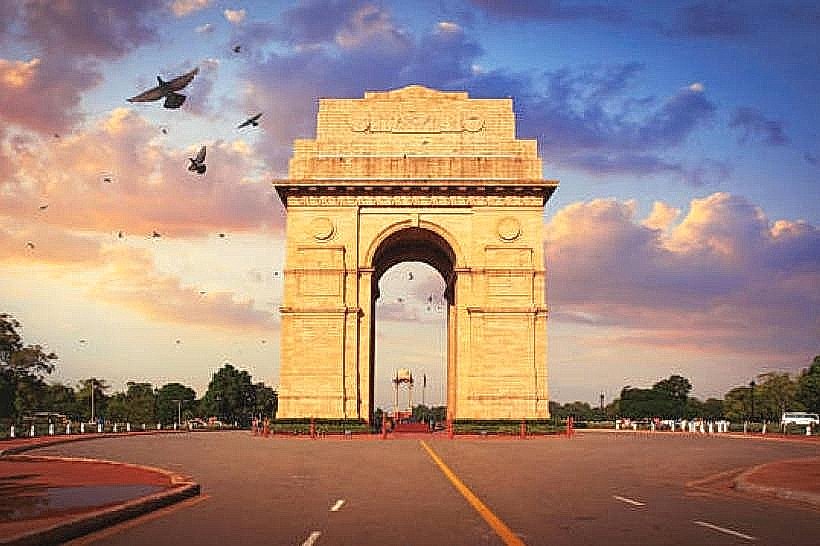
India Gate: A 42-meter-high war memorial arch honoring Indian soldiers who died in WWI.
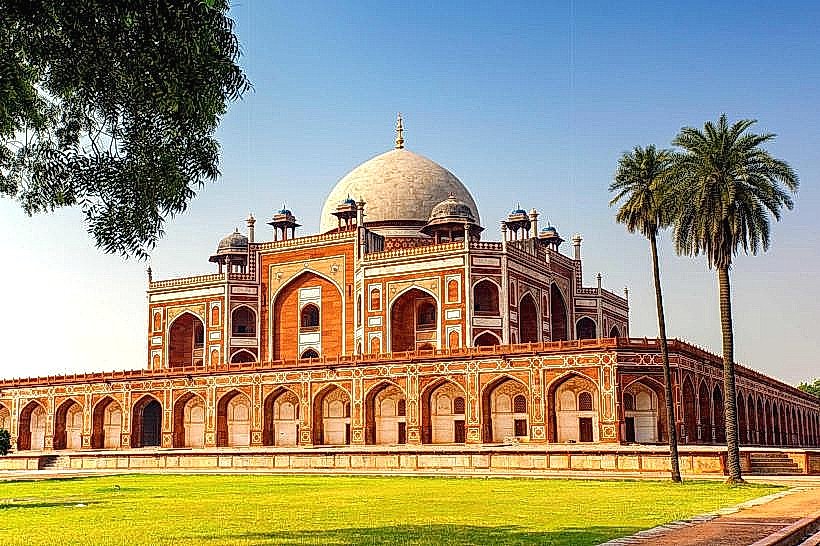
Humayun’s Tomb: A UNESCO World Heritage site and the first substantial example of Mughal architecture in India.
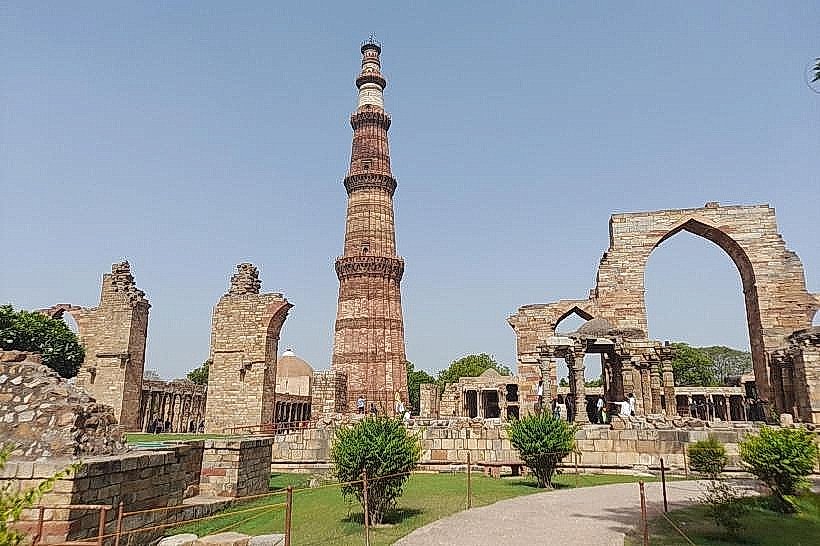
Qutub Minar: A 73-meter-tall brick minaret dating to 1192, representing the start of Muslim rule in Delhi.
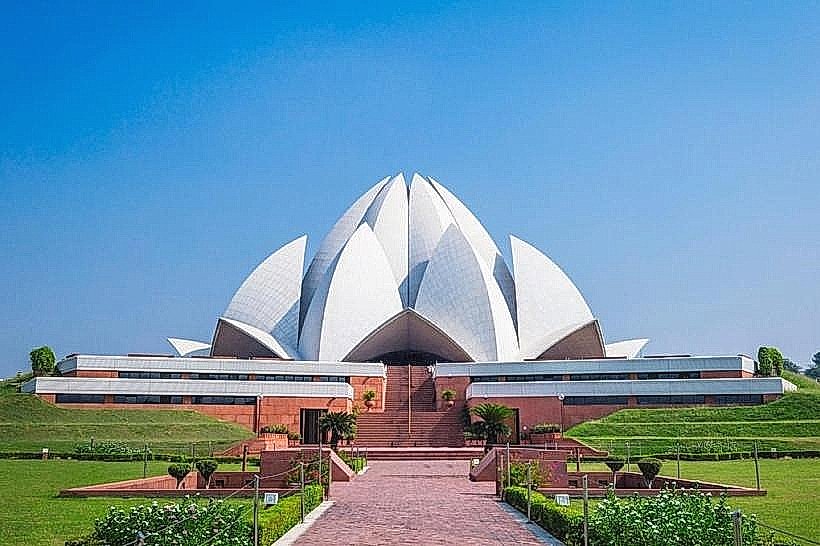
Lotus Temple: A Bahá'í House of Worship notable for its flower-like shape and serene atmosphere.
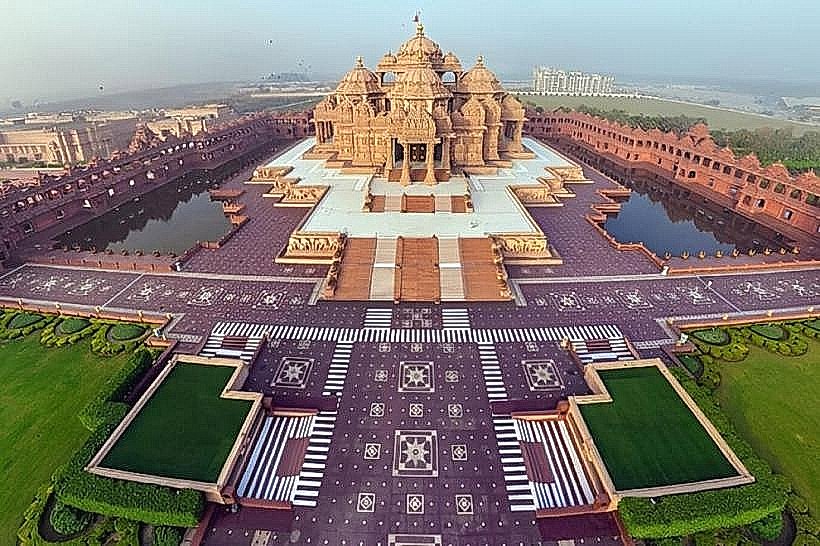
Akshardham Temple: A massive modern Hindu temple complex showcasing traditional Indian culture and spirituality.
Transportation Network
Movement is facilitated by the Delhi Metro, a world-class rapid transit system that is the backbone of the city. Indira Gandhi International Airport (DEL) is one of the busiest in Asia. The city is a major rail hub with primary stations at New Delhi (NDLS), Old Delhi (DLI), and Hazrat Nizamuddin (NZM). Road transport relies on auto-rickshaws, app-based cabs (Uber/Ola), and a vast but often congested bus network.
Safety & "Red Zones"
General safety is moderate. Petty crime (pickpocketing) is common in crowded markets like Chandni Chowk or Paharganj. Extreme seasonal air pollution (October–January) is a severe health hazard. Significant "red zones" include active construction sites with unsecured digging, which currently pose commute risks. Travelers are advised to avoid poorly lit areas at night and be wary of frequent traffic diversions during political protests or national holidays.
Digital & Financial Infrastructure
High-speed 5G connectivity is universal. The Unified Payments Interface (UPI) is the dominant payment method; QR codes are accepted by everyone from luxury boutiques to street vendors. Card acceptance is standard in formal establishments.
Climate & Air Quality
Temperatures range from 5°C to 25°C in winter and 28°C to 45°C in summer. The Monsoon (July–September) brings heavy rains and high humidity. Air quality index (AQI) levels frequently exceed "Hazardous" thresholds during the winter months due to crop burning and stagnant winds.
Culture & Social Norms
A "Formal-Respectful" greeting is standard. Tipping is customary (10% in restaurants). Dress codes vary from traditional Indian wear (Saris/Kurta-Pyjama) to modern western business attire. Cultural identity is defined by a Syncretic Heritage (Ganga-Jamuni Tehzeeb), Political Intensity, and Cosmopolitan Consumption.
Local Cost Index
1 Espresso (Cappuccino): ₹160 ($1.90 USD)
1 Standard Lunch: ₹350 ($4.20 USD)
1 Museum Admission: ₹20–₹600 (tiered pricing for Indians vs. foreigners).
Nearby Day Trips
Agra: (230 km south; home of the Taj Mahal, accessible via high-speed rail in 2 hours).
Neemrana Fort-Palace: (120 km southwest; a 15th-century heritage hotel).
Sultanpur National Park: (45 km west; a bird sanctuary and wetland).
Facts & Legends
Delhi is often called the "City of Cities," as at least eight distinct historical cities have been built on this site. Historically, the Iron Pillar of Delhi in the Qutub complex has resisted rust for over 1,600 years. A local legend claims that the city is protected by the spirit of the Sufi saint Nizamuddin Auliya, whose dargah remains a site of immense pilgrimage. Another legend states that whoever builds a new capital in Delhi will eventually lose their empire-a superstition often cited regarding the British exit shortly after completing New Delhi.