Information
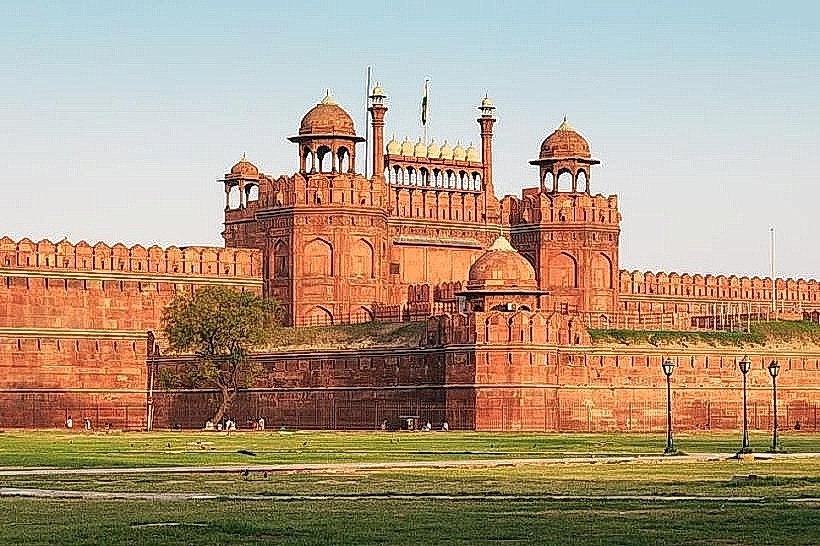
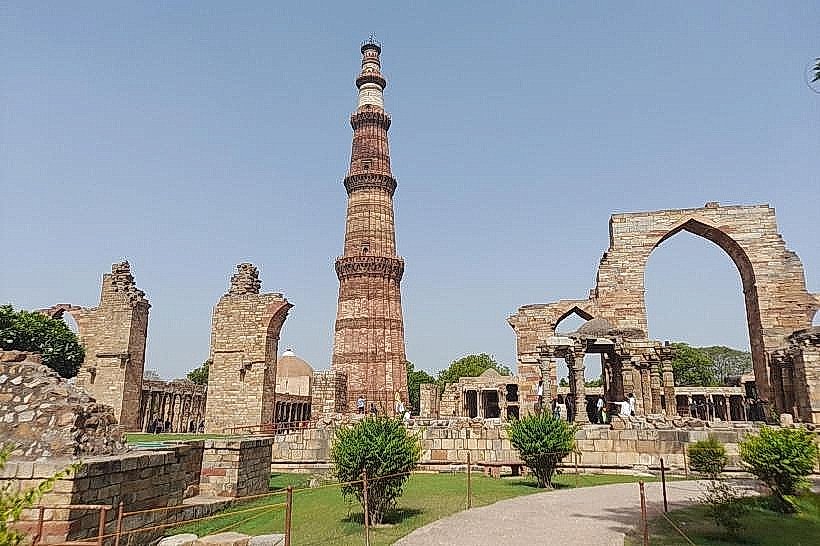
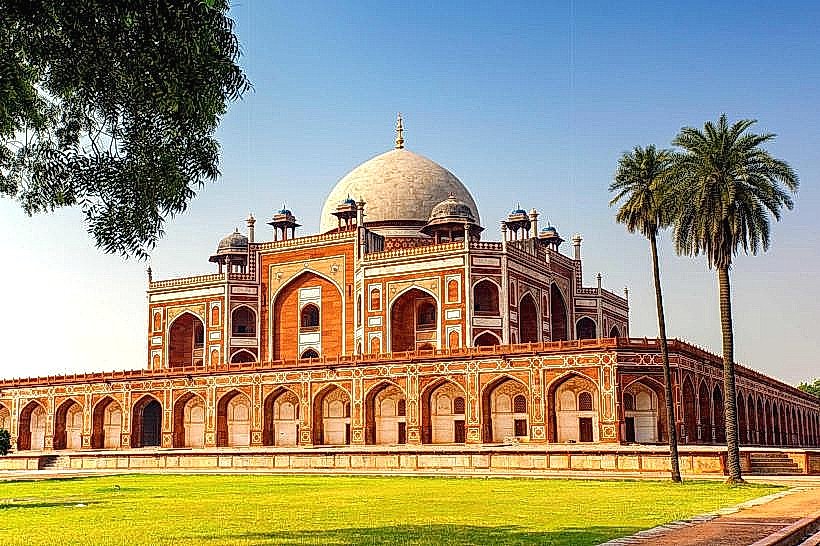
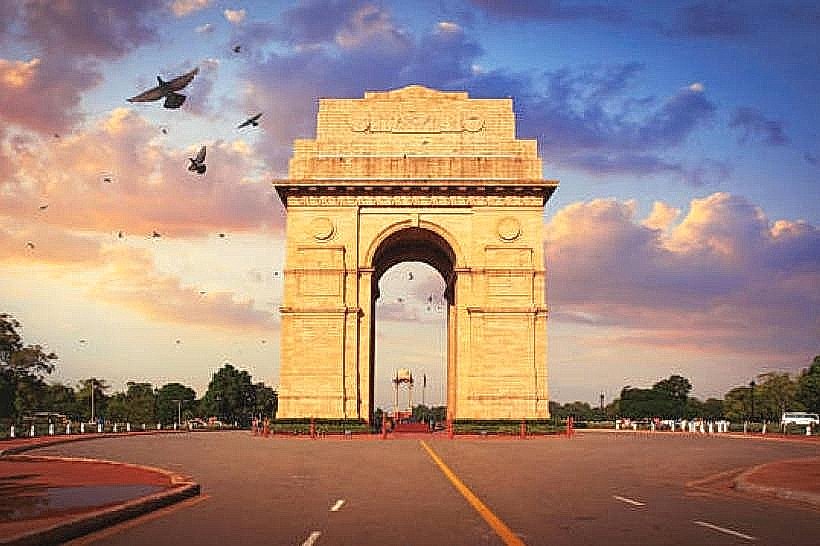
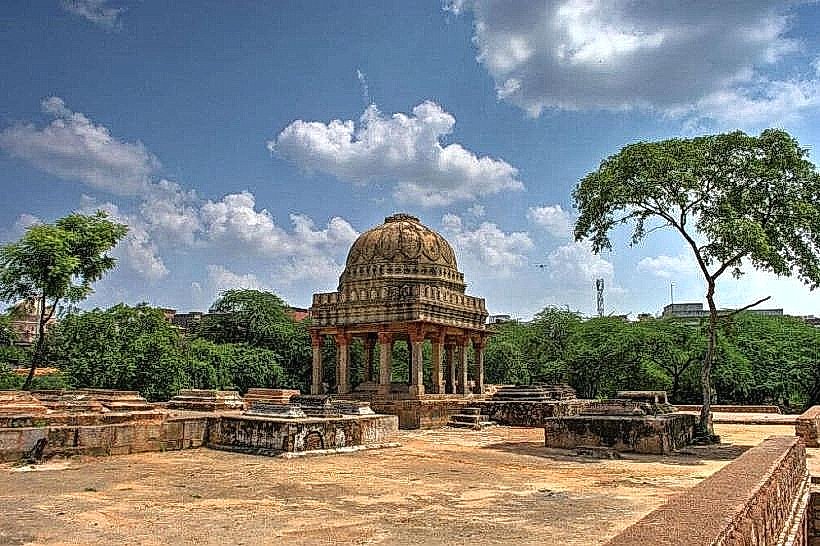
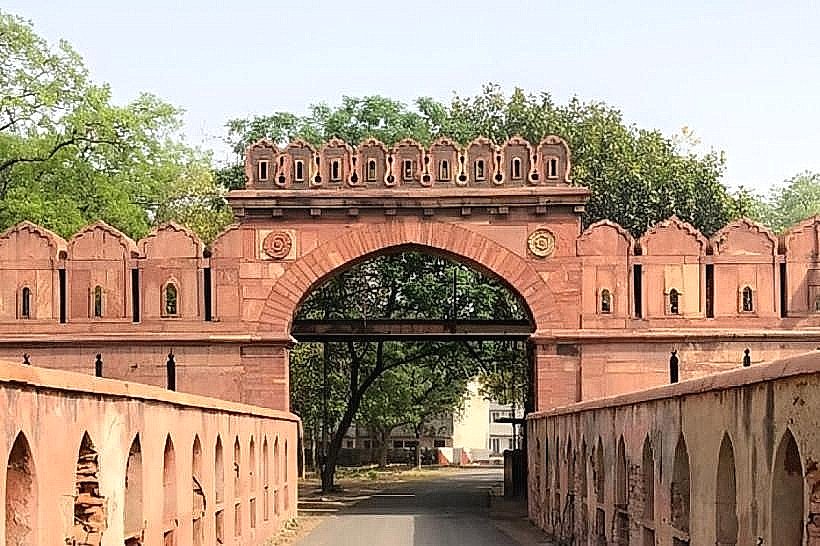
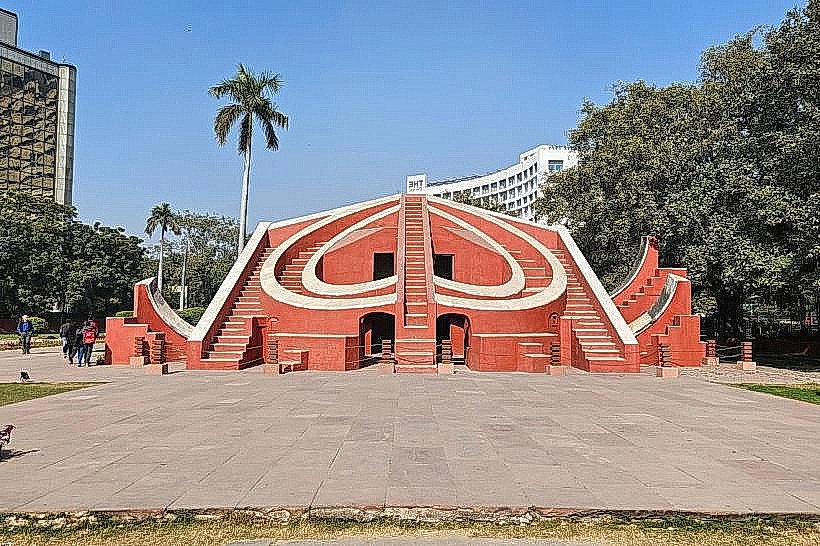
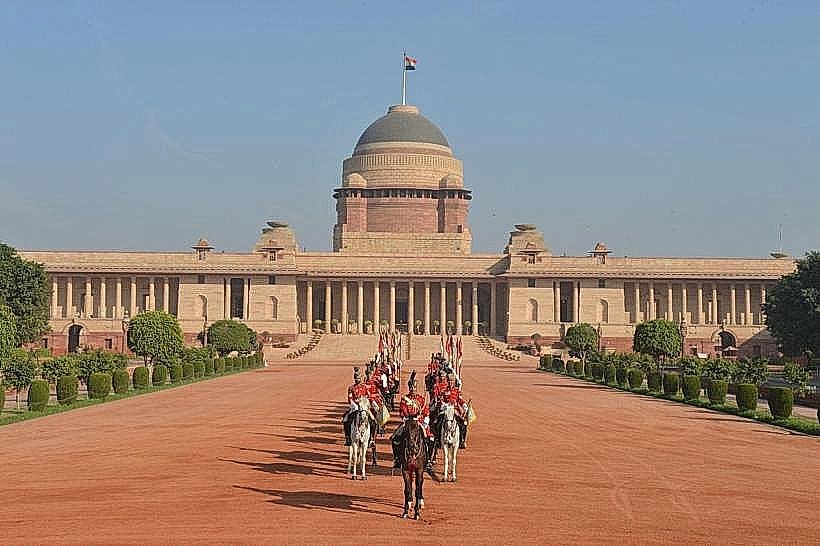
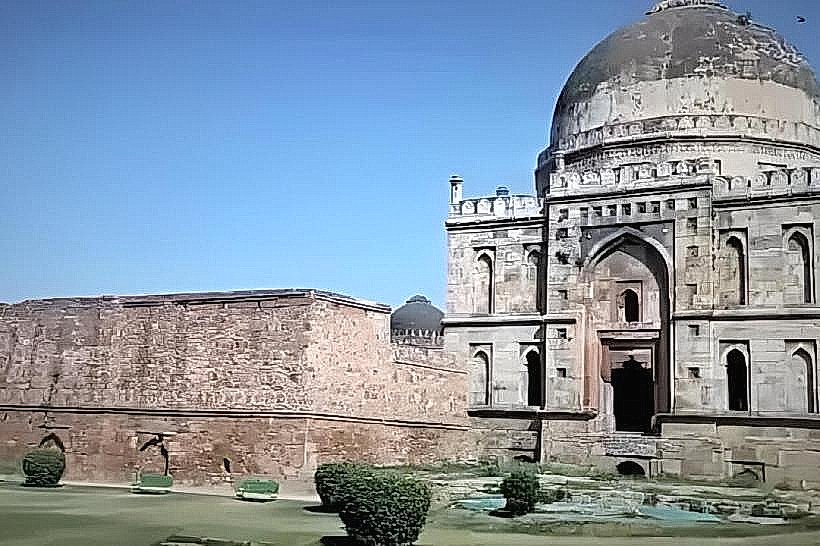
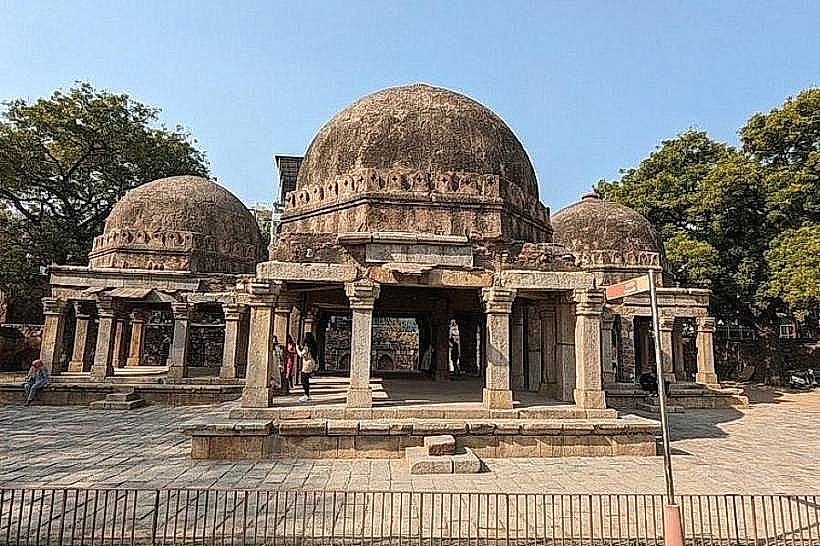
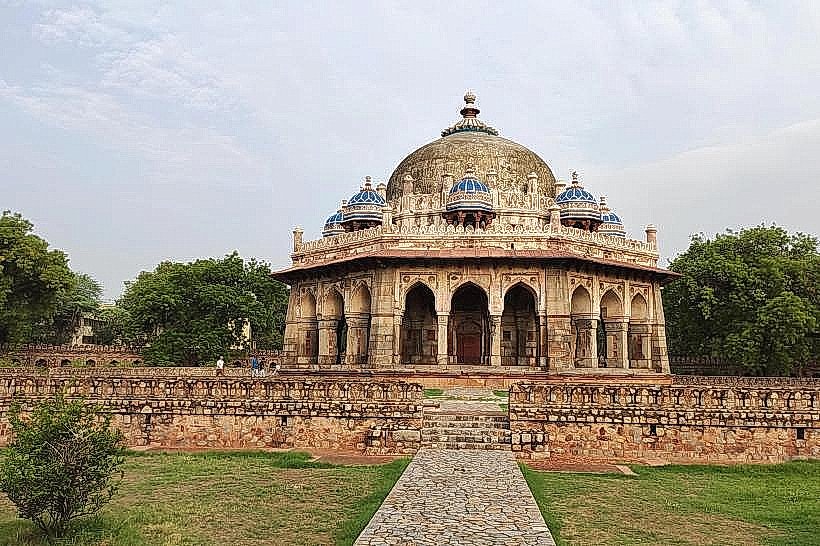
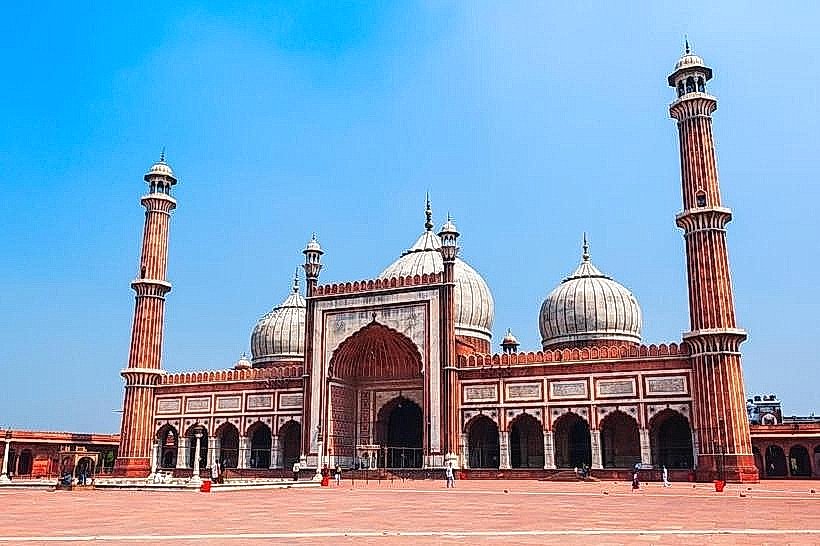
Landmark: Jahaz MahalCity: New Delhi
Country: India
Continent: Asia
Jahaz Mahal, New Delhi, India, Asia
The Panaga Golf Club is a golf course located in Seria, within the Belait District of Brunei.
Visual Characteristics
The course consists of 18 holes spread across approximately 60 hectares. It features fairways of well-maintained Bermuda grass and greens of Tifway 419 Bermuda grass. The landscape includes mature trees, water hazards (ponds and streams), and sand bunkers strategically placed throughout the layout. The terrain is generally flat with some gentle undulations.
Location & Access Logistics
The Panaga Golf Club is situated approximately 5 kilometers west of the Seria town center. Access is via Jalan Panaga. Ample parking is available on-site. The nearest public transport would involve local bus routes that service the Seria area, with a short walk from the nearest stop to the club entrance.
Historical & Ecological Origin
The Panaga Golf Club was established in 1952 by the British Malayan Petroleum Company (now Brunei Shell Petroleum). It was initially built to serve the recreational needs of expatriate staff working in the oil and gas industry. The course is situated on land that was historically mangrove swamp and cleared for development.
Key Highlights & Activities
Playing a round of golf is the primary activity. The club offers practice facilities including a driving range and putting green. Members and guests can participate in regular club tournaments and social events. Golf lessons are available from the club's professional staff.
Infrastructure & Amenities
The club features a clubhouse with changing rooms and shower facilities. A pro shop is available for equipment and apparel. A restaurant and bar are located within the clubhouse. Cell phone signal (4G/5G) is generally good within the clubhouse area and parts of the course.
Best Time to Visit
The best time of day for playing golf is typically early morning or late afternoon to avoid the midday heat. The driest months are generally from January to March, though golf is playable year-round. There are no tide-dependent restrictions.
Facts & Legends
A local anecdote suggests that the course's layout was influenced by the natural contours of the land, with minimal earthmoving initially undertaken. Some long-time members recall sightings of monitor lizards near the water hazards, a common sight in the region.
Nearby Landmarks
- Seria Energy Town Hall (1.2km East)
- Brunei Shell Petroleum Recreation Club (1.5km East)
- Taman Rekreasi Sungai Liang (4.0km West)
- Pusat Latihan Teknologi Tinggi Brunei (4.5km North-East)