Information
City: North Male AtollCountry: Maldives
Continent: Asia
North Male Atoll, Maldives, Asia
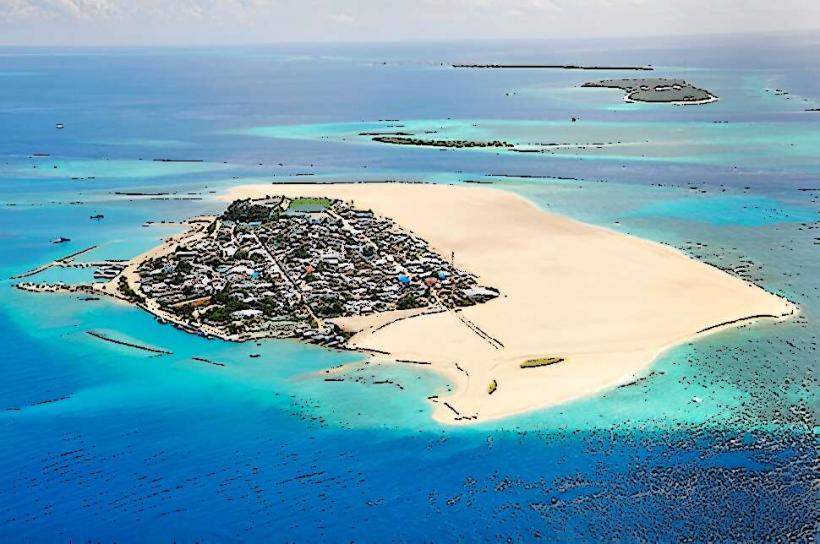
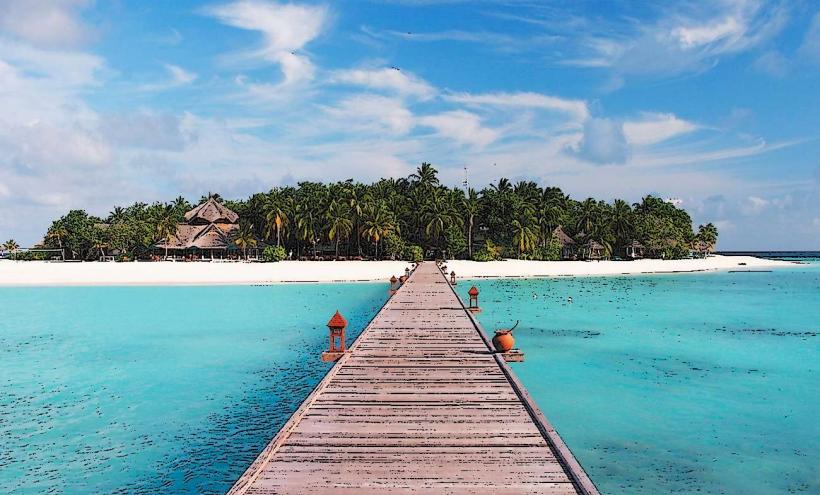
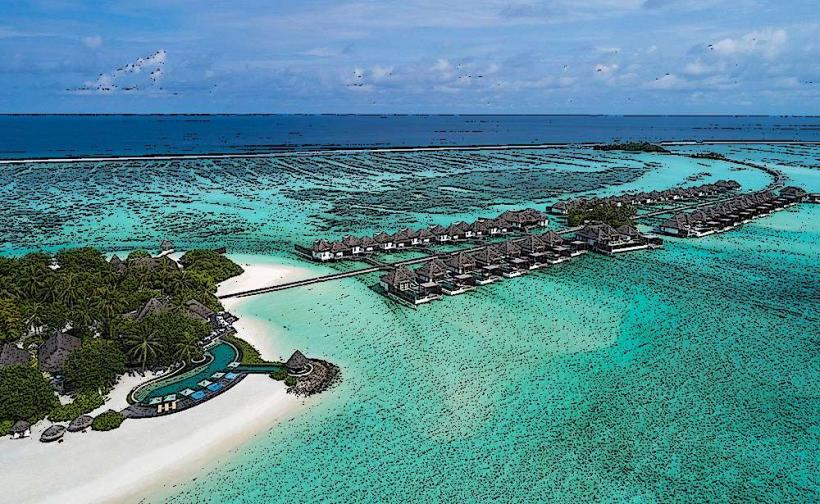
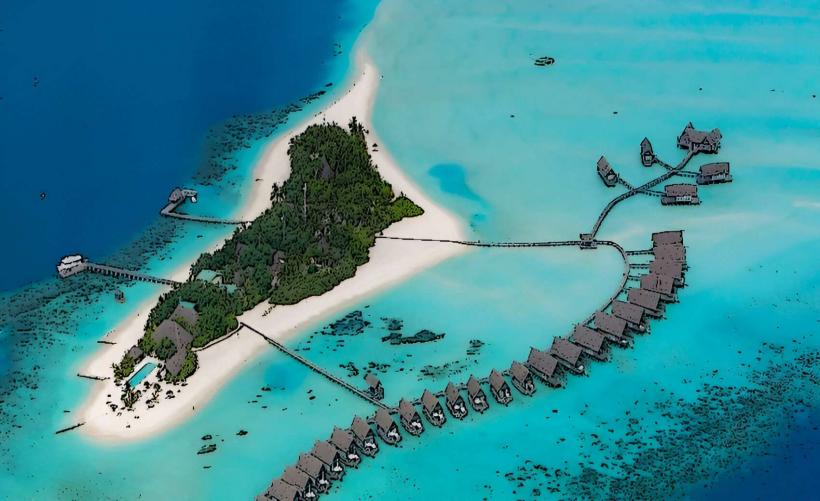
North Malé Atoll, also known as Northern Kaafu, is the primary gateway to the Maldives. It contains the national capital, the international airport, and the highest concentration of the country’s earliest luxury resorts. It is the logistical and economic heart of the archipelago.
Historical Timeline
Historically, the atoll was the strategic center of the Maldivian Sultanate. During the 17th century, its lagoons served as defense points against Portuguese and Dutch incursions. In 1972, the atoll became the birthplace of Maldivian tourism with the opening of Kurumba Village (now Kurumba Maldives). Since the late 20th century, the atoll has undergone massive geographical transformation through land reclamation, most notably the creation of the artificial island Hulhumalé.
Demographics & Population
The population exceeds 250,000, accounting for over half of the national total. While the majority are concentrated in Malé and Hulhumalé, the atoll includes several other inhabited islands. The demographic is highly international, hosting tens of thousands of expatriate workers from South Asia and global hospitality professionals.
Key Islands & Districts
Malé: The national capital; a high-density urban island.
Hulhumalé: A planned, reclaimed island connected to the airport and capital by bridge.
Hulhulé: The airport island, dedicated entirely to Velana International Airport (MLE).
Dhiffushi: The easternmost inhabited island, known for being the first to see the sunrise and a hub for local guesthouse tourism.
Thulusdhoo: The industrial hub of the atoll, famous for hosting the world's only Coca-Cola factory that uses desalinated seawater.
Huraa: An inhabited island located near several high-end resorts, known for its mangrove lake.
Top Landmarks & Marine Sites
The Sinamalé Bridge: A 2.1 km landmark bridge connecting Malé, Hulhulé, and Hulhumalé.
Gaafaru Falhu: A large northern reef containing several accessible shipwrecks, including the SS Seagull (1879).
Manta Point (Lankanfinolhu): A world-class cleaning station where Manta Rays congregate during the Southwest Monsoon.
Banana Reef: The first internationally recognized dive site in the Maldives, shaped like a banana and known for its dramatic cliffs and caves.
Chickens and Cokes: Two of the most famous surf breaks in the Indian Ocean, located off the coast of Thulusdhoo.
Transportation Network
Air: Velana International Airport (MLE) is the central hub for all international and domestic travel.
Roads: The Sinamalé Bridge facilitates vehicle traffic between the three main islands. Taxis and buses (RTL) operate 24/7.
Sea: An extensive network of public ferries and private speedboats connects Malé to all inhabited and resort islands. Seaplanes depart from the dedicated terminal at Hulhulé for distant atolls.
Safety & Environmental Regulations
Waste Management: The industrial island of Thilafushi serves as the atoll's primary waste processing center; visitors are generally restricted from this area.
Maritime Traffic: Due to the density of speedboats, seaplanes, and cargo ships, strictly designated "no-wake" zones and navigation channels are enforced near Malé.
Water Safety: Open-water swimming between islands is prohibited due to high-speed boat traffic and unpredictable currents in the deep channels (kandus).
Digital & Financial Infrastructure
4G and 5G coverage is universal and represents the highest speeds in the country. Malé and Hulhumalé host the headquarters of all major banks (BML, MIB, SBI). The Maldivian Rufiyaa (MVR) is the official currency, though the US Dollar is the standard for the tourism sector.
Culture & Social Norms
Industrial Artisans: Thulusdhoo is renowned for traditional drum-making (Bodu Beru) and modern surfboard shaping.
Religion: Islamic law is strictly enforced on all inhabited islands. Alcohol is prohibited except on private resort islands and "safari" boats.
Dress: Modest attire (covering shoulders and knees) is mandatory on all inhabited islands, with "Bikini Beaches" being the only exception for swimwear.
Local Cost Index
1 Espresso (Malé): ~45 MVR ($2.90)
1 Speedboat (Malé to Thulusdhoo): ~385-600 MVR ($25-$40)
1 Taxi Ride (Within Malé): ~30 MVR ($1.95)
Facts & Legends
A verified geographical fact is that the North Malé Atoll contains the "Victory Wreck," a 100-meter cargo ship that sank in 1981 and has since become one of the most biodiverse artificial reefs in the region. Local legend tells of the Rannamaari, a sea demon that allegedly haunted the waters of Malé until the island converted to Islam in 1153.