Information
City: NyiregyhazaCountry: Hungary
Continent: Europe
Nyiregyhaza, Hungary, Europe
Nyíregyháza functions as the seat of Szabolcs-Szatmár-Bereg county and is the dominant urban center of Northeastern Hungary. Situated near the borders of Slovakia, Ukraine, and Romania, it serves as a primary hub for electronics manufacturing, rubber production, and specialized eco-tourism. It is defined by its rapid 19th-century development, its status as a leading "green city," and its possession of the highest-rated zoological park in Central Europe.
Historical Timeline
Nyíregyháza originated as a settlement in the 13th century but remained insignificant for centuries. The primary era of governance began in 1753, when the local landlord invited Slovak settlers (tirpák) to repopulate the area, granting them specialized tax exemptions. The primary event shaping its modern identity was its elevation to county seat in 1876, followed by its post-WWII emergence as a critical rail junction for Eastern European trade and 21st-century industrial expansion.
Demographics & Population
The population is approximately 116,000. The demographic profile is primarily ethnic Hungarian, with a notable minority of Slovak descent and a growing international workforce. The city houses the University of Nyíregyháza, focusing on applied sciences and agricultural research. Hungarian is the official language.
Urban Layout & Key Districts
The city features a concentric layout with a clear separation between the administrative core and the northern resort zones.
Belváros (Inner City): A walkable district featuring eclectic and Art Nouveau architecture, centered on Kossuth Square.
Sóstógyógyfürdő: A specialized northern resort district located 6 km from the center, containing the salt lake, zoo, and museum village.
Jósaváros: A high-density residential district characterized by large-scale modernist housing blocks.
Industrial Zone: Located on the southern and eastern peripheries, housing major plants like LEGO and Michelin.
Top City Landmarks
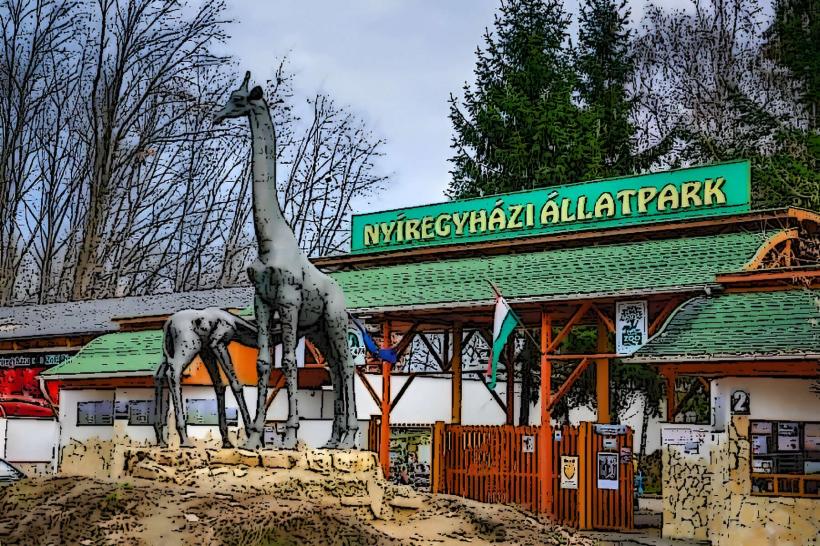
Nyíregyháza Animal Park (Sóstó Zoo): A specialized 30-hectare oak forest zoo; it is the most visited in Hungary outside Budapest, featuring a unique "Green Pyramid" and Oceanarium.
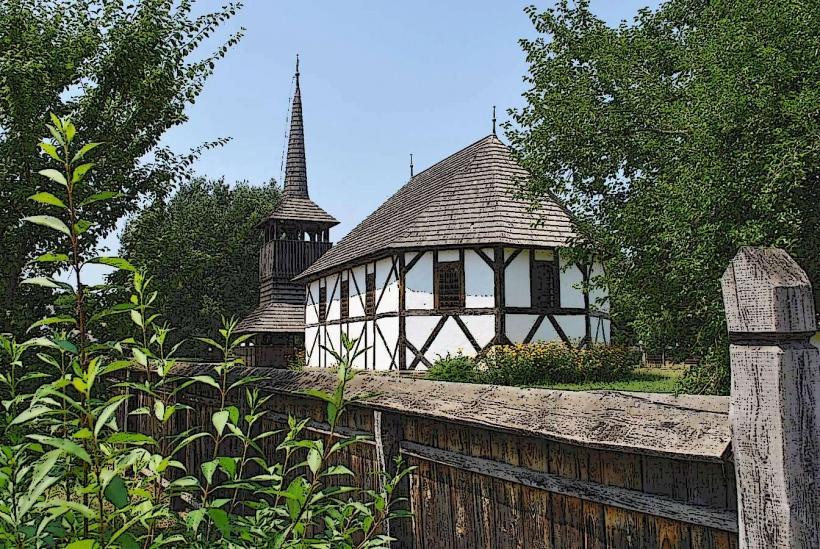
Sóstó Museum Village: One of Hungary’s largest specialized open-air museums, preserving 19th-century folk architecture and the tirpák cultural heritage.
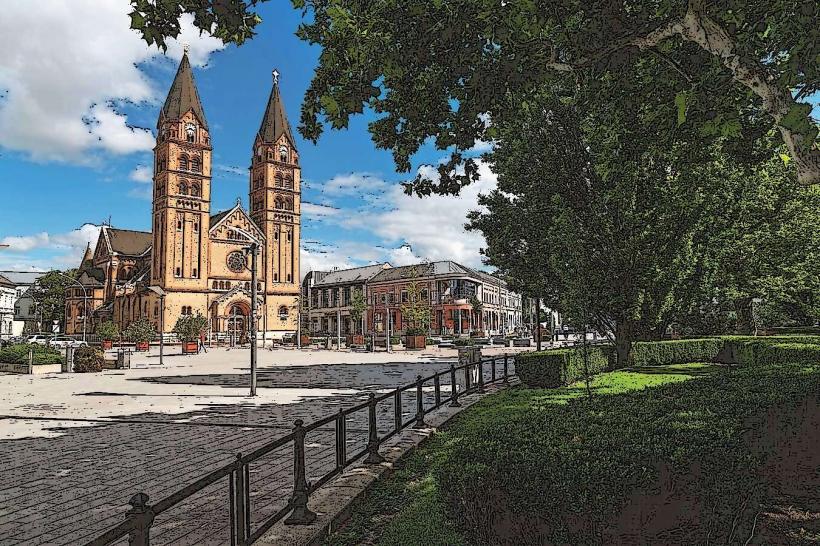
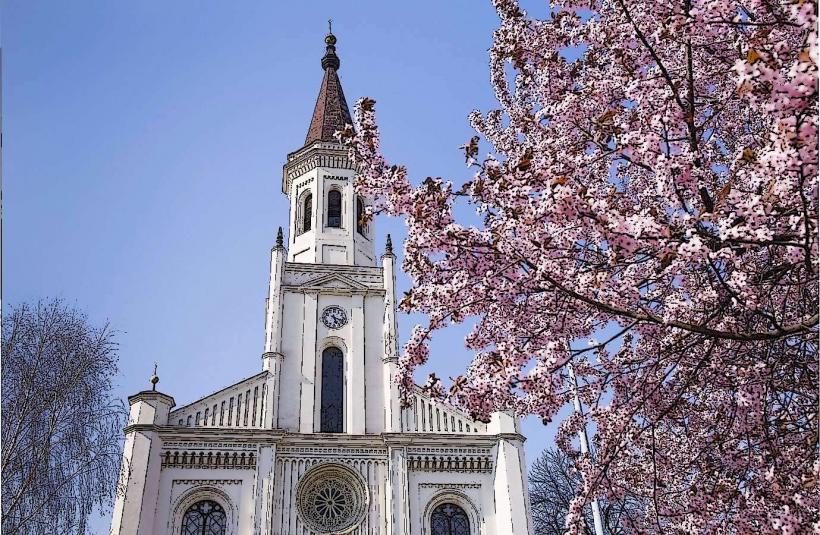
Co-Cathedral of Our Lady of Hungary: A specialized twin-towered Neogothic landmark dominating the central square.
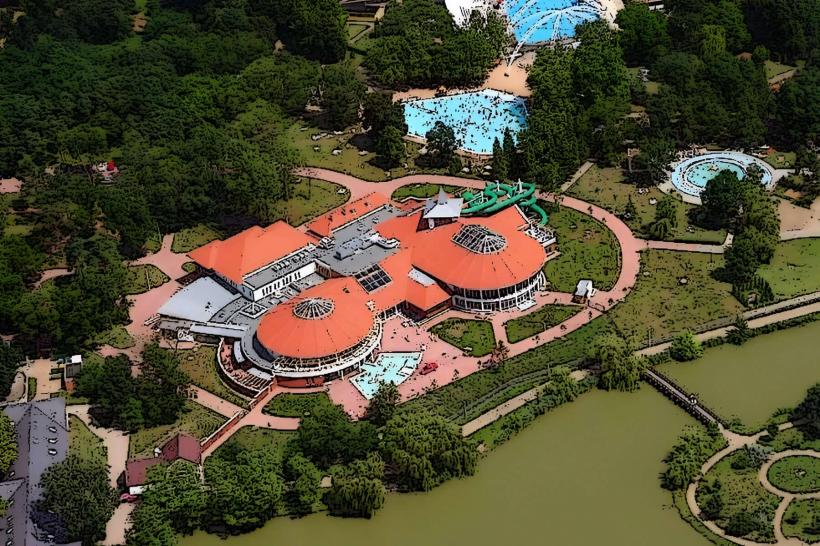
Aquarius Experience and Thermal Bath: A specialized year-round spa complex utilizing local medicinal thermal waters.
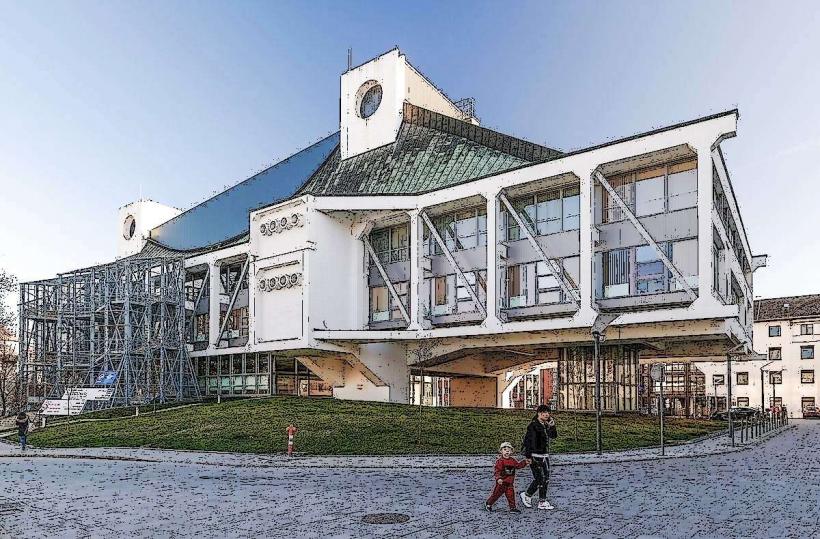
Nyíregyháza Town Hall: An eclectic-style administrative building designed by Ignác Alpár, a key figure in Hungarian architecture.
Sóstó Forest: A 370-hectare specialized recreational green zone providing "the lungs of the city."
Transportation Network
Nyíregyháza is a critical logistics node for the Upper Tisza region.
Nyíregyháza Railway Station: A major hub on the Budapest–Záhony (Ukrainian border) line; currently undergoing a specialized €1 billion modernization to support 160 km/h speeds.
Local Bus Network: Managed by Volánbusz, using a specialized fleet of CNG-powered environmentally friendly buses.
M3 Motorway: The primary road artery connecting the city to Debrecen (30 mins) and Budapest (2.5 hours).
Bicycle Network: A specialized system of paths connects the city center directly to the Sóstó district.
Safety & "Red Zones"
The general safety level is high. Violent crime is rare. There are no "red zones." The Sóstó district is extremely safe for families at all hours. Standard urban caution is advised near the central bus station and the railway station late at night.
Digital & Financial Infrastructure
Nyíregyháza is a leader in Advanced Plastic Molding (LEGO) and Tyre Manufacturing (Michelin). Internet speeds average 200–1000 Mbps. 5G is universal in the city core. Card and mobile payments are standard in all retail sectors. The city offers some of the most affordable new housing rates among major Hungarian cities (approx. €1,500 per $m^2$).
Climate & Air Quality
Nyíregyháza has a continental climate with the highest thermal variance in Hungary. Winters can be severely cold, while summers are consistently hot. Daytime temperatures range from 1°C in January to 27°C in July. Air quality is generally high due to the surrounding oak forests and the city's "green belt" policies.
Culture & Social Norms
Social norms are characterized by a strong work ethic and a distinct "Nyírség" regional identity. Tipping (10%) is standard. The primary cultural event is the Vidor Festival (international street theater and music) held every August.
Local Cost Index
1 Espresso: 550 HUF (€1.40)
1 Pint of Beer: 750–1,100 HUF (€1.90–€2.80)
1 Standard Lunch: 3,200–5,200 HUF (€8.20–€13.30)
Nearby Day Trips
Tokaj: 35 mins away; the specialized world-renowned volcanic wine region.
Nyírbátor: 30 mins away; home to the specialized Gothic Dragon Manor and Minorite Church.
Záhony/Ukrainian Border: 50 mins away; a specialized logistics and transshipment node for Eastern trade.
Facts & Legends
Nyíregyháza is the site of the world's largest LEGO factory, producing millions of specialized bricks daily. Legend states that the city’s founding tirpák settlers were so hardworking they could "reclaim land from the swamps using only their bare hands and sheer will." A verified fact is that the city’s Sóstó Zoo was the first in Hungary to be awarded "Best Zoo in Europe" in its category. Historically, the city’s growth was so rapid that it was nicknamed the "Northeastern Chicago" in the late 19th century.