Information
City: OuahigouyaCountry: Burkina Faso
Continent: Africa
Ouahigouya, Burkina Faso, Africa
Ouahigouya is the fourth-largest city in Burkina Faso and the capital of the Nord Region and Yatenga Province. It serves as the historic and spiritual center of the Yatenga Kingdom, one of the most powerful and enduring Mossi states.
Historical Timeline
The city was founded in 1757 by Naaba Kango, the 25th king of Yatenga, after he reclaimed his throne with the aid of a mercenary army. He designed Ouahigouya to be a fortified capital that could withstand siege and rival the power of the Ouagadougou kingdom. The city’s urban form was established during this period, centered on the royal court and the central marketplace. It was eventually incorporated into French West Africa in 1896, following intense resistance led by Naaba Wobgo.
Demographics & Population
The 2026 population is estimated at approximately 128,032. The dominant ethnic group is the Mossi, who comprise the vast majority of the residents. The primary languages spoken are Mooré (the lingua franca) and French (official). The median age is 18 years, consistent with the country's youth-heavy demographic.
Urban Layout & Key Districts
Ouahigouya is organized on a traditional grid pattern that expands outward from the historic center.
Centre-Ville: The commercial and administrative heart, home to the central market and government offices.
Quartier Royal (Issouka): The district containing the Palace of the Naaba and sites of traditional ritual importance.
The Barrage Zone (North): An area adjacent to the city's large artificial lake, used for seasonal agriculture and as a recreational gathering spot.
Top City Landmarks
Palais du Naaba de Yatenga: The living seat of the Mossi monarchy and the cultural heart of the city.
Grande Mosquée de Ouahigouya: A significant religious structure showcasing Sahelian architectural influences.
The Tomb of Naaba Kango: A sacred site dedicated to the city’s founder.
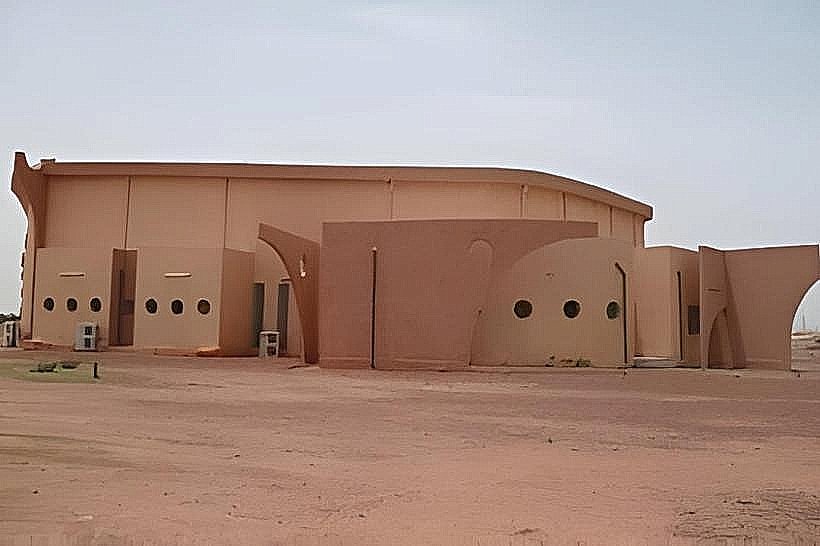
Maison des Jeunes et de la Culture: A focal point for the city’s vibrant youth and arts scene.
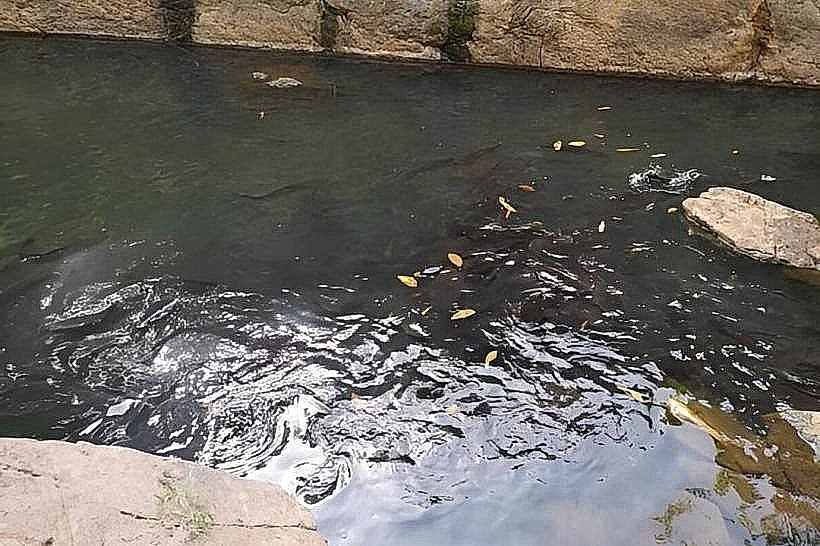
Le Barrage de Ouahigouya: A massive reservoir that provides a vital water source for the arid region.
Transportation Network
Movement is conducted primarily via motorbikes (motos), bicycles, and shared green taxis. The city is a major transit point on the N2 highway, which connects Ouagadougou (182 km to the southeast) to the border of Mali. There are no metro or rail systems. Regional bus companies (e.g., TSR, RAHIMO) operate daily routes to the capital. Traffic is generally light but becomes dense near the central market during the day.
Safety & "Red Zones"
Current Status: Do Not Travel. As of 2026, the Nord Region is under a severe Level 4 travel advisory. While the city center remains under government control, the surrounding Yatenga Province is a high-conflict zone. Terrorism, kidnapping, and IED threats on the N2 highway are critical risks. Travel outside the city limits or intercity transit is considered extremely dangerous and is generally only possible with heavy military escort or via specialized humanitarian flights.
Digital & Financial Infrastructure
Average internet speed is 10–25 Mbps via mobile data (Orange, Moov). Connectivity is generally reliable in the city center but may be subject to security-related outages. The economy is cash-based (CFA Franc). ATMs are available at several bank branches in the town center (e.g., Bank of Africa, Ecobank), but card acceptance for transactions is non-existent outside of major hotels.
Climate & Air Quality
Temperatures range from 18°C in winter to over 42°C in the pre-monsoon heat (April/May). The climate is semi-arid. Air quality is often very poor during the Harmattan season (November to April) due to heavy Sahara dust. The short rainy season (July to September) can bring intense storms and localized flooding that disrupts unpaved roads.
Culture & Social Norms
Tipping is not standard but 500 CFA is appreciated in service contexts. Greetings are mandatory and extensive; it is common practice to greet shopkeepers and neighbors at length before any business is conducted. Dress code is conservative. The city is famous for its traditional wrestling matches and Mossi storytelling festivals.
Accommodation Zones
Stay in the Centre-Ville or the residential areas near the Palais du Naaba for the most consistent access to security, water, and electricity.
Local Cost Index
1 Espresso: USD 1.50 (900 CFA)
1 Standard Lunch: USD 4.00 (2,400 CFA)
1 Moto-Taxi Trip: USD 0.50 (300 CFA)
Nearby Day Trips
Ziniaré (150 km): Known for its wildlife park and granite carvings.
The Dogon Country (Mali Border): Historically accessible, but currently strictly prohibited due to the extreme risk of armed conflict.
Facts & Legends
Ouahigouya is known as the "City of Naaba Kango." A local legend claims that when Naaba Kango founded the city, he planted a sacred baobab tree that would remain green as long as the kingdom was secure. Another verified historical oddity is the city's naming; "Ouahigouya" translates to "Come and prostrate yourselves," reflecting the founder's absolute authority over the region.