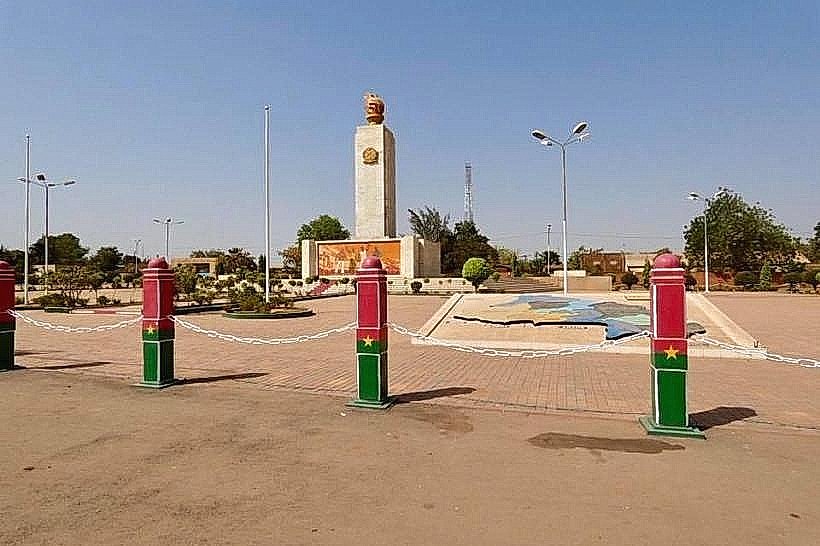
Information
Country: Burkina FasoContinent: Africa
Burkina Faso, Africa
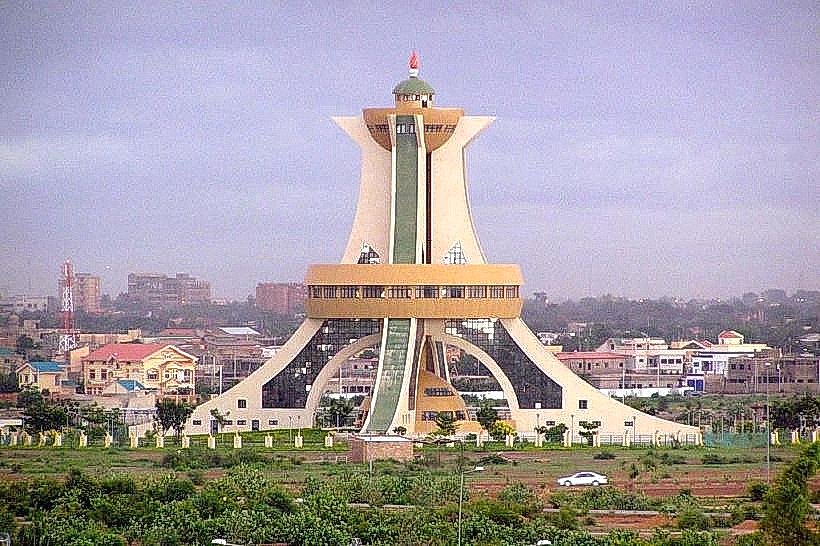
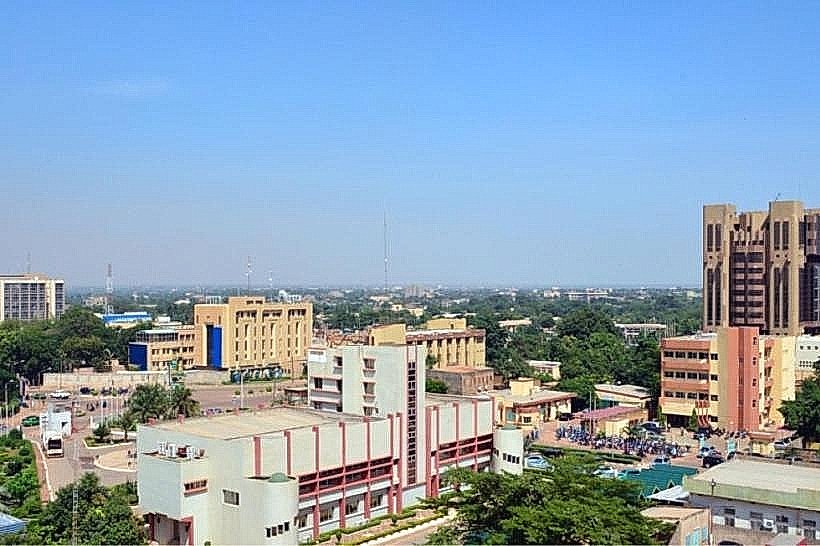
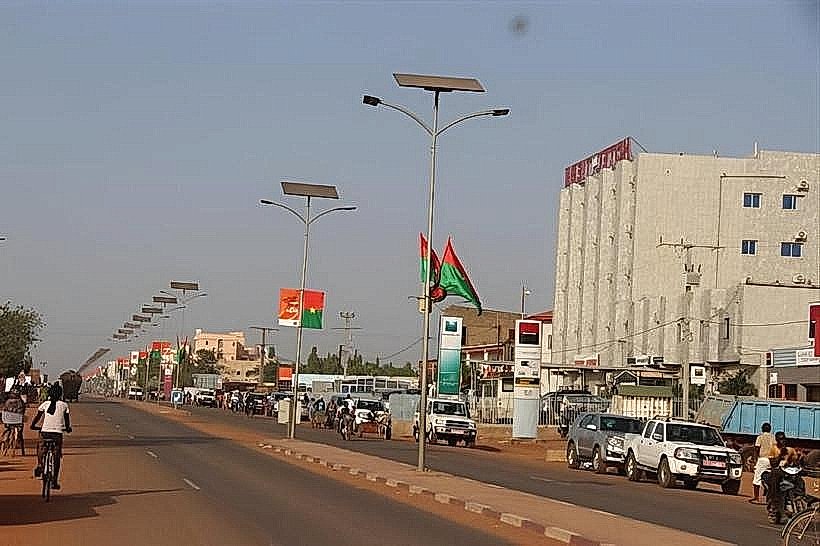
Burkina Faso is a landlocked nation in West Africa, bordered by Mali to the north and west, Niger to the northeast, Benin to the southeast, and Togo, Ghana, and Ivory Coast to the south. Its economy is defined by the extraction of gold and the cultivation of cotton, with Ouagadougou serving as the capital city.
History & Culture
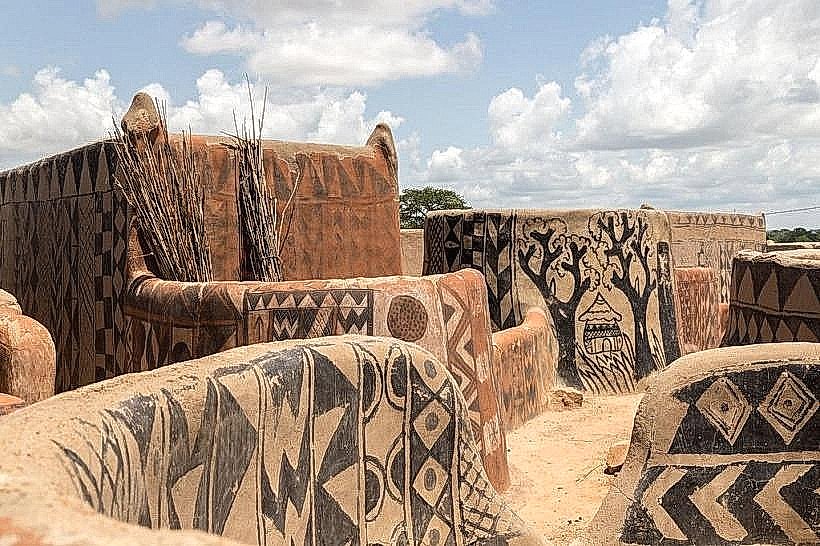
Burkina Faso gained independence from France on August 5, 1960. Major political eras include the Upper Volta period, the revolutionary administration of Thomas Sankara (1983–1987), and the long-term presidency of Blaise Compaoré. Primary religious affiliations are Islam (60%), Christianity (23%), and traditional Animism (15%). The most significant national holiday is Independence Day (August 5). Social etiquette emphasizes the use of the right hand for all exchanges, modest dress in rural and religious areas, and extensive formal greetings.
Language & Communication
The official languages are Mooré, Dioula, and Fula, with French designated as the primary "working language" for administration and education. English proficiency is Low, concentrated within the high-end hospitality sector of the capital. Major local dialects include Mooré (central), Dioula (west), and Fulfuldé (north).
Population & Economy
The population is approximately 23.5 million, with 70% residing in rural areas. Top export commodities are gold, raw cotton, and zinc ore. GDP per capita is approximately $850 USD. The labor market is driven by subsistence and commercial agriculture, which employs approximately 80% of the total workforce.
Visa & Entry Policy
Citizens of the US, UK, and EU require a visa for entry. Burkina Faso utilizes an E-Visa system for short-term tourist and business stays. There is no standard Visa on Arrival for most Western passport holders. Entry is strictly regulated regarding security protocols and vaccination documentation.
Currency & Payment Systems
The currency is the West African CFA Franc (XOF). Cash is the primary medium for most transactions; the digital payment ecosystem is underdeveloped, though mobile money services are expanding. Credit cards are accepted only in major hotels and upscale establishments in Ouagadougou. ATMs are available in urban centers but nearly non-existent in rural provinces.
National Transport Grid
Inter-city travel is primarily conducted via long-distance bus companies such as TSR and Rakieta. A single-track railway operated by Sitarail connects Ouagadougou to Abidjan, Ivory Coast, primarily for freight but offering limited passenger service. Domestic flights are restricted to a twice-weekly service between Ouagadougou and Bobo-Dioulasso via Air Burkina.
Digital Infrastructure
Primary mobile network providers are Orange, Moov Africa, and Telecel. 4G coverage is functional in major urban hubs; 5G rollout has commenced in specific districts of Ouagadougou. Signal reliability is poor in the northern Sahelian regions.
Climate & Seasonality
Burkina Faso features three climate zones: the arid Sahelian north, the Sudano-Sahelian center, and the tropical Sudanian south. The wet season runs from June to October. The dry season (November to May) is characterized by the Harmattan, a dusty wind from the Sahara that peaks between December and February.
Health & Safety
Yellow Fever vaccination is mandatory for all entrants. Malaria and Dengue fever are endemic nationwide. The universal emergency number is 112, with 17 for Police, 18 for Fire/Ambulance in Ouagadougou, and 1010 for the National Gendarmerie.
Top 3 Major Regions & Cities
Central Plateau: Hub: Ouagadougou.
Western Highlands: Hub: Bobo-Dioulasso.
Southwest Border Region: Hub: Banfora.
Local Cost Index
1L Water: 400 XOF ($0.66 USD)
1 Domestic Beer (0.5L): 650 XOF ($1.07 USD)
1 Sim Card (10GB Data): 5,000 XOF ($8.25 USD)
Facts & Legends
The name "Burkina Faso" was adopted in 1984, combining words from Mooré (Burkina, meaning "upright/honest people") and Dioula (Faso, meaning "fatherland"). A core local legend surrounds Princess Yennenga, a 12th-century warrior who fled her kingdom on horseback; she is considered the "Mother of the Mossi People," and her image remains a central cultural icon.