Information
Landmark: Kossyam PalaceCity: Ouagadougou
Country: Burkina Faso
Continent: Africa
Kossyam Palace, Ouagadougou, Burkina Faso, Africa
Kossyam Palace is the official residence of the President of Burkina Faso, located in Ouagadougou.
This administrative complex serves as the primary seat of government power within the capital city.
Visual Characteristics
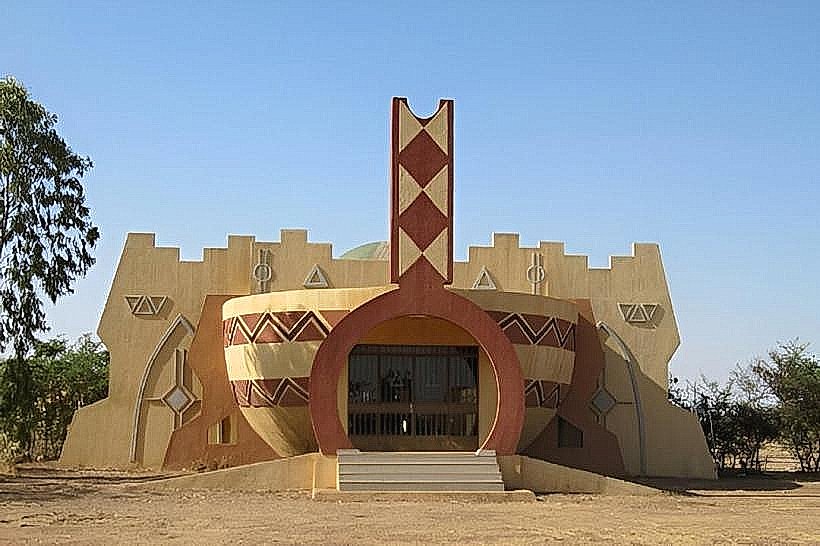
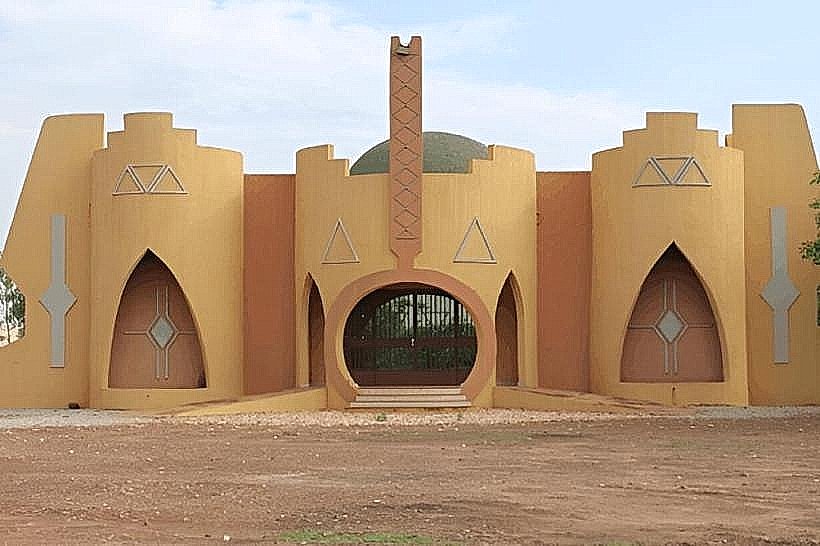
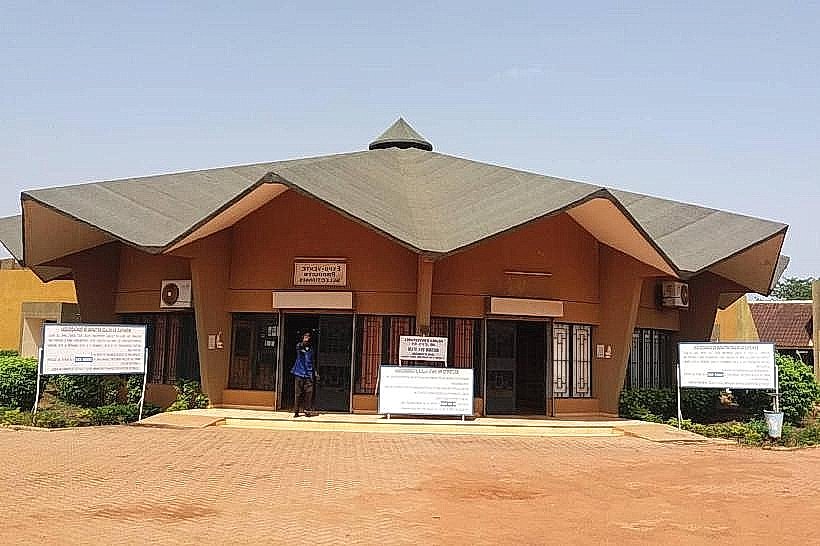
The palace complex is characterized by modern architectural design, primarily constructed from concrete and painted in neutral tones, often white or light grey. It features multiple low-rise buildings with flat roofs and regularly spaced windows. The grounds are landscaped with manicured lawns and trees, enclosed by a perimeter wall.
Location & Access Logistics
Kossyam Palace is situated approximately 3 kilometers East of Ouagadougou's city center. Access is via Avenue Thomas Sankara, which leads directly to the main entrance. Public access to the palace grounds is restricted. Visitors are not permitted entry without official authorization. No public transport routes directly serve the palace; private vehicles are the primary mode of access for authorized personnel.
Historical & Ecological Origin
The palace was constructed in the late 20th century, with its exact construction date and original architect not publicly disclosed. It was built to serve as the official presidential residence and administrative headquarters, consolidating government functions.
Key Highlights & Activities
Due to its status as a restricted government facility, there are no public activities or highlights available for visitors. Access is limited to official state functions and authorized personnel.
Infrastructure & Amenities
The palace complex includes administrative offices, residential quarters, and security facilities. Information regarding specific amenities such as restrooms, shade, or cell phone signal availability within the restricted areas is not publicly available. Food vendors are not present on the palace grounds.
Best Time to Visit
As a restricted government site, there is no "best time to visit" for the general public. Access is determined by official invitations or state business.
Facts & Legends
Kossyam Palace is named after the Mossi word for "chief's house." It has been the site of numerous significant political events and decisions shaping Burkina Faso's history.
Nearby Landmarks
- Grand Mosque of Ouagadougou (1.5km West)
- National Museum of Burkina Faso (2.0km West)
- Place de la Nation (2.5km West)
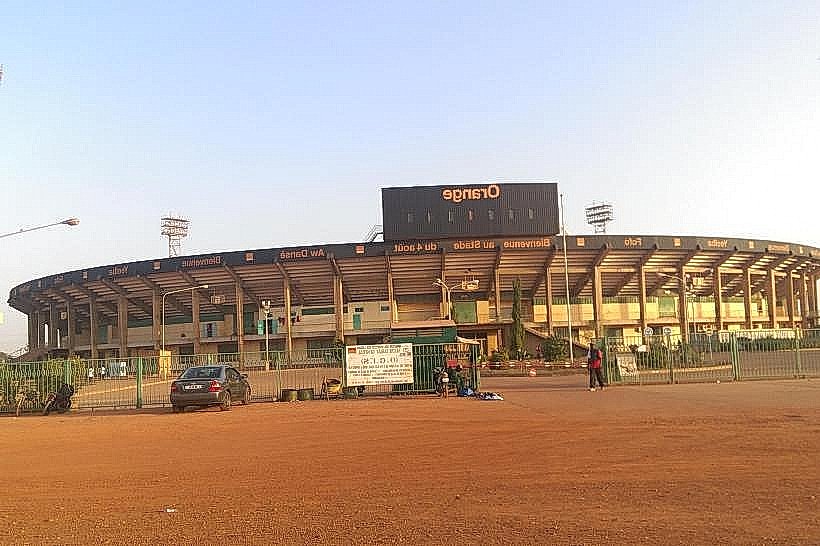
- Stade du 4 Août (3.0km Northwest)