Information
Landmark: Maison du PeupleCity: Ouagadougou
Country: Burkina Faso
Continent: Africa
Maison du Peuple, Ouagadougou, Burkina Faso, Africa
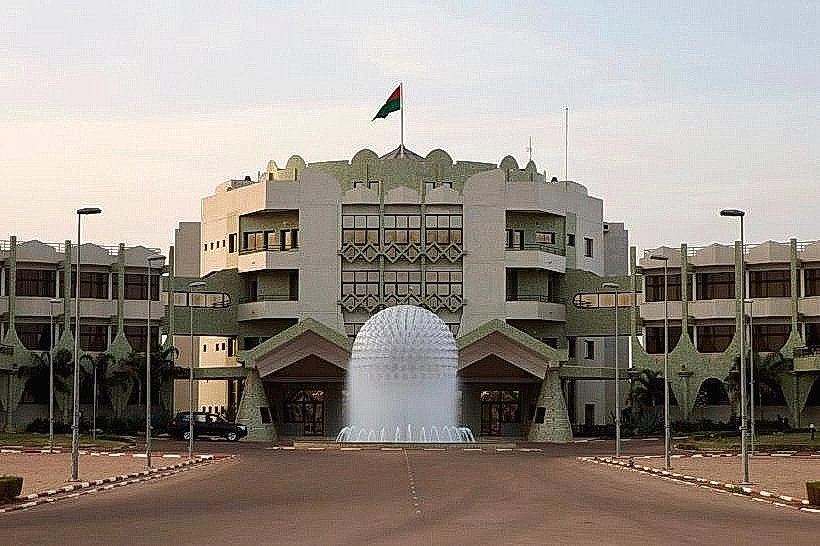
Maison du Peuple is a significant administrative and cultural building located in Ouagadougou, Burkina Faso.
This structure serves as a central point for governmental functions and public gatherings within the capital city.
Visual Characteristics
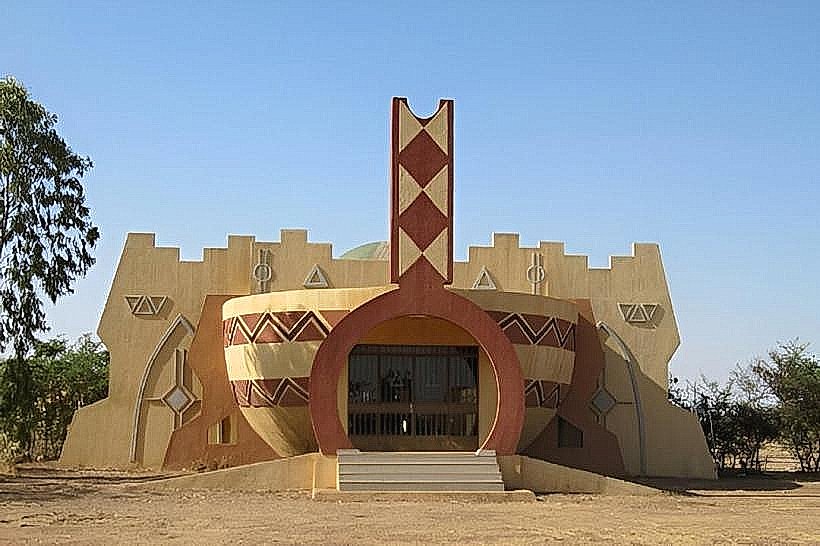
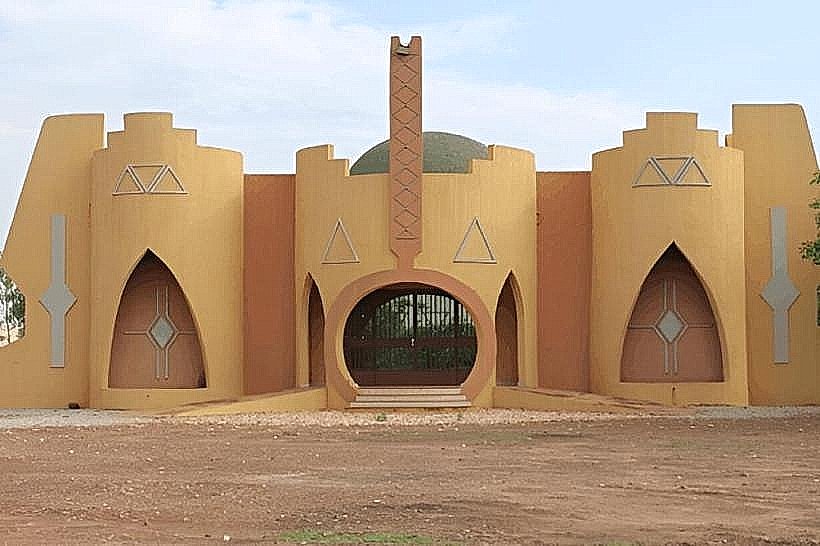
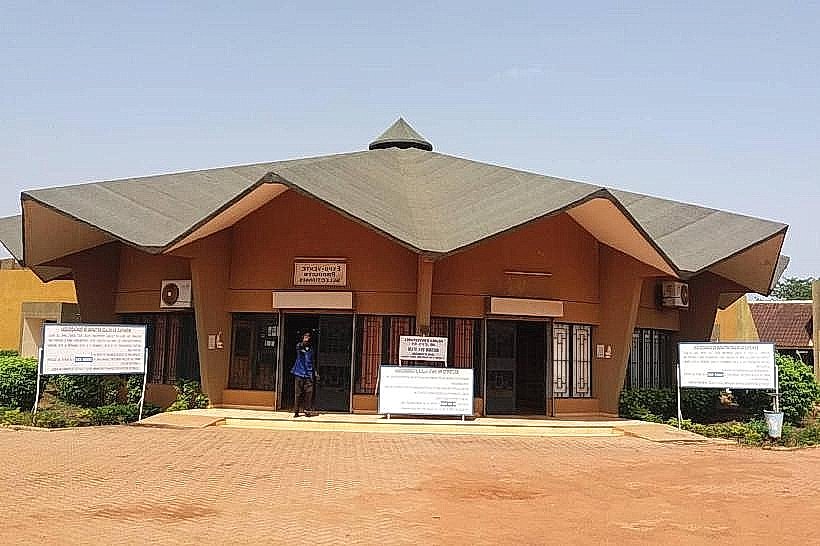
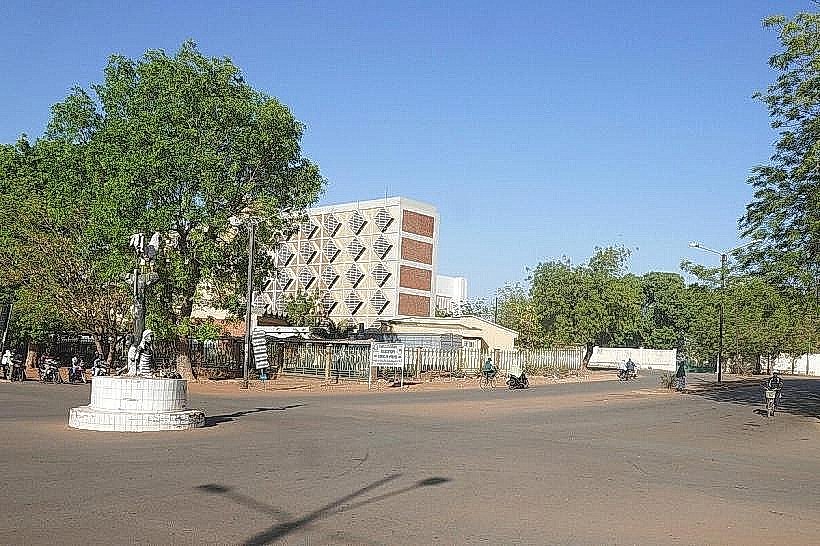
The building is constructed primarily from concrete and features a functionalist architectural style. Its exterior is painted in muted earth tones, predominantly beige and light brown. The structure is multi-storied, with a flat roofline and regularly spaced rectangular windows. The main entrance is marked by a wide, covered portico.
Location & Access Logistics
Maison du Peuple is situated in the central district of Ouagadougou, approximately 1.5 kilometers south of the Place de la Nation. Access is via Avenue Kwamé Nkrumah. Limited street parking is available in the immediate vicinity, often requiring payment. Public transport options include various local bus lines that stop at the nearby Place de la Révolution, a short walk from the building.
Historical & Ecological Origin
Construction of Maison du Peuple was completed in 1965. It was designed by architect Jean-Paul Lardeau. The building's original purpose was to house key government ministries and serve as a venue for national assemblies and public events, reflecting the post-independence aspirations of the nation.
Key Highlights & Activities
Visitors can observe the architectural design of the building. The main hall is sometimes accessible for viewing during non-official hours. Public events and conferences are periodically held within its premises.
Infrastructure & Amenities
Restrooms are available for public use within the building. Limited shaded areas are present around the entrance portico. Cell phone signal (4G) is generally reliable in this central urban area. Food vendors are typically found in the vicinity of the Place de la Révolution.
Best Time to Visit
For photography, the late afternoon (between 3:00 PM and 5:00 PM) offers softer lighting on the building's facade. The dry season, from November to March, provides the most comfortable weather conditions for visiting Ouagadougou.
Facts & Legends
A specific architectural detail to note is the integration of local motifs subtly incorporated into the concrete facade, intended to represent national unity. It is rumored that the original blueprints included a rooftop garden that was never realized due to budget constraints.
Nearby Landmarks
- Place de la Révolution (0.3km North)
- National Museum of Burkina Faso (0.8km West)
- Grand Marché (0.6km Northwest)
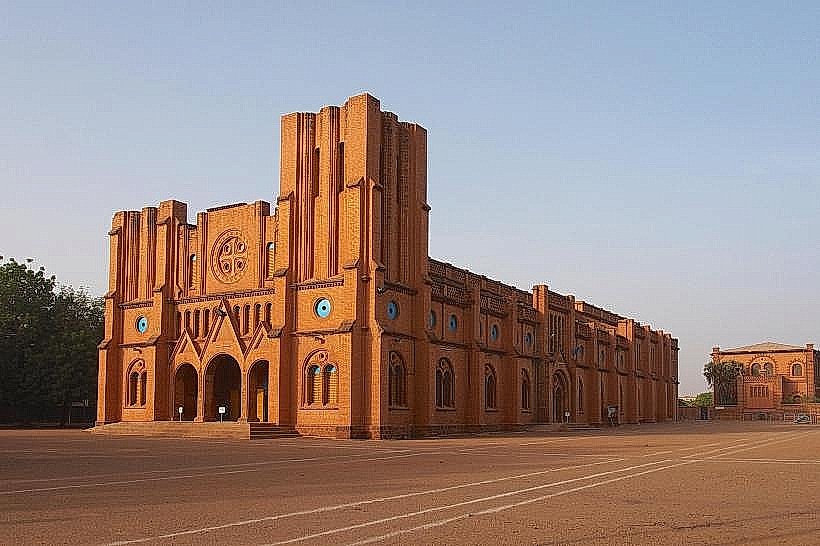
- Ouagadougou Cathedral (1.2km North)