Information
Landmark: Ouagadougou Crocodile PondCity: Ouagadougou
Country: Burkina Faso
Continent: Africa
Ouagadougou Crocodile Pond, Ouagadougou, Burkina Faso, Africa
The Ouagadougou Crocodile Pond is a zoological park located in Ouagadougou, Burkina Faso. It houses a collection of Nile crocodiles.
Visual Characteristics
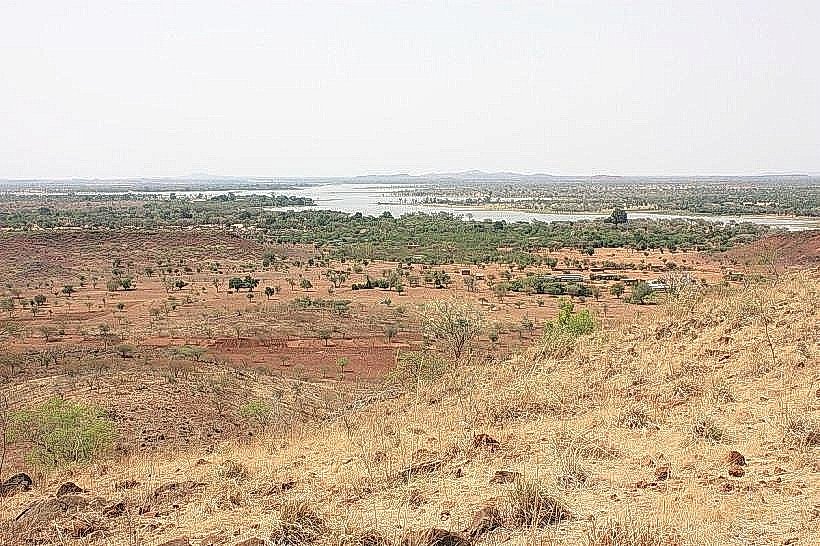
The pond is a man-made enclosure with concrete walls and a shallow, muddy water body. Vegetation around the perimeter consists of sparse, dry grasses and a few scattered trees. The crocodiles are primarily dark grey to black in coloration.
Location & Access Logistics
The pond is situated approximately 1 kilometer south of the city center of Ouagadougou. Access is via Avenue de l'Indépendance, turning onto Rue 12.18. Parking is available on-site, with capacity for approximately 20 vehicles. Public transport options include local bus lines that stop within a 500-meter walk of the entrance.
Historical & Ecological Origin
The pond was established in the mid-20th century as a tourist attraction and a means to protect local crocodile populations. It is an artificial habitat designed to mimic the natural environment of the Nile crocodile (Crocodylus niloticus).
Key Highlights & Activities
Observation of Nile crocodiles is the primary activity. Visitors can view the animals from designated viewing platforms. Feeding demonstrations occur daily at 10:00 AM and 4:00 PM.
Infrastructure & Amenities
Restrooms are available on-site. Limited shade is provided by a few trees and a small covered waiting area. Cell phone signal (2G/3G) is generally available. No food vendors are present within the pond's immediate vicinity; vendors operate outside the entrance.
Best Time to Visit
The best time of day for viewing is early morning or late afternoon when the crocodiles are more active. The dry season, from November to April, offers the most comfortable weather conditions.
Facts & Legends
Local tradition suggests that the crocodiles in the pond are sacred and possess the ability to grant wishes if approached with respect and a small offering. Historically, these crocodiles were sometimes used in traditional ceremonies.
Nearby Landmarks
- National Museum of Burkina Faso (1.2km North)
- Grand Marché (0.8km Northwest)
- Palais de la Culture (1.5km North)
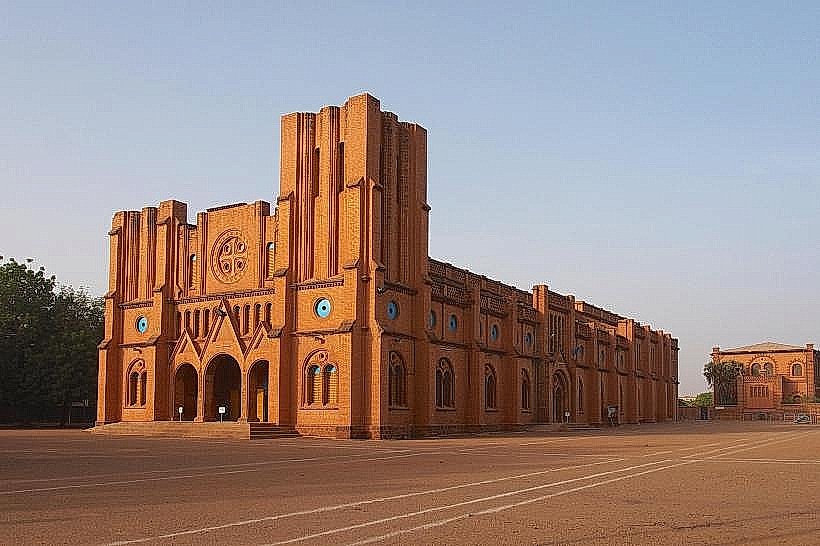
- Cathedral of Ouagadougou (1.0km North)