Information
City: OuagadougouCountry: Burkina Faso
Continent: Africa
Ouagadougou, Burkina Faso, Africa
Ouagadougou is the capital and largest city of Burkina Faso, serving as the nation’s administrative, communications, and economic center. Located in the center of the country on a plateau, it is a critical hub for West African trade and culture.
Historical Timeline
Founded in the 11th century as Kombentinga, the city became the capital of the Mossi Empire in 1441 under Moro Naba Niandéfo. It was the permanent residence of the Moro Naba (Mossi emperors), a role it maintains today. During the French colonial period, it was established as the capital of Upper Volta in 1919. Following independence in 1960, the city expanded rapidly, fueled by its central location and its role as the primary link between the Sahel and the Gulf of Guinea.
Demographics & Population
The 2026 estimated population is 3,250,000. The demographic is dominated by the Mossi ethnic group, though the city is a melting pot for the country’s 60+ ethnic groups including the Fulani, Gurunsi, and Bobo. The official language is French, while Mooré is the primary lingua franca. The population is characterized by extreme youth, with a median age of approximately 17.5 years.
Urban Layout & Key Districts
Dapoya: One of the oldest and most vibrant residential and commercial neighborhoods near the city center.
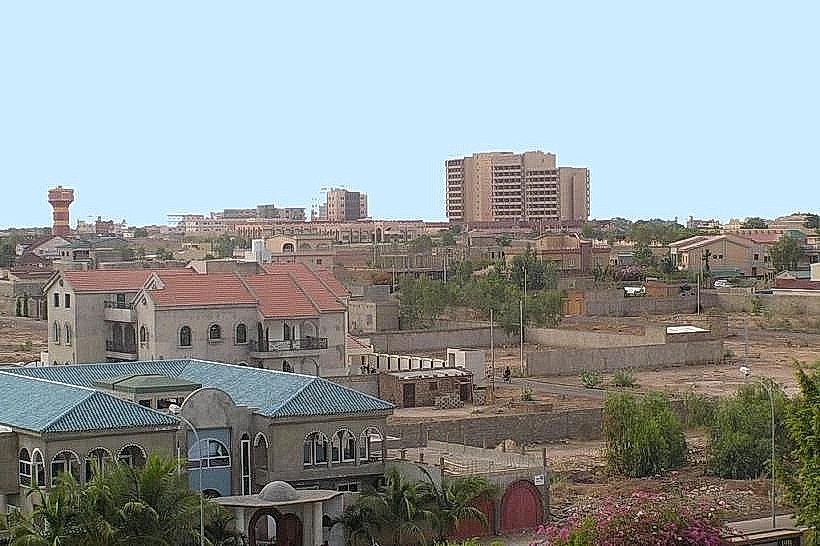
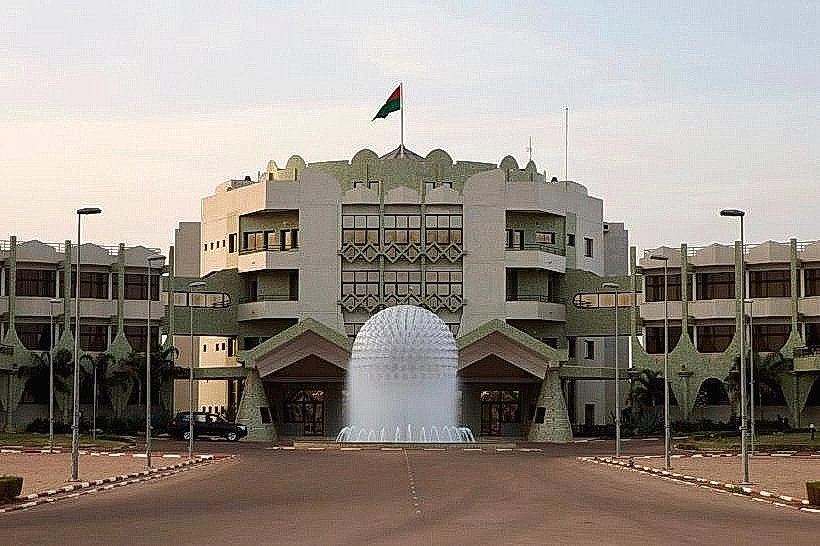
Ouaga 2000: An ultra-modern, high-end district south of the center, housing government ministries, embassies, and luxury villas.
Zogona: A lively district surrounding the University of Ouagadougou, defined by student life and small-scale commerce.
Patte d’Oie: A major transit and residential hub located near the southern exit of the city.
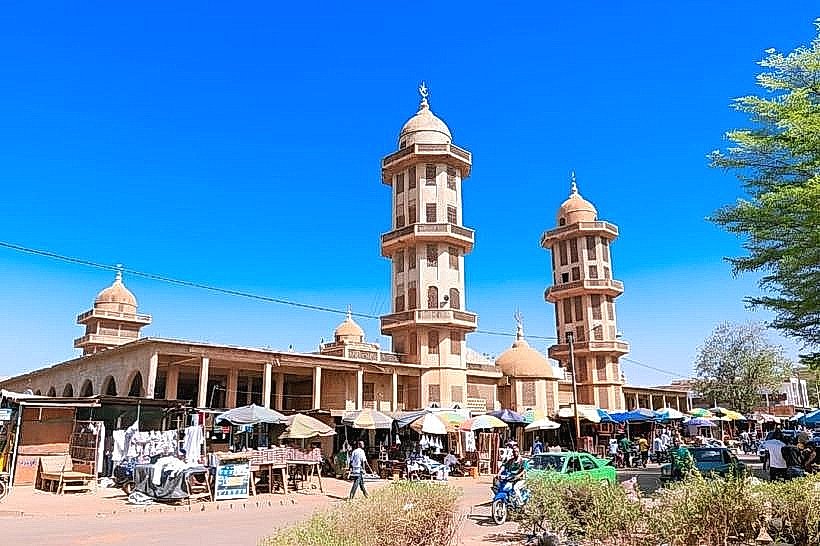
The Central Market (Rood Woko): One of the largest markets in West Africa, forming the commercial heart of the city.
Top City Landmarks
The Moro-Naba Palace: The seat of the Mossi Emperor; every Friday morning, the "Moro-Naba Ceremony" takes place outside the gates.
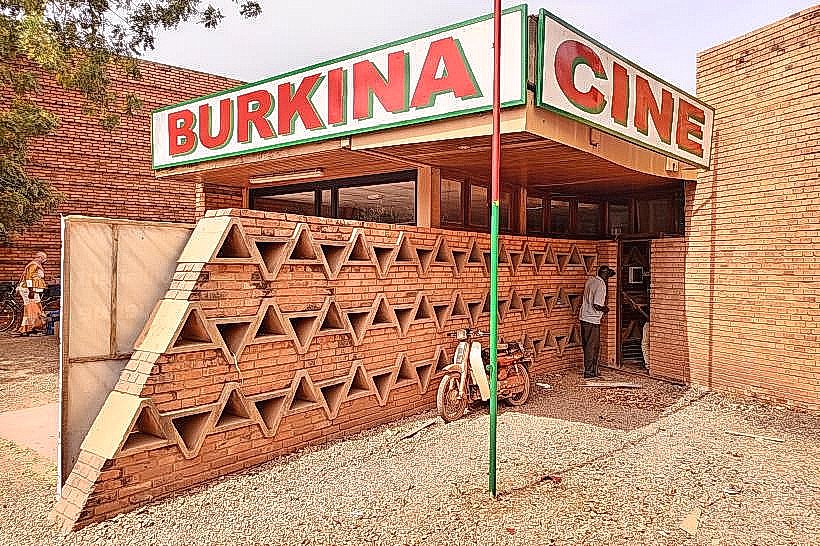
Place des Cinéastes: A landmark monument dedicated to African filmmakers, reflecting the city’s status as the "Capital of African Cinema."
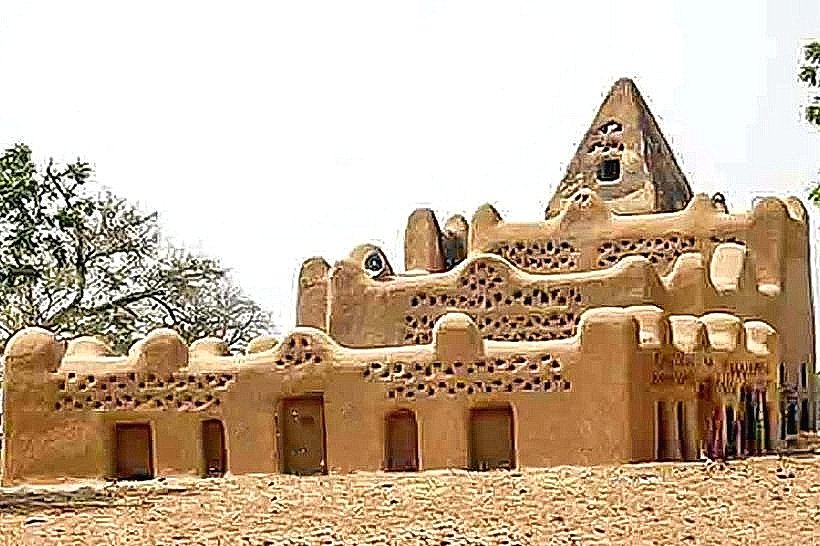
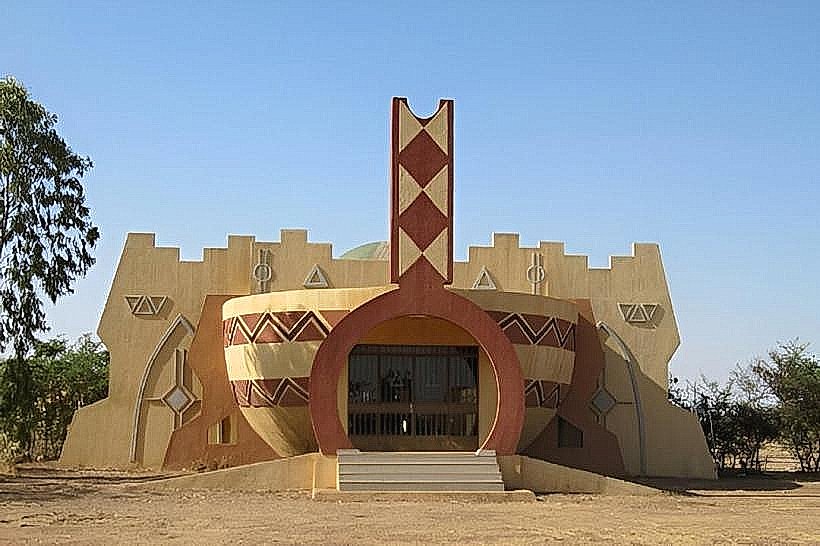
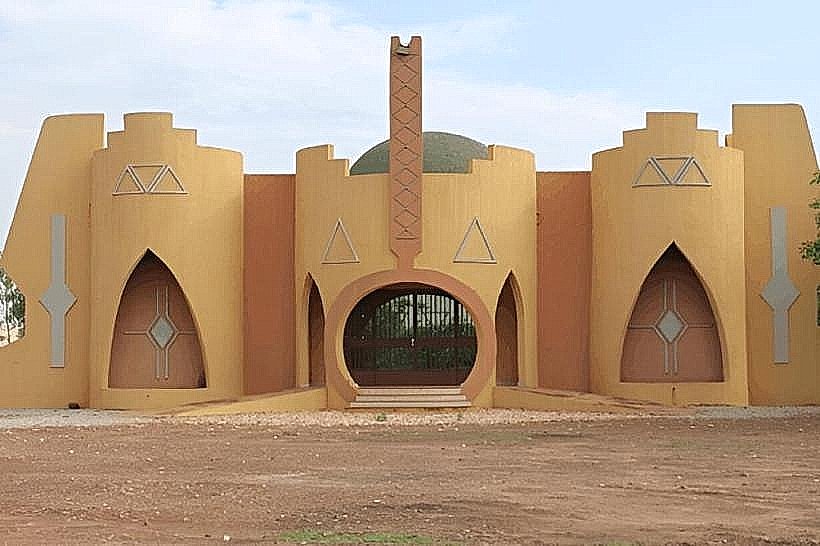
National Museum of Burkina Faso: A complex featuring traditional Mossi, Bobo, and Fulani architecture and artifacts.
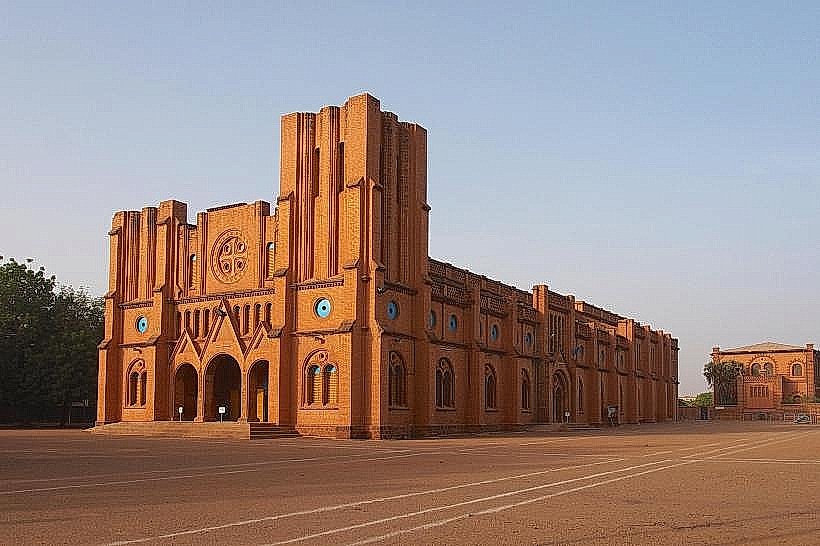
Cathedral of Ouagadougou: A massive red-brick cathedral built in the 1930s, one of the largest in the region.
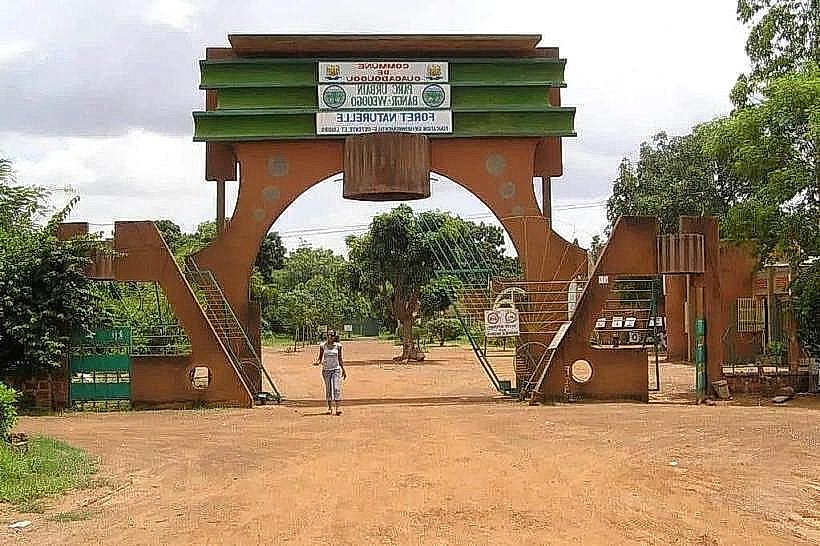
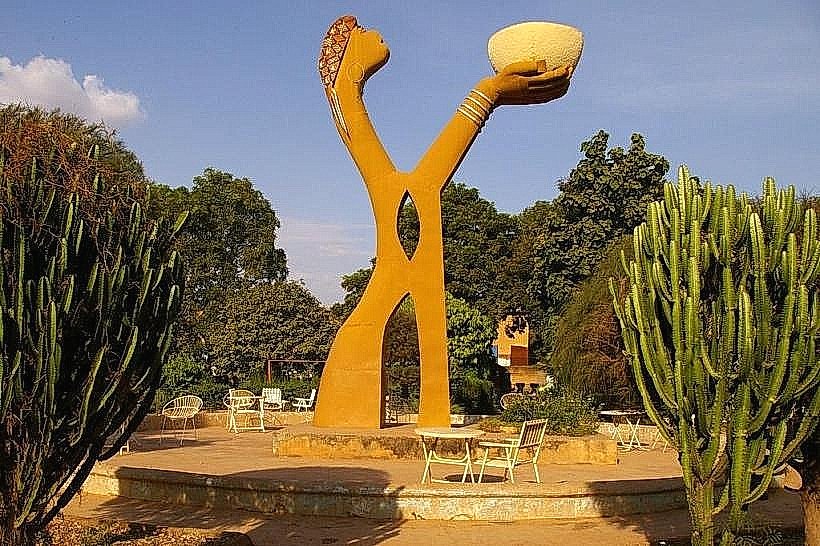
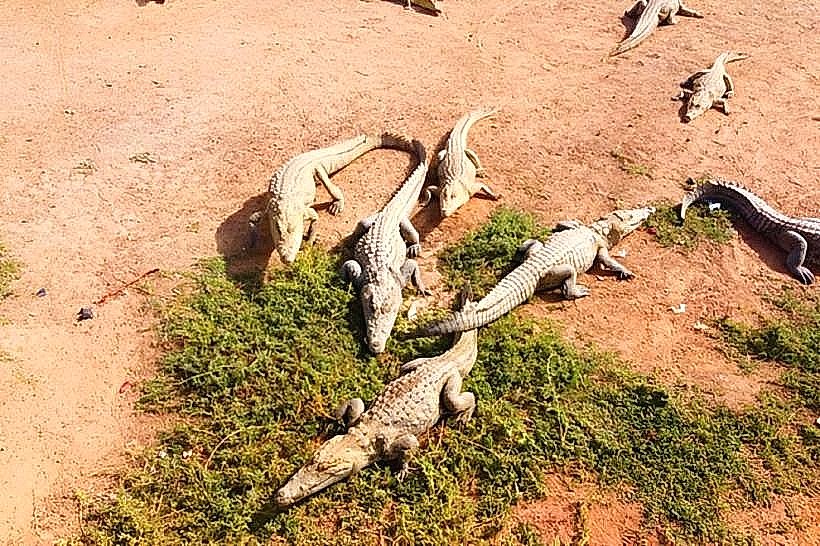
Bangr Weogo Park: A large urban forest and botanical garden containing a small zoo and extensive walking paths.
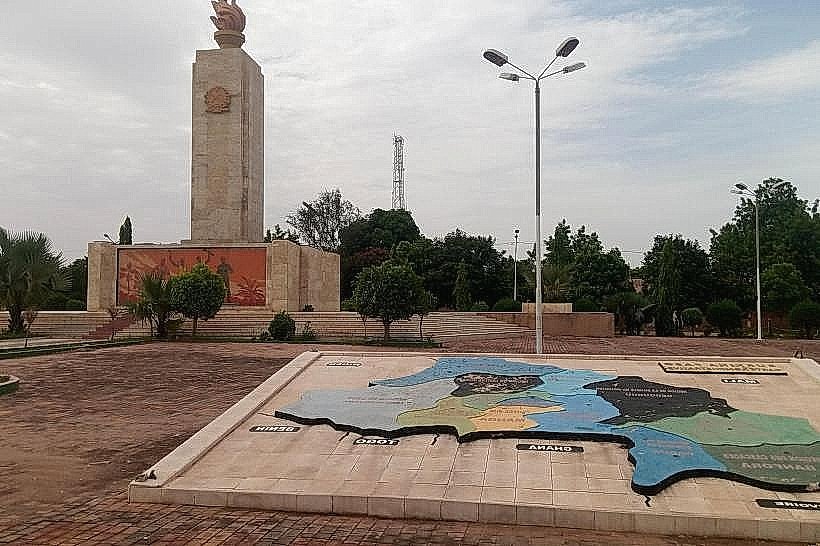
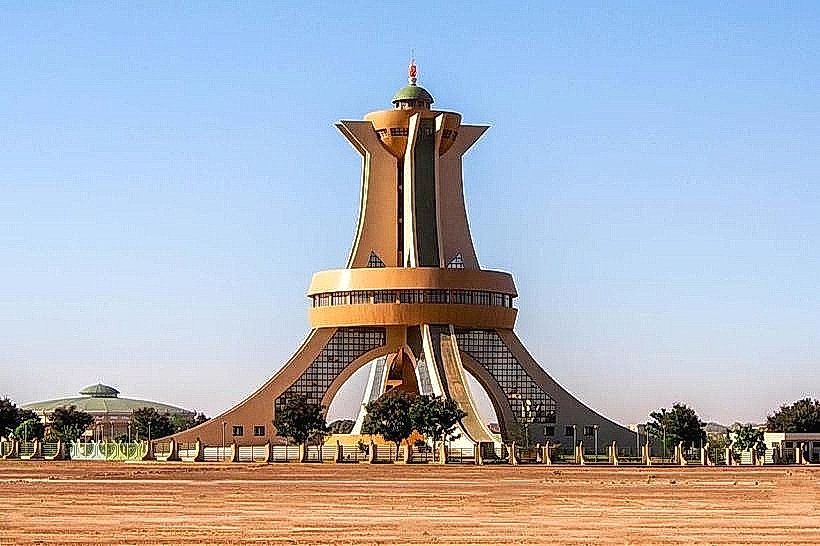
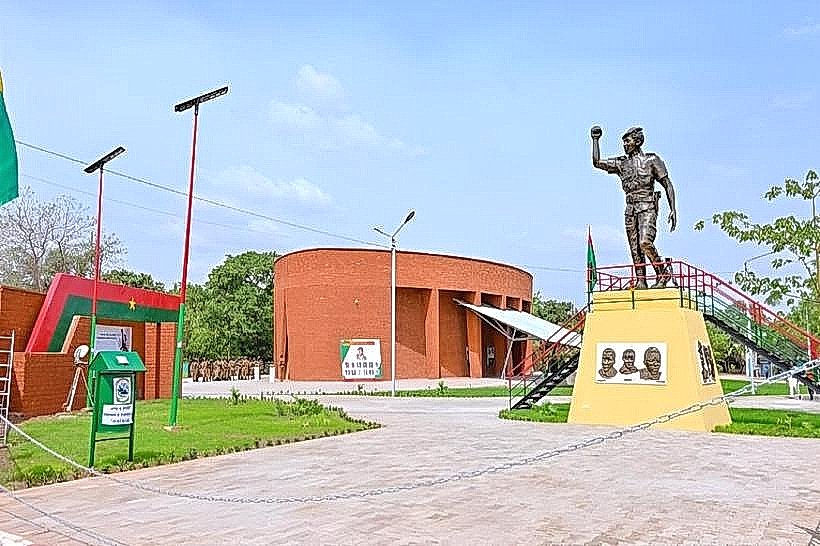
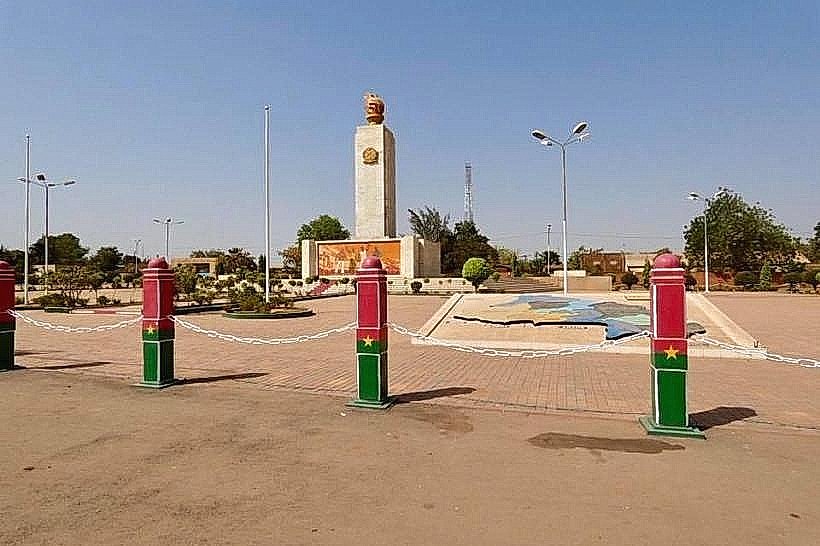
Monument of National Heroes: A massive, modern spire in Ouaga 2000 honoring those who fell during the nation's political transitions.
Transportation Network
The city is the primary node for the RN1 (connecting to Bobo-Dioulasso) and the RN3.
Air: Ouagadougou Airport (OUA) provides international links to Paris, Brussels, and regional capitals.
Rail: The Sitarail line connects Ouagadougou to Abidjan, Côte d'Ivoire, though service is primarily focused on freight.
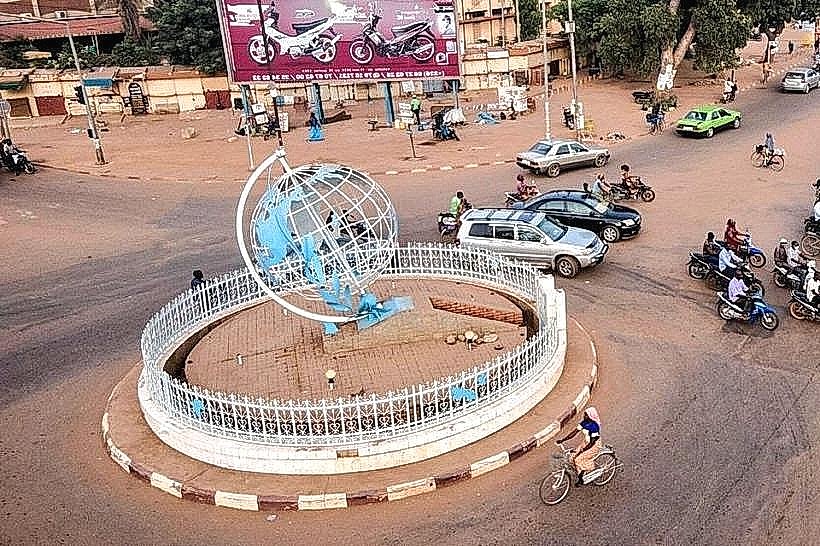
Local: Transportation is dominated by "Green Taxis" and an immense volume of motorbikes and scooters. The SOTRACO bus system provides limited municipal transit.
Safety & Geopolitical Hazards
The security situation is volatile.
Terrorism: Burkina Faso faces a high risk of extremist activity. While most attacks occur in northern and eastern border regions, Ouagadougou has been the site of major targeted attacks in the past.
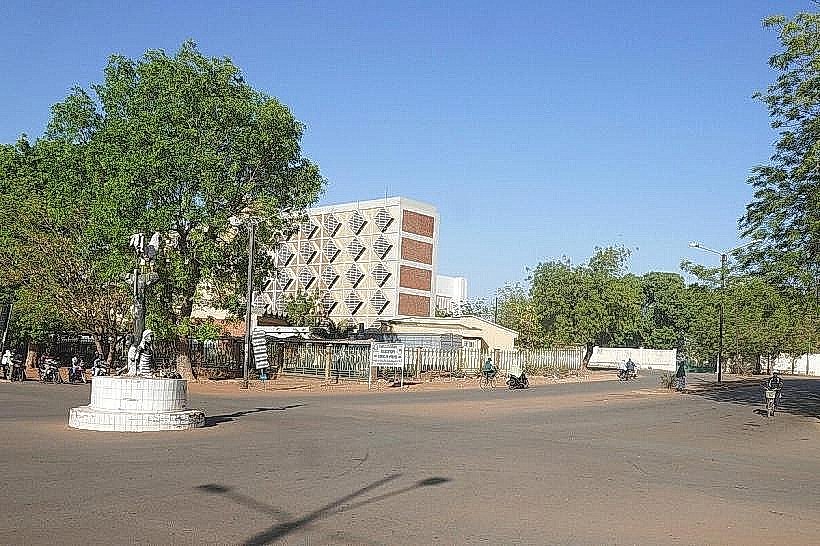
Crime: Street crime (pickpocketing and bag snatching) is common in crowded market areas and around the UN Circle.
Health: Malaria is endemic. Dust storms (the Harmattan) occur from December to February, significantly impacting respiratory health and visibility.
Digital & Financial Infrastructure
Connectivity is concentrated in the urban core. Average internet speeds for fiber reach 50–100 Mbps via Moov Africa and Orange Burkina.
Mobile Money: Orange Money and Moov Money are the primary methods for financial transactions; cash remains dominant in markets.
Banking: Major regional banks include Coris Bank International and Ecobank. Card acceptance is limited to high-end hotels and major supermarkets.
Climate & Air Quality
The climate is tropical semi-arid (Sahelian).
Hot Season (March–May): Temperatures frequently exceed $40^\circ\text{C}$.
Rainy Season (June–September): Characterized by intense, short-lived thunderstorms.
Air Quality: Often "Poor" due to high levels of windblown Saharan dust and biomass burning.
Culture & Social Norms
Ouagadougou is the cultural heart of West Africa.
FESPACO: The Pan-African Film and Television Festival of Ouagadougou is held biennially; it is the most important film festival on the continent.
SIAO: The International Art and Craft Fair, held biennially, is a premier showcase for African artisans.
Etiquette: Formal greetings are essential before any business or social interaction. Tipping is appreciated but not mandatory. Alcohol is widely available in "Maquis" (local open-air bars).
Local Cost Index
Standard Lunch (Maquis): $2,500\text{ CFA}$ ($4.00)
Bottle of Brakina (Local Beer): $750\text{ CFA}$ ($1.25)
High-End Hotel Room: $90,000\text{ CFA}$ ($150.00+)
Facts & Legends
The Name: "Ouagadougou" translates to "Where people get honor and respect."
The Two-Wheeler Capital: The city is legendary for having one of the highest densities of motorbikes per capita in Africa.
Thomas Sankara: The city is the burial place of the iconic revolutionary leader; his legacy remains a central pillar of local political identity.