Information
Landmark: National Assembly BuildingCity: Ouagadougou
Country: Burkina Faso
Continent: Africa
National Assembly Building, Ouagadougou, Burkina Faso, Africa
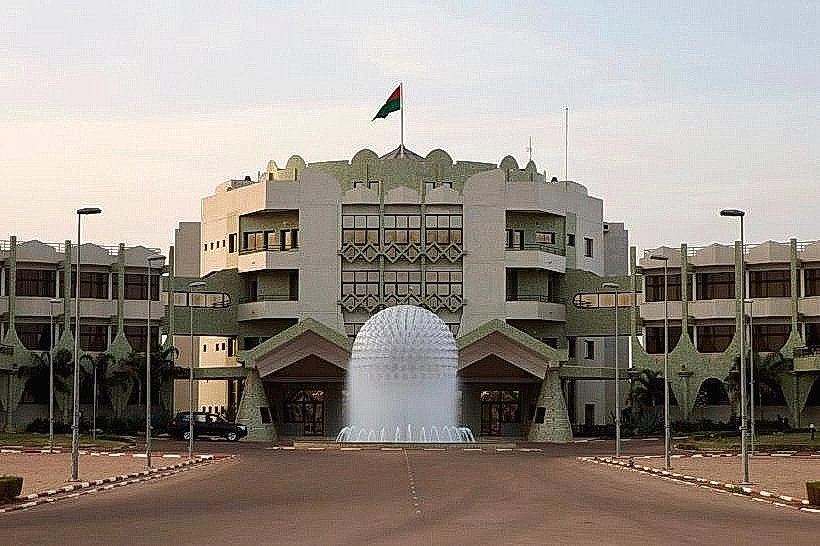
The National Assembly Building is the legislative seat of Burkina Faso, located in the capital city of Ouagadougou.
This structure serves as the primary meeting place for the country's elected representatives.
Visual Characteristics
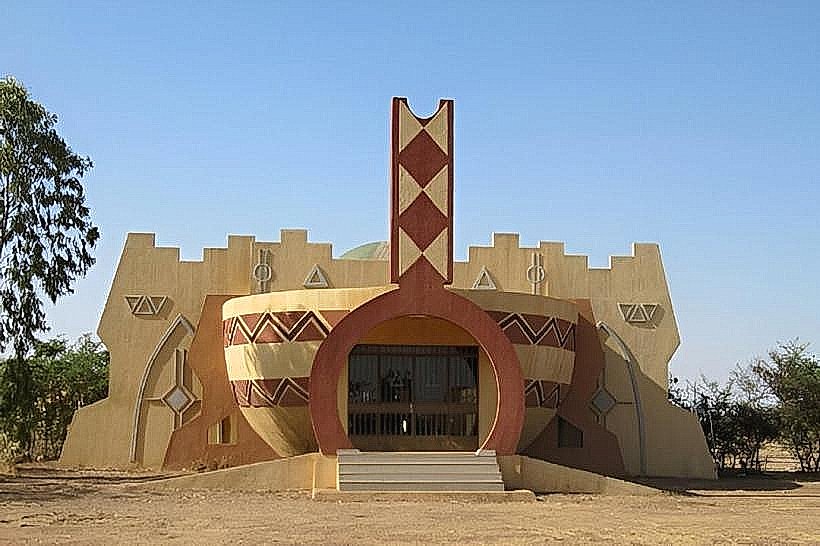
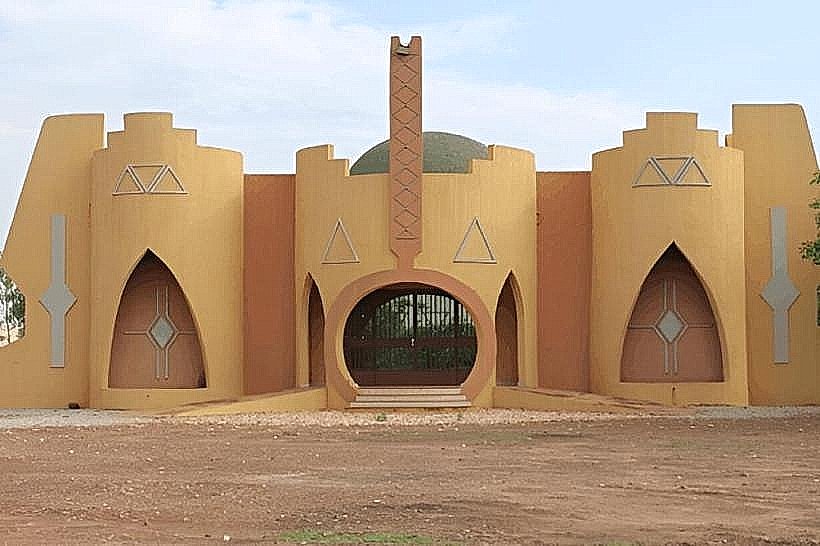
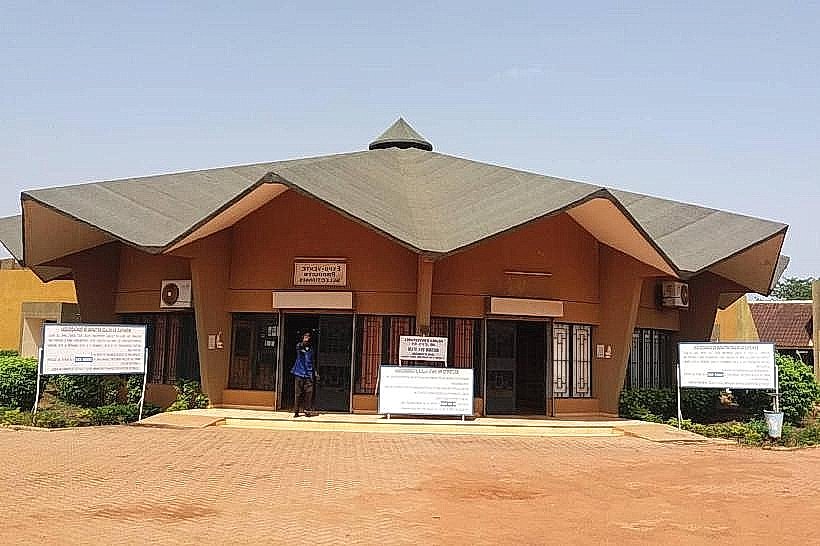
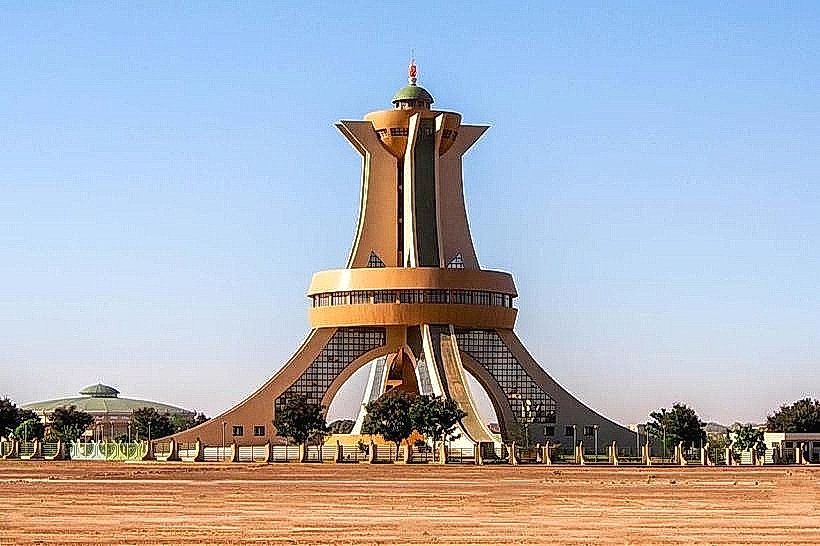
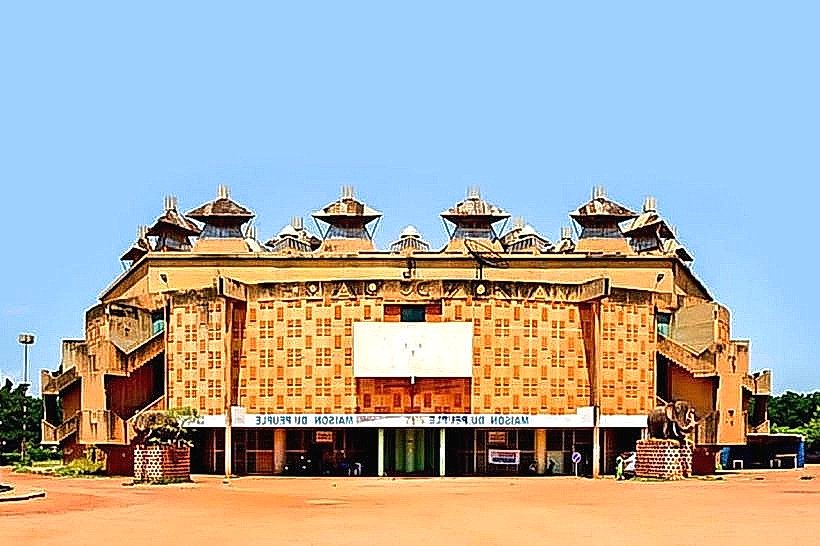
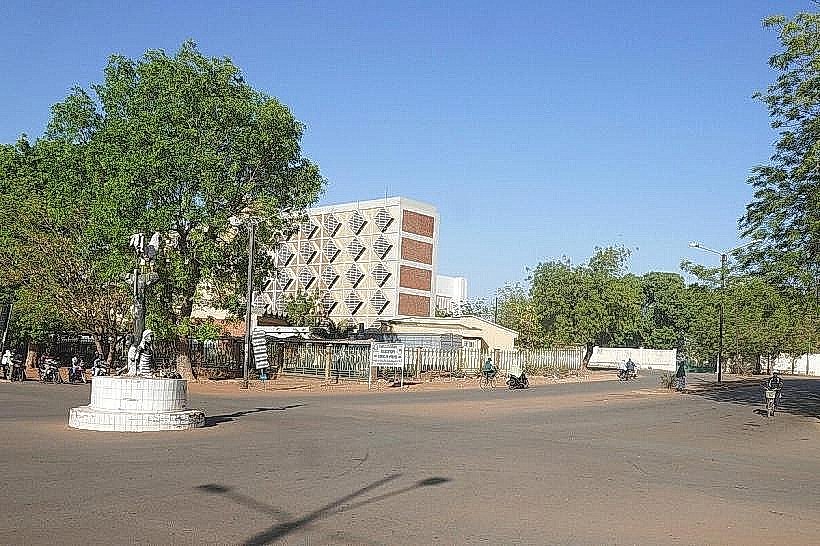
The building is a rectangular, multi-story structure constructed primarily from concrete and painted a light beige. It features a flat roof and a series of regularly spaced windows along its facades. The architectural style is functional and modern, with minimal ornamentation. A prominent flagpole stands in front of the main entrance.
Location & Access Logistics
The National Assembly Building is situated in the administrative district of Ouagadougou, approximately 3 kilometers east of the city center. Access is via Avenue Thomas Sankara. Limited visitor parking is available on-site, with priority given to official vehicles. Public transport routes serving the city center often pass within a 500-meter radius, requiring a short walk to the building.
Historical & Ecological Origin
Construction of the National Assembly Building was completed in 1998. It was designed by the architectural firm Groupe 3 Architectes. The building's original purpose was to house the legislative body of Burkina Faso, consolidating its functions into a dedicated facility.
Key Highlights & Activities
Public access to the interior of the National Assembly Building is restricted. However, the exterior architecture and the surrounding administrative plaza can be observed. Exterior photography is permitted. Information regarding public sessions or visiting hours for specific events, if available, would require direct inquiry with the building's administration.
Infrastructure & Amenities
Restrooms are available for staff and authorized personnel within the building. Limited shaded areas are present in the surrounding plaza. Cell phone signal (4G/5G) is generally strong in this central Ouagadougou location. No public food vendors are located directly at the building; options are available in the nearby commercial districts.
Best Time to Visit
For exterior viewing and photography, the morning hours (approximately 8:00 AM to 11:00 AM) offer consistent lighting. The afternoon can be significantly warmer. The dry season, from November to March, generally provides clearer skies and more comfortable temperatures for outdoor observation.
Facts & Legends
A specific local legend associated with the National Assembly Building is not widely documented. However, the building's construction marked a significant step in the consolidation of Burkina Faso's democratic institutions following periods of political transition.
Nearby Landmarks
- Presidential Palace (0.8km West)
- National Museum of Burkina Faso (1.2km Southwest)
- Place de la Nation (1.5km West)
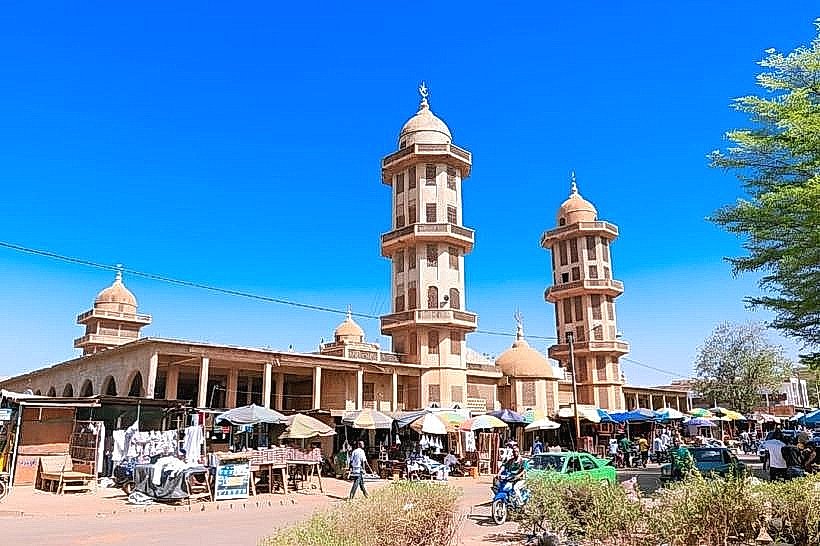
- Grand Mosque of Ouagadougou (1.8km West)
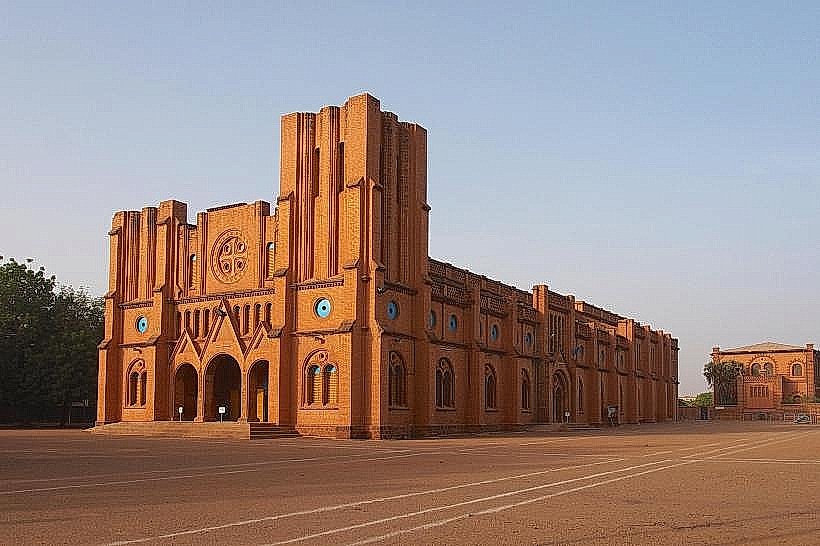
- Ouagadougou Cathedral (2.0km West)