Information
Landmark: Place Naaba KoomCity: Ouagadougou
Country: Burkina Faso
Continent: Africa
Place Naaba Koom, Ouagadougou, Burkina Faso, Africa
Place Naaba Koom is a public square located in Ouagadougou, Burkina Faso.
It serves as a central gathering point within the city.
Visual Characteristics
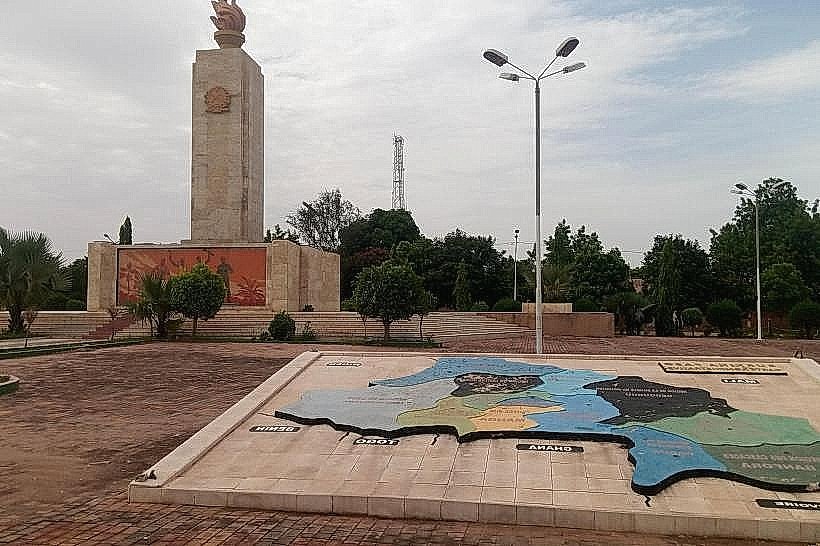
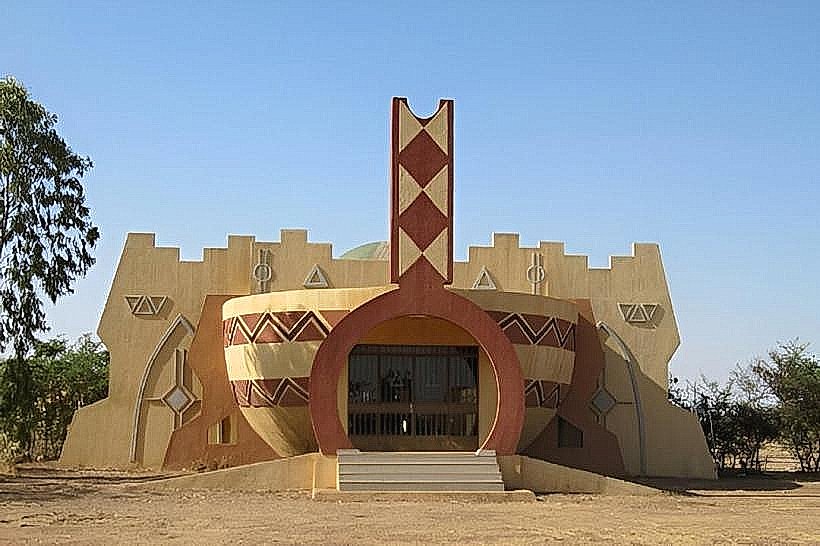
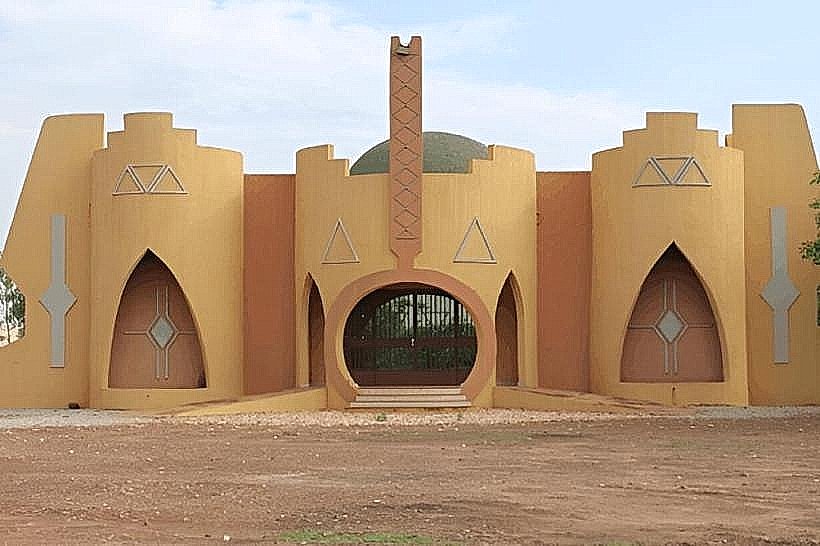
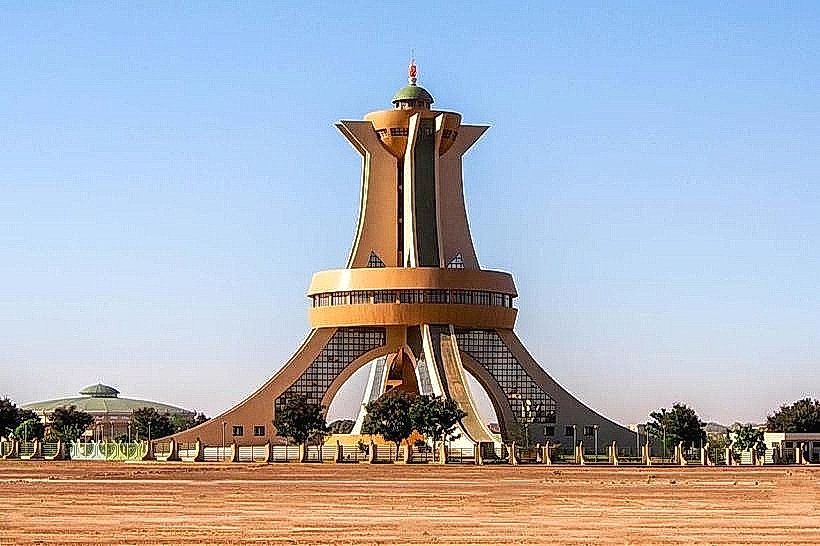
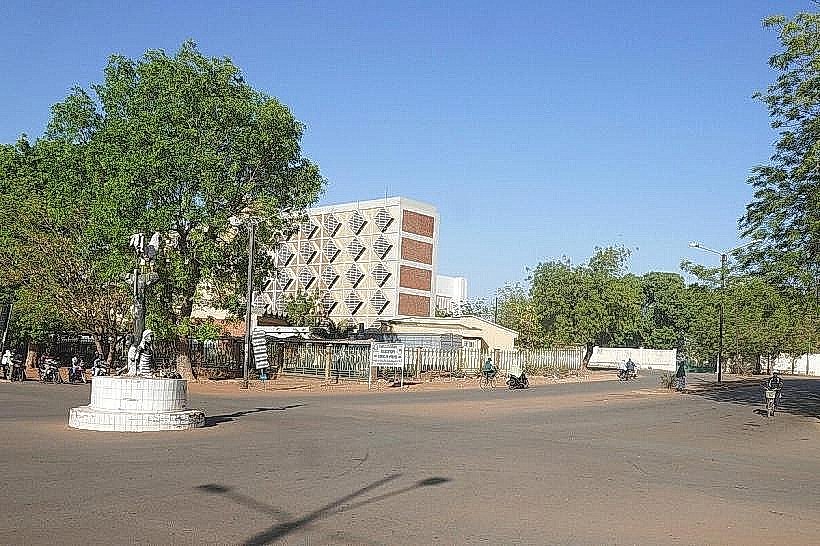
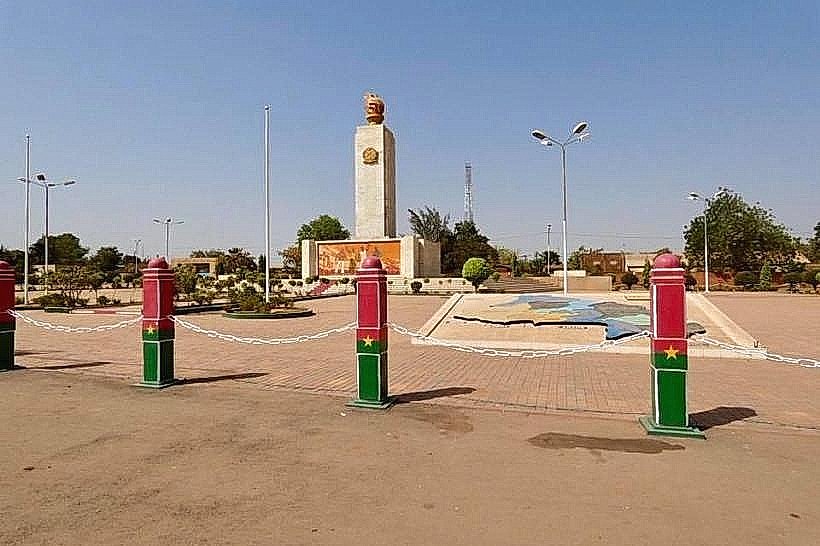
The square features a large, central monument constructed from concrete and metal, depicting abstract human figures. The ground surface is paved with concrete slabs and interspersed with gravel pathways. Surrounding the central area are several large trees providing shade, and benches are positioned along the perimeter.
Location & Access Logistics
Place Naaba Koom is situated in the central district of Ouagadougou, approximately 1.5 kilometers south of the Presidential Palace. Access is via Avenue Kwamé Nkrumah. Public parking is available on adjacent streets, though capacity is limited during peak hours. Several local bus lines, including lines 12 and 18, stop within a 500-meter radius of the square.
Historical & Ecological Origin
The square was established in the late 20th century as part of urban development initiatives in Ouagadougou. The central monument was erected in 1995 to commemorate national unity. The site itself is a naturally flat terrain within the Sahelian savanna biome.
Key Highlights & Activities
Visitors can observe the central monument. The square is a venue for local events and public gatherings. Walking and resting on benches are common activities.
Infrastructure & Amenities
Public restrooms are located on the western side of the square. Shade is provided by mature trees. Cell phone signal (4G) is generally available. Food vendors operate on the periphery, particularly in the mornings and evenings.
Best Time to Visit
The best time for photography of the monument is in the late afternoon, approximately 16:00 to 17:30, when the sun angle provides direct illumination. The cooler months, from November to February, offer the most comfortable weather for outdoor activities.
Facts & Legends
A local anecdote suggests that the abstract figures on the monument represent the diverse ethnic groups of Burkina Faso, united in their aspirations. It is also said that important community decisions were historically made in open spaces like this square.
Nearby Landmarks
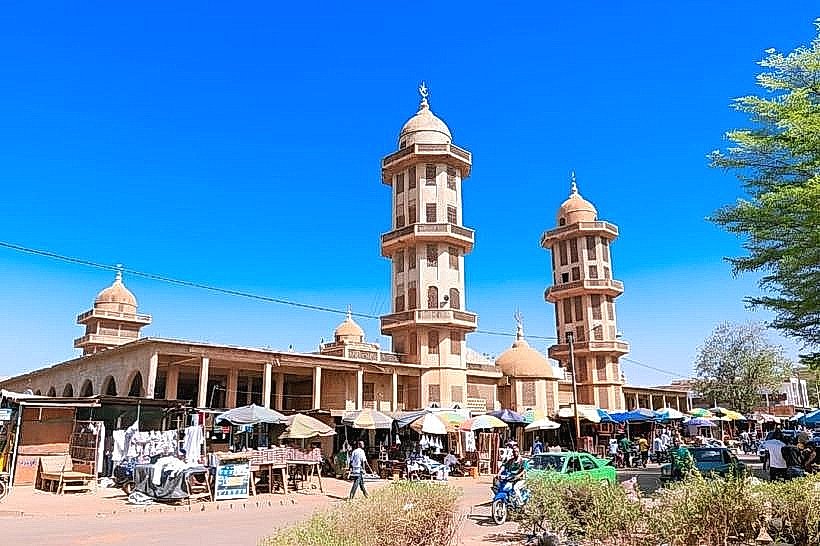
- Grand Mosque of Ouagadougou (0.8km North)
- National Museum of Burkina Faso (1.2km Northwest)
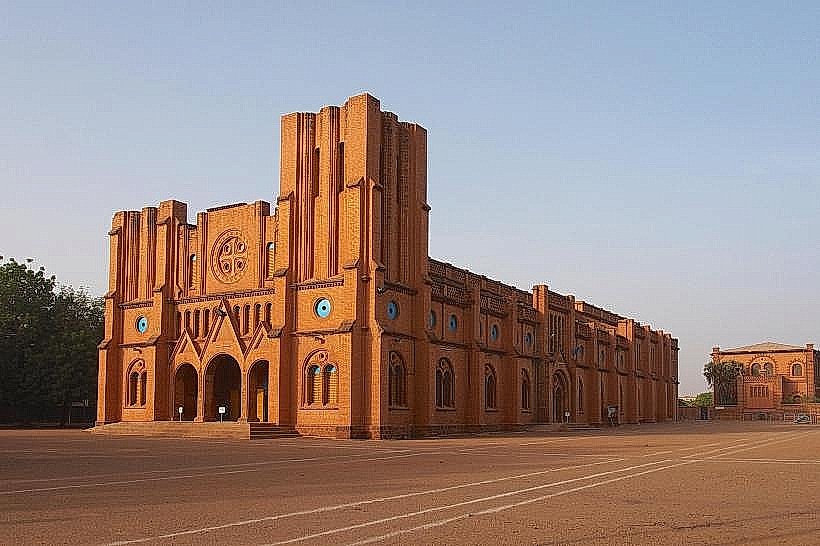
- Ouagadougou Cathedral (1.0km North)
- Place de la Nation (0.6km North)