Information
Landmark: University of Ouagadougou CampusCity: Ouagadougou
Country: Burkina Faso
Continent: Africa
University of Ouagadougou Campus, Ouagadougou, Burkina Faso, Africa
The University of Ouagadougou Campus is an educational institution situated in Ouagadougou, Burkina Faso.
It serves as a primary center for higher learning and research within the nation.
Visual Characteristics
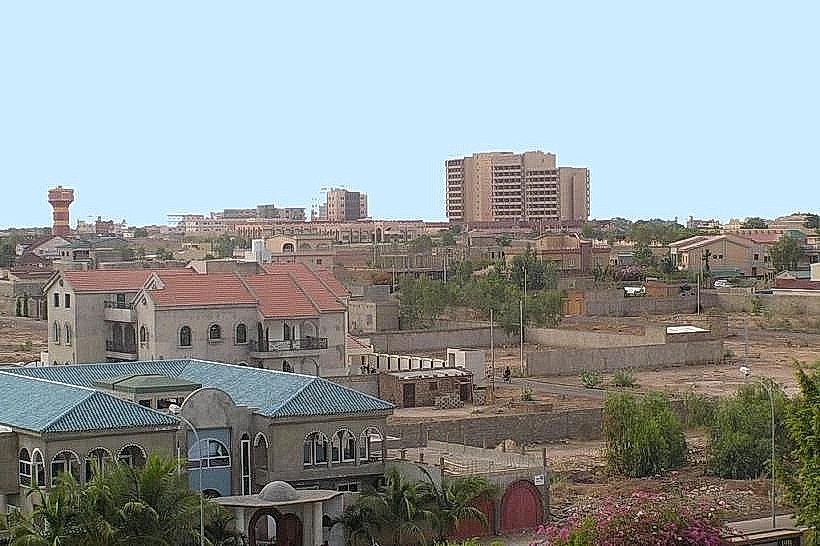
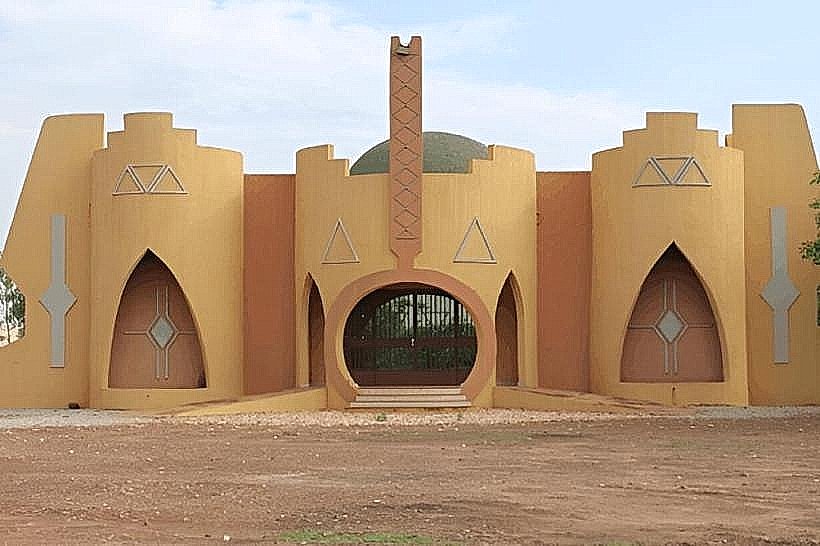
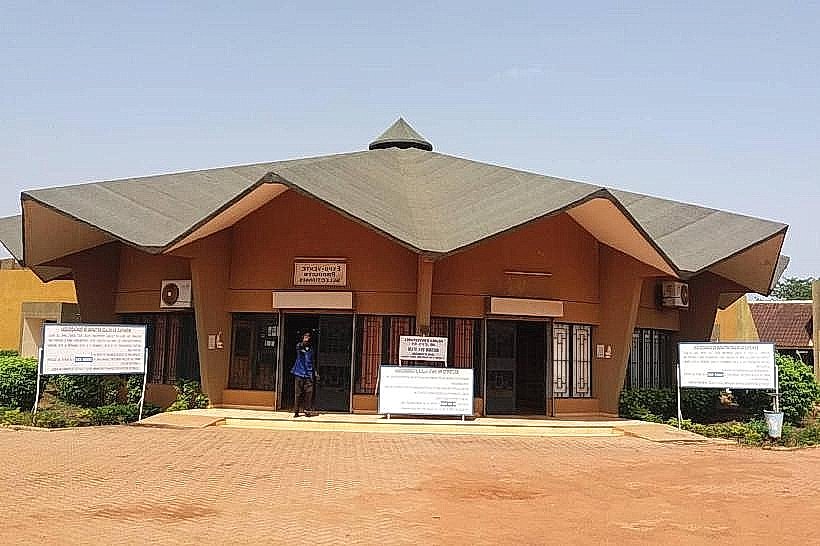
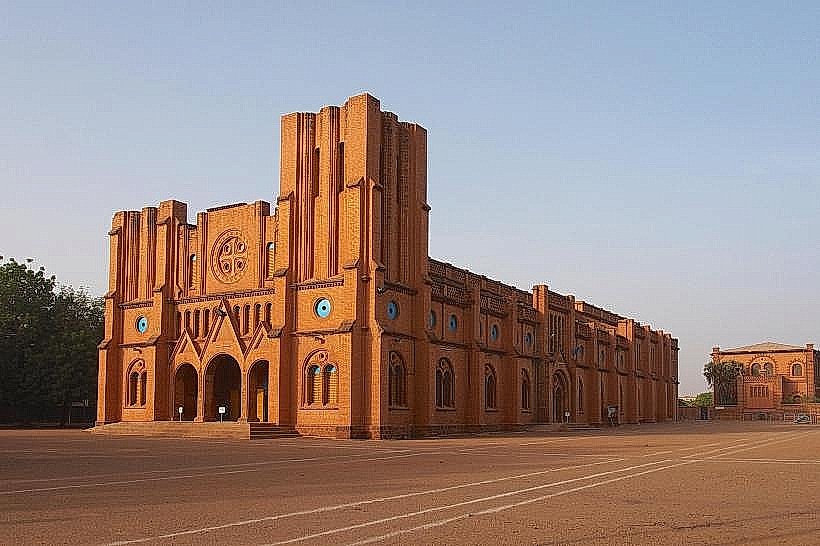
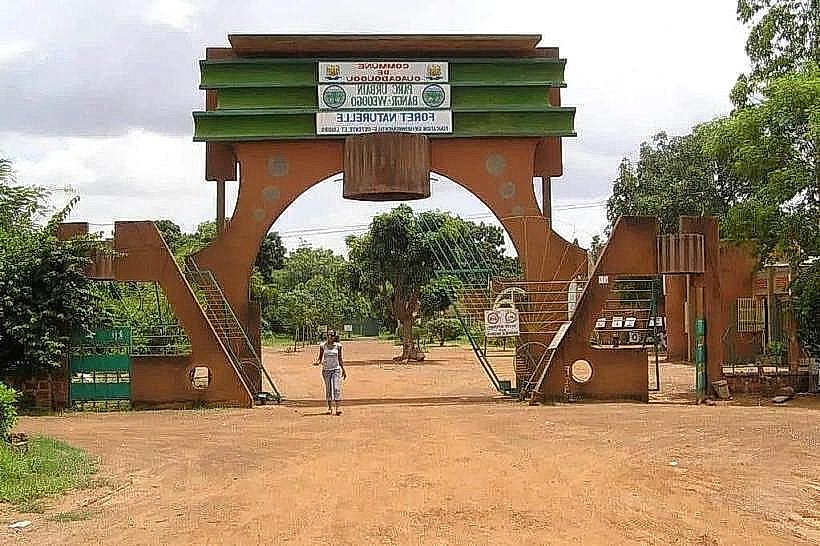
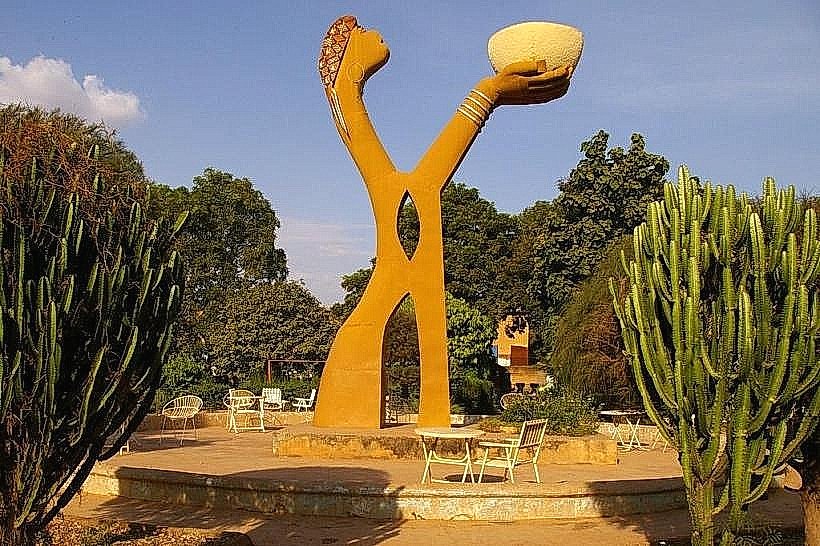
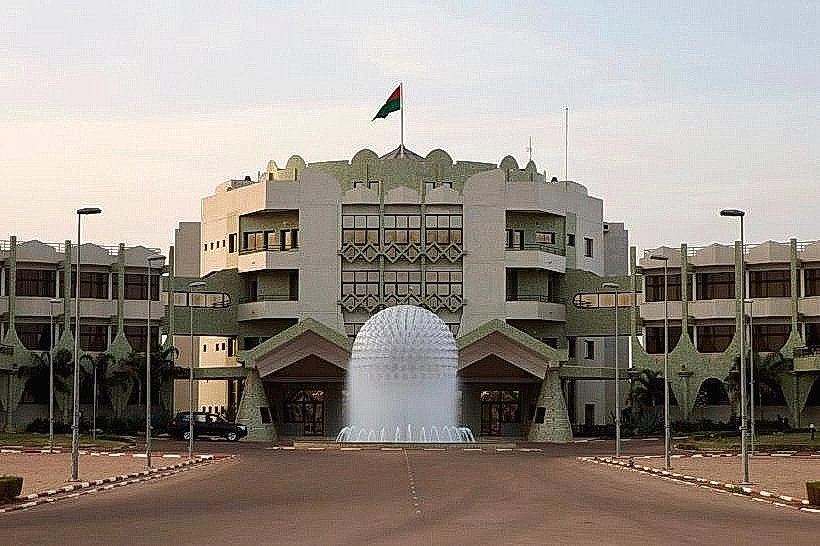
The campus architecture is characterized by low-rise, functional buildings constructed primarily from concrete and painted in muted earth tones, such as ochre and beige. Structures are generally rectangular with flat roofs. Vegetation is sparse, consisting of drought-resistant trees and shrubs planted along pathways and in courtyards. Paved walkways connect the various faculties and administrative buildings.
Location & Access Logistics
The campus is located approximately 7 kilometers west of Ouagadougou's city center. Access is via Avenue de l'Indépendance, which becomes Avenue du Professeur Joseph Ki-Zerbo. Public transportation is available via local bus lines, notably line 12, which stops at the main entrance. Limited on-site parking is available for staff and visitors, with overflow parking often utilized on adjacent unpaved areas during peak times.
Historical & Ecological Origin
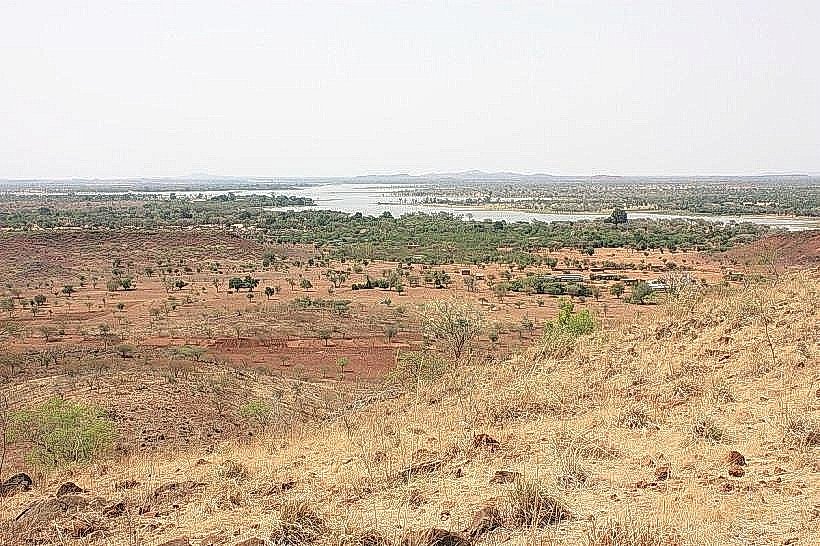
Established in 1974, the university was conceived to expand higher education opportunities in Burkina Faso. The campus was designed with the arid Sahelian climate in mind, utilizing materials and construction methods suitable for the region. The land itself is part of the savanna ecosystem characteristic of the Voltaic plateau.
Key Highlights & Activities
Activities are primarily academic. Visitors may access the university library during its operating hours. Public lectures and seminars are occasionally held and are typically announced on campus notice boards. The central administrative building houses the main reception and information desk.
Infrastructure & Amenities
Restrooms are available within each faculty building. Shade is provided by trees in designated courtyard areas and by the overhangs of some buildings. Cell phone signal (primarily 2G/3G) is generally available across the campus, though reception can be inconsistent in interior spaces. No food vendors are permanently located on campus; however, small informal stalls may operate near the main entrance during academic terms.
Best Time to Visit
The best time for external visitors is during the academic year, typically from September to June, to observe campus activity. The dry season, from November to April, offers the most comfortable weather conditions. Mid-morning (9:00 AM - 11:00 AM) provides good natural light for observing the campus layout.
Facts & Legends
A notable historical detail is that the university was initially named the University of Ouagadougou before being renamed the University Joseph Ki-Zerbo in 2015 to honor the prominent Burkinabé historian. A local anecdote suggests that the original construction plans were adapted significantly due to unexpected soil conditions encountered during excavation.
Nearby Landmarks
- National Museum of Burkina Faso (2.5km East)
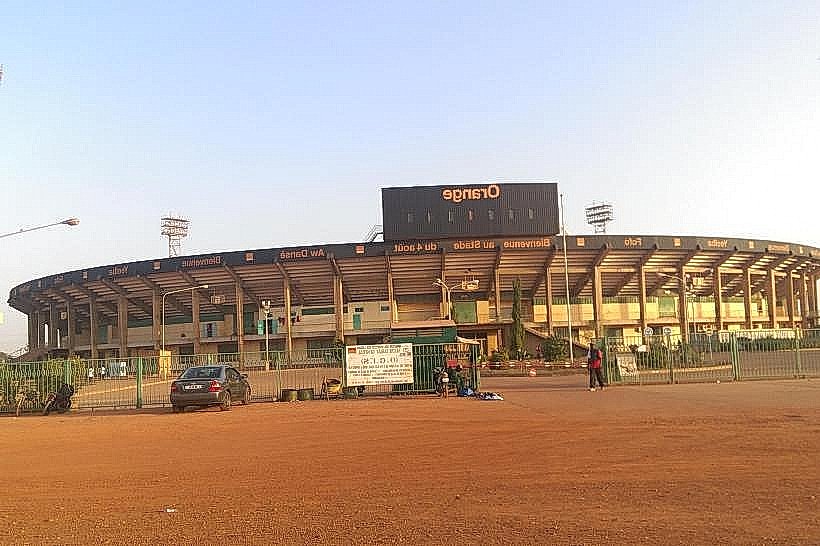
- Stade du 4 Août (3.0km Southeast)
- Grand Marché (6.0km East)
- Palais des Sports (6.5km East)